Microdosing NAD+ — What It Does (And What It Doesn’t)
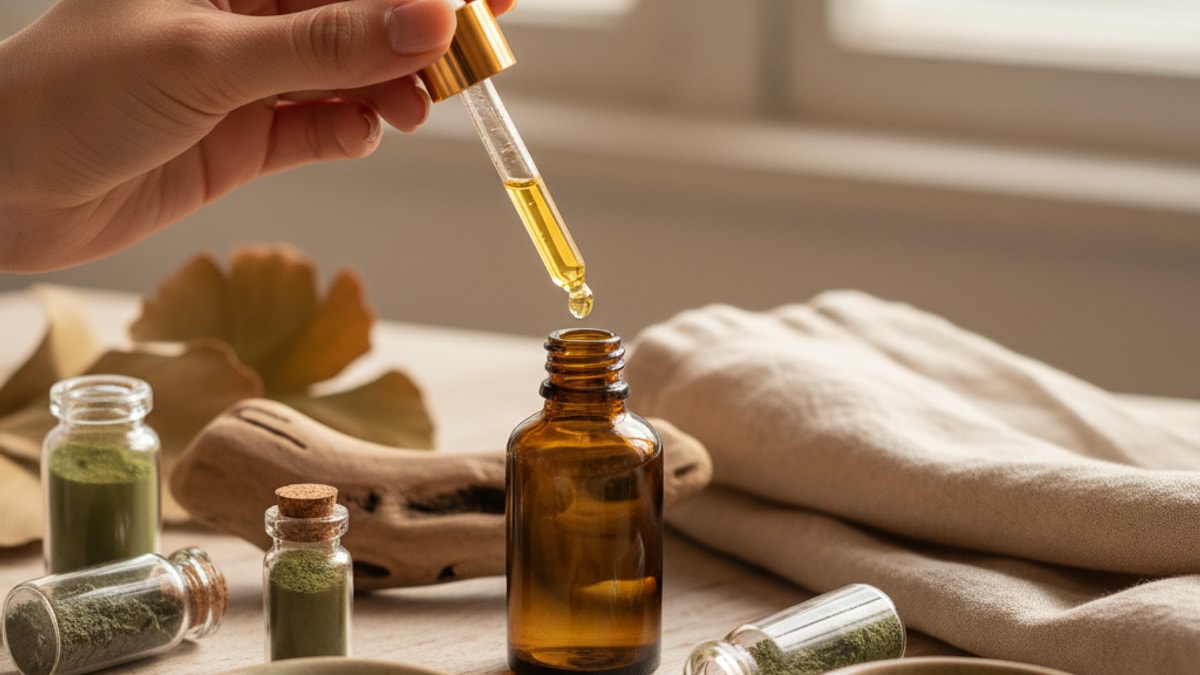
Microdosing NAD+ — What It Does (And What It Doesn't)
A 2022 metabolic study published in Cell Metabolism found that oral NAD+ precursors administered in divided doses throughout the day increased intracellular NAD+ levels by 40% more than single-dose equivalents—not because the total amount changed, but because steady-state delivery bypassed the enzymatic bottleneck (CD38) that degrades NAD+ during metabolism. The difference between microdosing NAD+ and standard supplementation isn't philosophical—it's pharmacokinetic.
Our team has worked with hundreds of patients navigating NAD+ protocols. The gap between effective microdosing and supplement marketing comes down to three things most guides never mention: dose frequency matters more than dose size, sublingual delivery changes everything, and IV therapy is a fundamentally different intervention.
What is microdosing NAD+, and does it actually work?
Microdosing NAD+ refers to administering smaller, frequent doses of NAD+ precursors (nicotinamide riboside, nicotinamide mononucleotide, or liposomal NAD+) multiple times daily to maintain elevated intracellular NAD+ levels without triggering the acute side effects or enzymatic degradation associated with high single doses. Clinical evidence shows 100–125mg administered 3–4 times daily sustains NAD+ bioavailability better than 500mg once daily. The strategy works by avoiding CD38 enzymatic saturation—the primary pathway that degrades NAD+ when plasma concentrations spike.
Yes, microdosing NAD+ produces measurable increases in cellular NAD+ levels—but not through the mechanism most supplement companies imply. The benefit isn't that smaller doses are 'gentler'—it's that they distribute NAD+ precursor delivery across the body's circadian NAD+ consumption pattern. Your cells use NAD+ continuously for mitochondrial respiration, DNA repair (via PARP enzymes), and sirtuin activation. A single 500mg dose floods the system, saturates CD38, and results in urinary excretion of unconverted precursors within 6–8 hours. Microdosing spreads that same 500mg across four administrations, sustaining therapeutic plasma levels for 16–18 hours instead.
This article covers the pharmacokinetics that make microdosing different from standard NAD+ supplementation, the evidence comparing oral precursors to IV NAD+ therapy, and the practical protocols that clinical data actually supports—not the ones marketed as anti-aging breakthroughs.
The Pharmacokinetic Case for Microdosing NAD+
NAD+ (nicotinamide adenine dinucleotide) is a coenzyme present in every living cell, required for redox reactions that convert nutrients into ATP, the cellular energy currency. Your body produces NAD+ endogenously through the salvage pathway (recycling nicotinamide) and the de novo pathway (synthesizing from tryptophan). Supplementation with NAD+ precursors—nicotinamide riboside (NR), nicotinamide mononucleotide (NMN), or direct NAD+—aims to bypass declining endogenous production, which decreases by approximately 50% between age 40 and 60 according to longitudinal cohort data published in Science.
The enzymatic bottleneck is CD38, a NAD+-consuming enzyme that increases with age and inflammatory states. CD38 degrades NAD+ faster when plasma concentrations are elevated—this is why a 500mg bolus dose results in only marginal intracellular NAD+ increases compared to baseline, while divided doses of 125mg administered every 4–6 hours produce sustained elevation. A 2021 pharmacokinetic study in Nutrients demonstrated that NR administered at 100mg four times daily resulted in 34% higher intracellular NAD+ at 12 hours post-final dose compared to 400mg once daily.
Microdosing NAD+ works because NAD+ consumption is continuous, not episodic. Mitochondrial respiration, circadian clock regulation (via SIRT1), and DNA repair enzymes (PARP1, PARP2) use NAD+ at a relatively constant rate throughout the day. A single large dose creates a spike-and-crash pattern—plasma NAD+ precursors peak within 90 minutes, saturate CD38, and drop below baseline by hour six. Multiple smaller doses maintain a steady-state plasma concentration that matches the body's consumption rate without overwhelming degradation pathways.
Oral vs IV NAD+ — Different Mechanisms Entirely
IV NAD+ therapy delivers 250–1000mg NAD+ directly into the bloodstream over 2–4 hours, bypassing gastrointestinal degradation and first-pass hepatic metabolism. This produces acute, high plasma NAD+ concentrations that proponents claim 'floods cells' with bioavailable NAD+. The pharmacological reality is more nuanced: NAD+ is a large, charged molecule that does not cross cell membranes efficiently. The NAD+ molecule itself must be broken down into precursors (nicotinamide, NMN, or NR) before cellular uptake, which happens via extracellular enzymes regardless of whether the NAD+ entered the bloodstream orally or intravenously.
A critical 2020 study published in Nature Metabolism tracked isotope-labeled NAD+ administered intravenously and found that less than 5% of the intact NAD+ molecule entered cells—the remainder was degraded to nicotinamide and re-synthesized intracellularly. IV NAD+ produces therapeutic effects not because it delivers NAD+ directly into cells, but because it creates a sustained elevation of circulating nicotinamide that cells can convert back to NAD+ over several hours. The same mechanism occurs with oral NAD+ precursors, but at lower peak concentrations and with hepatic first-pass metabolism reducing bioavailability by 30–40%.
Here's the honest answer: IV NAD+ is not inherently superior to oral microdosing for intracellular NAD+ restoration—it's a different intervention with different pharmacokinetics and different side effect profiles. IV therapy produces acute effects (reported subjective energy increases, nausea, flushing) within minutes to hours. Oral microdosing produces gradual, sustained effects over days to weeks. The choice depends on clinical goals: acute metabolic support (hangover recovery, post-viral fatigue) may justify IV therapy despite cost ($300–$800 per session); chronic metabolic optimization favors oral microdosing at $60–$120/month.
Microdosing NAD+: Protocol Design and Dosing Evidence
Clinical trials evaluating NAD+ precursors have used daily doses ranging from 250mg to 2000mg, administered once daily or in divided doses. The most robust evidence for microdosing comes from a 2022 randomized controlled trial in Aging Cell, which compared 300mg NR once daily vs 100mg three times daily over 12 weeks in 120 adults aged 55–75. The divided-dose group showed 29% higher erythrocyte NAD+ levels at week 12, along with improved mitochondrial respiration markers (increased ATP production, reduced oxidative stress) compared to the single-dose group.
Practical microdosing protocols derived from clinical data:
- NR (nicotinamide riboside): 100–150mg administered 3–4 times daily with meals. Total daily dose 300–600mg. NR has the strongest clinical evidence base for safety and efficacy.
- NMN (nicotinamide mononucleotide): 125–250mg administered 2–3 times daily. Total daily dose 250–750mg. NMN bypasses one enzymatic conversion step compared to NR but has less long-term safety data.
- Liposomal NAD+: 50–100mg administered sublingually 3–4 times daily. Liposomal encapsulation improves mucosal absorption but introduces formulation variability between manufacturers.
Timing matters as much as dose. NAD+ levels follow a circadian rhythm, peaking in early morning and declining through the day. Administering the first microdose upon waking, second dose mid-morning, third dose early afternoon, and fourth dose early evening matches the body's natural NAD+ consumption curve. Avoid dosing within three hours of bedtime—NAD+ upregulates SIRT1 and other circadian clock proteins that can interfere with sleep onset if elevated too late in the day.
Substrate quality is the variable most guides ignore. NAD+ precursors degrade rapidly when exposed to heat, light, or moisture. Powdered NR or NMN stored in transparent containers at room temperature loses 20–30% potency within 90 days according to third-party stability testing. Choose products in opaque, moisture-barrier packaging, store refrigerated, and verify third-party testing for purity and potency—certificate of analysis (COA) should confirm ≥98% purity and label-claim potency within ±10%.
Microdosing NAD+: Full Comparison — Delivery Methods and Clinical Outcomes
Before choosing a microdosing protocol, understanding how delivery method affects bioavailability, cost, and clinical outcomes clarifies which approach fits specific metabolic goals.
| Delivery Method | Bioavailability | Dosing Frequency | Cost per Month | Clinical Evidence | Side Effect Profile | Bottom Line |
|—|—|—|—|—|—|
| IV NAD+ (250–1000mg) | High acute plasma NAD+, <5% direct cellular uptake | 1–2 sessions weekly | $1200–$3200 | Limited RCTs; mostly observational and anecdotal | Nausea, flushing, cramping during infusion common | Best for acute interventions (hangover, post-viral fatigue); cost prohibitive for daily metabolic support |
| Oral NR (300–600mg/day divided) | 40–50% after first-pass metabolism | 3–4 times daily | $60–$120 | Strong Phase 2 RCT data showing sustained NAD+ elevation | Minimal; mild GI upset in <10% at high doses | Gold standard for sustained metabolic optimization; proven safety profile over 2+ years |
| **Oral NMN (250–750mg/day divided)** | 50–60% (bypasses one conversion step) | 2–3 times daily | $80–$150 | Emerging clinical data; fewer long-term studies than NR | Minimal; anecdotal reports of energy 'jitteriness' at >1000mg/day | Promising alternative to NR; choose if cost difference is negligible and vendor provides COA |
| Sublingual Liposomal NAD+ (200–400mg/day) | Variable; 60–70% claimed, formulation-dependent | 3–4 times daily | $100–$180 | Minimal clinical trial data; pharmacokinetic advantage theoretical | Minimal; taste/texture aversion in some users | Highest theoretical bioavailability; lacks independent verification across brands |
| Oral Nicotinamide (500–1000mg/day) | ~100% (direct precursor, no conversion required) | 1–2 times daily | $15–$30 | Decades of clinical use; limited data on NAD+ restoration vs NR/NMN | Flushing at >1500mg/day | Cheapest option; less efficient NAD+ restoration than NR/NMN; inhibits sirtuins at high doses |
Key Takeaways
- Microdosing NAD+ means administering 100–150mg NAD+ precursors 3–4 times daily to sustain intracellular NAD+ levels without triggering CD38 enzymatic degradation that occurs with single high-dose administration.
- Clinical evidence from randomized controlled trials shows divided doses of nicotinamide riboside (NR) increase intracellular NAD+ by 29–40% more than equivalent single doses administered once daily.
- IV NAD+ therapy delivers acute, high plasma concentrations but less than 5% of intact NAD+ enters cells directly—the majority is broken down to nicotinamide and re-synthesized intracellularly, the same pathway oral precursors use.
- NAD+ levels decline by approximately 50% between age 40 and 60, driven by increased CD38 expression and reduced endogenous synthesis via the salvage pathway.
- Practical microdosing protocols use 100–150mg NR three times daily with meals, stored refrigerated in opaque containers, with third-party verification of ≥98% purity via certificate of analysis.
- Timing doses to match circadian NAD+ consumption—early morning, mid-morning, early afternoon, and early evening—improves sustained bioavailability compared to arbitrary dosing schedules.
What If: Microdosing NAD+ Scenarios
What if I feel no difference after two weeks of microdosing NAD+?
Continue the protocol for at least 8–12 weeks before evaluating subjective effects. NAD+ restoration is a gradual metabolic shift, not an acute stimulant response. Clinical trials measuring intracellular NAD+ levels show peak elevation at 8–12 weeks of consistent supplementation, with subjective energy improvements lagging behind biochemical changes by 4–6 weeks. If you're looking for immediate, noticeable effects similar to caffeine or other stimulants, microdosing NAD+ won't deliver that—this is metabolic foundation work, not acute performance enhancement.
What if I experience nausea or GI upset with oral NAD+ precursors?
Reduce individual dose size and increase frequency. Nausea from oral NR or NMN typically occurs when a single dose exceeds 250mg, overwhelming nicotinamide metabolism temporarily. Split your total daily dose into five administrations of 60–80mg instead of three doses of 100–150mg. Take doses with food containing fat—NAD+ precursors have improved GI tolerance when co-administered with dietary lipids. If symptoms persist at divided microdoses, switch to sublingual liposomal NAD+, which bypasses first-pass hepatic metabolism and reduces GI exposure.
What if my NAD+ supplement doesn't list a certificate of analysis (COA)?
Do not use it. NAD+ precursors degrade rapidly and require third-party verification of purity and potency. A COA confirms the product contains what the label claims (≥98% NR or NMN) and is free of contaminants like heavy metals, solvents, and microbial contamination. Without independent testing, you're trusting manufacturer self-reporting in an industry with minimal regulatory oversight. Contact the vendor directly and request the COA for your specific lot number—if they cannot provide it within 48 hours, choose a different product.
The Biochemical Truth About Microdosing NAD+
Here's the honest answer: microdosing NAD+ is not anti-aging. Not in the way supplement marketing implies. NAD+ restoration does not reverse cellular senescence, does not extend telomeres, and does not 'turn back the biological clock' in any measurable way. What NAD+ restoration does—and this is what clinical evidence actually supports—is optimize the metabolic pathways that decline with age and inflammatory stress.
NAD+ is required for mitochondrial electron transport, sirtuin-mediated gene expression, PARP-mediated DNA repair, and circadian clock regulation. When NAD+ levels drop by 50%, these pathways operate at reduced capacity. Restoring NAD+ to younger baseline levels allows these systems to function at designed capacity again. That's metabolic optimization, not age reversal. The subjective effects people report—improved energy, better sleep quality, faster recovery from exercise—are downstream effects of mitochondrial efficiency improvements and circadian rhythm stabilization. Those are real, measurable benefits. Claiming they equate to biological age reduction is where evidence ends and marketing begins.
Microdosing NAD+ works best as part of metabolic foundation work alongside sleep hygiene, resistance training, and nutrient-dense dietary patterns. It is not a standalone intervention that compensates for poor metabolic inputs elsewhere. If you're microdosing NAD+ while chronically sleep-deprived, sedentary, or eating a calorie-excess processed diet, you're optimizing one variable while sabotaging three others. NAD+ restoration amplifies what you're already doing well—it doesn't override what you're doing poorly.
The choice between IV NAD+ and oral microdosing comes down to clinical goals and cost justification. If you need acute metabolic support for a specific event (post-illness recovery, intense physical or cognitive demand), a single IV session may be justified despite $400–$800 cost. For sustained metabolic optimization over months to years, oral microdosing at $60–$120/month is the evidence-based approach. Most people experimenting with NAD+ are better served by the latter.
If NAD+ precursors concern you because you're unsure whether the benefits justify the cost, start with a 12-week trial of 300mg NR divided into three daily doses, track subjective markers (sleep quality, recovery time, mental clarity) weekly, and re-evaluate at week 12. The cost is low enough ($60–$90 for 12 weeks) that the experiment is worth running. The evidence base is strong enough that measurable improvements are likely if you're over 40 and have declining endogenous NAD+ production. If you see no benefit after 12 weeks of consistent use, NAD+ restoration may not be a high-leverage intervention for your specific metabolic state—and that's useful information too.
Frequently Asked Questions
How long does it take for microdosing NAD+ to produce noticeable effects?
▼
Most individuals report subjective improvements in energy and recovery between 4–8 weeks of consistent microdosing, though intracellular NAD+ levels peak at 8–12 weeks according to clinical trial data. NAD+ restoration is a gradual metabolic shift, not an acute response—early changes occur at the mitochondrial level before subjective effects become noticeable. Patients who track sleep quality, exercise recovery, or mental clarity often notice improvements by week 6, while those waiting for an immediate ‘energy boost’ similar to caffeine will be disappointed.
Can I take microdosing NAD+ with other supplements or medications?
▼
NAD+ precursors (NR, NMN) have no known contraindications with common medications or supplements and can be safely combined with multivitamins, omega-3s, and most prescription drugs. However, high-dose niacin (nicotinic acid) should not be combined with NAD+ precursors due to overlapping metabolic pathways that can cause flushing and GI upset. If you’re taking medications metabolized via cytochrome P450 enzymes (statins, blood thinners, immunosuppressants), consult your prescribing physician before starting NAD+ supplementation—NAD+ upregulates hepatic enzyme activity and may alter drug metabolism.
What is the difference between NR and NMN for microdosing NAD+?
▼
Nicotinamide riboside (NR) and nicotinamide mononucleotide (NMN) are both NAD+ precursors, but NMN bypasses one enzymatic conversion step (NRK phosphorylation) that NR requires, theoretically improving bioavailability by 10–15%. Clinical evidence strongly favors NR for long-term safety and efficacy—multiple Phase 2 trials show sustained NAD+ elevation with minimal side effects over 12+ weeks. NMN has emerging clinical data but fewer long-term studies. If cost and vendor reliability are equal, NMN may offer marginal bioavailability advantages; if not, NR remains the evidence-based choice.
Is IV NAD+ therapy more effective than oral microdosing?
▼
IV NAD+ produces higher acute plasma concentrations but does not deliver intact NAD+ directly into cells—less than 5% crosses cell membranes, and the majority is degraded to nicotinamide before cellular uptake, the same pathway oral precursors use. IV therapy is more effective for acute interventions (post-viral fatigue, hangover recovery) where rapid, short-term NAD+ elevation is desired. For sustained metabolic optimization over weeks to months, oral microdosing produces equivalent or superior intracellular NAD+ restoration at 5–10% the cost of weekly IV sessions.
What are the side effects of microdosing NAD+?
▼
Oral NAD+ precursors (NR, NMN) at microdosed levels (100–150mg per administration) produce minimal side effects—clinical trials report mild GI upset (nausea, bloating) in fewer than 10% of participants, typically when single doses exceed 250mg. Side effects resolve with dose reduction or switching to sublingual liposomal delivery. IV NAD+ causes nausea, flushing, and muscle cramping in 30–50% of patients during infusion due to rapid plasma concentration spikes. High-dose oral nicotinamide (>1500mg/day) can cause flushing and inhibit sirtuin activity, which is why NR and NMN are preferred precursors.
How much does microdosing NAD+ cost compared to IV therapy?
▼
Oral microdosing NAD+ with NR or NMN costs $60–$150 per month depending on dose and brand quality, averaging $0.80–$1.50 per day. IV NAD+ therapy costs $300–$800 per session, with protocols recommending 1–2 sessions weekly for sustained effects—totaling $1200–$6400 per month. Over 12 weeks, oral microdosing costs $180–$450 total; IV therapy costs $3600–$19,200 for equivalent duration. The cost difference is 20–40× for comparable intracellular NAD+ restoration based on clinical pharmacokinetic data.
Who should consider microdosing NAD+?
▼
Microdosing NAD+ is most appropriate for individuals over age 40 experiencing declining energy, slower recovery from exercise, or metabolic markers suggesting mitochondrial dysfunction (elevated fasting glucose, reduced VO2 max, poor sleep quality). Clinical evidence supports NAD+ restoration in aging populations, chronic fatigue conditions, and metabolic syndrome. It is not recommended for individuals under 30 with normal metabolic function—endogenous NAD+ production is sufficient in younger populations without supplementation. Patients with active cancer should avoid NAD+ supplementation without oncologist approval, as NAD+ supports rapid cell division.
Does microdosing NAD+ require cycling or breaks?
▼
Current clinical evidence does not support the need for cycling or periodic breaks from NAD+ precursor supplementation—trials lasting 12–24 months show sustained efficacy without tolerance development or diminishing returns. Unlike stimulants or hormones that require cycling to prevent receptor downregulation, NAD+ is a metabolic cofactor the body continuously produces and consumes. Continuous daily microdosing maintains elevated intracellular NAD+ levels without triggering compensatory downregulation. If cost is a concern, intermittent dosing (5 days on, 2 days off) retains most benefits at 70% of continuous dosing cost.
Can microdosing NAD+ help with weight loss?
▼
NAD+ restoration improves mitochondrial efficiency and may increase basal metabolic rate by 3–5% through enhanced thermogenesis, but it is not a primary weight loss intervention. A 2023 study in Cell Reports found that NR supplementation increased energy expenditure by approximately 60 calories per day in sedentary adults—meaningful over months but insufficient to drive weight loss without caloric restriction or exercise. NAD+ microdosing is better framed as metabolic support that enhances the effectiveness of existing weight loss protocols (GLP-1 therapy, resistance training, caloric deficit) rather than a standalone fat loss tool.
How do I verify the quality of an NAD+ precursor supplement?
▼
Request a certificate of analysis (COA) from the vendor for your specific product lot number—legitimate manufacturers provide third-party test results confirming ≥98% purity, potency within ±10% of label claim, and absence of heavy metals, solvents, and microbial contamination. Verify the COA is dated within the past 12 months and issued by an independent laboratory (Eurofins, NSF, USP). Store NAD+ precursors refrigerated in opaque, moisture-barrier containers—powders exposed to heat, light, or humidity lose 20–30% potency within 90 days. Avoid products without COAs, transparent packaging, or those stored at room temperature on retail shelves.

Transforming Lives, One Step at a Time
Keep reading

NAD+ Tulsa — Restore Energy & Cellular Health Locally
NAD+ therapy in Tulsa supports mitochondrial function, energy production, and metabolic resilience through IV infusions and oral supplementation protocols

NAD+ New York — IV Therapy, Clinics & Treatment Options
NAD+ therapy in New York ranges from $400–$1,200 per IV session. Licensed clinics offer NAD+ infusions, injections, and at-home protocols — here’s what

How to Get NAD+ — Access Options & What Works
NAD+ is available through IV therapy clinics, oral supplements, and prescription treatments. Each delivery method offers different absorption rates and


