Muscle Loss on Ozempic: How Much Is Normal and How to Prevent It
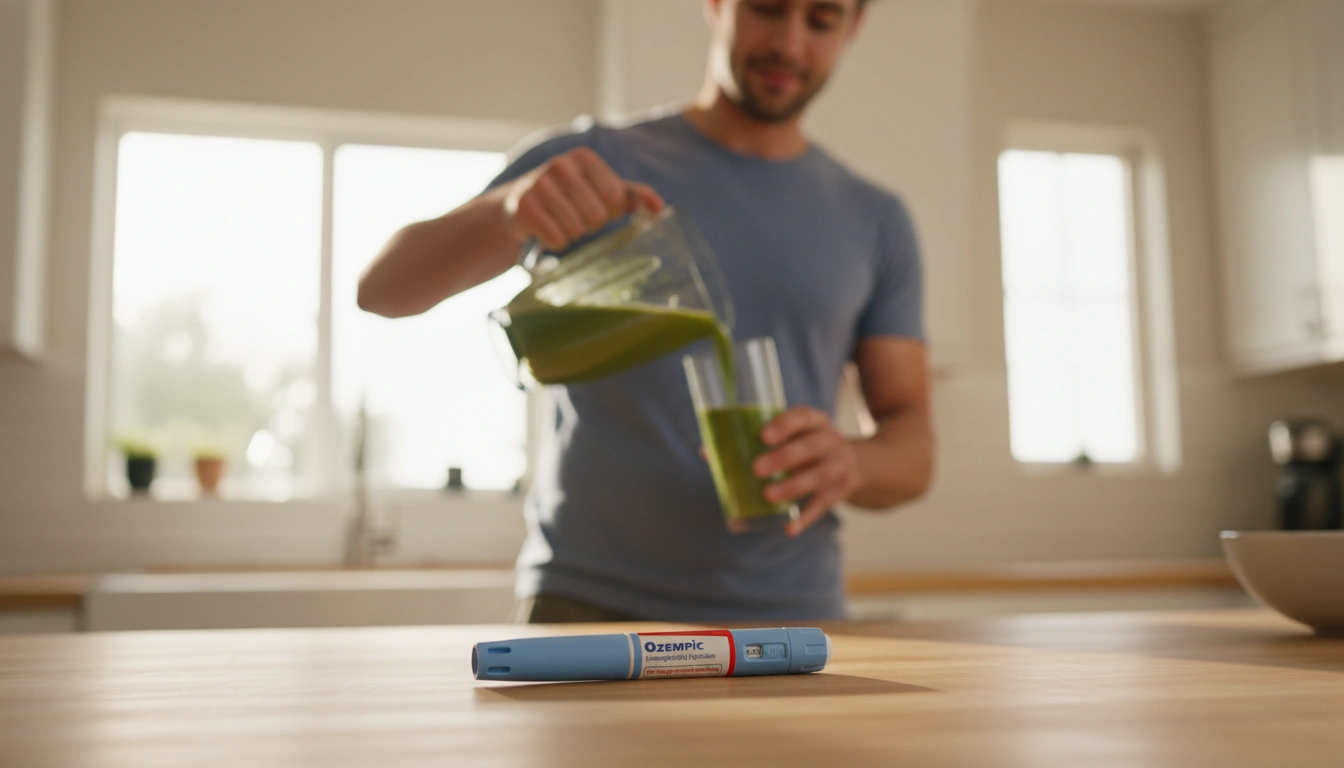
When you lose weight on Ozempic, not all of it is fat. Some of it is muscle, and that distinction matters more than most people realize. The good news is that muscle loss on semaglutide is largely preventable with the right approach. Here’s what the research actually shows and what you can do about it starting now.
Why GLP-1 Medications Cause Some Muscle Loss
Muscle loss during weight loss isn’t unique to Ozempic. Any time you’re in a sustained caloric deficit, your body draws on multiple tissue types for energy, including lean mass. What makes GLP-1 medications worth paying attention to is the speed and magnitude of weight loss they can produce. Faster, larger weight loss tends to come with a higher proportion of lean mass lost if nothing is done to counteract it.
There’s also the appetite suppression factor. When food intake drops significantly, protein intake often drops with it. Protein is the primary dietary signal that tells your body to preserve and rebuild muscle tissue. Eat less protein, and muscle breakdown accelerates.
Semaglutide also slows gastric emptying, which affects how efficiently your body digests and absorbs the protein you do eat. So you may be getting less functional protein benefit even from the meals you are having.
How Much Muscle Loss Is Typical
The STEP clinical trials, which established the efficacy of semaglutide for weight loss, reported that lean mass accounted for roughly 25 to 39 percent of total weight lost in participants who didn’t follow a structured resistance training program. That range is consistent with what’s seen in other significant caloric deficit interventions.
To put that in practical terms: consider a patient who loses 40 pounds on semaglutide over 12 months without doing any strength training. Somewhere between 10 and 15 of those pounds could be lean mass rather than fat. That’s a meaningful amount, particularly for older patients whose baseline muscle mass is already declining with age.
The proportion is not fixed, though. Studies consistently show that resistance training and adequate protein intake can shift that ratio significantly, preserving more lean mass while fat loss continues.
Signs You May Be Losing More Muscle Than Fat
The scale alone won’t tell you what you need to know here. A few things worth watching for include feeling weaker during activities that used to feel easy, reduced grip strength, noticing that your body looks “softer” even as the number on the scale drops, fatigue that goes beyond what you’d expect from eating less, and slower recovery after physical activity.
None of these are definitive on their own, but together they’re worth raising with your provider. Body composition testing, such as a DEXA scan or bioelectrical impedance measurement, can give you a clearer picture of the fat-to-muscle ratio of your weight loss.
Protein: The Most Important Variable You Can Control
If there’s one lever that makes the biggest difference in muscle preservation on Ozempic, it’s protein intake. Research consistently points to a target of 1.2 to 1.6 grams of protein per kilogram of body weight per day for people in a significant caloric deficit who want to preserve lean mass.
For a 180-pound person, that translates to roughly 98 to 130 grams of protein per day. On a suppressed appetite, hitting that number takes deliberate planning.
Practical strategies include prioritizing protein at the start of each meal before moving to other foods, choosing high-protein options even when portions are small (Greek yogurt, eggs, cottage cheese, fish, lean poultry), and using protein shakes as a supplement on days when solid food is difficult to manage.
A 2021 analysis published in Obesity Reviews found that higher protein intake during caloric restriction was consistently associated with greater preservation of lean mass, independent of exercise status. The effect was strongest in individuals losing weight rapidly. (Koliaki et al., Obesity Reviews, 2021, https://pubmed.ncbi.nlm.nih.gov/33471418/)
For more detail on hitting daily targets when your appetite is working against you, the article on how much protein you need on Ozempic or semaglutide breaks this down practically.
Resistance Training: The Other Non-Negotiable
Protein alone will slow muscle loss. Resistance training combined with adequate protein can largely prevent it.
You don’t need to be lifting heavy or spending hours in the gym. Two to three sessions per week of progressive resistance work, meaning you’re gradually increasing the challenge over time, is enough to send the muscle-preserving signal your body needs. Compound movements like squats, rows, deadlifts, and presses recruit the most muscle tissue and give you the most return on time invested.
The key word is progressive. Doing the same bodyweight exercises at the same intensity week after week will maintain some muscle but won’t stimulate growth or provide a strong enough signal to counteract the deficit-driven breakdown that comes with significant caloric restriction.
If you’re new to resistance training or coming back after a long break, starting with two sessions per week is enough. Consistency matters more than volume, especially early on.
The article on strength training on Ozempic covers programming specifics in more detail, including how to structure sessions when energy levels are lower than usual.
Other Factors That Influence Muscle Retention
Sleep is more relevant here than most people expect. The majority of muscle protein synthesis happens during sleep, and chronic sleep deprivation accelerates muscle breakdown even in people eating adequate protein. Seven to nine hours per night isn’t just a general health recommendation; during active weight loss it has a measurable effect on body composition outcomes.
Staying hydrated also matters. Muscle tissue is approximately 75 percent water, and even mild dehydration impairs muscle function and recovery. Semaglutide patients who are eating and drinking less need to be deliberate about fluid intake.
Creatine monohydrate is worth mentioning as a supplement with strong evidence behind it. Several studies have shown that creatine supplementation during caloric restriction helps preserve lean mass and supports performance in resistance training. It’s inexpensive, well-tolerated, and has no known interactions with semaglutide. Three to five grams per day is the standard evidence-based dose.
When to Raise This With Your Provider
If you’re losing weight faster than expected, if you’re noticing significant strength loss, or if you’re struggling to eat enough protein due to nausea or appetite suppression, these are all worth bringing up at your next check-in. Your provider may adjust your dose timing, recommend a dietitian referral, or help you troubleshoot protein intake strategies specific to your situation.
To explore your options with a clinical team that monitors body composition alongside weight loss, start your TrimRx assessment here.
This information is for educational purposes and is not medical advice. Consult with a healthcare provider before starting any medication. Individual results may vary.

Transforming Lives, One Step at a Time
Keep reading

Ozempic and Social Isolation: When Food Was How You Connected
This is a real cost of treatment and it does not get discussed much, partly because it sounds minor next to the medical benefits….

Can’t Comfort Eat on Ozempic and Don’t Feel Better? Why That Happens
Because the eating was doing a job, and removing your capacity to do it does not remove the need it was meeting. That is…

Food Noise Came Back on Ozempic? Whether It’s Your Dose or Your Stress
The pattern tells you more than the intensity does. Food noise that returns gradually over weeks and stays constant points toward the medication. Food…


