Weight Loss for Men: Fat Loss Strategies That Work
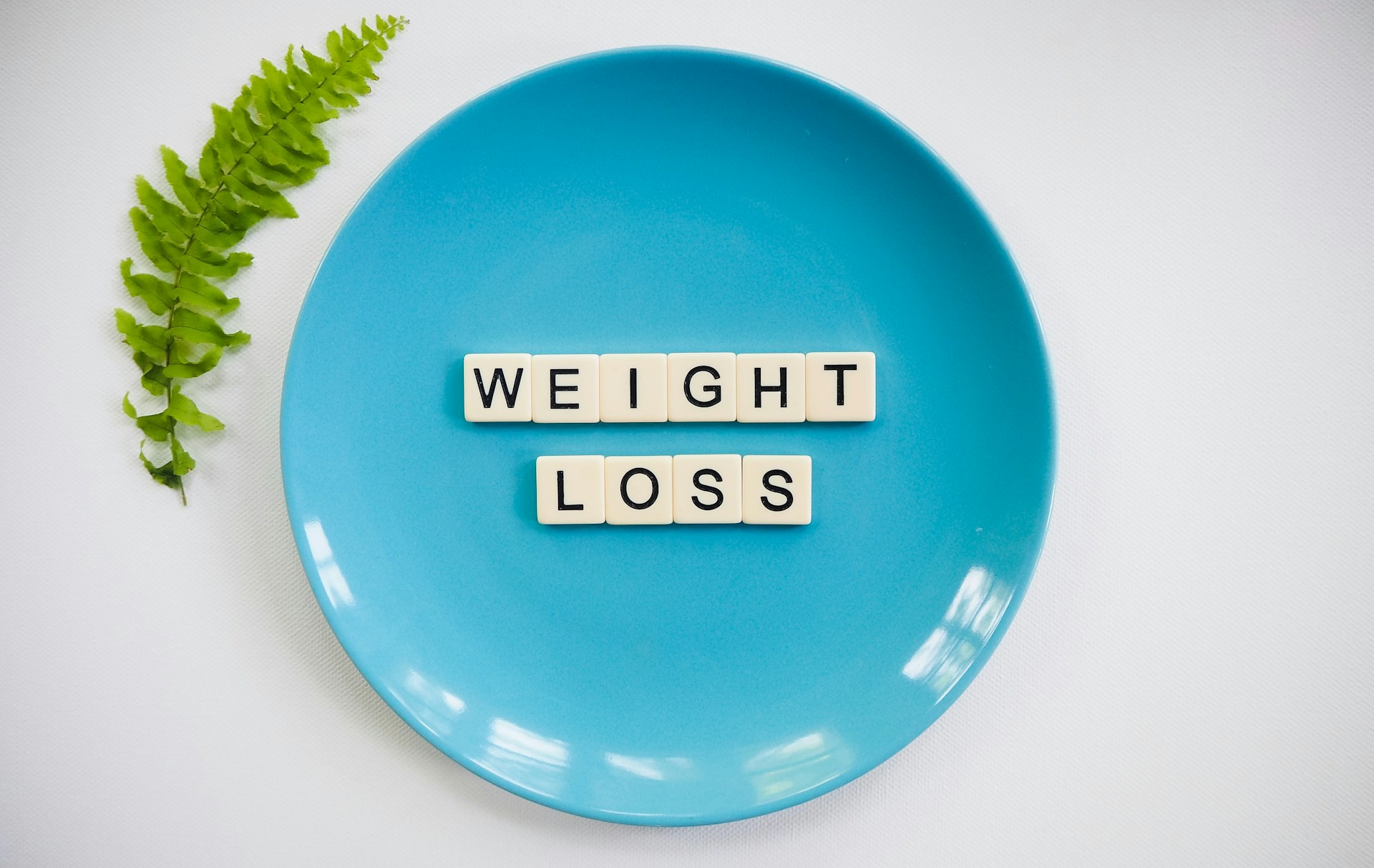
If you’ve ever tried to figure out weight loss for men, you’ve probably come across advice that feels a bit extreme. Cut everything. Train harder. Eat less. Repeat. It sounds simple on paper, but in real life, it rarely sticks. Most men aren’t looking to flip their entire routine overnight. They just want something that works without turning daily life upside down.
Luckily, to lose weight, you don’t need perfection. You need a few steady shifts that make sense for your routine. When done right, those changes reduce fat, and improve your energy, your mood, and even things like blood pressure and blood sugar levels. This is less about chasing a quick drop on the scale and more about building something that actually lasts.
Biological Differences in How Men and Women Lose Weight
Men usually notice changes a bit quicker when they start trying to lose weight, and there’s a reason for that. On average, men carry more muscle mass, which means their bodies burn more calories even when they’re not doing much. That alone can give them a slight edge early on.
But there’s a catch. Men tend to store more fat around the stomach, often called visceral fat, which is the kind of fat linked to heart disease, type 2 diabetes, and rising cholesterol. Guidance often shared by places like the Mayo Clinic points out that reducing this deep abdominal fat can have a real impact on long-term health.
So while progress might come faster at first, where that fat sits matters. The goal is to lose weight, improve your body composition, and work toward a more balanced, leaner body.
Weight Loss for Men: Top 8 Strategies
1. Set Your Goals
Most people skip this part or rush through it, but it matters more than it seems. If you want to lose weight, you need a reason that actually means something to you. So go for something personal instead of vague. Maybe it’s feeling lighter, improving your sexual function, or just not feeling out of breath doing normal things.
Look at where you are now and where you realistically want to be. You don’t need a huge drop right away. Even modest weight loss can lower blood pressure, improve insulin response, and reduce body fat. When your goal feels achievable, it’s easier to stay with it.
2. Get Support for Your Weight Loss Journey
Trying to figure everything out on your own can wear you down quickly. A bit of support can make your weight loss journey feel less like a solo effort. That could be a friend, a workout partner, or even a registered dietitian who understands how to guide you without overcomplicating things.
Sometimes it’s not even about advice. Just having someone who knows what you’re trying to do can keep you grounded when motivation dips.
3. Including Cardio and Resistance Exercises in Your Routine
You don’t need a complicated plan here. What works is a mix. Cardio helps burn calories and supports your cardiovascular health, while resistance training helps maintain or build muscle.
That balance matters. If you only focus on cutting calories without any strength training, you might lose muscle along with fat. Over time, that slows down your metabolism. Keeping some form of resistance work in your routine helps protect your muscle mass while reducing total body fat.
It can be simple. Walking more. Lifting a few times a week. Staying physically active in ways that don’t feel forced.
4. Adjust Your Diet
This is where most of the change happens, but it doesn’t have to feel restrictive. Start with awareness. A lot of extra calories come from things people don’t think about much, like sugary drinks, packaged snacks, fried food, and alcohol. Alcohol especially can quietly add up and slow down your weight loss efforts.
If you’re trying to reduce your intake, think in terms of your daily needs. Once you have a rough idea of how many calories a day your body uses, you can gently cut back. Make sure it’s just enough to start using stored fat and not anything drastic.
At the same time, focus on what to include, not just what to remove. Protein helps a lot here. Foods like eggs, chicken, fish, beans, and yogurt support your muscle mass while helping you feel full. Add more vegetable options, whole grains like oats or brown rice, and keep drinking water throughout the day.
It’s less about strict rules and more about steady healthy choices.
5. Benefits of Sleep in Weight Loss
Sleep doesn’t always get attention, but it should. When you don’t get enough sleep, your hunger signals can feel off. You might find yourself reaching for more food, especially carbs, without really thinking about it.
Good sleep helps regulate insulin, supports stable blood sugar, and even improves your focus and cognition during the day. It makes everything else easier, from sticking to your meals to staying active.
It’s one of those things that seems small, but it has a ripple effect on your entire weight management routine.
6. Monitor Your Progress
Progress isn’t always obvious day to day, which is why it helps to step back and notice patterns. When you monitor your progress, you should look beyond the scale and pay attention to how your body feels, how your clothes fit, and how your energy shifts.
If something isn’t working, this is where you catch it early. Maybe your activity needs to increase, or your meals need adjusting. Keeping track doesn’t have to be intense. Thus, aim for consistency to guide your next step.
7. Use TrimRx
For some men, especially those dealing with long-term weight issues or excess weight, lifestyle changes alone can feel slow. That’s where medically supervised weight loss programs can come in. TrimRx offers options designed to work alongside your routine, not replace it.
This can include GLP-1 medication, which help manage appetite and support better control over how you eat and drink. For some, this kind of support makes it easier to stay consistent and continue reducing extra weight without feeling stuck.
Conclusion
At its core, weight loss for men isn’t about doing everything at once. It’s about doing a few things well and repeating them often enough that they start to feel normal. Over time, those small shifts reduce body fat, improve your wellness, and help you move toward a healthy weight without forcing it.
If there’s one thing to keep in mind, it’s this. You don’t need a perfect plan, but one you can stick with.
Frequently Asked Questions
1. What is the fastest way for men to lose weight?
The quickest way to lose weight usually comes down to eating fewer calories and increasing physical activity at the same time. But going too hard too fast can lead to burnout or even losing muscle mass. A steady approach tends to work better and lasts longer.
2. How to lose weight fast naturally and permanently?
To keep weight off, the focus has to be on lifestyle changes. That means better food choices, staying active, getting enough sleep, and being consistent. Quick fixes might help in the short term, but lasting weight loss comes from habits you can actually maintain.

Transforming Lives, One Step at a Time
Keep reading
Does Bupropion Cause Weight Gain or Loss?
Bupropion, better known by the name Wellbutrin, has been prescribed for depression for more than three decades. It is also used to treat seasonal…

Keto Diet for Beginners: Simple Guide to Get Started
The keto diet for beginners looks simple from the outside and feels messy from the inside. The rules fit on an index card: keep…

Top 5 Best Weight Loss Programs for Beginners in 2026
Starting a weight loss journey means sorting through GLP-1 medication ads, apps that gamify your groceries, and online weight management programs promising a doctor…


