Low Calorie Meals for Weight Loss That Keep You Full
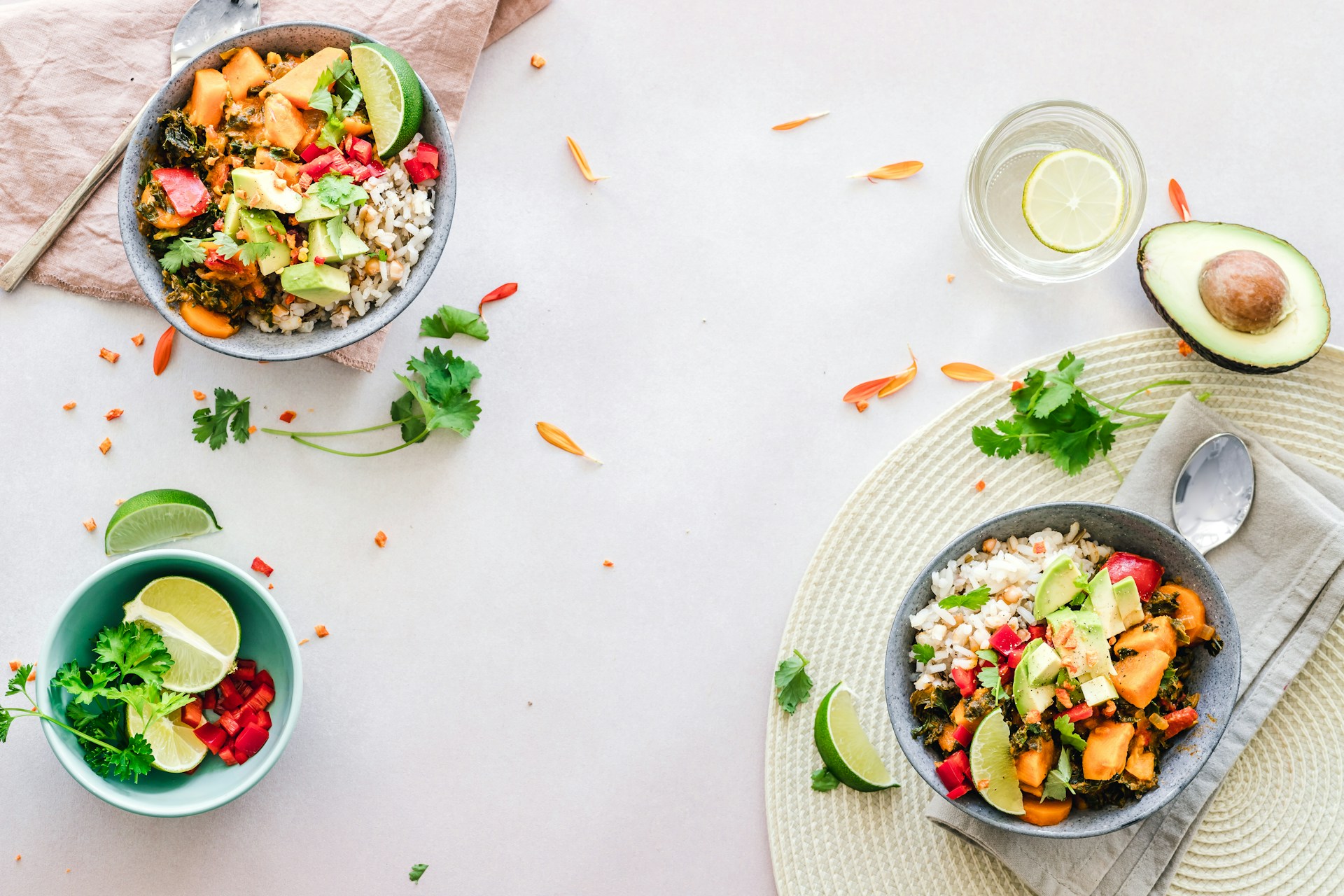
There’s a quiet frustration that comes with trying to eat less and still feel okay at the end of the day. You cut back on a few things, maybe watch your calorie intake a little closer, but somehow hunger keeps showing up earlier than expected. That’s where low calorie meals for weight loss start to make more sense. It’s about eating less while about choosing foods that help you feel full without piling on extra calories.
The good news is that low-calorie doesn’t have to mean boring or tiny portions. When meals are built the right way, they can actually feel hearty and satisfying, almost like comfort food you didn’t expect to fit into a low-calorie diet. Once you understand which food groups to lean on, putting together balanced meals that help you feel full becomes a lot easier and far less stressful.
Food Groups to Prioritize for Low Calorie Meals
1. Fruits That Add Volume Without Extra Calories
Fruits tend to be one of the easiest ways to add natural sweetness while keeping things low in calories. Many fruits are high in water, which means they take up space in your stomach and help you feel full without adding a lot to your calorie count. Think of apples, berries like strawberries and blueberries, oranges, and watermelon. These are foods that contain plenty of water and fiber, giving you that light but satisfying feeling after eating.
What makes fruits especially helpful in low calorie meals is how flexible they are. You can add them to breakfast, mix them into a bowl of greek yogurt, or even pair them with a small portion of whole grain foods for balance. A simple bowl of berries with a spoon of yogurt can feel like a treat while still being low in calories per serving. It’s one of those small habits that quietly supports your weight loss journey without feeling restrictive.
Over time, fruits also help shape your taste preferences. When you regularly eat naturally sweet foods, heavily processed options start to feel a bit too much. That shift makes it easier to stick to a lower calorie eating plan without constantly feeling like you’re missing out.
2. Vegetables That Help You Feel Full
Vegetables are the backbone of most low-calorie recipes, especially when your goal is to stay full longer. Leafy greens like lettuce and spinach are incredibly low in calories but still give your meals structure and volume. Then you have cruciferous vegetables like broccoli and brussels sprouts, which bring a bit more texture and a boost of fiber. Root vegetables like carrot and sweet potato add a slightly hearty, comforting feel while still keeping calories in check.
A plate filled with sautéed vegetables, especially things like bell pepper, broccoli, and red peppers, can turn a simple meal into something much more satisfying. The trick is not eating vegetables on the side but letting them take up a large portion of your plate. That’s how you build meals that feel generous without adding unnecessary calories.
Vegetables also pair well with almost everything. Whether it’s grilled chicken, ground turkey, or even a vegetarian dinner with chickpea and white bean, vegetables help tie everything together. They bring balance, color, and a sense of fullness that’s hard to get from other foods alone.
3. Carbs That Support a Low-Calorie Diet
Carbs often get a bad reputation, but the right kinds can actually help you lose weight without feeling deprived. Whole grain options like brown rice, quinoa, and whole-wheat bread digest more slowly, which helps keep your energy steady and prevents sudden hunger. These carbs are also higher in fiber, making them a key part of high-fiber meals that help you feel full.
Instead of avoiding carbs altogether, it’s better to focus on portions and quality. A small serving of brown rice paired with lean protein and vegetables can turn into a balanced, satisfying meal. It’s not about removing carbs, it’s about choosing ones that work with your body instead of against it.
Carbs also play a role in making meals feel complete. Without them, meals can feel a bit empty, even if you’ve eaten enough. Including whole-grain options in your meal plan helps create that sense of fullness that lasts beyond just a few hours.
4. Proteins That Keep You Satisfied
Protein is where things really start to come together for low calorie meals. Foods high in lean protein help you stay full longer and support muscle health at the same time. Options like grilled chicken, chicken breast, tuna, salmon, and even ground turkey are all packed with lean protein while still being relatively low in calories.
Plant-based options are just as valuable. Chickpea, white bean, and lentils bring both fiber and protein, which makes meals feel more filling. A simple bowl with chickpea, vegetables, and a light dressing can turn into a hearty vegetarian option that still fits into a low-calorie meal plan.
The key is to include protein in every meal. Whether it’s eggs in the morning, chicken and rice at lunch, or salmon with vegetables for dinner, protein helps keep you satisfied and prevents that constant urge to snack.
5. Fats That Work for Your Weight Loss Journey
Fats can be tricky, but they’re still important. Healthy fats like avocado, olive oil, nuts, and seeds add flavor and help you feel full, even in small amounts. The difference is that these fats are more satisfying, so you don’t need much to feel the effect.
On the other hand, heavily processed fats or fried foods tend to be higher in calories without offering much in return. They can quickly push a meal from low in calories to higher in calories without actually helping you feel full. That’s why it’s better to use small amounts of healthy fats instead of avoiding fat completely.
A few slices of avocado on a salad or a light drizzle of olive oil over sautéed vegetables can completely change how a meal feels. It adds richness without taking away from your goal of eating fewer calories.
Low Calorie Meals for Weight Loss Meal Plan
When you start putting everything together, low calorie meals for weight loss become much easier to plan. Breakfast can be simple but still filling. A bowl of greek yogurt with berries and a sprinkle of whole-grain oats gives you a mix of protein, carbs, and fiber. It’s low in calories but still enough to keep you going through the morning.
Lunch can lean into something more savory. A grilled chicken salad with lettuce, broccoli, bell pepper, and a few slices of avocado creates a balanced meal that feels fresh but still hearty. Adding a small portion of brown rice or quinoa helps round it out and keeps your energy steady.
Dinner is where you can bring in a bit of comfort food feeling without going overboard on calories. Think of baked salmon or ground turkey served with sautéed vegetables like brussels sprouts and carrot, plus a side of sweet potato. These meals provide enough variety and texture to keep things interesting while still staying within a lower calorie range, often around 400 to 500 calories depending on portions.
Join TrimRx to Support Your Weight Loss Journey
Sometimes having a clear plan makes all the difference. If you’re trying to stay consistent with low calorie meals while managing your calorie intake, having the right kind of support can make the process feel less overwhelming. That’s where TrimRx can fit in naturally, helping guide your weight loss journey with a structured approach that still feels realistic.
It’s not about strict rules or cutting out everything you enjoy. It’s more about building balanced meals, understanding what works for your body, and staying consistent over time. With the right support, low-calorie meals start to feel like a lifestyle instead of something temporary.
Conclusion
Low calorie meals for weight loss don’t have to feel restrictive or complicated. When you focus on foods that help you feel full, like vegetables, lean protein, whole grains, and healthy fats, everything starts to fall into place. Meals become more satisfying, and sticking to a lower calorie eating plan feels a lot more natural.
At the end of the day, it’s about balance. You’re not just trying to eat fewer calories, you’re building meals that keep you full and feeling good. That shift in focus makes all the difference in staying consistent and actually seeing results over time.
Frequently Asked Questions
1. What is the best low-calorie food for weight loss?
There isn’t just one best option, but foods high in fiber and protein tend to stand out. Vegetables like broccoli, fruits like berries, and lean protein like chicken breast or tuna are all low in calories while helping you feel full. These are the kinds of foods that make it easier to stick to a low-calorie diet.
2. What is the best low-calorie dinner for weight loss?
A balanced dinner usually works best. Something like grilled chicken or salmon with sautéed vegetables and a small portion of brown rice or sweet potato can feel filling without being too high in calories. It’s about combining protein, fiber, and a bit of healthy fat so you stay satisfied.
3. What happens if I eat 1200 calories for a week?
Eating 1200 calories a day can lead to weight loss for some people, but it depends on your body and activity level. While the meal plan may create a calorie deficit, it can also feel restrictive if meals aren’t planned well. The goal is to build meals that help you feel full so you can maintain that calorie level without feeling drained.
4. Which meal is best to skip for weight loss?
Skipping meals isn’t always the best approach. For many people, it leads to more hunger later and overeating. Instead of skipping a meal, it’s usually better to focus on low calorie meals that are balanced and satisfying. That way, you stay full and avoid the cycle of extreme hunger and overeating.

Transforming Lives, One Step at a Time
Keep reading
Which Bupropion Is Best for Weight Loss? Explained
Bupropion is one of the most discussed medications in the weight management space, and for good reason. Unlike most antidepressants, which often cause weight…
Natural Weight Loss Remedies That Actually Help
If you want to lose weight, you do not need to start with a complicated diet or expensive products. Some home remedies for weight…

Obesity and Low Testosterone
**Can obesity cause low testosterone?** Yes. Obesity can lower testosterone, and the relationship often runs in both directions.


