Is Ozempic a Weekly Shot? Frequency and Delivery Explained

Introduction
Finding a weight management strategy that fits into a busy life can feel like an uphill battle. For many, the daily ritual of counting every calorie or remembering a handful of supplements becomes a source of stress rather than a path to health. If you want a personalized starting point, take the free assessment quiz. If you are looking into metabolic health, you have likely asked: is Ozempic a weekly shot? The short answer is yes. Ozempic® is a prescription medication designed to be administered just once every seven days.
At TrimRx, we understand that the transition to a weekly medication can bring up many questions about timing, safety, and effectiveness. For a broader foundation on the hormone itself, what GLP-1 medications are. This post will cover the schedule of this medication, how it differs from daily options, and what you should know about the administration process. Our goal is to provide a clear, science-backed look at how weekly GLP-1 medications function within a personalized health program.
The Weekly Schedule of Ozempic
Ozempic® is a brand-name medication containing semaglutide. Semaglutide belongs to a class of drugs known as glucagon-like peptide-1 (GLP-1) receptor agonists, and a helpful overview of that class is how GLP-1 actually works for weight loss. These medications mimic a hormone naturally produced in your gut that helps regulate appetite and blood sugar. One of the primary reasons this specific medication is administered once a week is its “half-life.”
In pharmacology, a half-life is the time it takes for the concentration of a substance in your body to reduce by half. Semaglutide has a long half-life of approximately seven days. Because the medication stays in your system for an extended period, you do not need to take it every day to maintain steady levels. This weekly frequency is often a significant relief for those who struggle with “pill fatigue” or the inconvenience of daily injections.
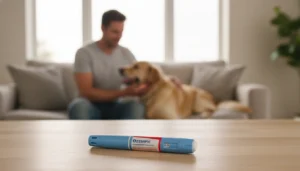
Quick Answer: Yes, Ozempic® is a weekly subcutaneous injection. It is designed to be taken on the same day each week, at any time of day, with or without meals.
How the Weekly Injection Works
The medication is delivered through a subcutaneous injection. This means the needle is very small and only penetrates the fatty tissue just beneath the skin, rather than going into a muscle or vein. Most individuals find this process relatively painless and easy to manage at home after a brief orientation.
There are three primary areas where the weekly shot is typically administered:
- The Abdomen: At least two inches away from the belly button.
- The Thigh: The front or side of the upper leg.
- The Upper Arm: The fleshy back portion of the arm (often easier if someone else is assisting).
It is important to rotate your injection site each week. If you choose the abdomen every time, you should move the needle to a different spot within that area to prevent skin irritation or the buildup of fatty tissue.
Comparing Weekly Injections to Daily Options
While the weekly shot is the most famous version of semaglutide, it is not the only way the medication exists. Understanding the different formats can help you and your healthcare provider decide which approach fits your lifestyle.
| Feature | Ozempic® (Injection) | Rybelsus® (Oral Tablet) |
|---|---|---|
| Frequency | Once Weekly | Once Daily |
| Administration | Subcutaneous Injection | Oral Pill |
| Active Ingredient | Semaglutide | Semaglutide |
| Absorption | Direct into bloodstream | Through the stomach lining |
| Requirements | Same day each week | Empty stomach, 30 min before food |
For many, the weekly shot is preferred because it eliminates the need for strict daily fasting requirements. The oral version, Rybelsus®, must be taken first thing in the morning with no more than four ounces of plain water, and you must wait at least 30 minutes before eating or taking other medications. For a broader look at treatment options, what is the weight loss drug tirzepatide? The weekly injection provides more flexibility in your daily routine.
Why Consistency Matters
Because the medication builds up in your system over several weeks, consistency is vital. When you take the shot on the same day every week, you maintain a “steady state” of the medication in your blood. This steady state is what helps manage hunger signals and blood sugar levels effectively throughout the entire seven-day cycle.
If you occasionally shift your injection day, it is generally manageable, but you should aim for a regular routine. For example, if you usually take your shot on Sunday morning but forget, you can take it as soon as you remember, provided the next scheduled dose is at least two days (48 hours) away.
Key Takeaway: The weekly frequency of semaglutide is possible because the body processes the molecule slowly, allowing for steady appetite suppression without daily dosing.
The Titration Process: Moving Toward Your Goal
You do not start at the maximum dose of a weekly GLP-1 medication. Instead, healthcare providers use a “titration” schedule. This means you start at a very low dose to allow your body to adjust to the medication, and then the dose is gradually increased every four weeks. If you want a deeper breakdown of the dosing process, semaglutide dosing for weight loss is a helpful companion read.
The typical schedule looks like this:
- Weeks 1-4: 0.25 mg once weekly. This “initiation dose” is intended to help your body get used to the medicine and is not usually enough for significant weight changes.
- Weeks 5-8: 0.5 mg once weekly.
- Weeks 9-12: 1.0 mg once weekly.
- Maintenance: If needed, the dose may increase to 2.0 mg once weekly.
This slow ramp-up is specifically designed to minimize side effects like nausea or upset stomach. By giving your digestive system time to adapt to the slower gastric emptying (the speed at which food leaves your stomach), you can often avoid the most common discomforts associated with GLP-1s.
Managing Side Effects on a Weekly Schedule
Because the medication is active in your body for a full week, side effects—if they occur—may also follow a weekly pattern. Some people notice a bit of nausea 24 to 48 hours after their injection, which then subsides as the week progresses. For a more detailed look at the adjustment period, GLP-1 side effects in 2026 is worth reading.
To manage the transition, we often suggest the following:
- Stay Hydrated: Dehydration can worsen nausea and headaches.
- Focus on Protein: Since you will likely eat less, prioritizing high-quality protein helps maintain muscle mass.
- Eat Smaller Meals: Because the medication slows digestion, eating a large meal can lead to significant discomfort or “fullness” that feels overwhelming.
- Inject in the Evening: Some individuals find that taking their weekly shot before bed allows them to sleep through any initial waves of nausea.
If side effects become severe or persistent, it is essential to consult a healthcare provider. They may suggest staying at a lower dose for an extra month or adjusting your diet to better support your treatment.
Is Ozempic Approved for Weight Loss?
It is important to clarify the clinical use of these branded medications. Ozempic® is FDA-approved for the treatment of type 2 diabetes and to reduce the risk of major cardiovascular events in adults with type 2 diabetes and known heart disease. While it often leads to weight loss, that is not its primary FDA-approved indication.
Wegovy® is another brand of semaglutide that is FDA-approved specifically for chronic weight management. It uses the same weekly injection format but often reaches higher maintenance doses than those typically used for diabetes management. If you are trying to figure out whether a prescription program fits your situation, check your eligibility with the free assessment quiz.
At TrimRx, we focus on the broader picture of metabolic health. We recognize that many individuals struggle to access branded medications due to supply shortages or insurance hurdles. This is why our platform connects patients with licensed providers who can prescribe compounded semaglutide when appropriate.
Understanding Compounded Semaglutide
Compounded medications are customized pharmaceutical products prepared by a licensed pharmacist. For a closer look at the qualification process, how to qualify for semaglutide for weight loss is a useful guide. Compounded semaglutide contains the same active ingredient found in branded weekly shots but is prepared in an FDA-registered and inspected compounding pharmacy.
Important Note: Compounded semaglutide is not “FDA-approved” in the same way a branded drug like Ozempic® is. However, compounding is a legal and common practice when a drug is in short supply or when a patient needs a specific formulation not available commercially. These compounded versions are also administered as a weekly subcutaneous injection, following the same titration and dosing principles discussed above.
Preparing for Your Weekly Injection
If you are just starting your journey, preparation can reduce anxiety. You should store your medication in the refrigerator. Before your injection, you can take the pen or vial out of the fridge for about 15–30 minutes to let it reach room temperature, as cold liquid can sometimes feel slightly more uncomfortable during the injection.
Steps for a Successful Weekly Dose:
- Step 1: Wash your hands. Always start with clean hands and a clean injection site (use an alcohol swab).
- Step 2: Check your medication. Ensure the liquid is clear and colorless. Do not use it if it looks cloudy or has particles.
- Step 3: Select your site. Rotate the spot you used last week. If you used the left side of your stomach last week, try the right side this week.
- Step 4: Administer the dose. Follow the specific instructions for your pen or syringe carefully.
- Step 5: Dispose safely. Use a sharps container for used needles to ensure safety for yourself and your household.
What to Do If You Miss a Shot
Life happens, and occasionally you might forget your weekly injection. The general rule for semaglutide is the “5-day rule.”
- If it has been 5 days or less since your scheduled dose, take the missed dose as soon as you remember. Then, take your next dose on your usual scheduled day.
- If it has been more than 5 days since your scheduled dose, skip the missed dose entirely. Take your next dose on your regular scheduled day.
Never take two doses at the same time to make up for a missed one. If you miss two or more doses in a row, you should contact your healthcare provider, as you may need to restart at a lower dose to avoid gastrointestinal side effects.
Why Some People Prefer the Shot Over a Pill
The preference for a weekly shot often comes down to bio-availability and convenience. When you swallow a pill, it must survive the acidic environment of the stomach and be absorbed through the gut wall. This process is highly sensitive to what you have eaten or drunk. For a practical overview of the bigger treatment picture, GLP-1 weight loss programs for beginners can help put the options in context.
The weekly injection bypasses the digestive tract and goes directly into the fatty tissue, where it is slowly absorbed into the bloodstream. This typically results in more consistent levels of the medication in the body. Furthermore, the “set it and forget it” nature of a weekly schedule is often easier to maintain over the long term than a daily pill that requires a 30-minute fasting window every morning.
The Role of Personalized Programs
Successful weight management is rarely about a single medication alone. While the weekly shot is a powerful tool, it works best when integrated into a personalized program. At TrimRx, we believe that medication is just one piece of the puzzle.
Our platform connects you with healthcare providers who look at your entire health profile. This includes your medical history, your goals, and your previous experiences with weight loss. By tailoring the approach, we help ensure that the weekly frequency of your treatment aligns with your metabolic needs. This personalized oversight is especially helpful during the titration phase, where adjusting the dose at the right time is crucial for both safety and results. When you are ready to explore that path, take the free assessment quiz.
Bottom line: The weekly injection format offers a balance of convenience and consistent metabolic support, making it a sustainable option for many adults pursuing long-term health goals.
Lifestyle Support for Your Weekly Routine
When you are on a weekly GLP-1 medication, your relationship with food will change. Because you will feel full faster and stay full longer, the quality of your nutrition becomes more important than the quantity. The GLP-1 Daily Support supplement is designed for readers who want nutritional support during treatment.
We recommend focusing on “nutrient density.” Since your total intake may decrease, every bite should count. Incorporate lean proteins like chicken, fish, or tofu to protect your muscles. Add fiber-rich vegetables to support digestion, which can sometimes slow down on these medications.
Hydration is also a critical part of the weekly cycle. Some people find that their thirst cues diminish along with their hunger cues. Carrying a water bottle and sipping throughout the day can prevent the fatigue and headaches that sometimes accompany weight loss. If you want extra support for energy during the process, the Weight Loss Boost supplement is another option to consider.
Moving Forward with Confidence
Understanding that Ozempic® and other semaglutide options are weekly shots is the first step in demystifying these treatments. The transition from daily struggles to a once-a-week clinical intervention has helped many people regain control over their metabolic health.
Whether you are considering a branded medication like Ozempic® (if you have type 2 diabetes) or exploring compounded semaglutide through a telehealth platform, the key is professional supervision. A licensed provider can help you navigate the dosing, manage any side effects, and ensure the medication is working safely for your body.
TrimRx is committed to providing this level of care through our telehealth-first model. We offer a transparent, science-backed approach that removes the barriers of traditional weight loss clinics. By merging clinical expertise with modern convenience, we help you focus on what really matters: your long-term health and well-being. If you are ready to see whether treatment is a fit, take the free assessment quiz.
FAQ
Can I change the day of the week I take my shot?
Yes, you can change your weekly injection day as long as the time between two doses is at least 48 hours (two days). Once you have chosen a new day, you should continue with that day consistently to maintain the steady state of the medication in your system.
Does the weekly shot need to be taken with food?
No, you can take your weekly injection at any time of day, regardless of your meal schedule. Because the medication is injected subcutaneously rather than swallowed, its absorption is not affected by the presence of food in your stomach.
What happens if I stop taking the weekly shot?
Research suggests that if you stop taking semaglutide without having established permanent lifestyle changes, it is common to regain the weight you lost. Most healthcare providers view these medications as a long-term tool for chronic weight management rather than a short-term fix.
Where is the best place to store my weekly medication?
New, unused pens or vials should be stored in the refrigerator between 36°F and 46°F. Once a pen is in use, it can typically stay at room temperature for up to 56 days, but you should always check the specific instructions provided by the pharmacy or manufacturer.
Disclaimer: This content is for informational purposes only and does not constitute medical advice. It is not intended to diagnose, treat, cure, or prevent any disease or condition. Individual results may vary. Always consult a qualified healthcare professional before starting any weight loss program or medication.

Transforming Lives, One Step at a Time
Keep reading
Can You Take Ibuprofen on Ozempic?
For occasional use in someone who is well hydrated and has healthy kidneys, ibuprofen is generally considered reasonable, and it is worth checking with…

Why Do I Feel Best Two Days After My Ozempic Injection?
Because you are noticing the shape of a weekly dose, and day two often sits in a useful window: the initial side effects have…

Does Pepto Bismol Help Nausea on Ozempic?
Ask your pharmacist before using it, because Pepto Bismol is not the neutral stomach remedy most people assume. Its active ingredient, bismuth subsalicylate, contains…


