Can I Drink Wine While Taking Mounjaro? Safety and Tips
Introduction
Deciding to start a medical weight loss journey is a significant step toward better metabolic health. If you have recently begun a program involving Mounjaro®, a medication primarily used for type 2 diabetes and increasingly for weight management, you likely have questions about how it fits into your existing lifestyle. A common question many of our patients ask is: can I drink wine while taking Mounjaro?
At TrimRx, we believe that sustainable health changes should be informed by science and supported by a clear understanding of how your body reacts to different substances. While there is no direct chemical interaction that makes alcohol strictly “forbidden,” drinking wine can influence your side effects, your blood sugar, and your overall weight loss progress. This post will cover everything you need to know about navigating social settings and enjoying the occasional glass of wine while working toward your health goals. If you want help figuring out whether a prescription program fits your situation, take the free assessment quiz.
How Mounjaro Works and Its Relationship with Alcohol
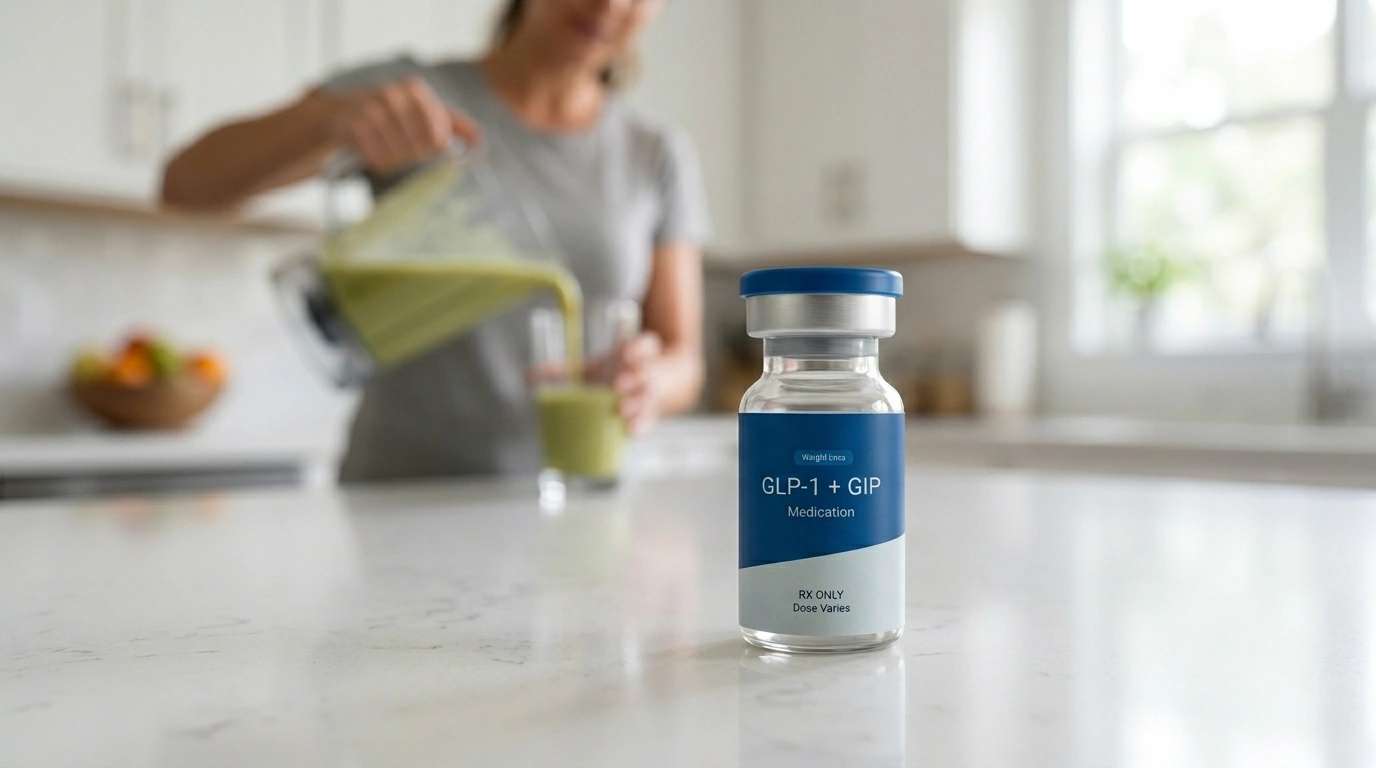
To understand how wine might affect you, it is helpful to first understand how Mounjaro works. The active ingredient is Tirzepatide (ter-ZEP-a-tide). This is a dual agonist, meaning it mimics two different hormones in your body: glucagon-like peptide-1 (GLP-1) and glucose-dependent insulinotropic polypeptide (GIP). Together, these hormones help your body release insulin when needed, reduce the amount of sugar your liver makes, and significantly slow down your digestion. If you want a broader primer on the hormone side of treatment, see What is GLP-1? A 2026 Breakdown from Our Medical Experts.
When we talk about “slowed gastric emptying,” it means that food and liquids stay in your stomach for a much longer period than they used to. This is the primary reason why you feel full sooner and stay full longer. However, this physiological change also dictates how your body processes a glass of wine. Because the wine remains in the stomach longer, it can lead to increased irritation and unpredictable absorption rates.
Key Takeaway: Tirzepatide slows down the rate at which your stomach empties, which can change how quickly you feel the effects of alcohol and how your digestive system reacts to it.
Potential Side Effects When Mixing Alcohol and Tirzepatide
Many individuals taking GLP-1 or GIP medications experience mild gastrointestinal side effects. These often include nausea, bloating, or occasional heartburn. Alcohol, particularly wine, is acidic and can also irritate the lining of the stomach. When you combine the two, you may find that side effects you previously managed well suddenly become much more intense. For a deeper look at these reactions, read Tirzepatide Side Effects: What to Expect and How to Manage.
Increased Nausea and Vomiting
If you already experience waves of nausea as your body adjusts to your medication, a glass of wine might push that feeling over the edge. Because the alcohol sits in the stomach longer due to slowed digestion, the gastric lining is exposed to the alcohol for an extended period. This often leads to increased reports of stomach upset or vomiting, even after just one drink. If you want extra day-to-day nutritional support during treatment, the GLP-1 Daily Support supplement is a simple option.
The Risk of Hypoglycemia
Hypoglycemia is the clinical term for low blood sugar. Tirzepatide is designed to help lower blood sugar levels in a controlled way. Alcohol also has the potential to lower blood sugar, especially if you have not eaten a substantial meal recently. For those taking Mounjaro for type 2 diabetes, the combination can cause blood sugar to drop to unsafe levels. For a fuller guide to alcohol and GLP-1 treatment, see GLP-1 Medications and Alcohol: Does Drinking Affect Results.
Symptoms of low blood sugar to watch for include:
- Dizziness or lightheadedness
- Excessive sweating or “cold sweats”
- Shakiness or tremors
- Confusion or irritability
- Blurred vision
If you are drinking wine, you may mistake these symptoms for simple intoxication, which can be dangerous. It is vital to monitor how you feel closely and never drink on an empty stomach.
Dehydration Concerns
Both GLP-1 medications and alcohol can contribute to dehydration. Tirzepatide can sometimes lead to decreased thirst cues, meaning you might forget to drink enough water throughout the day. Alcohol is a diuretic, which means it encourages your body to lose fluids through urination. If you are already experiencing side effects like diarrhea or vomiting from your medication, adding wine to the mix can lead to severe dehydration much faster than you might expect.
Note: If you experience severe dizziness, dark urine, or a persistent headache after drinking, you may be dehydrated and should consult a healthcare provider.
The Impact of Wine and Alcohol on Weight Loss Results
Beyond the immediate side effects, it is important to consider your long-term goals. Most people using Tirzepatide are focused on improving their metabolic health or achieving a healthy weight. Alcohol can act as a hurdle in several ways. If day-to-day energy support is what you are looking for, the Weight Loss Boost supplement is designed to complement a broader weight loss routine.
“Empty” Calories and Blood Sugar Spikes
Wine, particularly sweet or dessert wines, can be high in sugar and calories. These are often referred to as “empty calories” because they provide no nutritional value—no protein, fiber, or essential vitamins. Even a “dry” wine contains calories that can add up quickly. If your goal is a calorie deficit, regular wine consumption can slow your progress.
Reduced Inhibitions and Food Choices
Alcohol is well-known for lowering inhibitions. This can be particularly challenging when you are trying to rewire your relationship with food. Even if Tirzepatide is helping to reduce your “food noise”—those constant intrusive thoughts about eating—a glass or two of wine might make it much easier to reach for high-calorie, processed snacks that you would otherwise avoid. You can also read our guide on Can You Drink on Tirzepatide? What You Need to Know About Alcohol and Your Treatment.
Metabolic Prioritization
When you consume alcohol, your body views it as a toxin that needs to be cleared. Your liver prioritizes breaking down the alcohol over other metabolic processes, such as burning fat or regulating glucose. Essentially, your fat-burning progress “pauses” while your body deals with the wine you just drank.
Key Takeaway: While a single glass of wine won’t ruin your progress, frequent consumption can stall weight loss by adding extra calories and temporarily halting fat metabolism.
Why Your Cravings for Alcohol Might Change
An interesting phenomenon reported by many people taking Tirzepatide is a sudden lack of interest in alcohol. You may find that you no longer crave that evening glass of wine or that the taste of alcohol has become unappealing.
Research suggests that GLP-1 and GIP receptors are located in parts of the brain responsible for the “reward” system. These medications may “turn down the volume” on the dopamine hit your brain usually gets from things like high-sugar foods or alcohol. For many, this is a welcome side effect that makes it much easier to reduce alcohol intake without feeling like they are missing out.
Myth: “I need to force myself to drink socially so I don’t look out of place.” Fact: Many people on Tirzepatide find their desire to drink naturally diminishes. It is perfectly okay to opt for a sparkling water or mocktail if you find you are no longer enjoying wine.
Safe Guidelines for Social Drinking
If you do choose to have a glass of wine, we recommend following a few simple steps to ensure you stay safe and feel your best.
Step 1: Consult your provider. If you want a deeper overview of alcohol and prescription treatment, start with How to Get on Mounjaro Weight Loss: A Comprehensive Guide.
Step 2: Eat a balanced meal first. Having protein and fiber in your stomach can help stabilize blood sugar and slow the absorption of alcohol.
Step 3: Choose your wine wisely. Opt for dry wines, which typically have less sugar. A dry Sauvignon Blanc or a Pinot Noir is often a better choice than a sweet Riesling or a heavy dessert wine.
Step 4: Practice the “one-for-one” rule. For every glass of wine you have, drink at least 8 to 16 ounces of plain water to combat dehydration.
Step 5: Start very slow. Your tolerance may be significantly lower than it was before you started the medication. Start with half a glass and wait 30 minutes to see how you feel.
When to Consult a Professional
While most people can safely manage an occasional drink, there are times when medical guidance is necessary. You should speak with your healthcare provider if you experience:
- Persistent or severe vomiting after drinking.
- Signs of an allergic reaction.
- Intense abdominal pain that radiates to your back (which could indicate issues with the pancreas).
- Frequent episodes of low blood sugar.
If you are weighing prescription treatment, take the free assessment quiz to see how the program starts.
At TrimRx, our platform connects you with licensed providers who can help you navigate these nuances. We believe that medical weight loss is not just about the medication; it is about the ongoing support and guidance that helps you navigate real-life situations like holidays, dinners, and social gatherings.
Monitoring Your Progress with TrimRx
Every person’s body reacts differently to the combination of Tirzepatide and alcohol. Some may feel no different, while others may find that even a few sips of wine cause significant discomfort. This is why a personalized approach is so important.
Our platform is designed to offer a comprehensive experience. When you take the free assessment quiz, we help match you with a program that fits your unique medical history and lifestyle. Whether you are using a compounded medication prepared in an FDA-registered pharmacy or a branded option like Mounjaro® or Zepbound®, we provide the tools you need to succeed.
We focus on transparency and ease of use. Our programs include doctor consultations and shipping support. We are here to support you in making sustainable choices that last a lifetime, whether that means finding the right balance with social drinking or deciding to cut back on alcohol entirely. If you are ready to see whether a personalized prescription plan is right for you, take the free assessment quiz.
Bottom line: While you can technically drink wine on Mounjaro, doing so in moderation and with careful attention to your body’s signals is essential for safety and success.
FAQ
Does wine make Mounjaro less effective for weight loss?
Alcohol does not stop the medication from working biologically, but it can hinder your results. The extra calories in wine and the fact that alcohol can lower your inhibitions may lead to overeating, which works against your weight loss goals. For a related perspective, see Can You Drink Alcohol While Taking Tirzepatide for Weight Loss?.
Can I drink wine if I am taking Mounjaro for type 2 diabetes?
You should be extra cautious if you have diabetes, as both Mounjaro and alcohol can lower your blood sugar. Combining them increases the risk of hypoglycemia, which can be dangerous if not monitored closely by you and your healthcare provider. If you want help checking whether prescription treatment is a fit, take the free assessment quiz.
How long should I wait after my injection to have a glass of wine?
There is no specific required waiting period, but many people find that side effects are strongest in the 24 to 48 hours following their weekly injection. You may find it more comfortable to wait until later in the week when your body has better adjusted to that week’s dose. If you want to understand the starting process first, see How to Get on Mounjaro Weight Loss: A Comprehensive Guide.
Is white wine better than red wine while on this medication?
Generally, the “best” wine is one that is low in sugar. Dry whites and dry reds are similar in sugar content, but some people find red wine more likely to cause heartburn or acid reflux, which can be exacerbated by the slowed digestion caused by the medication.
Disclaimer: This content is for informational purposes only and does not constitute medical advice. It is not intended to diagnose, treat, cure, or prevent any disease or condition. Individual results may vary. Always consult a qualified healthcare professional before starting any weight loss program or medication.

Transforming Lives, One Step at a Time
Keep reading

Mounjaro Alternatives: What Else to Consider
If Mounjaro isn’t the right fit, the closest alternatives are other GLP-1 medications, chiefly semaglutide (Ozempic for diabetes, Wegovy for weight), along with a…

Mounjaro vs Zepbound: Same Drug, Two Brands
Like their semaglutide counterparts, Mounjaro and Zepbound are the same medication (tirzepatide) sold under two names for two purposes: Mounjaro is approved for type…

Retatrutide vs Mounjaro: Triple Agonist vs Dual Agonist
The core difference between retatrutide and Mounjaro comes down to how many hormone targets each hits: retatrutide activates three receptors, while Mounjaro (tirzepatide) activates…


