What Food to Avoid When Taking Mounjaro for Best Results
Introduction
Starting a new weight loss journey often brings a mix of excitement and uncertainty. You might have finally found a path that feels sustainable, but then the first wave of nausea or a sudden bout of indigestion hits after a meal. If you have been prescribed Mounjaro®, a medication primarily used for type 2 diabetes that is also frequently used for weight management, you are likely realizing that what you eat matters just as much as the medication itself. At TrimRx, we believe that understanding the relationship between your nutrition and your medication is the key to long-term success. While this medication is a powerful tool for metabolic health, certain dietary choices can either amplify your results or trigger uncomfortable side effects. This guide will clarify exactly what food to avoid when taking Mounjaro to help you feel your best while reaching your goals. If you want to see whether a personalized plan is right for you, take the free assessment quiz.
Quick Answer: When taking Mounjaro®, it is best to avoid high-fat fried foods, sugary snacks, refined carbohydrates, and excessive alcohol. These items are more likely to cause severe digestive side effects like nausea and vomiting due to the way the medication slows down digestion.
How Mounjaro® Interacts with Your Digestive System
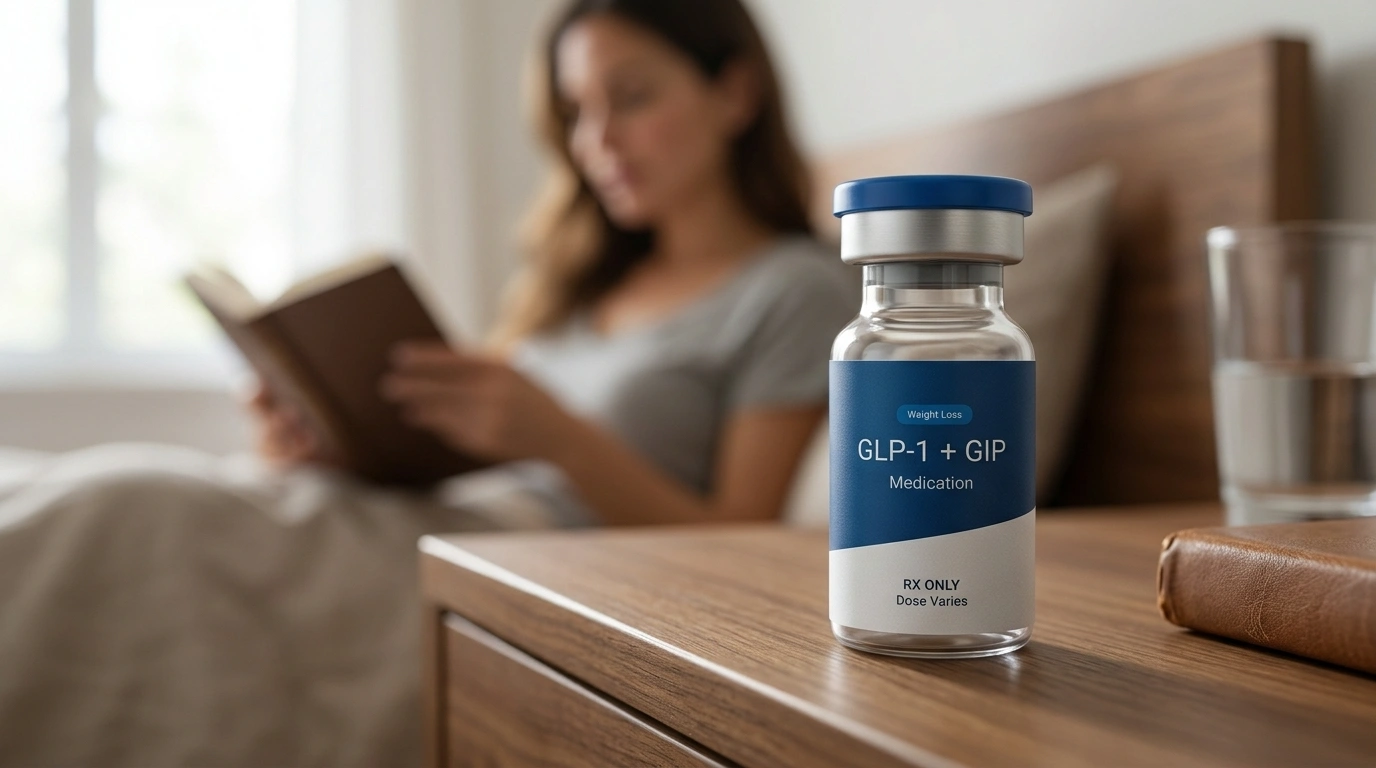
To understand why certain foods cause issues, it is helpful to know how the medication works. Mounjaro is a dual agonist, meaning it mimics two natural hormones in your body: glucagon-like peptide-1 (GLP-1) and glucose-dependent insulinotropic polypeptide (GIP). These hormones play a critical role in how your body handles blood sugar and signals fullness to your brain. For a broader look at how diet choices shape these medications, see our what foods you should avoid while taking GLP-1 guide.
One of the primary ways these “receptor agonists” (medications that mimic natural hormones) work is by slowing down gastric emptying. This means food stays in your stomach for a longer period than it used to. This is a benefit because it helps you feel full longer, but it also means that if you eat foods that are difficult to digest, they sit in your stomach longer, which can lead to bloating, reflux, and nausea.
The Role of GIP and GLP-1
- GLP-1 (Glucagon-Like Peptide-1): This hormone helps the pancreas release the right amount of insulin when blood sugar levels are high. It also slows the rate at which the stomach empties.
- GIP (Glucose-Dependent Insulinotropic Polypeptide): This hormone also supports insulin secretion and may contribute to how the body breaks down fats and regulates energy balance.
Because Mounjaro targets both, it is particularly effective, but it also requires a more mindful approach to eating to avoid overwhelming your digestive tract.
What Food to Avoid When Taking Mounjaro
When you are on a personalized program, the goal is to minimize “friction”—the side effects that might make you want to stop the treatment. Avoiding the following categories can significantly reduce that friction.
1. Fried and Greasy Foods
Fried foods are perhaps the most common trigger for side effects. Because fats already take longer to digest than proteins or carbohydrates, and Mounjaro further delays that process, greasy foods like french fries, fried chicken, and heavy burgers can sit in the stomach for hours. For a fuller breakdown of meal choices, read our GLP-1 diet plan: foods to avoid and include.
Key Takeaway: High-fat, fried foods are the leading cause of “Mounjaro nausea.” Opting for baked, grilled, or steamed versions of your favorite proteins can prevent the heavy, bloated feeling that often follows a high-fat meal.
2. Sugary Foods and Highly Processed Snacks
Sugary items like candy, cakes, soda, and even some fruit juices can cause rapid spikes in blood sugar. Since the medication is working to stabilize your glucose levels, consuming high amounts of refined sugar works against the treatment. Additionally, many patients report that their “sweet tooth” changes while on the medication, and overly sweet foods may even start to taste unpleasant or cause immediate dumping syndrome-like symptoms, such as dizziness or intense nausea.
3. Refined Carbohydrates
Refined carbs—such as white bread, white pasta, flour tortillas, and sugary cereals—are stripped of their fiber. They digest quickly, which can lead to blood sugar fluctuations. While they don’t necessarily sit in the stomach as long as fats, they offer very little nutritional value and can hinder the weight loss process.
4. Carbonated Beverages
Fizzy drinks, including soda and sparkling water, introduce gas into a digestive system that is already moving slowly. This can lead to intense bloating, “sulfur burps” (a common side effect where burps have a distinct egg-like smell), and abdominal discomfort. Many individuals find that sticking to still water or herbal teas makes a significant difference in how their stomach feels throughout the day.
5. Alcohol
While there is no direct “danger” in having a single drink, alcohol can be problematic for several reasons. First, it is a source of empty calories that can stall weight loss. Second, it can irritate the lining of the stomach. Third, and most importantly, both alcohol and Mounjaro® can lower blood sugar. Combining them increases the risk of hypoglycemia (dangerously low blood sugar), especially if you are not eating enough.
6. High-Glycemic Fruits and Raw Vegetables
This category is often surprising. While fruits and vegetables are generally healthy, some can be tough on a “slow” stomach.
- High-Glycemic Fruits: Tropical fruits like mangoes, pineapples, and ripe bananas have high sugar content and may cause the same spikes as processed sweets.
- Cruciferous and Raw Veggies: Broccoli, cauliflower, and cabbage are known for causing gas. When digestion is slowed, that gas can become trapped, leading to painful cramping. Some people find that cooking these vegetables thoroughly makes them much easier to tolerate.
Myth: You have to stop eating all carbohydrates to see results. Fact: Your body still needs energy. The goal is to swap “fast” carbohydrates (white bread) for “slow” carbohydrates (quinoa, oats, beans) that provide fiber and steady energy without the sugar spikes.
Managing Side Effects Through Food Choices
If you find yourself struggling with nausea or indigestion, it might not just be what you are eating, but how you are eating. Many patients find relief by following these simple steps. If you want practical food ideas for that queasy phase, our what to eat when nauseous on GLP-1 medications guide can help.
Step 1: Reduce Portion Sizes Your brain may still think you need a large plate of food, but your stomach can no longer process it at the same speed. Start with half of what you think you want. You can always eat more later if you are truly hungry.
Step 2: Eat Slowly and Chew Thoroughly Digestion begins in the mouth. By chewing your food into a fine paste, you take some of the heavy lifting off your stomach. Aim to spend at least 20 minutes on a meal.
Step 3: Prioritize Protein First To maintain muscle mass during weight loss, protein is essential. Always eat your lean protein (chicken, fish, tofu, beans) first, then your vegetables. If you are full, the less essential items (like starches) are what you leave behind.
Step 4: Stay Hydrated (But Mind the Timing) Dehydration can actually make nausea worse. However, drinking a large glass of water during a meal can overfill the stomach. Try to sip water continuously throughout the day rather than gulping it during mealtime.
Comparing Food Choices for Mounjaro® Success
| Food Category | Better Choices (Go) | Foods to Limit (Caution) | Foods to Avoid (Stop) |
|---|---|---|---|
| Proteins | Chicken breast, fish, lentils, eggs | Lean beef, turkey bacon | Fried chicken, fatty steaks, salami |
| Carbs | Quinoa, brown rice, sweet potato | Whole wheat bread, oats | White pasta, sugary cereals, donuts |
| Vegetables | Spinach, zucchini, cooked carrots | Raw broccoli, kale salads | Fried onions, tempura vegetables |
| Beverages | Water, herbal tea, electrolytes | Coffee (in moderation) | Soda, heavy alcohol, milkshakes |
The Importance of Personalized Guidance
Every person’s body reacts differently to GLP-1 and GIP medications. While one person might tolerate a small amount of fried food, another might find that even a piece of buttery toast causes heartburn. This is why we emphasize the importance of a personalized approach.
Our programs are designed to look at your specific health profile. We provide access to healthcare providers who can help you navigate these dietary changes and adjust your program as your body adapts to the medication. We also offer supplements, such as the GLP-1 Daily Support supplement, which can be useful for those looking to ensure they are meeting their nutritional needs even when their appetite is significantly reduced.
If you’d like to see whether prescription support is a fit, see if you qualify with the free assessment quiz.
Note: If you experience severe, persistent vomiting, intense abdominal pain that radiates to your back, or a total inability to keep liquids down, you should contact your healthcare provider immediately, as these could be signs of a more serious reaction.
Building a Sustainable Lifestyle
The goal of using a medication like Mounjaro® is not just to lose weight quickly, but to use the “quieted” hunger signals to build a new, healthier relationship with food. When the constant “food noise”—the intrusive thoughts about eating—is lowered, you have the mental space to choose foods that actually nourish your body.
Focus on:
- Fiber Intake: To prevent constipation, which is a common side effect of slowed digestion.
- Lean Protein: To keep your metabolism high and protect your muscles.
- Healthy Fats: Using small amounts of olive oil or avocado instead of heavy butter or lard.
Our mission at TrimRx is to provide a platform where science meets empathy. We know that weight loss is not just about willpower; it is about biology. By combining medically supervised programs with practical, day-to-day advice on nutrition, we help you make the most of this modern approach to metabolic health.
Conclusion
Navigating life on Mounjaro® requires a shift in how you view your meals. By steering clear of fried foods, heavy sugars, and refined carbohydrates, you are not just “following a diet”—you are protecting your body from unnecessary side effects and allowing the medication to work at its highest potential. Remember to focus on lean proteins, stay hydrated with still liquids, and listen to your body’s new fullness signals.
Success in this journey is a marathon, not a sprint. Small, consistent choices in your kitchen will eventually lead to the large, sustainable results you are looking for. If you are ready to see how a personalized, medically supervised plan can change your health trajectory, your next step is simple.
Bottom line: Avoiding greasy, sugary, and highly processed foods is the best way to prevent nausea and maximize weight loss while taking Mounjaro.
Ready to start your journey? Start the free assessment quiz today to see which personalized weight loss program is right for you.
FAQ
Can I drink coffee while taking Mounjaro?
Yes, most people can continue to enjoy coffee, but it is important to monitor how your stomach reacts. Coffee is acidic and can worsen heartburn or nausea in some individuals, so you may want to avoid adding heavy creams or high-sugar syrups.
What should I do if I feel nauseous after eating?
If nausea occurs, try switching to bland foods like crackers, plain rice, or ginger tea. Eating smaller, more frequent meals throughout the day instead of three large meals can also help prevent the stomach from feeling overstretched. For a deeper look at why this happens, our tirzepatide side effects: what to expect and how to manage guide goes into detail.
Do I have to avoid all alcohol?
You do not necessarily have to be completely abstinent, but it is highly recommended to limit intake significantly. Alcohol can increase the risk of low blood sugar and gastrointestinal upset, so if you do choose to drink, have only one serving and consume it with a balanced meal.
Are there any fruits I should specifically avoid?
While no fruit is strictly “banned,” high-sugar fruits like pineapple, mango, and grapes should be eaten in moderation. Some people also find that the skins of fruits like apples can be hard to digest when gastric emptying is slowed, so peeling them may help.
Disclaimer: This content is for informational purposes only and does not constitute medical advice. It is not intended to diagnose, treat, cure, or prevent any disease or condition. Individual results may vary. Always consult a qualified healthcare professional before starting any weight loss program or medication.

Transforming Lives, One Step at a Time
Keep reading

Mounjaro Alternatives: What Else to Consider
If Mounjaro isn’t the right fit, the closest alternatives are other GLP-1 medications, chiefly semaglutide (Ozempic for diabetes, Wegovy for weight), along with a…

Mounjaro vs Zepbound: Same Drug, Two Brands
Like their semaglutide counterparts, Mounjaro and Zepbound are the same medication (tirzepatide) sold under two names for two purposes: Mounjaro is approved for type…

Retatrutide vs Mounjaro: Triple Agonist vs Dual Agonist
The core difference between retatrutide and Mounjaro comes down to how many hormone targets each hits: retatrutide activates three receptors, while Mounjaro (tirzepatide) activates…


