How Much Water Should I Drink When Taking Mounjaro?
Introduction
Starting a weight loss journey with Mounjaro® often brings a wave of excitement, but it can also lead to unexpected physical changes. You might notice that your appetite has vanished, or perhaps you feel a persistent dryness in your mouth that wasn’t there before. One of the most common questions we hear from those starting this path is: how much water should I drink when taking Mounjaro? It is a vital question because hydration is the silent partner in your success. At TrimRx, we believe that personalized support is the key to navigating these changes effectively. This article will explain exactly why your fluid intake matters, how much you should aim for daily, and how staying hydrated can help you manage common side effects. Proper hydration ensures your body has the resources it needs to metabolize fat and maintain energy during your treatment.
Quick Answer: Most individuals taking Mounjaro® should aim for 2 to 3 liters (approximately 68 to 100 ounces) of water per day. This amount helps manage gastrointestinal side effects and supports the metabolic processes required for weight loss.
The Relationship Between Tirzepatide and Hydration
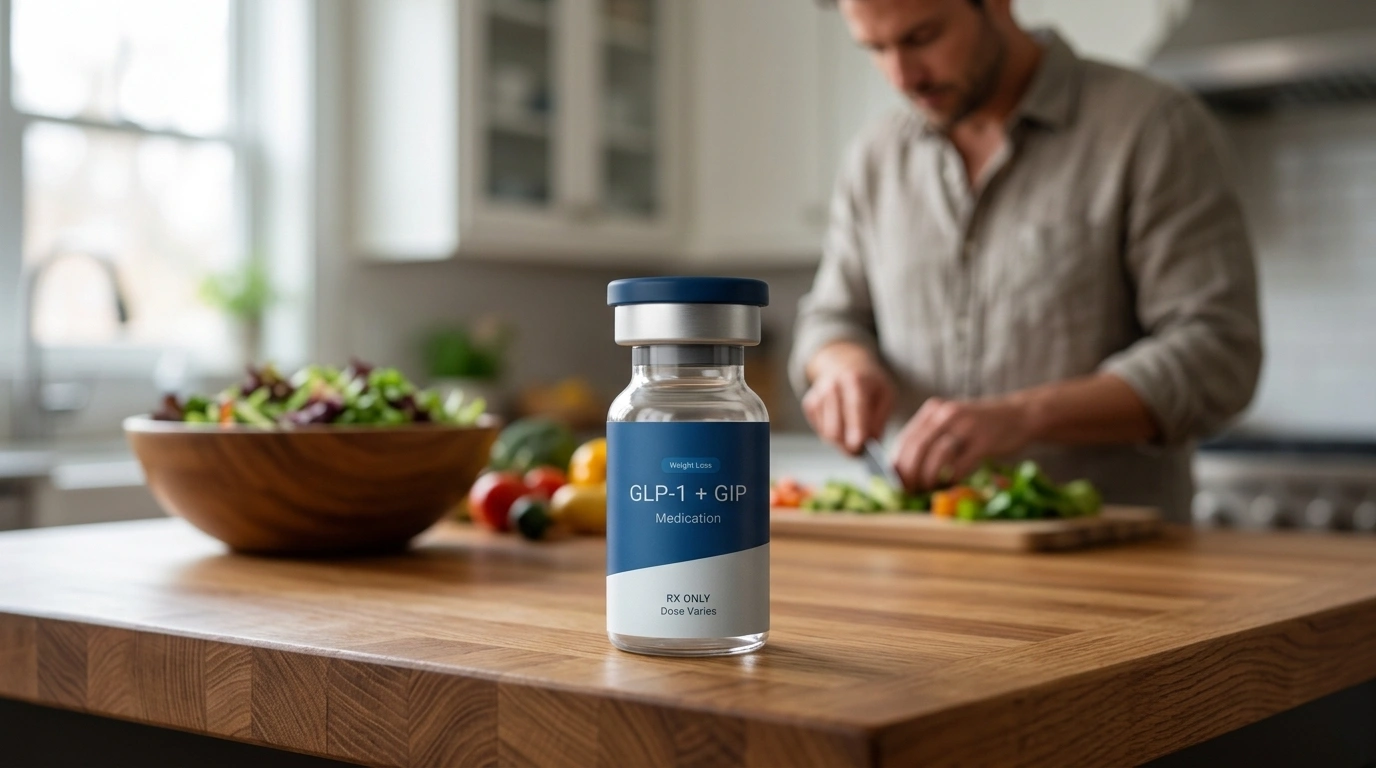
Mounjaro® contains the active ingredient tirzepatide. This medication is a dual agonist, meaning it mimics two different hormones in your body: glucagon-like peptide-1 (GLP-1) and glucose-dependent insulinotropic polypeptide (GIP). These hormones work together to regulate blood sugar, slow down how quickly your stomach empties, and signal to your brain that you are full.
While these mechanisms are excellent for weight management, they can also change how your body handles fluids. Because your stomach empties more slowly, you might feel “full” of water faster than usual, leading you to drink less. Additionally, these medications can sometimes dampen your natural thirst signals. You might not realize you are thirsty until you are already reaching a state of mild dehydration.
Why Your Body Needs More Water Now
When you are actively losing weight, your body is processing stored fat for energy. This metabolic process, known as lipolysis, requires water molecules to break down fats effectively. If you are dehydrated, this process can become less efficient. Furthermore, as fat cells shrink, they release waste products that need to be filtered by your kidneys and flushed out of your system. Adequate water intake ensures your kidneys can perform this “clean-up” duty without unnecessary strain.
How Much Water Should I Drink When Taking Mounjaro?
While everyone’s body is unique, a general evidence-based target is 2 to 3 liters of water per day. This is roughly equivalent to eight to twelve 8-ounce glasses. However, this is not a “one size fits all” number. Several factors can influence whether you need to lean toward the higher end of that range.
Consider these factors for your hydration goals:
- Body Weight: A common rule of thumb is to aim for half your body weight in ounces. For example, a 200-pound individual might aim for 100 ounces of water.
- Activity Level: If you are incorporating more exercise into your routine, you must replace the fluids lost through sweat.
- Climate: Hot or humid weather increases your fluid requirements significantly.
- Dose Adjustments: Many people find that their side effects are more pronounced when they first start or when they increase their dosage. Drinking extra water during these transition periods is highly recommended.
Key Takeaway: Aim for a baseline of 2 liters daily, but listen to your body and increase this to 3 liters if you are active, live in a warm climate, or are experiencing digestive side effects.
For another perspective on individualized fluid goals, review this daily hydration guide for weight loss.
| Hydration Level | Daily Target (Liters) | Best For |
|---|---|---|
| Standard | 2.0 L | Average daily activity, cooler climates |
| Increased | 2.5 L | Moderate exercise, starting a new dose |
| High | 3.0 L+ | Heavy exercise, hot weather, active side effects |
Recognizing the Signs of Dehydration
Since medications like Mounjaro® can suppress your thirst, you cannot always rely on feeling thirsty to know when to drink. It is important to become an expert at reading your body’s other signals.
Common signs that you need more water include:
- Dark Urine: Your urine should ideally be the color of light straw. If it looks like apple juice or is darker, you are likely dehydrated.
- Headaches: Dehydration is a leading cause of tension-type headaches.
- Fatigue: If you feel unusually sluggish or “foggy,” your brain might be reacting to a lack of fluid.
- Dry Mouth: Often described as a “cotton-like” feeling in the mouth.
- Dizziness: Feeling lightheaded when you stand up quickly can indicate low blood volume due to dehydration.
Note: If you experience severe dizziness, fainting, or an inability to keep any fluids down due to vomiting, contact a healthcare provider immediately.
Managing Side Effects Through Hydration
Many of the most common side effects associated with GLP-1 and GIP medications are gastrointestinal. Water plays a starring role in making these symptoms more manageable. For additional guidance, explore this overview of hydration on tirzepatide.
Nausea and Vomiting
Nausea is a frequent companion for those starting Mounjaro®. When you feel nauseous, the idea of drinking a large glass of water can feel overwhelming. However, dehydration actually makes nausea worse. The key is to take small, frequent sips throughout the day rather than gulping down large amounts at once. Some people find that ice-cold water or even sucking on ice chips is easier to tolerate.
For more practical ideas, read this guide to what helps with nausea on Mounjaro.
Constipation
Because tirzepatide slows down gastric emptying (how fast food moves through your digestive tract), constipation can occur. Water is essential for keeping things moving. It softens the stool and helps fiber do its job. Without enough water, any fiber you eat can actually sit in your gut and contribute to further discomfort.
This guide to helping constipation on Mounjaro covers additional hydration and digestion strategies.
Diarrhea
On the opposite end of the spectrum, some individuals experience diarrhea. This leads to a rapid loss of fluids and electrolytes. In these cases, plain water might not be enough. You may need to incorporate an electrolyte solution to replace lost minerals like sodium, potassium, and magnesium.
Myth: I should stop drinking water if I have diarrhea to “slow things down.”
Fact: Stopping water intake during diarrhea is dangerous and leads to rapid dehydration. You must increase fluid and electrolyte intake to replace what is being lost.
The Role of Electrolytes
While water is the primary focus, electrolytes are the “spark plugs” of your body. They are minerals that carry an electric charge and are vital for muscle function, nerve signaling, and balancing the pH levels in your blood.
When you lose weight quickly or experience digestive changes, your electrolyte balance can shift. If you are drinking a large amount of plain water without replacing minerals, you could potentially dilute your body’s natural sodium levels. Incorporating one electrolyte-rich drink a day or adding a pinch of sea salt and lemon to your water can help maintain this balance. This is especially helpful if you are experiencing muscle cramps or persistent headaches.
If diarrhea is a concern, review this guide to managing diarrhea on Mounjaro.
Practical Tips for Staying Hydrated
Knowing you need to drink 2 to 3 liters is one thing; actually doing it is another. When your appetite is low, drinking can feel like a chore. Here are some strategies to make it easier.
1. The “First Thing” Rule
Drink a large glass of water immediately upon waking. Your body has just gone 7 to 9 hours without any fluids. Rehydrating first thing in the morning can jumpstart your metabolism and help clear out the brain fog that often accompanies the start of the day.
2. Use a Tracking App or Marked Bottle
Visual reminders are powerful. Use a reusable water bottle that has time markers on the side. This allows you to see at a glance if you are “on track” for the day. Alternatively, many free smartphone apps can send you a gentle nudge every hour to take a few sips.
3. Infuse Your Water
If plain water feels boring, give it some life. Add slices of cucumber, fresh mint, lemon, or ginger. Ginger is particularly beneficial for those taking Mounjaro® because it has natural anti-nausea properties.
4. “Eat” Your Water
Incorporate hydrating foods into your diet. Many fruits and vegetables have a very high water content.
- Cucumbers (95% water)
- Watermelon (92% water)
- Strawberries (91% water)
- Lettuce and Celery (95% water)
While these don’t replace your water bottle, they provide a much-needed hydration boost along with essential vitamins and fiber.
Why Quality Matters: The TrimRx Approach
At TrimRx, we understand that weight loss is about more than just a prescription. It is about a holistic shift in how you care for your body. Our platform connects you with licensed providers who can help tailor your program to your specific needs, ensuring you have the guidance to manage hydration, nutrition, and medication effectively.
We offer access to compounded tirzepatide and compounded semaglutide, which are prepared in FDA-registered, inspected compounding pharmacies. These options allow for personalized dosing that may help you find the “sweet spot” where you see results without overwhelming side effects. By choosing a telehealth-first approach, we make it easy to get the support you need without the stress of a waiting room.
If you are considering prescription support, complete a free eligibility assessment to begin exploring whether a personalized program may fit your needs.
The Impact of Hydration on Weight Loss Results
Staying hydrated does more than just stop a headache; it may actually accelerate your progress.
Water supports your weight loss in three distinct ways:
- Appetite Regulation: Sometimes the brain confuses thirst signals with hunger signals. By staying hydrated, you may find that you have fewer “false” hunger pangs or cravings.
- Increased Caloric Burn: Some studies suggest that drinking cold water can temporarily increase your resting energy expenditure as your body works to warm the water to body temperature.
- Improved Exercise Performance: Even mild dehydration can make a workout feel twice as hard. When your muscles are well-hydrated, they perform better, allowing you to stay active and preserve lean muscle mass while losing fat.
Bottom line: Water is a metabolic necessity. Drinking 2 to 3 liters a day protects your kidneys, eases digestive side effects, and ensures your body is primed to burn fat efficiently.
How to Get Started
If you are ready to take the next step in your health journey, the process is designed to be simple and supportive.
Step 1: Complete the free assessment.
Visit our website to take a free health assessment quiz. This helps determine your eligibility and allows a provider to review your medical history and goals.
Step 2: Consult with a provider.
A licensed healthcare professional will review your assessment and, if appropriate, write a prescription for a program that fits your health profile. This might include medications like compounded tirzepatide or branded options like Zepbound® or Mounjaro®.
Step 3: Receive your personalized program.
If prescribed, your medication is shipped directly to your door from a licensed pharmacy. Our programs are all-inclusive, meaning your provider consultations, lab work, and shipping are bundled into one transparent experience.
Step 4: Ongoing support.
You aren’t alone once the package arrives. We provide 24/7 access to specialized support to help you manage questions about hydration, side effects, and lifestyle changes.
Conclusion
Hydration is one of the most powerful, yet simplest, tools you have when taking Mounjaro®. By aiming for 2 to 3 liters of water daily, you aren’t just following a rule; you are actively protecting your body and enhancing your results. Water helps clear toxins, keeps your digestion moving, and mitigates the nausea that can sometimes stall progress.
At TrimRx, our mission is to help you embrace a healthier lifestyle through a transparent, science-backed approach. We merge clinical expertise with modern convenience to ensure your weight loss journey is as smooth as possible. Whether you are dealing with dry mouth or just want to ensure you are doing everything right, remember that every sip counts toward your long-term goals.
- Prioritize fluids: Aim for 2-3 liters daily.
- Watch the signs: Monitor urine color and energy levels.
- Be proactive: Sip small amounts even if you don’t feel thirsty.
Your next step is simple. If you are looking for a personalized, medically supervised path to sustainable weight loss, take the free assessment quiz today to see which program is right for you.
FAQ
Can I drink coffee or tea instead of water while on Mounjaro?
While coffee and tea contribute to your total fluid intake, caffeine can act as a mild diuretic, which may increase fluid loss. It is best to use plain water, herbal tea, or infused water as your primary sources of hydration and enjoy caffeinated beverages in moderation. For more guidance on beverage choices, read what to drink on Mounjaro.
Does drinking more water help with Mounjaro nausea?
Yes, staying well-hydrated can significantly reduce the severity of nausea. Dehydration often worsens feelings of queasiness, so taking small, frequent sips of cold water or ginger-infused water can help settle your stomach and keep your fluid levels stable.
What should I do if I can’t drink enough because I feel too full?
Because Mounjaro® slows down your digestion, you may feel physically full very quickly. Instead of trying to drink a large bottle of water at once, try “micro-hydrating” by taking a few sips every 15 to 20 minutes throughout the entire day.
Do I need electrolyte supplements every day?
Most people can get enough electrolytes through a balanced diet, but if you are exercising heavily or experiencing side effects like diarrhea or vomiting, an electrolyte supplement can be very helpful. Always consult with your healthcare provider before adding new supplements to your routine to ensure they are appropriate for your specific health needs.
Disclaimer: This content is for informational purposes only and does not constitute medical advice. It is not intended to diagnose, treat, cure, or prevent any disease or condition. Individual results may vary. Always consult a qualified healthcare professional before starting any weight loss program or medication.

Transforming Lives, One Step at a Time
Keep reading

Mounjaro Alternatives: What Else to Consider
If Mounjaro isn’t the right fit, the closest alternatives are other GLP-1 medications, chiefly semaglutide (Ozempic for diabetes, Wegovy for weight), along with a…

Mounjaro vs Zepbound: Same Drug, Two Brands
Like their semaglutide counterparts, Mounjaro and Zepbound are the same medication (tirzepatide) sold under two names for two purposes: Mounjaro is approved for type…

Retatrutide vs Mounjaro: Triple Agonist vs Dual Agonist
The core difference between retatrutide and Mounjaro comes down to how many hormone targets each hits: retatrutide activates three receptors, while Mounjaro (tirzepatide) activates…


