Can You Drink When Taking Mounjaro?
Introduction
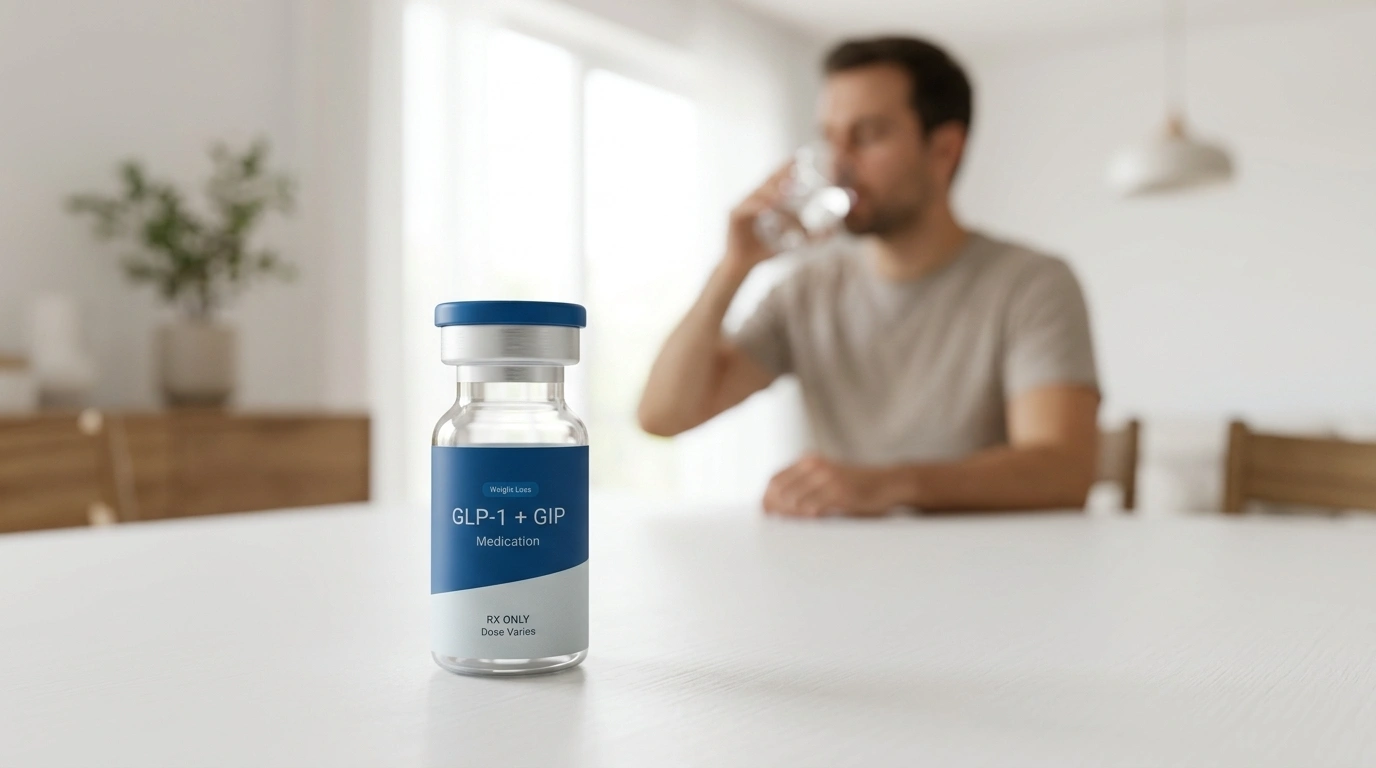
Starting a new weight loss journey often brings up questions about how your daily habits will change. If you have recently started a program involving Mounjaro®, you may wonder if your social life—specifically enjoying a glass of wine or a cocktail—can remain part of your routine. At TrimRx, we believe in a balanced approach to health that focuses on sustainability rather than extreme restriction. While there is no direct medical interaction that makes alcohol strictly “forbidden” while taking this medication, the way your body processes alcohol changes significantly when you are on a GLP-1 and GIP receptor agonist. This article explains how alcohol affects your progress, the potential side effects of mixing the two, and how to stay safe while pursuing your goals. If you are considering a prescription-based path, take the free assessment quiz to see whether a personalized program makes sense for you. We want you to feel empowered to make the best choices for your metabolic health.
Understanding How Mounjaro Affects the Body
To understand the relationship between alcohol and your medication, it is helpful to look at what Mounjaro® actually does. This medication is a dual-receptor agonist. This means it mimics two different hormones in your body: glucagon-like peptide-1 (GLP-1) and glucose-dependent insulinotropic polypeptide (GIP). A helpful breakdown is how GLP-1 actually works for weight loss.
These hormones work together to regulate your blood sugar and influence how your brain perceives hunger. One of the most important effects of this medication is that it slows down gastric emptying. This is the medical term for how fast food and liquids move out of your stomach and into your small intestine. When your stomach empties more slowly, you feel full for longer periods.
However, this slowed digestion also applies to anything else you consume, including alcohol. Because the liquid stays in your stomach longer, the way your body absorbs alcohol can become unpredictable. This can lead to a delayed “hit” from the alcohol or an intensified feeling of intoxication once it finally enters your bloodstream.
Potential Side Effects of Mixing Alcohol and Mounjaro
Many of the side effects of GLP-1 medications are gastrointestinal in nature. Common experiences include nausea, indigestion, and occasional vomiting. Interestingly, alcohol is also a known irritant to the stomach lining. When you combine the two, you may find that your tolerance for both the medication and the alcohol decreases.
Increased Nausea and Vomiting
Because your digestion is slower, alcohol sits in your stomach for an extended period. This can cause irritation and lead to significant nausea. If you are already experiencing mild nausea from your medication, even a small amount of alcohol can push that feeling into active vomiting. This can be particularly uncomfortable and may lead to a cycle of dehydration. For practical ways to ease that, see GLP-1 nausea management strategies.
Dehydration Risks
Both GLP-1 medications and alcohol have a dehydrating effect on the body. Mounjaro® can reduce your thirst cues, meaning you might forget to drink enough water throughout the day. Alcohol is a diuretic, which causes your body to remove fluids from your blood through your renal system at a much faster rate than other liquids. For more context on hydration and metabolism during modern weight loss, hydration matters here.
Key Takeaway: Combining alcohol with a GLP-1 medication significantly increases the risk of severe dehydration. Always prioritize water intake if you choose to consume an adult beverage.
Dizziness and Lightheadedness
Dehydration often leads to a drop in blood pressure, which can manifest as dizziness or feeling faint. If you are already adjusting to a new dose of medication, adding alcohol to the mix can make these sensations much more intense. This is especially true if you are drinking on an empty stomach, which we strongly advise against.
Impact on Your Weight Loss Journey
While safety is the primary concern, most people taking these medications are also focused on reaching a specific weight goal. Alcohol can act as a silent hurdle in your progress for several reasons beyond just the calorie count.
Empty Calories and Nutritional Deficit
Alcoholic beverages provide “empty calories.” This means they offer energy but no vitamins, minerals, or proteins that your body needs to function well. When you are on a personalized program like those offered at TrimRx, your total caloric intake is often lower because your appetite is suppressed. If a significant portion of those calories comes from alcohol, you may not be getting the nutrients required to maintain muscle mass and energy levels. If reduced intake makes it harder to keep up with nutrition, the GLP-1 Daily Support supplement is one option to consider.
Lowered Inhibitions and Food Choices
One of the greatest benefits of tirzepatide—the active ingredient in Mounjaro®—is the reduction in “food noise.” This is the constant internal chatter or cravings for high-calorie, sugary foods. Alcohol is notorious for lowering inhibitions. After one or two drinks, you may find that the mental discipline you have worked hard to build starts to fade. This often leads to late-night snacking or choosing calorie-dense foods that you would otherwise avoid. How GLP-1 medications can help stop food noise explains why that shift can feel so helpful.
Metabolic Prioritization
When you consume alcohol, your liver prioritizes breaking it down because the body views alcohol as a toxin. While your liver is busy processing the alcohol, it temporarily pauses other metabolic processes, including fat burning. Regular alcohol consumption can create a “metabolic bottleneck,” slowing down the rate at which you lose weight even if you are staying within your calorie goals. How to start a weight loss journey that lasts is a useful companion read for building habits that stick.
Quick Answer: You can technically drink alcohol while taking Mounjaro®, but it is not recommended in large quantities. Alcohol can worsen gastrointestinal side effects, increase the risk of low blood sugar, and slow down your weight loss progress by adding empty calories and lowering inhibitions.
Blood Sugar Management and Hypoglycemia
If you are using this medication to manage type 2 diabetes, you must be particularly cautious. Mounjaro® is highly effective at lowering blood sugar levels. Alcohol can also cause blood sugar to drop, especially if consumed on an empty stomach or after heavy exercise.
The Risk of “Low” Blood Sugar
Hypoglycemia, or dangerously low blood sugar, is a serious concern. When you mix a glucose-lowering medication with alcohol, your liver may struggle to release stored glucose into your bloodstream. This can lead to symptoms such as:
- Shakiness and tremors
- Extreme fatigue or lethargy
- Confusion or irritability
- Racing heartbeat
If you have diabetes, it is essential to monitor your glucose levels more frequently if you decide to have a drink. Always consult with your healthcare provider to understand your specific risks based on your medical history and other medications you may be taking.
The “Alcohol Noise” Phenomenon
An interesting trend reported by many patients on GLP-1 and GIP medications is a decreased desire to drink alcohol. Similar to how the medication reduces cravings for sweets or fried foods, many people find that they simply lose interest in alcohol.
Changes in Reward Pathways
Research suggests that these medications may interact with the reward centers in the brain. For some, the “buzz” or pleasure typically associated with drinking is diminished. You might find that you cannot finish a full glass of wine or that the idea of a second drink is unappealing. This can be a helpful side effect for those looking to reduce their alcohol intake as part of a healthier lifestyle.
Reduced Cravings
If you previously used alcohol as a way to cope with stress or as a nightly habit, you might find the habit easier to break while on this medication. This reduction in “alcohol noise” can be a powerful tool in reclaiming your metabolic health and focusing on nutrient-dense choices.
How to Drink Safely: A Step-by-Step Approach
If you decide to enjoy an occasional drink, it is important to do so with a plan. Your body is in a sensitive state while adjusting to these medications, and a little preparation goes a long way.
Step 1: Consult your provider. Before making changes to your lifestyle, speak with the licensed healthcare professional who oversees your treatment. If you want to understand the telehealth intake process, how to get GLP-1 weight loss prescriptions online walks through the steps.
Step 2: Eat a balanced meal first. Never drink on an empty stomach. Ensure you have consumed adequate protein and fiber to help stabilize your blood sugar and protect your stomach lining.
Step 3: Choose lower-sugar options. Avoid sugary mixers, syrups, and heavy craft beers. Opt for clear spirits with soda water or a small glass of dry wine to minimize extra calories and glucose spikes.
Step 4: Practice the one-for-one rule. For every alcoholic beverage you consume, drink at least 16 ounces of plain water. This helps combat the dehydrating effects of both the medication and the alcohol.
Step 5: Listen to your body. Stop at the first sign of discomfort. If you feel nauseated, dizzy, or unusually tired, put the drink down. Your body’s signals are more important than social expectations.
Myth vs. Fact: Alcohol and GLP-1 Medications
Myth: Alcohol completely stops the medication from working.
Fact: Alcohol does not neutralize the medication, but it can counteract the results by adding calories and affecting your metabolism.
Myth: You will get “drunk” instantly on Mounjaro®.
Fact: Because of slowed gastric emptying, the onset of intoxication may actually be delayed, which can lead to drinking too much before you realize how much it is affecting you.
Myth: Compounded versions of these medications are safer to use with alcohol.
Fact: Whether you are using a branded medication or a version prepared by FDA-registered, inspected compounding pharmacies, the active ingredients like tirzepatide interact with alcohol in the same way.
When to Avoid Alcohol Entirely
There are certain points in your journey where total abstinence is the wisest choice. We recommend avoiding alcohol during the following times:
- During the first month: Give your body time to adjust to the medication without additional stressors.
- After a dose increase: When you move to a higher dosage, your side effects may temporarily flare up. Adding alcohol during this window can make the transition much harder.
- If you have a history of pancreatitis: Both alcohol and GLP-1 medications are associated with the pancreas. If you have had pancreatic issues in the past, alcohol should generally be avoided.
- When you are feeling unwell: If you are already struggling with nausea or fatigue, alcohol will only worsen the situation.
Optimizing Your Results with TrimRx
At TrimRx, we focus on the whole person, not just the number on the scale. Our goal is to help you build a lifestyle that feels good and is easy to maintain. This includes understanding how to navigate social situations and celebrations without feeling like you are failing your program. How to start a weight loss journey that lasts is a helpful companion if you want a sustainable framework.
If you find that alcohol is a major part of your social life and you are worried about giving it up, remember that our platform provides 24/7 access to specialists who can help you navigate these transitions.
We offer personalized programs that take your lifestyle into account. If you are ready to see whether a prescription-based program fits your goals, take the free assessment quiz.
Whether you are using Compounded Tirzepatide or are interested in our GLP-1 Daily Support supplement, we are here to guide you toward sustainable success.
If lower calories leave you feeling flat, the Weight Loss Boost supplement fits the conversation around energy support during weight loss.
Note: If you experience severe abdominal pain that radiates to your back, persistent vomiting, or extreme lethargy after drinking, contact a healthcare professional immediately, as these could be signs of a more serious complication.
Choosing the Right Beverages
If you do choose to drink, some choices are better than others for maintaining your progress.
| Drink Type | Calorie Level | Impact on Blood Sugar | Recommendation |
|---|---|---|---|
| Dry White/Red Wine | Moderate | Low | Acceptable in moderation |
| Clear Spirits (Vodka/Gin) + Soda | Low | Low | Best choice for weight loss |
| Light Beer | Moderate | Moderate | Acceptable occasionally |
| Sugary Cocktails (Margaritas) | Very High | Very High | Avoid |
| Craft Beer / Stout | High | High | Limit strictly |
By choosing lower-calorie and lower-sugar options, you can reduce the metabolic load on your body and stay closer to your weight loss targets.
Transitioning to a Healthier Lifestyle
Many people find that as they lose weight and their metabolic health improves, their relationship with alcohol naturally shifts. You might find you have more energy for morning workouts when you skip the evening glass of wine. You may also notice that your sleep quality improves significantly when alcohol is removed from the equation. Maintaining weight loss after tirzepatide can be a helpful read if you want to keep those changes going.
Our mission at TrimRx is to provide the clinical expertise and modern technology needed to make these lifestyle shifts permanent. We believe that weight loss is not just about a prescription; it is about the support and education that comes with it. By choosing a telehealth-first approach, you get the convenience of medical supervision without the stress of in-person visits.
Bottom line: While occasional, moderate alcohol consumption is usually manageable, staying mindful of how it affects your unique body is key to long-term success on Mounjaro®.
Conclusion
Navigating social situations while on a medical weight loss program does not have to be stressful. While you can drink in moderation, being aware of the increased risks of nausea, dehydration, and slowed weight loss is essential. The most successful patients are those who listen to their bodies and prioritize their long-term health over short-term cravings.
At TrimRx, we are committed to helping you embrace a healthier lifestyle through science and empathy. Our personalized programs are designed to meet you where you are, providing the tools and support needed for a successful transformation. If you are ready to take the next step in your health journey, complete the free assessment quiz is the perfect place to start. It helps us understand your health profile and goals so we can recommend the best path forward for you.
FAQ
Can drinking alcohol on Mounjaro® cause pancreatitis?
While the medication itself carries a rare risk of pancreatitis, heavy alcohol consumption is a primary cause of the condition. Combining the two can potentially increase the stress on your pancreas, so it is vital to drink only in moderation and consult your doctor if you have a history of pancreatic issues.
Will one glass of wine ruin my weight loss progress?
A single drink is unlikely to derail your entire journey, but it may temporarily slow down fat burning and add empty calories to your day. The key is consistency with your healthy habits and ensuring that an occasional drink does not lead to poor food choices or chronic dehydration. If you are still deciding whether a personalized program is a fit, take the free assessment quiz.
Why do I feel intoxicated so much faster now?
Although your stomach empties more slowly, which can delay the absorption of alcohol, the medication also changes your metabolism and may reduce your tolerance. Many patients report feeling the effects of alcohol more strongly or experiencing “worse” hangovers than they did before starting treatment.
Is it better to skip my dose if I plan on drinking?
No, you should never skip a dose of your medication to accommodate alcohol consumption. This can disrupt the levels of the medication in your system and lead to more significant side effects when you resume. Always follow the dosing schedule prescribed by your healthcare provider.
Disclaimer: This content is for informational purposes only and does not constitute medical advice. It is not intended to diagnose, treat, cure, or prevent any disease or condition. Individual results may vary. Always consult a qualified healthcare professional before starting any weight loss program or medication.

Transforming Lives, One Step at a Time
Keep reading

Mounjaro Alternatives: What Else to Consider
If Mounjaro isn’t the right fit, the closest alternatives are other GLP-1 medications, chiefly semaglutide (Ozempic for diabetes, Wegovy for weight), along with a…

Mounjaro vs Zepbound: Same Drug, Two Brands
Like their semaglutide counterparts, Mounjaro and Zepbound are the same medication (tirzepatide) sold under two names for two purposes: Mounjaro is approved for type…

Retatrutide vs Mounjaro: Triple Agonist vs Dual Agonist
The core difference between retatrutide and Mounjaro comes down to how many hormone targets each hits: retatrutide activates three receptors, while Mounjaro (tirzepatide) activates…


