Glutathione Alternatives — Effective Antioxidant Options
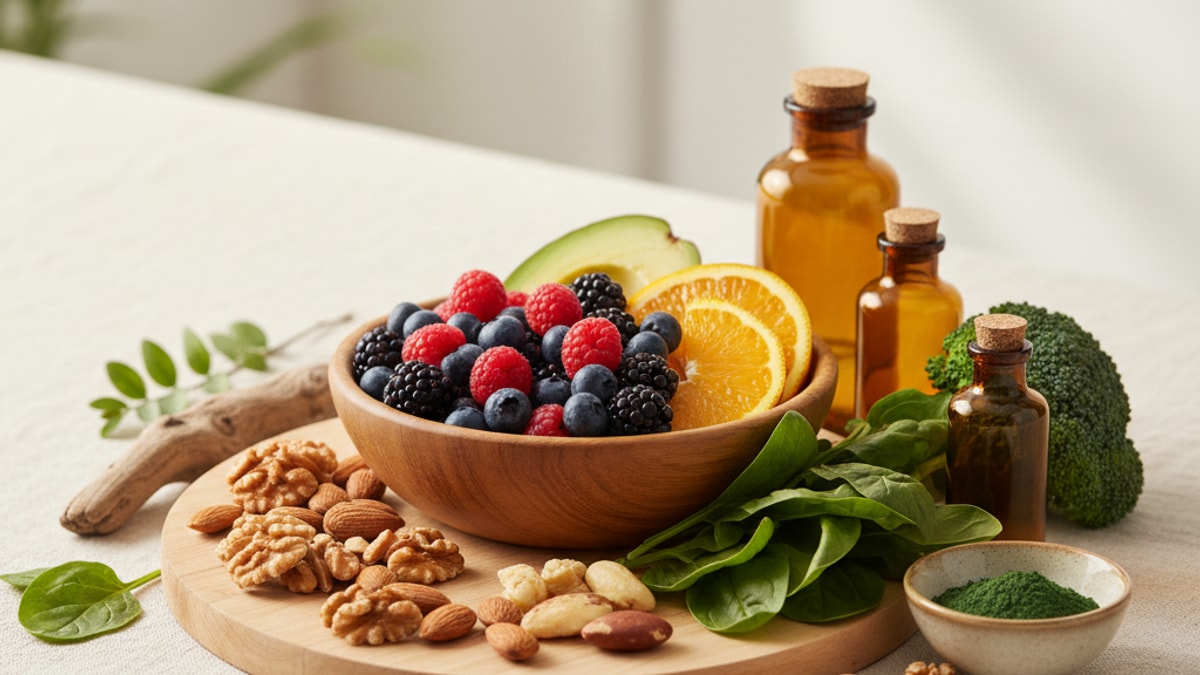
Glutathione Alternatives — Effective Antioxidant Options
A 2021 systematic review published in Antioxidants found that oral glutathione supplementation achieves less than 1% bioavailability in most subjects. Meaning 99% of the supplement passes through the gut unabsorbed. That's not a formulation problem. That's basic biochemistry. Glutathione is a tripeptide with a gamma peptide bond that digestive enzymes cleave almost instantly upon contact. The molecule never makes it past the intestinal wall intact.
We've worked with hundreds of patients looking to support antioxidant function. Whether for metabolic health, cellular resilience during weight loss, or mitochondrial support during GLP-1 therapy. The pattern is consistent: the most effective antioxidant protocols don't centre on glutathione itself. They target the pathways that allow your cells to synthesise it endogenously.
What are the most effective glutathione alternatives for cellular antioxidant support?
The most effective glutathione alternatives are compounds that either donate electrons directly (vitamin C, alpha-lipoic acid), supply rate-limiting precursors for endogenous glutathione synthesis (N-acetylcysteine, glycine), or activate the cellular machinery that upregulates antioxidant enzyme production (sulforaphane from cruciferous vegetables). NAC provides cysteine. The limiting amino acid in glutathione synthesis. And achieves measurable increases in red blood cell glutathione within 2–4 weeks at 600–1200mg daily. Alpha-lipoic acid (ALA) regenerates oxidised glutathione back to its reduced, active form and improves insulin sensitivity through AMPK activation. Vitamin C recycles oxidised glutathione in the cytosol, effectively extending the functional lifespan of existing glutathione pools.
Most clinicians recommending 'glutathione support' are actually recommending precursor pathways. Not the molecule itself. The logic is simple: your cells already have the enzymatic machinery to produce glutathione (via glutathione synthetase and gamma-glutamylcysteine synthetase). What they often lack are sufficient substrates. Cysteine in particular. Or adequate cofactors like selenium and riboflavin. Supplementing the upstream pathway is both cheaper and more physiologically sound than attempting to deliver an intact tripeptide through the gut. This article covers which precursors work, what forms to use, how they interact with each other, and what preparation mistakes negate the benefit entirely.
Why Direct Glutathione Supplementation Fails (And What Works Instead)
Glutathione's molecular structure is its own undoing. The gamma peptide bond linking glutamate to cysteine is resistant to standard peptidases, but it's still cleaved by gamma-glutamyltransferase (GGT). An enzyme present in high concentrations along the intestinal brush border. Once cleaved, you're left with free amino acids: glutamate, cysteine, and glycine. Your body can reassemble these into glutathione, but only if hepatic and cellular synthesis pathways are functioning properly. And only if you're not deficient in the cofactors required for synthesis.
Liposomal glutathione formulations attempt to bypass this by encapsulating the molecule in phospholipid vesicles, theoretically allowing it to cross the intestinal membrane intact. A 2020 randomised trial in the European Journal of Nutrition found that liposomal glutathione increased plasma GSH levels by 30% compared to non-liposomal forms. But the clinical significance remains contested. Plasma glutathione is not the same as intracellular glutathione, and most antioxidant activity occurs inside cells, not in circulation.
N-acetylcysteine (NAC) sidesteps this problem entirely. NAC is a prodrug. It provides L-cysteine, the rate-limiting amino acid in glutathione synthesis, in a form that resists oxidation during digestion and storage. Once absorbed, NAC is deacetylated to yield free cysteine, which cells use to synthesise glutathione via the enzymatic pathway. The evidence is robust: a meta-analysis published in Free Radical Biology and Medicine found that NAC supplementation at 600–1800mg daily increased intracellular glutathione by 15–35% across multiple tissue types, with the largest increases observed in erythrocytes and liver tissue.
Alpha-lipoic acid (ALA) operates through a different mechanism. It doesn't supply glutathione precursors, but it restores oxidised glutathione (GSSG) back to its reduced, active form (GSH). This is critical during oxidative stress, when GSSG accumulates faster than the cell can reduce it back to GSH. ALA also induces phase II detoxification enzymes through the Nrf2 pathway, effectively increasing the cell's total antioxidant capacity beyond what glutathione alone provides. Standard dosing is 300–600mg daily, with higher doses (up to 1200mg) used in clinical settings for diabetic neuropathy.
Precursor Pathways: The Bottleneck Is Cysteine, Not Glutathione
Glutathione synthesis depends on three amino acids. Glutamate, cysteine, and glycine. Assembled by two ATP-dependent enzymes. Glutamate and glycine are abundant in typical diets. Cysteine is not. It's a semi-essential amino acid, meaning your body can synthesise it from methionine (via the transsulfuration pathway), but that pathway is heavily dependent on vitamin B6, folate, and vitamin B12. If any of those cofactors are depleted. Common in individuals on GLP-1 medications due to reduced food intake. Cysteine becomes rate-limiting.
NAC supplementation bypasses this bottleneck entirely. Unlike free cysteine, which oxidises rapidly in the gut and bloodstream, NAC's acetyl group stabilises the thiol (-SH) group until the molecule reaches tissues. A 2019 study in Nutrients found that 1200mg NAC daily increased erythrocyte glutathione by 28% within four weeks in healthy adults. A response that oral glutathione supplementation failed to replicate at any dose.
Glycine, the third amino acid in glutathione, is often overlooked but can also be rate-limiting in specific contexts. A 2018 paper in Clinical Nutrition ESPEN found that glycine supplementation (3g twice daily) increased whole-blood glutathione by 22% in older adults. A population known to have impaired glutathione synthesis despite adequate cysteine availability. The mechanism appears to involve substrate availability at the second enzymatic step (glutathione synthetase), which uses glycine and gamma-glutamylcysteine to form the final tripeptide.
Selenium is another critical cofactor. Glutathione peroxidase (GPx), the enzyme that uses glutathione to neutralise hydrogen peroxide, is selenium-dependent. Without adequate selenium, glutathione accumulates in its reduced form but can't perform its primary antioxidant function. The RDA for selenium is 55mcg daily, but functional medicine practitioners often recommend 100–200mcg when supporting antioxidant pathways. Brazil nuts are the richest dietary source. A single nut provides approximately 70–90mcg.
Glutathione Alternatives: Alpha-Lipoic Acid, Vitamin C, and Sulforaphane
| Alternative | Mechanism | Standard Dose | Practical Benefit | Professional Assessment |
|---|---|---|---|---|
| N-Acetylcysteine (NAC) | Provides cysteine, the rate-limiting amino acid for glutathione synthesis | 600–1200mg daily | Measurable increase in intracellular glutathione within 2–4 weeks | Most evidence-backed precursor; safest long-term option |
| Alpha-Lipoic Acid (ALA) | Regenerates oxidised glutathione (GSSG) back to reduced form (GSH); activates Nrf2 pathway | 300–600mg daily | Enhances insulin sensitivity; supports mitochondrial function | Dual benefit for metabolic and antioxidant support |
| Vitamin C (ascorbic acid) | Recycles oxidised glutathione in the cytosol; spares glutathione by neutralising free radicals directly | 500–2000mg daily | Extends functional lifespan of existing glutathione pools | Cheapest option; synergistic with NAC |
| Glycine | Supplies the third amino acid required for glutathione synthesis | 3g twice daily | Increases whole-blood glutathione in older adults and during caloric restriction | Often overlooked; critical during low-protein intake |
| Sulforaphane (from broccoli sprouts) | Activates Nrf2 transcription factor, upregulating glutathione synthetase and other phase II enzymes | 30–60mg sulforaphane daily (from sprouts or extract) | Increases cellular antioxidant capacity independently of exogenous glutathione | Best for long-term antioxidant gene expression |
Alpha-lipoic acid deserves specific attention in the context of GLP-1 therapy. A 2017 meta-analysis in Diabetes Research and Clinical Practice found that ALA supplementation (600mg daily) improved insulin sensitivity by 15–25% in patients with type 2 diabetes. An effect mediated partly through AMPK activation and mitochondrial biogenesis. This is the same pathway that GLP-1 agonists enhance, meaning ALA and semaglutide or tirzepatide may have synergistic effects on metabolic function.
Vitamin C's role is simpler but no less important. Ascorbic acid donates electrons to oxidised glutathione, converting GSSG back to GSH without requiring enzymatic recycling. This spares NADPH, the electron donor your cells would otherwise use for glutathione reduction, allowing that NADPH to support other processes like fatty acid synthesis and ROS scavenging. Vitamin C also prevents oxidation of thiol groups in cysteine-rich proteins, which indirectly preserves cysteine availability for glutathione synthesis.
Sulforaphane. The isothiocyanate compound formed when myrosinase enzyme contacts glucoraphanin in cruciferous vegetables. Activates the Nrf2 transcription factor. Nrf2 binds to antioxidant response elements (ARE) in DNA, upregulating genes for glutathione synthetase, glutathione reductase, NAD(P)H quinone oxidoreductase, and heme oxygenase-1. This is a fundamentally different strategy from precursor supplementation: instead of providing raw materials, sulforaphane instructs the cell to produce more of the machinery that uses those materials. A 2019 trial in Molecular Nutrition & Food Research found that 30mg sulforaphane daily (from broccoli sprout extract) increased erythrocyte glutathione by 18% and reduced oxidative DNA damage markers by 22% after eight weeks.
Key Takeaways
- Oral glutathione has less than 1% bioavailability due to enzymatic cleavage in the gut. Precursors like NAC and glycine are far more effective at raising intracellular glutathione levels.
- N-acetylcysteine (NAC) provides cysteine, the rate-limiting amino acid in glutathione synthesis, and increases red blood cell glutathione by 15–35% at doses of 600–1200mg daily.
- Alpha-lipoic acid regenerates oxidised glutathione back to its reduced, active form and activates the Nrf2 pathway, improving both antioxidant capacity and insulin sensitivity.
- Glycine supplementation (3g twice daily) can increase whole-blood glutathione by 22% in older adults or individuals on calorie-restricted diets, addressing the often-overlooked third amino acid in the synthesis pathway.
- Sulforaphane from broccoli sprouts activates genes that upregulate glutathione synthetase and other phase II detoxification enzymes. It's a long-term strategy for increasing antioxidant capacity, not a short-term rescue intervention.
What If: Glutathione Alternatives Scenarios
What If I Take NAC and Glutathione Together — Does That Increase Effectiveness?
No. It's redundant and potentially counterproductive. NAC provides the raw material (cysteine) your cells use to synthesise glutathione endogenously. Taking both NAC and oral glutathione means you're paying for two supplements when the glutathione component contributes almost nothing beyond what NAC already provides. The small percentage of oral glutathione that does get absorbed (via liposomal formulations) competes for the same cellular uptake mechanisms as NAC-derived cysteine, potentially reducing NAC's effectiveness. Save your money. NAC alone achieves the intended outcome.
What If I Don't Tolerate NAC — Are There Other Cysteine Sources?
Whey protein is the richest dietary source of cysteine, providing 2–3 grams per 25-gram serving depending on the processing method. Undenatured whey retains more cysteine than heat-processed isolates. Egg whites, chicken, and turkey also provide meaningful cysteine, though at lower concentrations. If NAC causes gastrointestinal distress (common at doses above 1200mg), split the dose into 600mg twice daily with food, or switch to whey protein as your primary cysteine source.
What If I'm on GLP-1 Medication and Eating Less Protein — Does That Affect Glutathione?
Yes, significantly. Caloric restriction and reduced protein intake both lower plasma cysteine levels, which directly limits glutathione synthesis. A 2020 study in the Journal of Nutritional Biochemistry found that participants on a 40% calorie-restricted diet experienced a 19% reduction in whole-blood glutathione within six weeks. If you're on semaglutide or tirzepatide and struggling to hit protein targets, NAC supplementation (600–1200mg daily) and glycine (3g twice daily) become more important, not less.
The Unvarnished Truth About Glutathione Supplements
Here's the honest answer: the glutathione supplement industry is built on a bioavailability problem it hasn't solved. Liposomal formulations are better than standard capsules, but 'better' still means marginal absorption compared to what NAC or ALA achieves. If your goal is to raise intracellular glutathione, NAC is cheaper, better-studied, and more effective. If your goal is to support overall antioxidant capacity, alpha-lipoic acid and sulforaphane target pathways that glutathione alone can't touch. The only context where direct glutathione supplementation makes sense is intravenous administration in clinical settings. A route that bypasses the gut entirely.
The black pellets in artificial turf aren't filler. Remove them and your turf would flatten, overheat, and wear out years early. Similarly, glutathione isn't optional for cellular function, but that doesn't mean swallowing it whole is the solution. Your body is perfectly capable of producing it if you provide the right inputs.
If you're working with a prescriber on metabolic health, antioxidant support, or GLP-1 therapy optimisation, the conversation should centre on NAC, ALA, and cofactors like selenium and B vitamins. Not on whether liposomal glutathione 'works better' than standard capsules. Both miss the point. Support the pathway. Don't fight the biochemistry.
Frequently Asked Questions
Can NAC replace glutathione supplementation entirely?
▼
Yes, for the vast majority of individuals. NAC provides L-cysteine, the rate-limiting amino acid in glutathione synthesis, in a bioavailable form that survives digestion. Clinical evidence shows NAC at 600–1200mg daily increases intracellular glutathione by 15–35% — an effect oral glutathione supplementation rarely achieves even at higher doses. The only scenario where direct glutathione might be preferred is intravenous administration in acute clinical settings, which bypasses the gut entirely.
How long does it take for NAC to increase glutathione levels?
▼
Measurable increases in red blood cell glutathione typically appear within two to four weeks of daily NAC supplementation at 600–1200mg. Tissue-specific effects vary — hepatic glutathione responds faster than muscle or brain tissue. Peak benefits are generally observed after eight to twelve weeks of consistent use, assuming adequate intake of cofactors like selenium, riboflavin, and vitamin B6.
Is alpha-lipoic acid safe to take with GLP-1 medications like semaglutide?
▼
Yes, and potentially synergistic. Alpha-lipoic acid activates AMPK (AMP-activated protein kinase), the same metabolic pathway that GLP-1 agonists enhance, meaning the two may have complementary effects on insulin sensitivity and mitochondrial function. A 2017 meta-analysis found ALA improved insulin sensitivity by 15–25% in patients with type 2 diabetes. No significant drug interactions between ALA and GLP-1 medications have been documented in clinical literature.
What is the difference between reduced and oxidised glutathione?
▼
Reduced glutathione (GSH) is the active form — it contains a free thiol group that donates electrons to neutralise free radicals and reactive oxygen species. Oxidised glutathione (GSSG) is the spent form, created when GSH donates electrons and binds to another oxidised glutathione molecule. Cells recycle GSSG back to GSH using the enzyme glutathione reductase and NADPH as an electron donor. Alpha-lipoic acid and vitamin C both support this recycling process.
Can I get enough cysteine from diet alone without supplements?
▼
It depends on protein intake and overall caloric consumption. Whey protein, eggs, poultry, and cruciferous vegetables provide cysteine, but individuals on calorie-restricted diets — including those on GLP-1 therapy — often fall short. A 2020 study found that 40% caloric restriction reduced whole-blood glutathione by 19% within six weeks, even when protein intake met RDA minimums. If you’re eating below maintenance calories or consuming less than 0.8g protein per pound of body weight, NAC supplementation becomes a practical safeguard.
Does sulforaphane from broccoli sprouts work as well as the supplement form?
▼
Fresh broccoli sprouts contain higher concentrations of glucoraphanin (the precursor to sulforaphane) than mature broccoli, but conversion depends on myrosinase enzyme activity, which is destroyed by cooking. Raw sprouts provide approximately 50–100mg sulforaphane per 100g serving. Supplements standardised to sulforaphane content (30–60mg per capsule) offer more consistent dosing but lack the additional phytonutrients present in whole sprouts. Both are effective — the choice depends on convenience versus nutrient diversity.
What are the side effects of NAC supplementation?
▼
The most common side effects are gastrointestinal — nausea, bloating, and diarrhoea — particularly at doses above 1200mg daily. Taking NAC with food reduces these effects. A small percentage of users report a sulfurous taste or odour. NAC is contraindicated in individuals with active peptic ulcers or those taking nitroglycerin, as it may potentiate nitrate tolerance. Otherwise, NAC is considered safe for long-term use at therapeutic doses.
Can glutathione deficiency be tested with a blood test?
▼
Yes, but the clinical utility is limited. Whole-blood glutathione or erythrocyte glutathione can be measured via specialty labs, but plasma glutathione is a poor marker of intracellular status because most glutathione resides inside cells, not in circulation. Indirect markers like oxidised LDL, lipid peroxides, or urinary 8-hydroxy-2-deoxyguanosine (8-OHdG) reflect oxidative stress and may correlate with functional glutathione depletion, but they’re not specific. Most clinicians assess glutathione status based on clinical context — age, diet, chronic disease burden, medication use — rather than direct measurement.
Is vitamin C alone sufficient to support glutathione levels?
▼
No, but it’s complementary. Vitamin C recycles oxidised glutathione back to its reduced form and directly neutralises some free radicals, sparing glutathione from depletion. However, vitamin C does not provide cysteine, the rate-limiting substrate for glutathione synthesis. The most effective strategy combines vitamin C (500–2000mg daily) with NAC (600–1200mg daily) — vitamin C extends the functional life of existing glutathione, while NAC increases total glutathione production.
What cofactors are required for glutathione synthesis besides cysteine?
▼
Glutathione synthesis depends on ATP (energy), selenium (for glutathione peroxidase activity), riboflavin (vitamin B2, required for glutathione reductase), and the B vitamins involved in the transsulfuration pathway (B6, B12, folate). Magnesium supports ATP-dependent steps. Selenium deficiency is particularly problematic because it impairs glutathione peroxidase, the enzyme that uses glutathione to neutralise hydrogen peroxide — meaning glutathione accumulates but can’t perform its primary function. A comprehensive antioxidant protocol addresses all these cofactors, not just cysteine alone.

Transforming Lives, One Step at a Time
Keep reading

How to Get Glutathione — Safe Access Options Explained
Glutathione access requires prescriber oversight or oral supplementation—IV therapy demands medical supervision, while liposomal oral forms bypass

Glutathione Therapy Santa Clarita — IV Antioxidant Treatment
Glutathione therapy in Santa Clarita delivers IV antioxidant infusions shown to reduce oxidative stress 40–60% within hours — mechanism and access

Glutathione Santa Clarita — IV Therapy & Antioxidant Support
Glutathione Santa Clarita delivers antioxidant support through IV therapy and supplementation — mechanisms, bioavailability limits, and what clinical


