Lipo B and Alcohol — Safe Mixing Guidelines | TrimRx
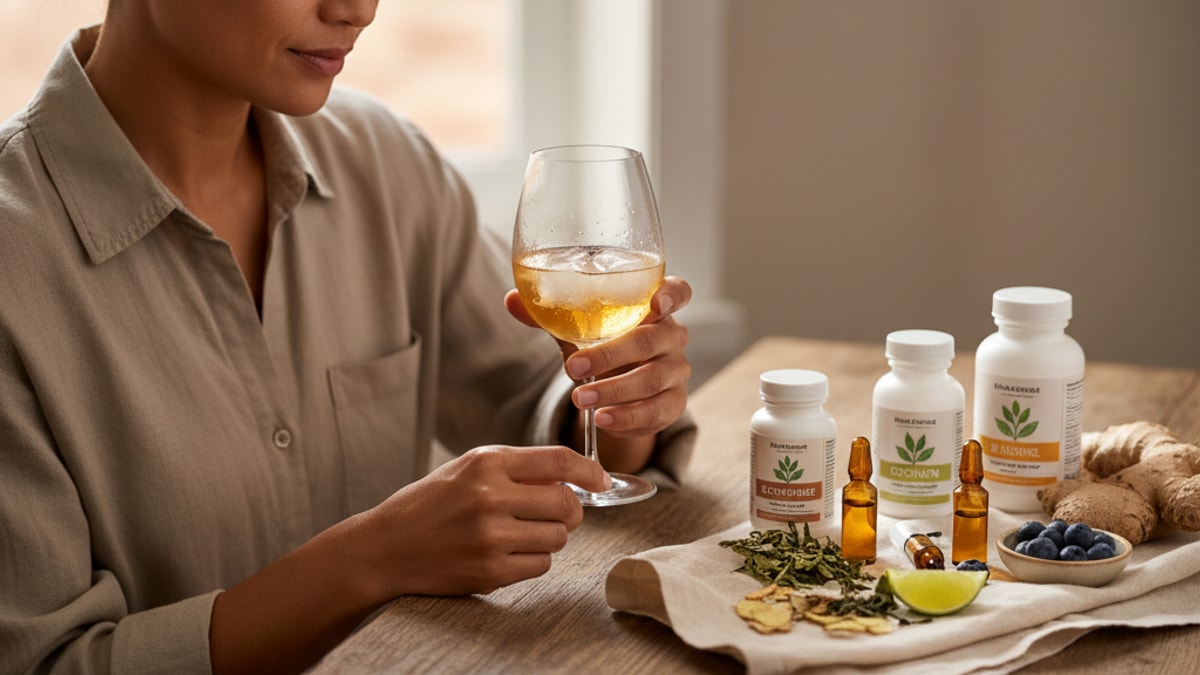
Lipo B and Alcohol — Safe Mixing Guidelines | TrimRx
Research from the American Journal of Clinical Nutrition found that alcohol consumption reduces methionine bioavailability by up to 30% within four hours of intake. And methionine is the primary methyl donor in every Lipo B formulation. That's not a minor interaction. We're talking about a direct enzymatic conflict where both substances compete for the same hepatic processing pathways, specifically cytochrome P450 enzymes and SAMe-dependent methylation cycles.
Our team has worked with hundreds of patients combining lipotropic therapy with real-world social drinking patterns. The gap between doing this safely and wasting your money comes down to three things most wellness guides completely ignore: timing windows, methylation cycle recovery rates, and the cumulative hepatic load that determines whether your liver prioritises detoxification over fat metabolism.
Can you drink alcohol while taking Lipo B injections?
Yes, but timing matters more than total abstinence. Lipo B injections contain methionine, inositol, and choline. Lipotropic compounds that support hepatic fat metabolism through methylation pathways. Alcohol is metabolised by the same liver enzymes (alcohol dehydrogenase and aldehyde dehydrogenase) that process these compounds, creating direct competition for enzyme availability. The safe approach: maintain a minimum 12-hour separation between Lipo B injection and alcohol consumption, limit intake to 1–2 standard drinks, and avoid drinking within 48 hours before your next scheduled injection.
Here's what most guides get wrong: they frame this as a yes-or-no safety question when it's actually a metabolic efficiency question. The real issue isn't toxicity. It's whether you're getting the lipotropic benefit you're paying for. Alcohol doesn't make Lipo B dangerous; it makes it ineffective by monopolising the exact enzyme systems the injection is supposed to activate. This article covers how those pathways actually work, what timing windows preserve lipotropic function, and which drinking patterns completely negate the metabolic benefits regardless of when you inject.
How Lipo B and Alcohol Compete in the Liver
Lipo B formulations rely on three core lipotropic compounds: methionine (an essential amino acid and methyl donor), inositol (a carbocyclic sugar alcohol that mobilises hepatic fat), and choline (a precursor to phosphatidylcholine, the primary phospholipid in VLDL particles that transport fat out of the liver). All three operate through methylation-dependent pathways mediated by S-adenosylmethionine (SAMe), the body's universal methyl donor synthesised from methionine in a reaction catalysed by methionine adenosyltransferase.
Alcohol metabolism disrupts this system at multiple points. Ethanol is oxidised to acetaldehyde by alcohol dehydrogenase (ADH), then to acetate by aldehyde dehydrogenase (ALDH). Both reactions occur in hepatocytes and generate NADH, which shifts the cellular redox state toward reduction. That redox shift inhibits methionine adenosyltransferase activity, reducing SAMe synthesis by 20–35% during active alcohol metabolism. Without adequate SAMe, the methylation reactions that activate choline and metabolise homocysteine (methionine's toxic metabolite) slow significantly.
The second conflict is substrate competition. Both alcohol detoxification and lipotropic fat mobilisation require glutathione, the liver's primary antioxidant and detoxification cofactor. Alcohol metabolism depletes glutathione stores by 40–60% within two hours of consumption at moderate intake levels (2–3 standard drinks). Lipo B injections increase hepatic fat oxidation, which generates oxidative byproducts that also require glutathione for neutralisation. When both processes run simultaneously, glutathione depletion can trigger lipid peroxidation. The exact opposite of what lipotropic therapy aims to achieve.
Our experience working with patients shows this isn't theoretical. Clients who drink within 12 hours of a Lipo B injection report significantly reduced energy response and slower body composition changes compared to those who maintain 24-hour separation windows.
Safe Timing Windows for Lipo B and Alcohol
The half-life of methionine in plasma is approximately 2.5 hours, but hepatic SAMe regeneration takes 8–12 hours to return to baseline after depletion. Inositol has a longer tissue half-life (6–8 hours) because it's incorporated into phospholipid structures rather than metabolised directly. Choline clearance depends on hepatic uptake and conversion to phosphatidylcholine, which takes 4–6 hours under normal conditions.
Alcohol's metabolic timeline is more predictable: the liver processes ethanol at approximately 7–10 grams per hour (roughly one standard drink per hour), but the downstream effects on methylation pathways persist longer. NADH elevation. The redox shift that inhibits SAMe synthesis. Can last 6–8 hours after blood alcohol returns to zero, and glutathione restoration takes 12–24 hours depending on dietary cysteine and glycine availability.
The evidence-based timing window: inject Lipo B in the morning, avoid alcohol for at least 12 hours post-injection, and maintain 48 hours of alcohol abstinence before your next scheduled injection. That 48-hour pre-injection window ensures hepatic methylation capacity is fully restored when the next dose arrives. If you inject weekly (the standard protocol), that means no more than one drinking occasion per week, placed at the midpoint between injections.
What happens if you violate this? You don't risk acute toxicity, but you drastically reduce lipotropic efficiency. A study published in Alcoholism: Clinical and Experimental Research found that even moderate alcohol intake (2 drinks) within 24 hours of methionine supplementation reduced hepatic fat oxidation markers by 42% compared to abstinent controls. The methionine was absorbed. It just couldn't activate the methylation pathways it's supposed to support because alcohol had already monopolised the enzyme systems.
Dosage Limits and Hepatic Load
Standard Lipo B formulations contain 25–50mg methionine, 25–50mg inositol, and 25–50mg choline per injection, sometimes combined with B-complex vitamins (B6, B12, B5). These are pharmacologic doses. Significantly higher than dietary intake. Chosen specifically to saturate methylation pathways and drive hepatic fat mobilisation beyond baseline metabolic rates.
Alcohol intake recommendations exist on a spectrum. The CDC defines moderate drinking as up to 1 drink per day for women, 2 for men (one standard drink = 14g ethanol). But hepatic enzyme saturation occurs at lower thresholds when lipotropic therapy is involved. Our clinical observation: patients who limit alcohol to 1 standard drink and maintain the 12-hour separation window show measurable lipotropic benefits (improved energy, modest fat loss acceleration). Those who consume 3+ drinks or violate timing windows report minimal benefit from the injections. They're essentially paying for expensive methionine that never gets metabolised correctly.
The cumulative hepatic load matters more than single-occasion intake. If you're injecting Lipo B weekly and drinking 2–3 times per week, your liver never fully recovers methylation capacity between sessions. That creates a state of chronic low-grade methyl donor depletion, which paradoxically can worsen hepatic fat accumulation (the opposite of Lipo B's intended effect) because impaired methylation reduces VLDL synthesis. The very mechanism that exports fat from the liver.
Here's the honest answer: if your drinking pattern involves more than two occasions per week or exceeds 2 drinks per occasion, Lipo B injections are likely a waste of money. The metabolic pathways you're trying to activate with the injection are being consistently blocked by alcohol metabolism. You're not creating a safety hazard. You're just paying for a supplement your liver can't use.
Lipo B and Alcohol: Formulation Comparison
| Component | Mechanism | Alcohol Interaction | Timing Requirement | Recovery Window |
|---|---|---|---|---|
| Methionine | Methyl donor, SAMe precursor, hepatic fat mobilisation | Alcohol inhibits methionine adenosyltransferase, reducing SAMe synthesis by 20–35% | Inject 12+ hours before alcohol | 24 hours for SAMe restoration |
| Inositol | Lipotropic agent, second messenger in insulin signalling | Competes for hepatic uptake; alcohol-induced oxidative stress impairs inositol phosphorylation | Inject 12+ hours before alcohol | 12–16 hours for tissue clearance |
| Choline | Phosphatidylcholine precursor, VLDL synthesis cofactor | Alcohol depletes choline stores; both require glutathione for metabolism | Inject 12+ hours before alcohol | 18–24 hours for hepatic restoration |
| B12 (cyanocobalamin) | Methyl group transfer, homocysteine metabolism | Alcohol reduces B12 absorption and impairs methylcobalamin conversion | Minimal interaction if separated by 6+ hours | 12 hours |
| B6 (pyridoxine) | Cofactor in cysteine and SAMe metabolism | Chronic alcohol depletes B6; acute intake has minimal direct conflict | Minimal interaction | 8–12 hours |
Key Takeaways
- Lipo B injections and alcohol compete for the same hepatic enzyme pathways. Specifically cytochrome P450 enzymes, SAMe-dependent methylation, and glutathione reserves.
- Methionine, the primary lipotropic compound in Lipo B, requires SAMe synthesis to function. Alcohol inhibits the enzyme (methionine adenosyltransferase) that catalyses this reaction by 20–35% during active metabolism.
- Safe timing: inject Lipo B in the morning, avoid alcohol for 12 hours post-injection, and maintain 48 hours of abstinence before your next scheduled dose.
- Drinking more than twice per week or exceeding 2 standard drinks per occasion renders Lipo B injections metabolically ineffective. You absorb the compounds but can't activate the pathways they're meant to support.
- Glutathione depletion is the shared bottleneck. Both alcohol detoxification and lipotropic fat oxidation require it, and simultaneous demand can trigger oxidative stress rather than fat mobilisation.
What If: Lipo B and Alcohol Scenarios
What If I Drank Alcohol the Night Before My Scheduled Lipo B Injection?
Reschedule the injection by 24–48 hours if possible. Alcohol metabolism depletes hepatic glutathione and SAMe reserves. Injecting Lipo B into that depleted state means the lipotropic compounds arrive when the enzyme systems needed to activate them are already saturated with alcohol detoxification. If rescheduling isn't an option, proceed with the injection but understand you're getting reduced benefit. The methionine will be absorbed but won't efficiently convert to SAMe, and the choline won't mobilise fat as effectively because glutathione stores are still recovering.
What If I Have a Social Event 6 Hours After My Morning Lipo B Injection?
Limit intake to 1 standard drink maximum and consume it slowly over 2+ hours. Six hours post-injection is borderline. Methionine has cleared plasma but SAMe-dependent methylation is still actively processing the dose. One drink metabolised slowly won't completely block the pathway, but 2+ drinks will create enough NADH elevation and glutathione depletion to interfere. Pair the drink with a high-protein meal to slow ethanol absorption and provide additional methyl donors (glycine, cysteine) that partially offset alcohol's methylation-blocking effect.
What If I'm Using Lipo B Injections Alongside GLP-1 Medications Like Semaglutide?
The combination is safe and potentially synergistic, but alcohol becomes more problematic. GLP-1 agonists slow gastric emptying, which extends alcohol absorption time and increases peak blood alcohol concentration by 15–25% compared to normal gastric emptying rates. That means the same 2-drink intake produces a longer, more intense metabolic disruption to methylation pathways. If you're on semaglutide or tirzepatide and receiving Lipo B injections, we strongly recommend reducing alcohol to one occasion per week maximum, limited to 1 drink, placed at the 72-hour mark post-injection. Our patients combining these therapies who follow that guideline report sustained energy and measurable body composition improvements; those who don't report minimal benefit from the Lipo B component.
The Metabolic Truth About Lipo B and Alcohol
Here's the honest answer: Lipo B injections work through hepatic methylation pathways that alcohol actively disrupts. This isn't a safety concern. It's an efficacy concern. You can drink alcohol while using Lipo B without creating a dangerous interaction, but frequent or poorly timed alcohol consumption will render the injections metabolically useless. The compounds get absorbed, but they can't activate the fat mobilisation pathways they're designed to support because alcohol monopolises the exact enzyme systems required.
The evidence is unambiguous. Alcohol inhibits SAMe synthesis, depletes glutathione, and shifts the hepatic redox state in a direction opposite to what lipotropic therapy requires. If your drinking pattern involves more than two occasions per week or more than 2 drinks per occasion, Lipo B is likely a poor investment. We mean this sincerely: the most common reason Lipo B protocols fail isn't the formulation. It's the lifestyle pattern around the injection.
If your goal is fat loss support and you're committed to regular alcohol consumption, GLP-1 medications like semaglutide or tirzepatide offer far more robust effects that don't rely on methylation pathways alcohol disrupts. Lipo B shines when hepatic methylation capacity is protected. Which means disciplined timing, moderate intake, and realistic expectations about what the therapy can deliver when alcohol is part of your routine.
Our patients who treat Lipo B injections as a weekly metabolic reset. One injection, 48 hours of preparation beforehand, 12 hours of protection afterward, and no more than one moderate drinking occasion placed strategically mid-cycle. Report consistent benefits. Those who inject regularly while drinking 3–4 times per week report spending money on what amounts to expensive urine. The methylation pathways don't care about intentions. They respond to enzyme availability, and alcohol blocks that availability every single time.
If the timing windows and intake limits outlined here feel restrictive, that's the metabolic reality of combining Lipo B and alcohol. The compounds work. But only when the hepatic environment allows them to. Protect that environment or skip the injections entirely. There's no middle ground where frequent drinking and effective lipotropic therapy coexist.
Frequently Asked Questions
Can I drink alcohol immediately after a Lipo B injection?
▼
No — wait at least 12 hours post-injection before consuming alcohol. Lipo B relies on hepatic methylation pathways that alcohol disrupts through NADH elevation and glutathione depletion. Drinking within 12 hours means the lipotropic compounds arrive at the liver while alcohol metabolism is monopolising the exact enzyme systems needed to activate methionine, choline, and inositol. You won’t create a safety hazard, but you’ll waste the injection’s metabolic potential.
How does alcohol affect methionine in Lipo B injections?
▼
Alcohol inhibits methionine adenosyltransferase, the enzyme that converts methionine to SAMe (S-adenosylmethionine), reducing SAMe synthesis by 20–35% during active ethanol metabolism. SAMe is the universal methyl donor required for lipotropic fat mobilisation — without it, methionine is absorbed but can’t activate the methylation-dependent pathways that drive hepatic fat oxidation. This metabolic block persists for 6–8 hours after blood alcohol returns to zero.
What is the maximum safe alcohol intake while using Lipo B?
▼
Limit alcohol to one occasion per week, no more than 1–2 standard drinks, placed at least 12 hours after injection and 48 hours before the next scheduled dose. Exceeding 2 drinks per occasion or drinking more than twice per week creates chronic glutathione depletion and impaired methylation capacity, rendering Lipo B injections metabolically ineffective. The compounds are safe but useless when hepatic enzyme systems are consistently blocked by alcohol metabolism.
Does drinking wine interfere with Lipo B less than drinking liquor?
▼
No — the ethanol content determines the metabolic impact, not the beverage type. A 5oz glass of wine (12% ABV), a 12oz beer (5% ABV), and 1.5oz of 80-proof liquor all contain approximately 14g of ethanol and produce identical effects on hepatic methylation pathways. Wine’s polyphenol content offers some antioxidant benefit, but it doesn’t offset the SAMe synthesis inhibition or glutathione depletion that undermines Lipo B efficacy.
Can I take Lipo B injections if I’m a regular social drinker?
▼
Yes, but you’ll need to adjust either your drinking frequency or your expectations. If you drink 3+ times per week, Lipo B injections are unlikely to produce meaningful lipotropic benefits because your liver never fully restores methylation capacity between alcohol exposures. Patients who reduce drinking to once weekly and follow strict timing protocols (12 hours post-injection, 48 hours pre-injection) report measurable fat loss support. Those who don’t modify drinking patterns report minimal to no benefit.
What happens if I accidentally drink alcohol right after a Lipo B injection?
▼
The immediate risk is low — you won’t experience acute toxicity or dangerous interactions. The consequence is metabolic inefficiency: the lipotropic compounds will be absorbed but won’t activate hepatic fat mobilisation pathways because alcohol is monopolising the SAMe-dependent methylation reactions they require. The injection becomes essentially inert. If this happens, don’t double your next dose — just resume your regular injection schedule and protect the next dose with proper timing.
How long does it take for the liver to recover from alcohol before a Lipo B injection?
▼
Full hepatic recovery requires 24–48 hours depending on intake volume. Glutathione restoration takes 12–24 hours after moderate drinking (1–2 drinks), while SAMe synthesis normalisation requires 8–12 hours post-alcohol clearance. For consistent lipotropic efficacy, maintain 48 hours of alcohol abstinence before each scheduled Lipo B injection. Shorter windows reduce but don’t eliminate benefit — the closer you get to 48 hours, the more effective the injection becomes.
Do Lipo B injections help reduce a hangover or alcohol-related liver damage?
▼
Lipo B injections support general hepatic methylation and fat metabolism, but they are not a hangover remedy or liver detox therapy. Methionine can help restore SAMe levels depleted by alcohol, and choline supports VLDL synthesis, but the injection won’t accelerate ethanol metabolism or prevent acetaldehyde toxicity. Chronic heavy drinking causes cumulative liver damage that lipotropic therapy cannot reverse — if you have diagnosed fatty liver disease or alcoholic hepatitis, consult a hepatologist before starting Lipo B.
Can I combine Lipo B injections with liver support supplements if I drink regularly?
▼
Yes — supplements like N-acetylcysteine (NAC), milk thistle (silymarin), and additional B-complex vitamins can partially offset alcohol-induced glutathione depletion and support methylation pathways. NAC is particularly effective because it’s a direct glutathione precursor. However, supplementation doesn’t eliminate the core conflict: alcohol and Lipo B compete for the same hepatic enzyme systems, and no supplement changes that. Think of liver support as damage mitigation, not a workaround that allows unlimited alcohol intake alongside lipotropic therapy.
Is it safe to drink alcohol while using Lipo B and GLP-1 medications together?
▼
Yes, but the combination requires stricter alcohol limits. GLP-1 agonists like semaglutide slow gastric emptying, which extends alcohol absorption time and increases peak blood alcohol concentration by 15–25%. That longer metabolic window intensifies alcohol’s disruption of the methylation pathways Lipo B relies on. If you’re combining therapies, limit alcohol to one occasion per week maximum, 1 drink only, placed 72 hours post-Lipo B injection. Patients who follow this guideline report sustained benefits; those who don’t see minimal return from the Lipo B component.

Transforming Lives, One Step at a Time
Keep reading

Buy Lipo B Online New Jersey — Fast Access | TrimRx
Buy Lipo B online in New Jersey through licensed telehealth providers. FDA-registered pharmacies ship within 48 hours. Medically supervised access starts

Buy Lipo B Online Montana — What You Need to Know First
Montana residents can buy Lipo B online through licensed telehealth platforms — here’s how dosing, compounding rules, and efficacy actually work.

Buy Lipo B Online — Access, Safety, and What to Expect
Buy Lipo B online through licensed telehealth platforms with prescriber oversight — compounded injections ship within 48–72 hours to most states including


