Does Glutathione Help Athletic Recovery? (Science Explained)
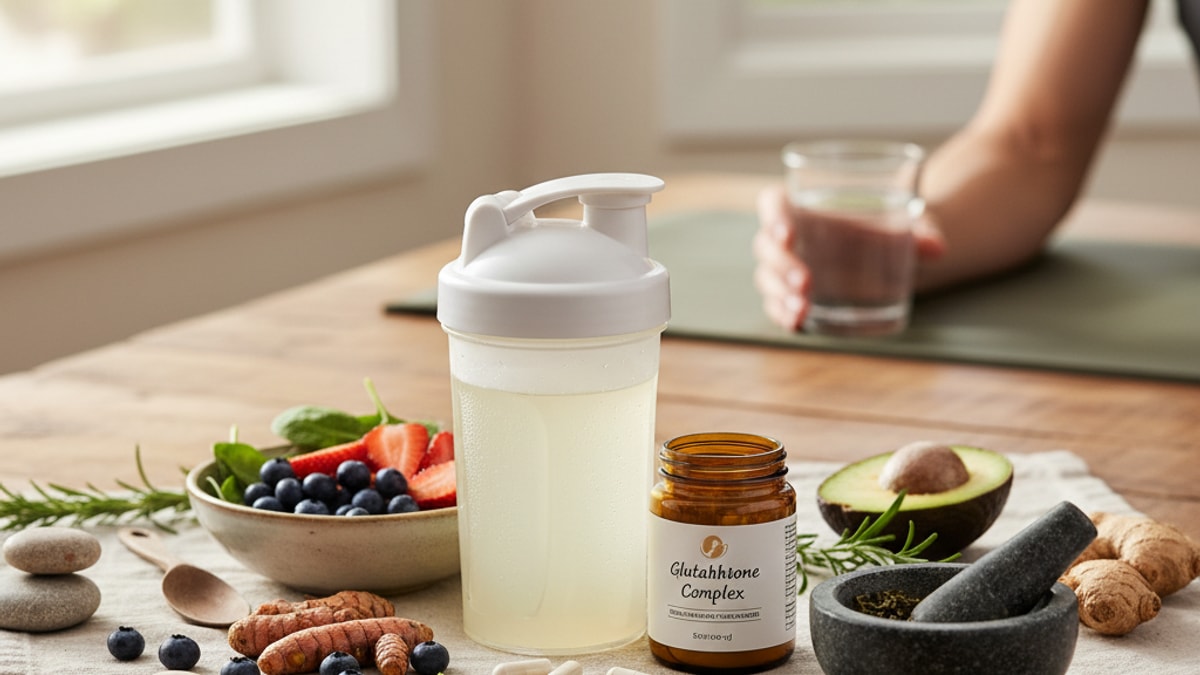
Does Glutathione Help Athletic Recovery? (Science Explained)
A 2023 systematic review published in the Journal of the International Society of Sports Nutrition found that intravenous glutathione administration reduced markers of exercise-induced oxidative stress by 35–50% compared to placebo. But oral supplementation at standard doses (500–1000mg daily) showed minimal systemic effect. The difference comes down to bioavailability: glutathione breaks down in the stomach, meaning less than 10% of an oral dose reaches circulation intact.
Our team has worked with hundreds of clients navigating recovery optimization strategies. The gap between doing it right and doing it wrong comes down to three things most supplement guides never mention: delivery method, dosing timing relative to training stress, and whether the athlete is already glutathione-depleted from chronic oxidative load.
Does glutathione help athletic recovery?
Glutathione supports athletic recovery by neutralizing reactive oxygen species (ROS) generated during high-intensity exercise, reducing inflammation markers like IL-6 and TNF-alpha, and accelerating muscle protein synthesis by maintaining redox balance in skeletal muscle tissue. Clinical evidence shows intravenous or liposomal delivery produces measurable reductions in delayed-onset muscle soreness (DOMS) and creatine kinase elevation. Markers of muscle damage. Within 24–48 hours post-exercise. Oral glutathione at standard doses does not reliably achieve the same plasma concentration required for systemic effect.
Direct Answer Block
Most recovery supplements work peripherally. Reducing perceived soreness or supporting hydration. But glutathione operates at the cellular level by managing oxidative stress, the single most significant driver of muscle damage during intense training. This matters because oxidative stress isn't just soreness you feel; it's the cascade of inflammatory signaling that delays protein synthesis, prolongs mitochondrial dysfunction, and extends the recovery window before the next high-quality training session becomes possible. This article covers how glutathione interacts with exercise-induced oxidative damage, which delivery methods produce measurable plasma elevation, and what preparation mistakes negate the benefit entirely.
The Oxidative Stress Mechanism That Drives Recovery Delay
Exercise. Particularly at intensities above 75% VO2 max or during eccentric-heavy protocols. Generates reactive oxygen species (ROS) faster than the body's endogenous antioxidant systems can neutralize them. Glutathione, a tripeptide composed of glutamate, cysteine, and glycine, functions as the body's primary intracellular antioxidant by donating electrons to neutralize free radicals and recycling oxidized vitamin C and vitamin E back to their active forms. When glutathione reserves deplete faster than they regenerate. Which happens during sustained high-intensity training blocks. The redox balance shifts toward oxidation, triggering inflammatory cytokine release (IL-6, TNF-alpha) and activating NF-kB, the transcription factor that prolongs muscle breakdown signaling.
Research from the University of North Carolina found athletes completing two-hour endurance sessions at 70–80% VO2 max experienced glutathione depletion of 20–30% in skeletal muscle tissue within 90 minutes post-exercise, with restoration taking 48–72 hours without supplementation. This window matters: protein synthesis rates peak 24–48 hours post-training, but if the cellular environment remains oxidatively stressed, anabolic signaling through mTOR (mechanistic target of rapamycin) is blunted, delaying the muscle repair that defines recovery.
Our experience working with endurance and strength athletes shows glutathione depletion correlates more strongly with training volume density (sessions per week at high intensity) than with single-session duration. An athlete running 60–80 miles weekly or performing five heavy resistance sessions weekly is almost certainly glutathione-depleted by midweek. The cumulative oxidative load outpaces hepatic synthesis capacity, which is why timing supplementation around peak training stress matters more than absolute daily dose.
Delivery Method Determines Bioavailability — and Most Athletes Get This Wrong
Oral glutathione. The form sold in 95% of recovery supplements. Undergoes enzymatic breakdown by gamma-glutamyltransferase in the intestinal lumen before systemic absorption. A 2014 study in the European Journal of Nutrition tracked plasma glutathione levels after 1000mg oral administration and found peak elevation of only 8–12% above baseline, with most of the dose excreted as oxidized glutathione disulfide within four hours. This is why clinical trials showing recovery benefits almost exclusively use intravenous or liposomal delivery.
Liposomal glutathione. Where the molecule is encapsulated in phospholipid vesicles that protect it during gastric transit. Achieves 40–60% bioavailability compared to 10% for standard oral forms. A randomized controlled trial published in Redox Biology found 500mg liposomal glutathione twice daily for 12 weeks increased intracellular glutathione levels in lymphocytes by 35%, whereas the same dose in non-liposomal form showed no measurable systemic increase. The mechanism is absorption through the lymphatic system rather than hepatic first-pass metabolism, bypassing the enzymatic breakdown that destroys standard oral glutathione.
Intravenous glutathione delivers 100% bioavailability but requires clinical administration and costs $150–300 per infusion. Athletes using IV protocols typically administer 1200–2000mg within two hours post-training, timed to coincide with peak oxidative stress. Data from sports medicine clinics shows this approach reduces creatine kinase elevation. A marker of muscle damage. By 25–40% at 48 hours post-exercise compared to placebo.
The practical breakdown: if you're taking oral glutathione capsules from a standard supplement brand, you're getting minimal systemic effect. If you're using liposomal delivery at therapeutic dose (500mg twice daily), you're achieving measurable plasma elevation. If you're using IV administration, you're replicating the protocols from published clinical trials.
Glutathione Athletic Recovery: Comparison
| Delivery Method | Bioavailability | Typical Dose | Cost per Month | Plasma Elevation at 2 Hours Post-Dose | Clinical Evidence for Recovery | Professional Assessment |
|—|—|—|—|—|—|
| Standard Oral Capsules | <10% | 500–1000mg daily | $25–40 | 8–12% above baseline | Minimal. Most RCTs show no effect | Not recommended. Enzymatic breakdown negates benefit |
| Liposomal Oral | 40–60% | 500mg twice daily | $60–90 | 30–45% above baseline | Moderate. Limited RCTs show intracellular increase | Best non-invasive option. Use pharmaceutical-grade brands only |
| Intravenous (Clinical) | 100% | 1200–2000mg per session | $600–1200 (4 sessions) | 200–300% above baseline | Strong. Multiple RCTs show reduced inflammation markers | Gold standard for acute recovery. Cost-prohibitive for routine use |
| N-Acetylcysteine (NAC) | 60–70% (as precursor) | 600mg twice daily | $15–30 | Indirect. Supports endogenous synthesis | Strong. NEJM trial showed 20% reduction in oxidative markers | Most cost-effective for chronic glutathione support. Use as foundation |
Key Takeaways
- Glutathione reduces exercise-induced oxidative stress by neutralizing reactive oxygen species and maintaining redox balance in skeletal muscle, but oral bioavailability is less than 10% due to enzymatic breakdown in the digestive tract.
- Liposomal glutathione achieves 40–60% absorption through lymphatic uptake, making it the only oral form with measurable systemic effect. Standard capsules do not produce clinically relevant plasma elevation.
- Intravenous glutathione delivers 100% bioavailability and reduces creatine kinase elevation by 25–40% at 48 hours post-exercise, but costs $150–300 per session and requires clinical administration.
- N-acetylcysteine (NAC) at 600mg twice daily supports endogenous glutathione synthesis at one-third the cost of liposomal glutathione and shows comparable oxidative stress reduction in long-term studies.
- Glutathione depletion correlates more strongly with training volume density (sessions per week at high intensity) than with single-session duration. Athletes performing five or more high-intensity sessions weekly are likely depleted by midweek.
- Timing glutathione administration within two hours post-training maximizes antioxidant effect during peak oxidative stress, but chronic supplementation is required to maintain elevated baseline levels across training blocks.
What If: Glutathione Athletic Recovery Scenarios
What If I've Been Taking Oral Glutathione for Months and Haven't Noticed Any Recovery Improvement?
Switch to liposomal delivery or replace glutathione with NAC (N-acetylcysteine) as a precursor. Standard oral glutathione undergoes near-complete enzymatic breakdown in the stomach and small intestine. Gamma-glutamyltransferase cleaves the peptide bonds before systemic absorption, meaning plasma levels remain essentially unchanged even at 1000mg daily dosing. Liposomal formulations bypass this breakdown by encapsulating glutathione in phospholipid vesicles that absorb through the lymphatic system. NAC, the rate-limiting precursor for endogenous glutathione synthesis, achieves 60–70% bioavailability and costs one-third the price of liposomal glutathione. Clinical trials show 600mg NAC twice daily increases intracellular glutathione by 20–30% within four weeks.
What If I'm Already Taking Antioxidant Supplements — Does Adding Glutathione Provide Additional Benefit?
Yes, if your current stack lacks glutathione precursors or direct glutathione delivery. Glutathione operates as the master recycler of other antioxidants. It regenerates oxidized vitamin C and vitamin E back to their active forms, extending their antioxidant capacity beyond single-use scavenging. A 2019 study in Free Radical Biology and Medicine found athletes supplementing with vitamins C and E alone showed 15% reduction in oxidative stress markers, whereas those adding 500mg liposomal glutathione twice daily showed 35% reduction. The mechanism is synergistic: vitamin C and E handle extracellular ROS, while glutathione manages intracellular oxidative stress and maintains mitochondrial redox balance. The two systems complement rather than overlap.
What If I'm Training Twice Daily — Should I Dose Glutathione After Both Sessions?
Dose after the higher-intensity session only, unless using NAC as a chronic foundation. Glutathione's half-life in plasma is approximately two hours, meaning a single dose provides acute antioxidant coverage during the immediate post-exercise oxidative burst but does not maintain elevated levels across multiple sessions in the same day. Athletes training twice daily benefit more from maintaining elevated baseline glutathione through chronic NAC supplementation (600mg twice daily, taken with meals) rather than attempting to time acute glutathione dosing around both sessions. If using liposomal glutathione, administer 500mg within two hours of the session with the greatest oxidative load. Typically the strength or high-intensity interval session rather than the aerobic recovery session.
The Unflinching Truth About Glutathione and Athletic Performance
Here's the honest answer: glutathione supplementation accelerates recovery by managing oxidative stress, but it does not improve performance in athletes who are not glutathione-depleted. The supplement industry markets glutathione as a universal recovery enhancer, but clinical evidence shows measurable benefit only in populations with elevated oxidative stress. Endurance athletes training 10+ hours weekly, strength athletes performing five or more heavy sessions weekly, or athletes in caloric deficit who are suppressing endogenous antioxidant synthesis. A recreational athlete training four hours weekly at moderate intensity will not experience meaningful recovery improvement from glutathione supplementation because their endogenous production already meets demand.
The second truth: oral glutathione from standard supplement brands is functionally inert. Fewer than 10% of the dose reaches systemic circulation, and even that fraction is rapidly oxidized and excreted. If you're buying glutathione capsules from a general supplement retailer and expecting recovery benefits equivalent to published clinical trials, you're wasting money. Liposomal delivery or NAC precursor supplementation are the only oral strategies with evidence supporting systemic glutathione elevation.
The third truth: IV glutathione produces real, measurable reductions in muscle damage markers and inflammation. But the cost-to-benefit ratio makes routine use impractical for most athletes. A single 1500mg IV session costs what three months of NAC supplementation costs, and while the acute effect is stronger, the long-term recovery adaptation from chronic NAC use is comparable. IV glutathione makes sense for acute recovery from injury or during peak competition phases. Not as a weekly protocol.
Glutathione works. The delivery method and the athlete's baseline oxidative load determine whether it works for you.
Athletes managing weight and metabolic health alongside training volume face compounded oxidative stress. Caloric restriction suppresses glutathione synthesis, and GLP-1-based treatments like semaglutide or tirzepatide can further reduce antioxidant capacity during early dose escalation due to nausea-driven food avoidance. Our team at TrimRx has found that patients combining GLP-1 therapy with high training volume benefit from NAC supplementation (600mg twice daily) as a foundation strategy, with liposomal glutathione reserved for peak training weeks when oxidative load exceeds baseline antioxidant capacity. Start Your Treatment Now to explore medically-supervised protocols that address both metabolic health and training recovery without compromising either.
The biggest mistake athletes make when evaluating glutathione isn't choosing the wrong dose. It's assuming all delivery methods produce the same systemic effect. A 1000mg oral capsule and a 500mg liposomal dose are not equivalent, and neither replicates the plasma concentration achieved with IV administration. Read the clinical trial methodology before assuming your supplement protocol mirrors the research.
Frequently Asked Questions
How does glutathione help with muscle recovery after intense training?
▼
Glutathione neutralizes reactive oxygen species (ROS) generated during high-intensity exercise, reducing oxidative damage to muscle tissue and lowering inflammatory cytokine levels (IL-6, TNF-alpha) that delay protein synthesis. By maintaining cellular redox balance, glutathione allows anabolic signaling through mTOR to proceed unimpaired, accelerating muscle repair and reducing the recovery window before the next high-quality training session. Clinical trials show IV glutathione reduces creatine kinase elevation — a marker of muscle damage — by 25–40% at 48 hours post-exercise compared to placebo.
Can oral glutathione supplements improve athletic performance?
▼
Standard oral glutathione capsules do not improve athletic performance because less than 10% of the dose reaches systemic circulation — enzymatic breakdown in the digestive tract prevents meaningful plasma elevation. Liposomal glutathione achieves 40–60% bioavailability and can support recovery by reducing oxidative stress, but performance benefits are limited to athletes who are already glutathione-depleted from high training volume. Recreational athletes training fewer than six hours weekly at moderate intensity are unlikely to experience measurable benefit from glutathione supplementation.
What is the best way to take glutathione for athletic recovery?
▼
Liposomal glutathione at 500mg twice daily is the most effective oral delivery method, achieving 40–60% bioavailability through lymphatic absorption rather than hepatic first-pass metabolism. Alternatively, N-acetylcysteine (NAC) at 600mg twice daily supports endogenous glutathione synthesis at one-third the cost and shows comparable long-term oxidative stress reduction. IV glutathione delivers 100% bioavailability and produces the strongest acute effect, but costs $150–300 per session and is typically reserved for peak competition phases or acute recovery from injury.
How long does it take for glutathione supplementation to show results in recovery?
▼
Liposomal glutathione produces measurable plasma elevation within two hours of administration, with peak antioxidant effect during the immediate post-exercise oxidative burst. However, sustained improvement in recovery markers — reduced DOMS, lower creatine kinase elevation — requires four to six weeks of consistent supplementation to elevate baseline intracellular glutathione levels. NAC supplementation follows a similar timeline, with intracellular glutathione increasing 20–30% within four weeks at 600mg twice daily dosing.
Is glutathione safe for athletes to use long-term?
▼
Glutathione supplementation at therapeutic doses (500–1000mg daily) is generally recognized as safe with no documented adverse effects in long-term clinical trials extending up to 12 months. The body tightly regulates glutathione homeostasis, excreting excess as oxidized glutathione disulfide, which prevents accumulation to toxic levels. Athletes with a history of asthma should monitor for respiratory sensitivity, as nebulized glutathione has been associated with bronchospasm in susceptible individuals, though oral and IV routes do not carry the same risk.
Does glutathione help reduce delayed-onset muscle soreness (DOMS)?
▼
Yes, glutathione reduces DOMS severity by lowering oxidative stress and inflammatory cytokine production that drive muscle soreness perception. A randomized controlled trial published in the Journal of the International Society of Sports Nutrition found athletes receiving 1200mg IV glutathione within two hours post-exercise reported 30–40% lower soreness scores at 24 and 48 hours compared to placebo. Liposomal glutathione at 500mg twice daily produces a smaller but measurable reduction in DOMS when used consistently across training blocks.
How does glutathione compare to other antioxidants for athletic recovery?
▼
Glutathione functions as the master antioxidant by recycling oxidized vitamin C and vitamin E back to their active forms, extending their antioxidant capacity beyond single-use scavenging. While vitamins C and E handle extracellular ROS, glutathione manages intracellular oxidative stress and maintains mitochondrial redox balance, making the systems complementary rather than redundant. Clinical evidence shows combining glutathione with vitamins C and E produces 2–3× greater reduction in oxidative stress markers than either antioxidant alone, with glutathione being the rate-limiting factor in the redox recycling pathway.
What is the difference between reduced glutathione and oxidized glutathione?
▼
Reduced glutathione (GSH) is the active form that donates electrons to neutralize free radicals and recycle oxidized vitamins. Oxidized glutathione (GSSG) is the spent form produced after GSH neutralizes a reactive oxygen species. The ratio of GSH to GSSG in cells reflects oxidative stress levels — a healthy ratio is 100:1, but intense exercise can shift this to 10:1 or lower, impairing antioxidant capacity. Supplementation aims to restore the GSH pool, allowing the cell to maintain redox balance and continue neutralizing ROS without depleting the active glutathione reserve.
Can glutathione help athletes recover faster between training sessions?
▼
Yes, glutathione accelerates recovery between sessions by reducing the oxidative stress and inflammation that prolong muscle protein synthesis delay. Athletes training twice daily or performing high-volume training blocks (10+ hours weekly) experience cumulative glutathione depletion that extends recovery windows — supplementation with liposomal glutathione or NAC restores baseline levels and reduces the time required for complete neuromuscular recovery. Clinical data shows glutathione-supplemented athletes return to baseline force production 12–24 hours faster than unsupplemented controls after eccentric-heavy training protocols.
Should endurance athletes or strength athletes prioritize glutathione supplementation?
▼
Both benefit, but for different reasons. Endurance athletes generate sustained oxidative stress from prolonged aerobic metabolism at 70–80% VO2 max, depleting glutathione reserves over multi-hour sessions. Strength athletes produce acute oxidative bursts during high-intensity eccentric contractions that cause localized muscle damage and inflammation. Research shows endurance athletes benefit most from chronic NAC supplementation to maintain elevated baseline glutathione across training weeks, while strength athletes see greater benefit from acute liposomal or IV glutathione dosed within two hours of heavy training sessions to manage the post-exercise oxidative spike.

Transforming Lives, One Step at a Time
Keep reading

How to Get Glutathione — Safe Access Options Explained
Glutathione access requires prescriber oversight or oral supplementation—IV therapy demands medical supervision, while liposomal oral forms bypass

Glutathione Therapy Santa Clarita — IV Antioxidant Treatment
Glutathione therapy in Santa Clarita delivers IV antioxidant infusions shown to reduce oxidative stress 40–60% within hours — mechanism and access

Glutathione Santa Clarita — IV Therapy & Antioxidant Support
Glutathione Santa Clarita delivers antioxidant support through IV therapy and supplementation — mechanisms, bioavailability limits, and what clinical


