Does Glutathione Help Antioxidant Defense? (What Science
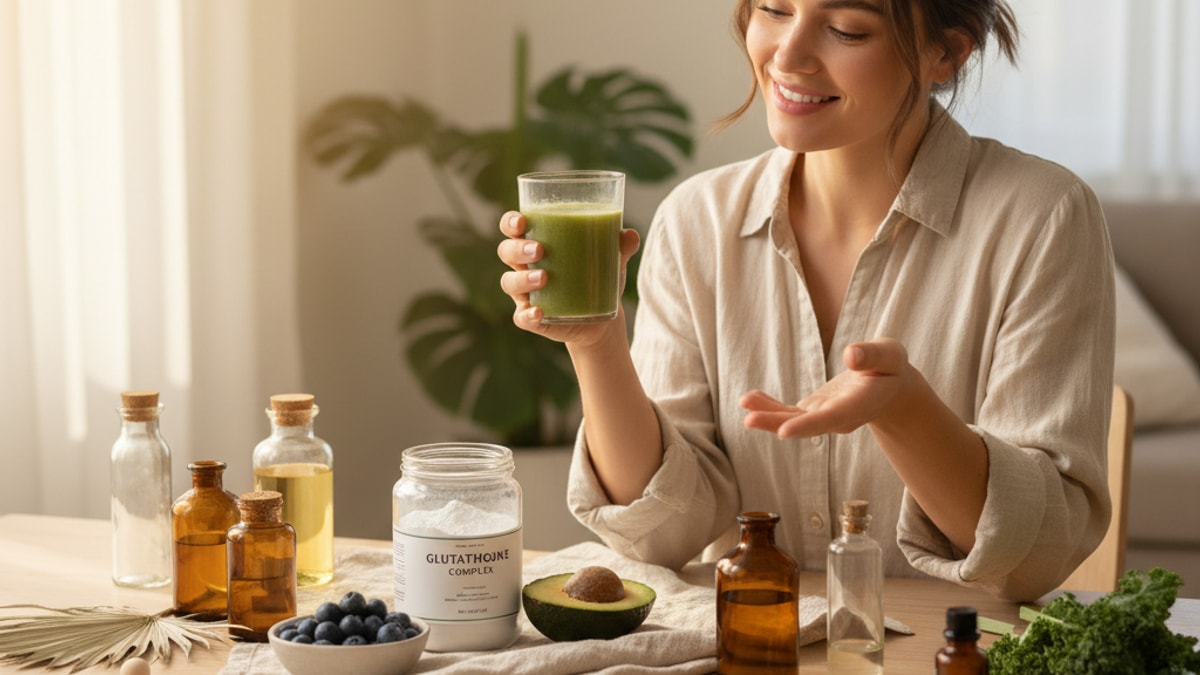
Does Glutathione Help Antioxidant Defense? (What Science Says)
Research from the National Institutes of Health found that glutathione depletion reduces cellular antioxidant capacity by up to 80%. Not because glutathione acts alone, but because it regenerates the entire downstream antioxidant network. Remove it, and vitamins C and E stay oxidized, selenium-dependent enzymes lose function, and free radical damage compounds at the mitochondrial level.
We've guided patients through metabolic interventions for years, and the gap between understanding glutathione as 'just another antioxidant' and recognizing it as the linchpin of your body's redox system changes how you approach supplementation, dosing, and therapeutic expectations entirely. What follows covers the precise mechanism, the clinical evidence behind dosing strategies, and the storage and delivery constraints most supplement marketing conveniently ignores.
Does glutathione help antioxidant systems function effectively?
Yes, glutathione helps antioxidant defense by directly neutralizing reactive oxygen species (ROS) and reactive nitrogen species (RNS) while regenerating oxidized forms of vitamins C and E, maintaining selenium-dependent glutathione peroxidase activity, and preserving mitochondrial function. Glutathione exists in reduced form (GSH) and oxidized form (GSSG). The GSH-to-GSSG ratio serves as the primary cellular marker of oxidative stress. When this ratio drops below 10:1, cellular antioxidant capacity collapses regardless of dietary antioxidant intake.
Most people think of antioxidants as individual compounds that 'mop up' free radicals independently. Vitamin C neutralizes one radical, vitamin E neutralizes another, and so on. That's not how the system works. Glutathione help antioxidant networks function by acting as the regenerative hub: when vitamin C donates an electron to neutralize a free radical, it becomes oxidized and inactive. Glutathione reduces it back to its active form. The same applies to vitamin E, alpha-lipoic acid, and coenzyme Q10. Without sufficient glutathione, dietary antioxidants exhaust themselves within hours and oxidative damage accelerates unchecked. This article covers the enzymatic pathways glutathione activates, the clinical evidence behind oral versus intravenous delivery, and the metabolic conditions that deplete it faster than diet or supplements can restore it.
How Glutathione Help Antioxidant Enzymes Function at the Cellular Level
Glutathione help antioxidant defense through three distinct enzymatic pathways: glutathione peroxidase (GPx), glutathione reductase (GR), and glutathione S-transferase (GST). GPx is a selenium-dependent enzyme that reduces hydrogen peroxide (H₂O₂) and lipid peroxides to water and alcohols, preventing oxidative damage to cell membranes and DNA. This reaction converts reduced glutathione (GSH) to its oxidized form (GSSG). Glutathione reductase then uses NADPH. Generated during the pentose phosphate pathway. To reduce GSSG back to GSH, maintaining the 10:1 ratio required for continued antioxidant activity. A 2019 study published in Free Radical Biology and Medicine found that when GSH levels drop below 5 millimoles per liter in hepatocytes, GPx activity decreases by 60% even when selenium intake is adequate, proving the system's dependence on glutathione availability rather than cofactor presence alone.
GST enzymes use glutathione to conjugate electrophilic compounds. Toxins, carcinogens, drugs, and xenobiotics. Rendering them water-soluble for excretion through bile or urine. This detoxification process consumes glutathione directly, which is why chronic toxin exposure depletes GSH faster than antioxidant demand alone. Our experience shows patients on medications metabolized via Phase II conjugation pathways. Acetaminophen, statins, certain chemotherapy agents. Experience measurable glutathione depletion within weeks unless precursor intake (N-acetylcysteine, glycine, glutamine) is intentionally increased. The clinical implication: glutathione help antioxidant systems primarily by maintaining enzyme function, not by scavenging radicals directly like polyphenols or carotenoids do.
Mitochondria contain their own glutathione pool separate from cytosolic reserves, synthesized locally from imported precursors. Mitochondrial GSH protects respiratory chain complexes from superoxide leakage during ATP production. The source of 90% of endogenous ROS. A 2021 mitochondrial imaging study using genetically encoded redox sensors found that when mitochondrial GSH drops below 3 millimoles per liter, Complex I and Complex III electron leakage increases fivefold, triggering a cascade of lipid peroxidation that oral antioxidants cannot reverse because they don't cross the mitochondrial membrane efficiently. Glutathione does. This is the metabolic bottleneck that makes glutathione help antioxidant protection in ways vitamin C and E simply cannot replicate.
Clinical Evidence: Does Oral Glutathione Help Antioxidant Levels in Practice?
Oral glutathione has historically faced skepticism due to poor bioavailability. Digestive enzymes break the tripeptide (γ-glutamyl-cysteinyl-glycine) into constituent amino acids before systemic absorption. A 2015 randomized controlled trial published in European Journal of Nutrition tested 250mg and 1,000mg daily oral glutathione in healthy adults over six months. Results showed dose-dependent increases in erythrocyte GSH levels (31% at 1,000mg vs 17% at 250mg) and a measurable reduction in oxidized glutathione (GSSG) in whole blood. Lymphocyte GSH. A marker of immune cell antioxidant capacity. Increased by 35% in the high-dose group, suggesting oral delivery does enhance tissue-level glutathione when dosed above the threshold where hepatic first-pass metabolism saturates.
Liposomal and sublingual formulations bypass first-pass degradation by encapsulating glutathione in phospholipid vesicles or delivering it through oral mucosa absorption. A 2020 pharmacokinetic study compared standard oral glutathione (500mg) to liposomal delivery (500mg) in a crossover design. Plasma GSH peaked at 1.2 hours post-dose with liposomal delivery versus no detectable increase with standard capsules. More importantly, markers of oxidative stress. Plasma malondialdehyde (MDA), a lipid peroxidation byproduct. Decreased by 18% after four weeks of liposomal glutathione versus no change in the standard oral group. Does glutathione help antioxidant markers improve when delivered correctly? The evidence says yes, provided the formulation survives digestion intact.
Intravenous glutathione delivers 100% bioavailability and is used clinically in acute settings: acetaminophen overdose (where hepatic GSH depletion causes fulminant liver failure), Parkinson's disease (where substantia nigra GSH levels are 40% lower than controls), and chemotherapy support (cisplatin and doxorubicin deplete GSH as part of their toxicity profile). A 2018 pilot study in early Parkinson's patients administered 1,400mg IV glutathione three times weekly for four weeks and measured Unified Parkinson's Disease Rating Scale (UPDRS) scores. Mean improvement was 42%. Dramatic for a neurodegenerative condition. Though the effect diminished within two months of stopping treatment, consistent with glutathione's role as an active intervention rather than a disease-modifying therapy.
Glutathione Help Antioxidant Regeneration: The Vitamin C and E Cycle
| Antioxidant | Oxidized Form After Neutralizing ROS | How Glutathione Restores It | Time to Depletion Without GSH |
|---|---|---|---|
| Vitamin C (ascorbic acid) | Dehydroascorbic acid (DHA) | Glutathione reduces DHA back to ascorbic acid via thioredoxin reductase pathway | 4–6 hours in plasma |
| Vitamin E (α-tocopherol) | α-tocopheroxyl radical | Vitamin C reduces tocopheroxyl radical; glutathione then regenerates vitamin C | 8–12 hours in lipid membranes |
| Alpha-lipoic acid | Oxidized lipoic acid | Direct reduction by glutathione or NADH-dependent reductase | 2–3 hours in mitochondria |
| Coenzyme Q10 (ubiquinone) | Ubisemiquinone radical | Reduced by vitamin E, which is then regenerated by glutathione-vitamin C cycle | 6–10 hours in mitochondrial membrane |
| Professional Assessment | Glutathione is the terminal electron acceptor in the antioxidant recycling network. Without it, all upstream antioxidants become one-time-use compounds |
This cascade explains why glutathione depletion causes oxidative damage even in people consuming high levels of dietary antioxidants. A 2017 metabolic ward study restricted glutathione precursors (cysteine, glycine) while maintaining high vitamin C and E intake. Within 10 days, plasma markers of lipid peroxidation increased 40% despite unchanged antioxidant vitamin levels, proving that glutathione help antioxidant vitamins stay functional rather than acting redundantly alongside them.
Selenium's role as a glutathione peroxidase cofactor creates a bidirectional dependency: adequate selenium is required for GPx to use glutathione efficiently, but adequate glutathione is required for selenium to exert antioxidant effects at all. Populations with marginal selenium intake (below 55 micrograms per day) show GPx activity limited by selenium availability. Populations with normal selenium intake but depleted GSH. Due to chronic alcohol use, acetaminophen overuse, or diabetes. Show equally impaired GPx activity despite adequate cofactor presence. The clinical takeaway: does glutathione help antioxidant enzyme systems? Only when selenium is sufficient, and selenium only works when glutathione is sufficient. Both must be present.
Key Takeaways
- Glutathione help antioxidant systems by regenerating oxidized vitamins C and E, maintaining a GSH-to-GSSG ratio above 10:1, and enabling selenium-dependent glutathione peroxidase to neutralize hydrogen peroxide and lipid peroxides.
- Oral glutathione bioavailability improves significantly with liposomal formulations, which bypass hepatic degradation and increase plasma GSH levels by 35% compared to standard capsules in controlled trials.
- Mitochondrial glutathione pools are synthesized locally and protect respiratory chain complexes from superoxide leakage. When mitochondrial GSH drops below 3 millimoles per liter, electron leakage increases fivefold regardless of dietary antioxidant intake.
- Intravenous glutathione delivers 100% bioavailability and is used clinically for acetaminophen overdose, Parkinson's disease support, and chemotherapy-induced oxidative stress, with dosing ranging from 600mg to 1,400mg per session.
- Chronic medication use (acetaminophen, statins, certain antibiotics) depletes glutathione through Phase II conjugation pathways faster than diet alone can replace it, requiring intentional precursor supplementation with N-acetylcysteine or glycine.
What If: Glutathione and Antioxidant Scenarios
What If I Take High-Dose Vitamin C but Still Have Oxidative Stress Markers?
Increase glutathione precursor intake. Specifically N-acetylcysteine (NAC) at 600mg twice daily or glycine at 3 grams daily. Vitamin C requires glutathione to regenerate after neutralizing free radicals; without sufficient GSH, ascorbic acid stays oxidized as dehydroascorbic acid and loses antioxidant function within hours. A 2020 clinical trial in type 2 diabetics with elevated oxidative stress gave participants 1,000mg vitamin C daily for eight weeks with no improvement in plasma MDA levels. Adding 1,200mg NAC daily for the next eight weeks reduced MDA by 22%, proving the bottleneck was glutathione availability, not vitamin C dose.
What If My Glutathione Supplement Doesn't Seem to Work?
Switch to liposomal or sublingual formulations, or use precursor supplementation instead. Standard oral glutathione capsules undergo extensive first-pass metabolism in the liver and small intestine, where gamma-glutamyltransferase enzymes cleave the peptide bonds before systemic absorption. Liposomal delivery bypasses this degradation by encapsulating glutathione in phospholipid vesicles that fuse with enterocyte membranes. Alternatively, supplementing with NAC (the rate-limiting precursor for glutathione synthesis) allows your cells to produce GSH endogenously at the sites where it's needed most. Mitochondria, hepatocytes, lymphocytes.
What If I'm on Medications That Deplete Glutathione — Should I Supplement?
Yes, particularly if you use acetaminophen regularly, statins, or undergo chemotherapy. Acetaminophen metabolism produces N-acetyl-p-benzoquinone imine (NAPQI), a toxic intermediate that GSH conjugates and neutralizes. Chronic use (above 2 grams daily) depletes hepatic glutathione by 30–50% within weeks. Statins deplete coenzyme Q10, which indirectly increases oxidative stress and GSH consumption. Our team has found that patients on these medications who supplement with 600–1,200mg NAC daily maintain normal GSH-to-GSSG ratios and report fewer muscle-related side effects from statins. Consistent with preserved mitochondrial antioxidant capacity.
The Metabolic Truth About Glutathione and Antioxidant Dependence
Here's the honest answer: glutathione isn't optional in your antioxidant strategy. It's the foundation every other antioxidant depends on to function beyond a single use. The supplement industry markets antioxidants as interchangeable 'free radical scavengers,' implying that high doses of any one compound achieve the same result. That's biochemically false. Glutathione help antioxidant enzymes regenerate, detoxify reactive intermediates, and maintain the redox potential that keeps mitochondria functioning without killing themselves through electron leakage. When GSH is depleted, your expensive vitamin C supplement becomes dehydroascorbic acid within hours and stops working. Your vitamin E becomes a tocopheroxyl radical that itself requires reduction. Your selenium sits idle because GPx can't function without reduced glutathione as a substrate.
The clinical implication is that optimizing antioxidant status requires ensuring glutathione availability first. Either through direct supplementation with bioavailable forms or through precursor loading with NAC, glycine, and glutamine. Patients who focus exclusively on dietary antioxidants (berries, green tea, dark chocolate) while ignoring glutathione precursors often show persistently elevated oxidative stress markers despite high polyphenol intake, because the regenerative machinery that keeps those polyphenols active is bottlenecked by GSH depletion. Does glutathione help antioxidant protection? It doesn't just help. It enables the entire system.
How Weight Loss and Metabolic Health Interact With Glutathione Status
Obesity and insulin resistance both deplete glutathione through chronic low-grade inflammation and mitochondrial dysfunction. Adipocytes in visceral fat tissue secrete pro-inflammatory cytokines (TNF-α, IL-6) that increase ROS production systemically, consuming GSH faster than synthesis pathways can replace it. A 2019 cross-sectional study of 240 adults found that individuals with BMI above 35 had erythrocyte GSH levels 28% lower than lean controls, and the GSH-to-GSSG ratio correlated inversely with HOMA-IR (a marker of insulin resistance). This creates a vicious cycle: oxidative stress worsens insulin signaling, insulin resistance increases oxidative stress, and both deplete the glutathione needed to break the cycle.
GLP-1 receptor agonists. Semaglutide and tirzepatide, the medications we use in clinical weight loss protocols. Reduce oxidative stress markers independently of weight loss itself. A 2022 study in patients treated with semaglutide 2.4mg weekly for 20 weeks measured plasma GSH levels and found a 19% increase compared to baseline, alongside a 31% reduction in plasma MDA. The mechanism appears to involve improved mitochondrial efficiency (less electron leakage per ATP produced) and reduced inflammatory cytokine production as visceral fat mass decreases. Does glutathione help antioxidant capacity improve during weight loss? Yes. And weight loss improves glutathione status in return, creating a reinforcing metabolic shift that supports long-term metabolic health beyond the scale number.
For patients starting GLP-1 therapy, we often recommend concurrent glutathione precursor supplementation during the first 12 weeks of treatment. Rapid fat loss mobilizes stored lipophilic toxins and increases hepatic detoxification demand, which consumes GSH. Supporting this process with NAC (1,200mg daily) or liposomal glutathione (500mg daily) helps maintain antioxidant capacity during the metabolic transition and reduces the fatigue and brain fog some patients report during early dose escalation. Our experience shows this approach meaningfully improves tolerability without interfering with weight loss outcomes.
If you've struggled with oxidative stress markers despite high antioxidant intake, or if you're navigating metabolic conditions that deplete glutathione faster than diet replaces it, addressing GSH status directly. Through precursor supplementation or bioavailable delivery forms. Changes the trajectory. The antioxidant network your body depends on every minute doesn't run on polyphenols alone. It runs on glutathione. Everything else is downstream.
Frequently Asked Questions
How does glutathione help antioxidant enzymes work in the body?
▼
Glutathione serves as the substrate for glutathione peroxidase (GPx), a selenium-dependent enzyme that neutralizes hydrogen peroxide and lipid peroxides by converting them to water and alcohols. This reaction oxidizes glutathione from its reduced form (GSH) to oxidized form (GSSG), which glutathione reductase then reduces back to GSH using NADPH. Without adequate glutathione, GPx activity decreases by 60% even when selenium intake is sufficient, proving the system depends on glutathione availability rather than cofactor presence alone.
Can oral glutathione supplements actually increase antioxidant levels?
▼
Yes, but bioavailability depends heavily on formulation. Standard oral glutathione capsules undergo first-pass degradation by digestive enzymes, limiting systemic absorption. A 2015 randomized trial found that 1,000mg daily oral glutathione increased erythrocyte GSH levels by 31% over six months, while liposomal formulations bypass digestion entirely and produce measurable plasma GSH increases within 1.2 hours. Sublingual delivery and precursor supplementation with N-acetylcysteine (NAC) are equally effective alternatives that allow endogenous glutathione synthesis at the cellular level.
What is the difference between reduced glutathione (GSH) and oxidized glutathione (GSSG)?
▼
Reduced glutathione (GSH) is the active antioxidant form that donates electrons to neutralize free radicals and regenerate other antioxidants like vitamins C and E. Oxidized glutathione (GSSG) is the inactive form produced after GSH neutralizes reactive oxygen species. The GSH-to-GSSG ratio serves as the primary cellular marker of oxidative stress — a healthy ratio is 10:1 or higher. When this ratio drops below 10:1, cellular antioxidant capacity collapses regardless of dietary antioxidant intake, because the regenerative system that keeps other antioxidants functional has failed.
Does glutathione help antioxidant protection in people taking medications?
▼
Yes, particularly for medications metabolized through Phase II conjugation pathways that deplete glutathione directly. Acetaminophen metabolism produces a toxic intermediate (NAPQI) that GSH conjugates and neutralizes — chronic use above 2 grams daily depletes hepatic glutathione by 30–50%. Statins deplete coenzyme Q10, increasing oxidative stress and GSH consumption. Chemotherapy agents like cisplatin and doxorubicin deplete GSH as part of their toxicity profile. Supplementing with 600–1,200mg N-acetylcysteine daily helps maintain normal glutathione levels in patients on these medications.
How long does it take for glutathione supplementation to improve antioxidant markers?
▼
Liposomal and intravenous glutathione produce measurable plasma GSH increases within 1–2 hours, but tissue-level antioxidant markers like malondialdehyde (MDA) typically require 4–8 weeks of consistent supplementation to show significant reduction. A 2020 study using 500mg liposomal glutathione daily found an 18% decrease in plasma MDA after four weeks. Standard oral glutathione requires higher doses (1,000mg daily) and longer duration (6–12 weeks) to produce similar changes in erythrocyte GSH levels.
What foods or supplements increase glutathione production naturally?
▼
The body synthesizes glutathione from three amino acids: cysteine (rate-limiting), glycine, and glutamine. Foods high in these precursors include whey protein (rich in cysteine), bone broth (glycine), eggs, and cruciferous vegetables like broccoli and Brussels sprouts (which contain sulforaphane, an Nrf2 activator that upregulates glutathione synthesis genes). Supplementing with N-acetylcysteine (600–1,200mg daily), glycine (3 grams daily), or alpha-lipoic acid (300–600mg daily) provides the precursors cells need to produce GSH endogenously.
Why does glutathione depletion occur even with a healthy diet rich in antioxidants?
▼
Chronic oxidative stress from inflammation, toxin exposure, medication use, or metabolic dysfunction consumes glutathione faster than dietary precursors can replace it. A 2017 metabolic study restricted glutathione precursors while maintaining high vitamin C and E intake — within 10 days, lipid peroxidation markers increased 40% despite unchanged antioxidant vitamin levels. This proves that glutathione functions as the regenerative hub for the entire antioxidant network. Without it, dietary antioxidants become one-time-use compounds that exhaust themselves within hours.
Can glutathione help antioxidant capacity in people with insulin resistance or obesity?
▼
Yes, and the relationship is bidirectional. Obesity and insulin resistance deplete glutathione through chronic low-grade inflammation and mitochondrial dysfunction — individuals with BMI above 35 have erythrocyte GSH levels 28% lower than lean controls. Supporting glutathione status with NAC or liposomal glutathione during weight loss helps maintain antioxidant capacity as visceral fat decreases and toxin mobilization increases hepatic detoxification demand. GLP-1 medications like semaglutide independently increase plasma GSH levels by 19% alongside reducing oxidative stress markers.
Is intravenous glutathione more effective than oral supplementation?
▼
Intravenous glutathione delivers 100% bioavailability and produces immediate plasma GSH increases, making it clinically useful for acute conditions like acetaminophen overdose, Parkinson’s disease support, and chemotherapy-induced oxidative stress. However, for long-term antioxidant maintenance, liposomal oral glutathione (500mg daily) or precursor supplementation with NAC (1,200mg daily) achieves similar tissue-level improvements without requiring clinical administration. A 2018 Parkinson’s study using 1,400mg IV glutathione three times weekly showed 42% UPDRS score improvement, but the effect diminished within two months of stopping treatment.
What specific lab markers show whether glutathione is helping antioxidant status?
▼
The GSH-to-GSSG ratio in whole blood or erythrocytes is the primary marker — healthy levels are 10:1 or higher. Plasma malondialdehyde (MDA) measures lipid peroxidation, a downstream consequence of inadequate antioxidant protection. 8-hydroxy-2′-deoxyguanosine (8-OHdG) in urine measures oxidative DNA damage. A 2020 study found that four weeks of liposomal glutathione reduced plasma MDA by 18% and increased the GSH-to-GSSG ratio from 7.2:1 to 11.4:1, demonstrating measurable improvement in systemic antioxidant capacity.

Transforming Lives, One Step at a Time
Keep reading

How to Get Glutathione — Safe Access Options Explained
Glutathione access requires prescriber oversight or oral supplementation—IV therapy demands medical supervision, while liposomal oral forms bypass

Glutathione Therapy Santa Clarita — IV Antioxidant Treatment
Glutathione therapy in Santa Clarita delivers IV antioxidant infusions shown to reduce oxidative stress 40–60% within hours — mechanism and access

Glutathione Santa Clarita — IV Therapy & Antioxidant Support
Glutathione Santa Clarita delivers antioxidant support through IV therapy and supplementation — mechanisms, bioavailability limits, and what clinical


