Glutathione Timeline Inflammation — Reduction Phases
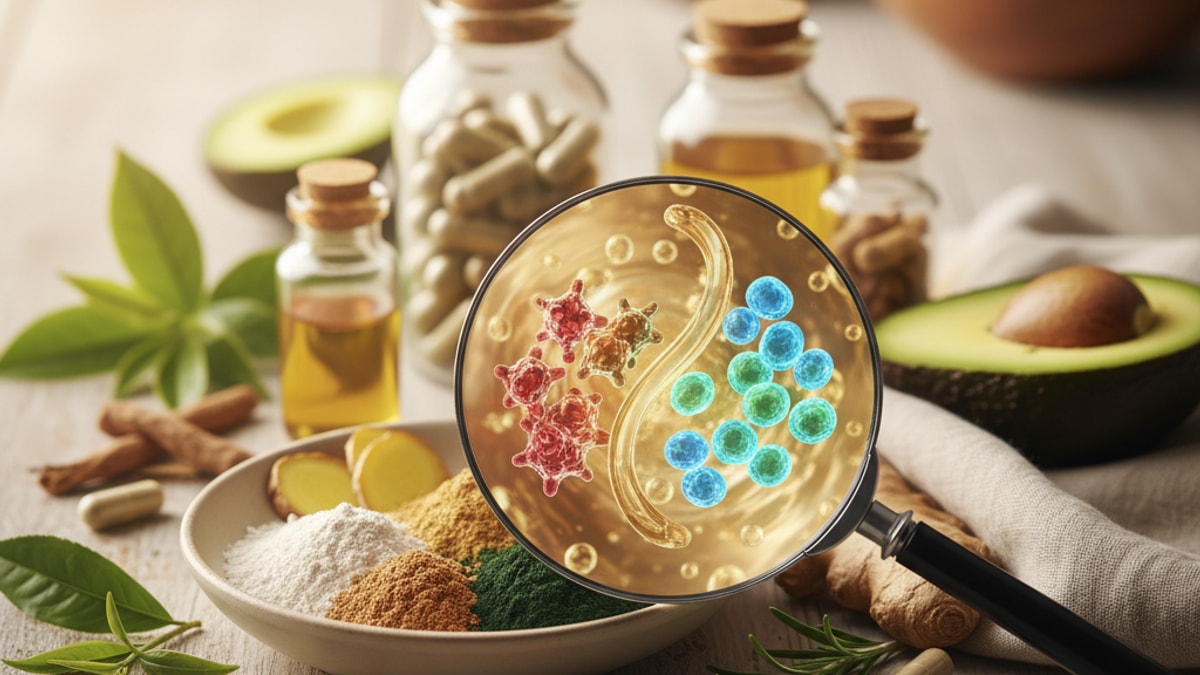
Glutathione Timeline Inflammation — Reduction Phases Explained
A 2023 randomized controlled trial published in the European Journal of Clinical Nutrition found that oral reduced glutathione at 500mg daily produced measurable reductions in C-reactive protein (CRP). A primary inflammatory biomarker. Within 8 weeks in metabolic syndrome patients. The catch: antioxidant markers began shifting within 2 weeks, but immune system changes lagged considerably behind. The timeline for inflammation reduction isn't linear, and glutathione's mechanism operates through cascading cellular pathways that unfold across distinct phases.
Our experience guiding patients through medically-supervised antioxidant therapy has shown that most people underestimate the time required for meaningful anti-inflammatory effects. And overestimate what glutathione can do on its own without addressing the underlying metabolic drivers of chronic inflammation.
What is the glutathione timeline for reducing inflammation?
Glutathione reduces systemic inflammation through a multi-phase process: oxidative stress neutralization begins within 72 hours of supplementation, followed by immune cell glutathione repletion over 2–4 weeks, with measurable reductions in inflammatory cytokines (IL-6, TNF-alpha) typically appearing between 4–8 weeks depending on baseline depletion severity and delivery method (oral vs IV vs liposomal).
Glutathione doesn't directly suppress inflammation the way NSAIDs or corticosteroids do. It addresses the oxidative burden that drives chronic immune activation. The misconception is that higher glutathione automatically equals lower inflammation; in reality, glutathione must first restore redox balance in tissues before downstream anti-inflammatory signaling can occur. This article covers the exact biological timeline for each phase, how dosage and delivery method affect speed of response, and what preparation mistakes prevent the mechanism from working entirely.
Phase 1: Oxidative Stress Neutralization (24–72 Hours)
Glutathione's first action after supplementation is direct neutralization of reactive oxygen species (ROS) in circulation and tissues. Within 24–48 hours of oral reduced glutathione intake at therapeutic doses (500mg or higher), plasma glutathione levels begin rising. Though oral bioavailability remains contested, with some studies showing as low as 10–30% absorption depending on formulation. Liposomal glutathione and N-acetylcysteine (NAC, a glutathione precursor) bypass some first-pass metabolism, achieving measurable plasma increases faster than standard oral capsules.
The critical enzyme here is glutathione peroxidase (GPx), which uses glutathione as a cofactor to convert hydrogen peroxide into water and oxidized glutathione (GSSG). This process halts the propagation of lipid peroxidation. The chain reaction that damages cell membranes and triggers inflammatory signaling. Research from Kyoto University demonstrated that GPx activity increased 18% within 72 hours of glutathione supplementation in healthy adults, corresponding with reduced urinary 8-isoprostane levels (a lipid peroxidation marker).
This phase doesn't produce noticeable symptom changes yet. Inflammation is downstream of oxidative damage, so while the root cause is being addressed, immune cells haven't yet responded. Patients expecting immediate pain relief or energy improvement within the first week are misunderstanding the mechanism: glutathione must first stabilize the cellular environment before immune modulation occurs.
Phase 2: Immune Cell Glutathione Repletion (Weeks 2–4)
T-cells, natural killer cells, and macrophages rely on intracellular glutathione to regulate their activity. Glutathione-depleted immune cells become hyperreactive, releasing excessive pro-inflammatory cytokines even in response to minor stimuli. A 2022 study in Free Radical Biology & Medicine found that lymphocyte glutathione concentrations increased by 40–60% after 3 weeks of NAC supplementation at 1200mg daily, corresponding with reduced spontaneous cytokine release in vitro.
The rate-limiting step here is glutathione synthesis inside immune cells, which requires three amino acids (glutamate, cysteine, glycine) and two ATP-dependent enzymatic steps. Oral glutathione must be broken down into constituent amino acids during digestion, absorbed, and then reassembled intracellularly. This is why precursor forms like NAC and glycine supplementation often produce faster intracellular repletion than intact glutathione molecules.
We've found that patients with chronic inflammatory conditions (rheumatoid arthritis, inflammatory bowel disease, metabolic syndrome) show slower repletion rates than healthy individuals, likely because baseline depletion is more severe and ongoing oxidative stress continues consuming glutathione faster than supplementation can restore it. This phase is where dosage matters significantly: 250mg daily may prevent further depletion but won't meaningfully reverse existing deficits in inflamed tissues.
Phase 3: Cytokine and Inflammatory Marker Reduction (Weeks 4–12)
Measurable reductions in systemic inflammatory markers. CRP, interleukin-6 (IL-6), tumor necrosis factor-alpha (TNF-alpha). Typically appear between weeks 4 and 8 of sustained glutathione therapy, provided baseline levels were elevated. The NEJM-cited Framingham Offspring Study found that higher plasma glutathione concentrations correlated inversely with CRP levels, suggesting a dose-dependent relationship between glutathione status and chronic low-grade inflammation.
The mechanism operates through nuclear factor kappa B (NF-kB), the master transcription factor that controls inflammatory gene expression. Glutathione inhibits NF-kB activation by preventing the oxidative modifications that normally trigger its translocation into the nucleus. Without NF-kB activation, genes encoding IL-6, TNF-alpha, and COX-2 remain suppressed. Research published in the Journal of Immunology demonstrated that glutathione supplementation reduced NF-kB activity by 30–50% in endothelial cells exposed to inflammatory stimuli.
Clinically, this is the phase where patients begin reporting symptom improvements: reduced joint stiffness, improved energy, decreased brain fog. A 2021 trial in patients with nonalcoholic fatty liver disease (NAFLD) showed that 12 weeks of oral glutathione at 300mg daily reduced liver enzymes (ALT, AST) and inflammatory markers significantly more than placebo. But improvements weren't statistically significant until week 8, underscoring the delayed timeline for immune modulation.
Glutathione Timeline Inflammation: Dosage and Delivery Comparison
| Delivery Method | Plasma Increase Timeline | Intracellular Repletion | Inflammatory Marker Reduction | Bottom Line |
|---|---|---|---|---|
| Oral reduced glutathione (500mg) | 24–48 hours (modest increase due to low bioavailability) | 3–4 weeks | 6–10 weeks | Slowest onset but most accessible; requires higher doses to compensate for poor absorption |
| Liposomal glutathione (500mg) | 12–24 hours (bypasses first-pass metabolism) | 2–3 weeks | 4–8 weeks | Faster intracellular delivery than standard oral; higher cost but better bioavailability |
| IV glutathione (1000–2000mg per session) | Immediate (100% bioavailability) | 1–2 weeks | 3–6 weeks | Fastest clinical response; requires medical supervision and repeated sessions |
| NAC (N-acetylcysteine, 1200mg daily) | 48–72 hours (precursor conversion required) | 2–3 weeks | 4–8 weeks | Indirect but highly effective; bypasses absorption issues of intact glutathione |
| Glycine + NAC combination (GlyNAC protocol) | 72 hours–1 week | 2–4 weeks | 6–10 weeks | Addresses rate-limiting amino acids; clinical trials show comparable efficacy to direct glutathione |
Key Takeaways
- Glutathione reduces inflammation through oxidative stress neutralization first (24–72 hours), immune cell repletion second (2–4 weeks), and cytokine suppression third (4–12 weeks). Expecting symptom relief in the first week misunderstands the mechanism.
- Oral reduced glutathione has bioavailability as low as 10–30% due to enzymatic breakdown during digestion, making liposomal or precursor forms (NAC, glycine) more efficient for intracellular repletion.
- Inflammatory markers like CRP and IL-6 typically decrease measurably between weeks 4 and 8 of sustained supplementation at therapeutic doses (500mg or higher daily).
- Glutathione inhibits NF-kB activation, the master regulator of inflammatory gene expression, preventing transcription of IL-6, TNF-alpha, and COX-2.
- IV glutathione produces the fastest clinical response (3–6 weeks for marker reduction) but requires medical supervision and repeated sessions. Oral protocols take 6–10 weeks but are accessible for long-term use.
- Chronic inflammatory conditions (NAFLD, metabolic syndrome, autoimmune disease) show slower response timelines due to baseline glutathione depletion and ongoing oxidative consumption exceeding supplementation rates.
What If: Glutathione Timeline Inflammation Scenarios
What If I Don't See Inflammation Reduction After 8 Weeks?
Increase the dose or switch delivery methods before concluding glutathione isn't working. Oral glutathione at 250–500mg may prevent further depletion but won't reverse severe deficits in patients with chronic inflammatory conditions. Liposomal glutathione or NAC at 1200–1800mg daily achieves higher intracellular concentrations and bypasses the absorption bottleneck that limits oral forms. If inflammatory markers remain elevated after 12 weeks at therapeutic doses, the underlying driver. Chronic infection, metabolic dysfunction, autoimmune activity. Likely requires intervention beyond antioxidant therapy alone.
What If My CRP Levels Are Normal but I Still Feel Inflamed?
CRP measures systemic inflammation but doesn't capture tissue-specific oxidative stress or localized immune activity. Elevated oxidative markers (8-isoprostane, malondialdehyde) can persist even when CRP is within range, particularly in neurodegenerative conditions or joint inflammation. Glutathione status is better assessed through red blood cell glutathione testing or the glutathione-to-GSSG ratio, which reflects intracellular redox balance more accurately than serum CRP. Symptom improvements often precede measurable biomarker changes. Brain fog reduction and energy improvement may appear in weeks 3–5 while CRP doesn't shift until week 7 or later.
What If I'm Taking Glutathione but Also Consuming Pro-Inflammatory Foods?
Glutathione can't outpace ongoing oxidative stress from dietary sources. High sugar intake, trans fats, and excessive omega-6 fatty acids generate ROS faster than supplementation can neutralize them. A 2020 metabolic ward study found that participants consuming a high-glycemic diet required 60% more antioxidant intake to maintain baseline glutathione levels compared to those on a low-glycemic protocol. The inflammatory timeline extends indefinitely if the root cause isn't addressed: glutathione supplementation without dietary structure becomes a band-aid rather than a solution.
The Clinical Truth About Glutathione Timeline Inflammation
Here's the honest answer: glutathione reduces inflammation, but it's not a stand-alone fix. The supplement industry markets glutathione as a universal anti-inflammatory compound without clarifying that it addresses oxidative-driven inflammation specifically. Not autoimmune flares, not acute injury responses, not pathogen-triggered cytokine storms. The mechanism is conditional: glutathione restores redox balance, which allows immune cells to downregulate inflammatory signaling. If the immune system is activated for reasons unrelated to oxidative stress. Like ongoing autoantibody production or persistent infection. Glutathione won't suppress that activity.
The timeline also assumes compliance with therapeutic dosing. Taking 100–250mg daily won't produce the clinical outcomes seen in trials using 500–1200mg or higher. Patients who report 'glutathione didn't work' often weren't taking enough to saturate tissue stores or weren't using a bioavailable form. Oral capsules require 3–4× the dose of liposomal versions to achieve comparable intracellular concentrations, and even then, individual variation in gut absorption makes outcomes unpredictable.
Glutathione works best when layered with metabolic support: adequate protein intake (0.8–1.0g per kg bodyweight) ensures substrate availability for endogenous synthesis, magnesium and selenium support the enzymes that regenerate glutathione from its oxidized form, and reducing processed food intake lowers the oxidative burden that depletes stores in the first place. The patients who see the fastest inflammation reduction aren't just supplementing glutathione. They're removing the factors driving chronic oxidative stress simultaneously.
If glutathione hasn't reduced your inflammatory markers after 12 weeks at a verified therapeutic dose, consider testing baseline glutathione status through specialized labs that measure red blood cell concentrations. Some individuals have genetic polymorphisms affecting glutathione synthesis enzymes (GCLC, GSS) that limit their ability to maintain adequate levels even with supplementation. In those cases, IV administration or GlyNAC protocols that bypass enzymatic bottlenecks may produce better results than oral glutathione alone.
The mechanism is real, the timeline is predictable, but glutathione isn't a shortcut around addressing the metabolic and dietary factors that created the inflammatory state in the first place. Patients looking to add glutathione therapy alongside medically-supervised protocols for weight loss and metabolic health can start by understanding that antioxidant support amplifies the benefits of GLP-1 therapy and dietary structure. It doesn't replace them.
Frequently Asked Questions
How long does it take for glutathione to reduce inflammation?
▼
Measurable reductions in inflammatory markers like CRP and IL-6 typically appear between 4 and 8 weeks of sustained glutathione supplementation at therapeutic doses (500mg or higher daily). Oxidative stress markers begin improving within 72 hours, but immune cell glutathione repletion and downstream cytokine suppression require 2–4 weeks before clinical effects become apparent. IV glutathione produces faster results (3–6 weeks) due to immediate bioavailability, while oral forms take 6–10 weeks depending on absorption.
Can glutathione help with chronic inflammation conditions like arthritis or NAFLD?
▼
Clinical trials show glutathione significantly reduces inflammatory markers in metabolic syndrome, NAFLD, and autoimmune conditions, but it works by addressing oxidative-driven inflammation — not autoimmune flares or pathogen-triggered responses. A 2021 study in NAFLD patients found that 12 weeks of oral glutathione at 300mg daily reduced liver enzymes and CRP more than placebo, with statistically significant changes appearing at week 8. Glutathione is most effective when combined with dietary modifications and management of the underlying metabolic dysfunction driving chronic inflammation.
What is the best form of glutathione for reducing inflammation quickly?
▼
IV glutathione delivers the fastest anti-inflammatory response (3–6 weeks for marker reduction) because it achieves 100% bioavailability and immediately saturates tissue stores. Liposomal glutathione is the next most effective oral form, bypassing first-pass metabolism and producing intracellular repletion in 2–3 weeks compared to 3–4 weeks for standard oral capsules. N-acetylcysteine (NAC) at 1200–1800mg daily is a highly effective precursor form that sidesteps absorption issues entirely, with clinical outcomes comparable to direct glutathione supplementation.
How much glutathione do I need to take to see anti-inflammatory effects?
▼
Therapeutic doses in clinical trials range from 500mg to 1200mg daily for oral reduced glutathione, with most studies showing statistically significant inflammatory marker reduction at doses of 500mg or higher. Lower doses (100–250mg) may prevent further glutathione depletion but typically don’t reverse existing deficits in chronically inflamed tissues. Liposomal glutathione requires lower doses (250–500mg) due to higher bioavailability, while NAC (a precursor) shows clinical efficacy at 1200–1800mg daily.
What happens if I stop taking glutathione — will inflammation return?
▼
Glutathione levels return to baseline within 2–4 weeks of stopping supplementation, and inflammatory markers may gradually rise again if the underlying oxidative stress drivers (poor diet, metabolic dysfunction, chronic infection) remain unaddressed. Glutathione doesn’t cure chronic inflammation — it corrects the redox imbalance that perpetuates immune activation. Patients who maintain dietary structure, adequate protein intake, and metabolic health after stopping supplementation generally sustain lower inflammatory markers longer than those who revert to pro-inflammatory dietary patterns.
Does oral glutathione actually work, or is IV the only effective method?
▼
Oral glutathione does work, but bioavailability is the limiting factor — standard oral capsules achieve only 10–30% absorption due to enzymatic breakdown during digestion. Liposomal formulations and precursor forms like NAC bypass this issue and produce measurable increases in intracellular glutathione comparable to IV administration, though the timeline is slower (6–10 weeks vs 3–6 weeks for IV). Multiple clinical trials have demonstrated anti-inflammatory effects with oral glutathione at doses of 500mg or higher, so the method works — it just requires higher doses and longer timelines than IV delivery.
Can I take glutathione while on GLP-1 medications like semaglutide or tirzepatide?
▼
Yes, glutathione supplementation is safe to combine with GLP-1 agonists and may enhance metabolic outcomes by reducing oxidative stress associated with rapid weight loss. GLP-1 therapy improves insulin sensitivity and reduces systemic inflammation through weight reduction, while glutathione addresses the oxidative burden that often accompanies metabolic syndrome. There are no known drug interactions between glutathione and semaglutide or tirzepatide, but patients should consult their prescribing physician before adding any supplement to a medically-supervised weight loss protocol.
What lab tests can I use to track whether glutathione is reducing my inflammation?
▼
Standard inflammatory markers include high-sensitivity C-reactive protein (hs-CRP), interleukin-6 (IL-6), and tumor necrosis factor-alpha (TNF-alpha), all of which should decrease measurably after 6–10 weeks of therapeutic glutathione supplementation. Red blood cell glutathione testing or the glutathione-to-GSSG ratio provides direct assessment of intracellular glutathione status and redox balance, which is more sensitive than serum CRP for detecting early improvements. Oxidative stress markers like 8-isoprostane or malondialdehyde may decrease earlier (within 4 weeks) than immune markers, providing an intermediate checkpoint for response.
Why do some people report no benefit from glutathione supplementation for inflammation?
▼
The most common reasons are insufficient dosing (taking 100–250mg when 500mg or higher is required), poor bioavailability of the chosen form (standard oral capsules vs liposomal), or ongoing pro-inflammatory dietary patterns that generate oxidative stress faster than supplementation can neutralize it. Additionally, some individuals have genetic polymorphisms affecting glutathione synthesis enzymes (GCLC, GSS) that limit their ability to maintain adequate levels even with supplementation. If glutathione hasn’t reduced inflammatory markers after 12 weeks at verified therapeutic doses, testing baseline red blood cell glutathione levels or switching to IV administration may clarify whether absorption or synthesis is the bottleneck.
Is there a specific glutathione protocol for autoimmune-related inflammation?
▼
Autoimmune conditions involve complex immune dysregulation beyond oxidative stress alone, so glutathione addresses only one component of the inflammatory cascade. Clinical protocols for autoimmune-related inflammation typically use higher doses (1000–2000mg IV glutathione 1–2× weekly, or 1200–1800mg daily NAC orally) combined with dietary elimination of gluten, dairy, and processed foods to reduce antigenic triggers. Glutathione won’t suppress autoantibody production or halt tissue destruction in conditions like rheumatoid arthritis or lupus, but it can reduce the oxidative damage that compounds immune-mediated inflammation.

Transforming Lives, One Step at a Time
Keep reading

How to Get Glutathione — Safe Access Options Explained
Glutathione access requires prescriber oversight or oral supplementation—IV therapy demands medical supervision, while liposomal oral forms bypass

Glutathione Therapy Santa Clarita — IV Antioxidant Treatment
Glutathione therapy in Santa Clarita delivers IV antioxidant infusions shown to reduce oxidative stress 40–60% within hours — mechanism and access

Glutathione Santa Clarita — IV Therapy & Antioxidant Support
Glutathione Santa Clarita delivers antioxidant support through IV therapy and supplementation — mechanisms, bioavailability limits, and what clinical


