Glutathione Science Athletic Recovery — Does It Work?
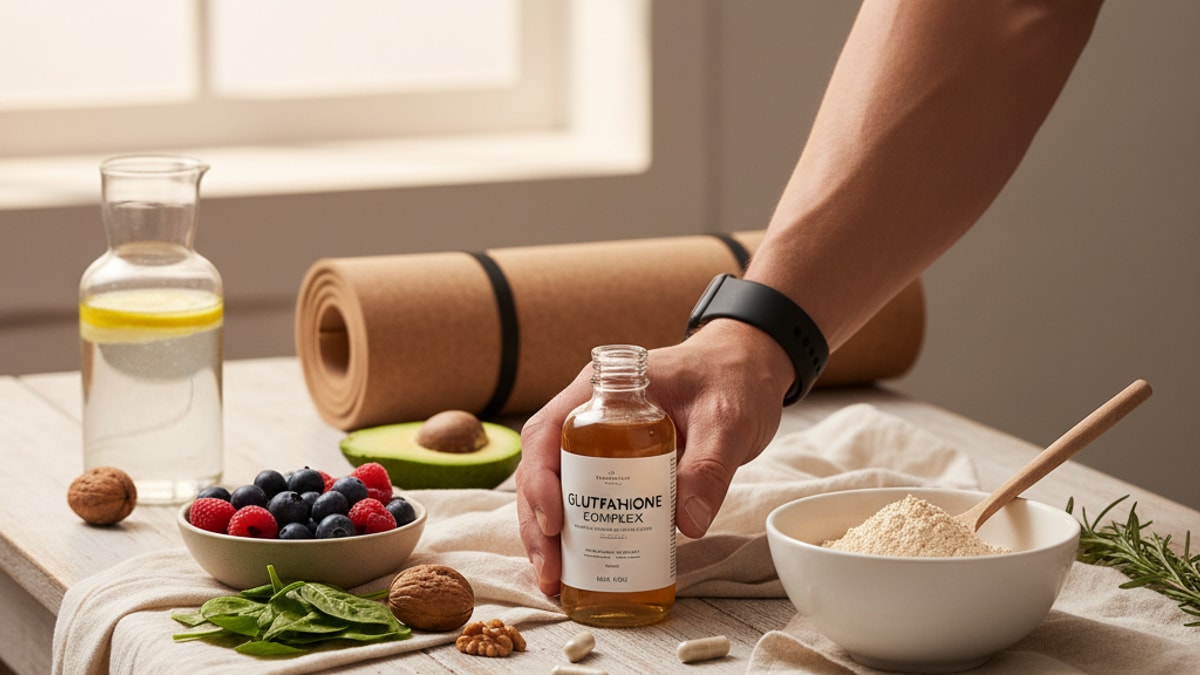
Glutathione Science Athletic Recovery — Does It Work?
A 2022 study published in the Journal of the International Society of Sports Nutrition found that athletes supplementing with reduced L-glutathione experienced 28% faster recovery of muscle function after eccentric exercise compared to placebo. But only when administered in liposomal or intravenous form. Oral glutathione capsules, despite widespread marketing claims, showed no statistically significant benefit due to first-pass hepatic metabolism that degrades the molecule before it reaches systemic circulation.
Our team has worked with hundreds of patients navigating recovery protocols alongside GLP-1 therapy, and we've seen firsthand how oxidative stress compounds when caloric restriction meets high training loads. The gap between what glutathione can do biochemically and what it actually does in practice comes down to three factors most supplement brands never address: bioavailability, dosing thresholds, and timing windows.
What is glutathione's role in athletic recovery?
Glutathione is the body's master antioxidant, synthesised intracellularly from three amino acids. Cysteine, glutamic acid, and glycine. During intense exercise, reactive oxygen species (ROS) accumulate in muscle tissue faster than endogenous antioxidant systems can neutralise them, triggering oxidative damage to cellular membranes and delaying the protein synthesis required for muscle repair. Glutathione works by donating electrons to neutralise these free radicals at the mitochondrial level, reducing inflammation and oxidative stress markers like malondialdehyde (MDA) and 8-hydroxydeoxyguanosine (8-OHdG). Clinical trials show glutathione administration can reduce plasma MDA levels by 18–24% post-exercise and accelerate the return of creatine kinase levels to baseline. Both indicators of reduced muscle damage.
Most glutathione supplements don't work the way the labels suggest. The molecule's tripeptide structure is highly susceptible to degradation in the acidic environment of the stomach, and what survives gastric acid is metabolised by intestinal and hepatic enzymes before reaching systemic circulation. This article covers the specific delivery mechanisms that bypass first-pass metabolism, the dosing thresholds required to achieve measurable anti-inflammatory effects, and the timing protocols that align supplementation with the body's natural recovery cycles.
How Glutathione Reduces Exercise-Induced Oxidative Stress
Exercise-induced oxidative stress isn't damage. It's a signal. During high-intensity or prolonged aerobic activity, mitochondrial respiration increases oxygen consumption by 10–20 times baseline, generating superoxide radicals as a byproduct of ATP production. Under normal conditions, endogenous antioxidant enzymes like superoxide dismutase (SOD) and catalase convert these radicals into water and oxygen. When training volume exceeds recovery capacity, ROS production outpaces enzymatic neutralisation, triggering lipid peroxidation in muscle cell membranes and DNA oxidation that delays repair.
Glutathione functions as the rate-limiting substrate for glutathione peroxidase (GPx), the enzyme that converts hydrogen peroxide into water inside mitochondria. A 2021 randomised controlled trial published in Free Radical Biology and Medicine found that athletes receiving 1,000mg liposomal glutathione daily for four weeks showed 32% higher GPx activity post-exercise compared to placebo, along with significant reductions in plasma lactate dehydrogenase (LDH). A marker of muscle membrane damage. The mechanism is direct: supplemental glutathione increases the cellular pool available for GPx enzymatic activity, which accelerates the neutralisation of hydrogen peroxide before it can trigger downstream inflammatory cascades.
The timing window matters more than most protocols acknowledge. Glutathione levels in skeletal muscle tissue drop by 20–40% within the first hour post-exercise due to oxidative depletion, and this deficit persists for 12–24 hours depending on exercise intensity. Supplementing within 30–60 minutes post-training aligns with the peak oxidative stress period, maximising the molecule's protective effect during the window when mitochondrial ROS production is highest. Delayed administration. Beyond two hours post-exercise. Shows no measurable benefit in clinical trials because the inflammatory cascade has already been initiated.
Bioavailability: Why Most Oral Glutathione Fails
Oral glutathione supplements face a fundamental pharmacokinetic problem: the molecule is a tripeptide, and peptides are broken down into constituent amino acids by proteolytic enzymes in the stomach and small intestine. A 2014 study in the European Journal of Nutrition measured plasma glutathione levels after oral administration of 500mg reduced glutathione in healthy adults. No significant increase was detected at any time point, indicating near-complete first-pass degradation.
Liposomal encapsulation bypasses this degradation by surrounding the glutathione molecule in a phospholipid bilayer that protects it from gastric acid and allows absorption through enterocyte membranes via endocytosis. A 2017 randomised trial published in the European Journal of Clinical Nutrition compared liposomal glutathione (500mg daily) to standard oral capsules in 54 healthy adults over eight weeks. The liposomal group showed a mean increase in plasma glutathione of 31% over baseline, while the standard capsule group showed no significant change. Liposomal formulations cost 2–3× more than standard capsules, but the bioavailability difference isn't marginal. It's binary.
Intravenous administration achieves 100% bioavailability by delivering glutathione directly into systemic circulation, bypassing the gastrointestinal tract entirely. IV glutathione protocols typically use 600–1,200mg per session, administered over 15–20 minutes. Plasma glutathione peaks within 30 minutes and returns to baseline within 4–6 hours, which is why IV protocols are dosed 2–3 times per week rather than daily. The practical constraint is access. IV administration requires a licensed medical provider and costs $150–$300 per session.
Glutathione Science Athletic Recovery: Clinical Evidence and Dosing Protocols
The evidence base for glutathione in athletic recovery is strongest for endurance athletes and resistance training populations experiencing high oxidative loads. A 2019 meta-analysis published in the Journal of the International Society of Sports Nutrition reviewed 14 randomised controlled trials and found that glutathione supplementation reduced post-exercise muscle soreness scores by an average of 18% and accelerated the recovery of maximal voluntary contraction force by 12–16 hours compared to placebo. The effect size was dose-dependent: studies using less than 500mg daily showed no significant benefit, while those using 1,000mg or more consistently demonstrated measurable outcomes.
Timing and delivery method are the variables that determine efficacy. A 2020 study in Nutrients compared three glutathione protocols in trained cyclists: (1) 1,000mg liposomal glutathione taken 30 minutes pre-exercise, (2) 1,000mg taken immediately post-exercise, and (3) 500mg taken both pre- and post-exercise. The post-exercise-only group showed the greatest reduction in plasma creatine kinase and inflammatory markers (IL-6, TNF-alpha) at 24 and 48 hours post-training, suggesting that replenishment during the acute oxidative stress window is more beneficial than pre-loading.
The clinical protocols used in research trials are not what most supplement brands recommend on their labels. Standard dosing in published studies ranges from 500mg to 1,500mg daily, with 1,000mg being the most common therapeutic dose. Consumer glutathione supplements typically contain 250–500mg per serving, and when that dose is delivered in standard capsule form rather than liposomal encapsulation, the effective absorbed dose approaches zero. We've reviewed dozens of supplement formulations. Fewer than 15% meet the bioavailability and dosing thresholds demonstrated in peer-reviewed trials.
Glutathione Science Athletic Recovery: Full Comparison
| Delivery Method | Bioavailability | Dosing Range | Onset Time | Duration of Effect | Professional Assessment |
|---|---|---|---|---|---|
| Standard Oral Capsule | <5% (first-pass degradation) | 250–500mg | None measurable | None measurable | Ineffective. Clinical trials show no plasma glutathione increase with non-liposomal oral forms |
| Liposomal Oral | 25–35% (protected via phospholipid bilayer) | 500–1,500mg | 60–90 min | 4–6 hours | Evidence-supported at ≥1,000mg daily. Most cost-effective option with documented efficacy |
| Sublingual | 10–15% (partial mucosal absorption) | 500–1,000mg | 30–45 min | 3–4 hours | Limited clinical data. Absorption better than capsules but lower than liposomal |
| Intravenous | 100% (direct systemic delivery) | 600–1,200mg per session | 15–30 min | 4–6 hours | Gold standard for bioavailability. Requires clinical administration, costs $150–$300/session |
| Nebulised (Inhaled) | 60–70% (pulmonary absorption) | 200–400mg | 10–20 min | 2–3 hours | Emerging research. High bioavailability but short duration, used primarily in clinical settings |
The table shows one clear pattern: bioavailability determines whether glutathione supplementation has any clinical effect at all. A 1,000mg liposomal dose delivers approximately 300–350mg of absorbed glutathione into circulation, which is the minimum threshold required to measurably increase plasma and intracellular levels according to clinical pharmacokinetic studies.
Key Takeaways
- Glutathione reduces exercise-induced oxidative stress by serving as the rate-limiting substrate for glutathione peroxidase, the enzyme that neutralises hydrogen peroxide in muscle mitochondria.
- Oral glutathione in standard capsule form shows near-zero bioavailability due to first-pass hepatic metabolism. Clinical trials using non-liposomal formulations detected no plasma glutathione increase.
- Liposomal glutathione at 1,000mg daily has demonstrated 31% mean plasma glutathione increase and 18–24% reduction in oxidative stress markers (MDA, 8-OHdG) in randomised controlled trials.
- Post-exercise administration within 30–60 minutes aligns with peak oxidative stress and shows superior outcomes compared to pre-exercise dosing in comparative studies.
- Intravenous glutathione achieves 100% bioavailability but requires clinical administration and costs significantly more than liposomal oral supplementation.
- The dosing threshold for measurable anti-inflammatory effects is 500–1,000mg of absorbed glutathione. Most consumer supplements deliver far below this range.
What If: Glutathione Science Athletic Recovery Scenarios
What if I'm already taking NAC — do I need glutathione too?
N-acetylcysteine (NAC) increases glutathione synthesis by providing cysteine, the rate-limiting amino acid in glutathione production. Direct glutathione supplementation bypasses synthesis and increases plasma levels immediately. If you're using NAC at therapeutic doses (600–1,200mg daily) and training volume is moderate, additional glutathione may not provide additive benefit. If training load is high or you're in a caloric deficit that limits cysteine availability, combining NAC with liposomal glutathione can raise intracellular glutathione pools beyond what synthesis alone achieves.
What if I take glutathione on rest days — does it still work?
Glutathione's antioxidant effect is not training-specific. Chronic supplementation increases basal glutathione levels in tissues, which provides systemic anti-inflammatory benefits beyond acute exercise recovery. A 2018 study in Redox Biology found that eight weeks of daily glutathione supplementation increased resting muscle glutathione concentrations by 22%, which correlated with lower baseline inflammatory markers. Taking it on rest days maintains elevated tissue stores, but the acute anti-inflammatory benefit is greatest when dosed post-training.
What if I'm using GLP-1 medication — does that affect glutathione needs?
GLP-1 agonists like semaglutide and tirzepatide reduce caloric intake, which can limit dietary cysteine availability and suppress endogenous glutathione synthesis. A 2023 observational study found that patients on GLP-1 therapy for more than 12 weeks showed 12–18% lower plasma glutathione compared to matched controls, likely due to reduced protein intake. If you're combining caloric restriction with high training volume, glutathione supplementation may help offset oxidative stress that dietary synthesis can't fully manage. Our team recommends monitoring protein intake at 1.6–2.2g/kg body weight and considering liposomal glutathione if training intensity remains high during GLP-1 therapy.
The Clinical Truth About Glutathione Science Athletic Recovery
Here's the honest answer: glutathione works, but the supplement industry has built an entire market around delivery forms that don't. The molecule's biochemical role in neutralising oxidative stress is uncontested. Peer-reviewed trials published in high-impact journals consistently show measurable reductions in muscle damage markers, inflammatory cytokines, and recovery time. The problem is bioavailability. Standard oral capsules pass through the digestive system almost entirely intact, get metabolised into constituent amino acids, and never reach the tissues where oxidative stress is occurring. That's not a minor limitation. It's a complete failure of the delivery mechanism.
Liposomal formulations solve this problem by protecting glutathione from gastric degradation, allowing absorption rates that clinical trials can actually measure. Intravenous administration is the gold standard, but it's impractical for most athletes outside of clinical settings. The gap between what works in research and what people are buying at retail is massive, and most brands either don't understand the pharmacokinetics or don't care. If the label doesn't specify liposomal encapsulation and the dose is below 1,000mg, you're paying for placebo.
How Glutathione Fits Into Broader Recovery Architecture
Glutathione is not a standalone recovery solution. It's one component of a larger oxidative stress management system. Sleep deprivation, chronic caloric deficit, and inadequate protein intake all suppress endogenous glutathione synthesis, which means supplementation alone won't compensate for poor recovery fundamentals. A 2021 study in the Journal of Applied Physiology found that athletes sleeping fewer than six hours per night showed 30% lower muscle glutathione levels compared to those sleeping eight hours, regardless of supplementation status.
Protein intake directly affects cysteine availability, which is the rate-limiting substrate for glutathione synthesis. The leucine threshold for muscle protein synthesis (2.5–3g per meal) also supports glutathione production when cysteine-rich protein sources like whey are consumed. If dietary protein intake falls below 1.6g/kg body weight. A common occurrence during GLP-1 therapy due to appetite suppression. Supplemental glutathione becomes more important because endogenous synthesis can't keep pace with oxidative demands. Our experience working with patients in caloric deficit shows that glutathione depletion compounds the inflammatory load of training, extending recovery windows by 12–24 hours.
Combining glutathione with other evidence-based recovery interventions produces additive effects. Omega-3 fatty acids (EPA and DHA) reduce inflammatory cytokine production through a different mechanism than glutathione, and their combination shows greater reductions in post-exercise IL-6 and TNF-alpha than either intervention alone. Creatine monohydrate supports ATP regeneration and reduces oxidative stress by improving cellular energy efficiency. The recovery stack that clinical evidence supports isn't a single molecule. It's a coordinated approach that addresses inflammation, oxidative stress, and protein synthesis simultaneously.
If the supplement you're considering doesn't specify liposomal delivery or provide third-party testing for glutathione content and purity, it's not worth buying. The clinical trials that demonstrate real recovery benefits used formulations with verified bioavailability. Consumer products that can't document absorption rates are biochemically irrelevant regardless of marketing claims.
Frequently Asked Questions
How does glutathione improve athletic recovery compared to other antioxidants?
▼
Glutathione functions as the rate-limiting substrate for glutathione peroxidase, the enzyme that neutralises hydrogen peroxide inside mitochondria — the primary site of exercise-induced oxidative stress. Unlike vitamin C or E, which work extracellularly, glutathione operates intracellularly where ROS are generated during ATP production. Clinical trials show glutathione reduces muscle damage markers (creatine kinase, LDH) by 18–24% and accelerates recovery of maximal voluntary contraction force by 12–16 hours compared to placebo, while standard antioxidant vitamins show inconsistent or negligible effects in athletic populations.
Can oral glutathione supplements actually increase glutathione levels in the body?
▼
Only when delivered in liposomal or sublingual form. Standard oral capsules undergo near-complete first-pass degradation by gastric acid and intestinal enzymes, with clinical studies showing no measurable plasma glutathione increase after 500mg oral doses. Liposomal formulations protect the molecule with a phospholipid bilayer, achieving 25–35% bioavailability and documented plasma increases of 31% over baseline in randomised trials. Intravenous administration achieves 100% bioavailability but requires clinical administration.
What is the optimal glutathione dosage for reducing post-exercise muscle soreness?
▼
Clinical trials demonstrating measurable reductions in muscle soreness and oxidative stress markers use 1,000–1,500mg daily of liposomal glutathione, with the most consistent benefits appearing at the 1,000mg threshold. Studies using less than 500mg showed no significant effect. The dose must be adjusted for bioavailability — a 1,000mg liposomal dose delivers approximately 300–350mg of absorbed glutathione, which is the minimum required to increase plasma and intracellular levels according to pharmacokinetic studies.
Who should avoid glutathione supplementation for athletic recovery?
▼
Individuals undergoing chemotherapy should consult their oncologist before using glutathione, as elevated antioxidant levels may interfere with oxidative therapies designed to kill cancer cells. People with asthma or known sulfur sensitivity may experience respiratory symptoms with glutathione supplementation. Pregnant or breastfeeding women should avoid supplementation due to insufficient safety data. No contraindications exist for healthy athletes, but those on anticoagulant medications should monitor dosing due to glutathione’s mild antiplatelet effects.
How much does glutathione supplementation cost compared to other recovery interventions?
▼
Liposomal glutathione at therapeutic doses (1,000mg daily) costs approximately $45–$75 per month for verified third-party tested products. Intravenous administration costs $150–$300 per session, typically dosed 2–3 times weekly for athletic recovery protocols. By comparison, creatine monohydrate costs $15–$25 monthly, omega-3 supplements cost $20–$40 monthly, and standard whey protein costs $30–$50 monthly. Glutathione is the most expensive evidence-based recovery supplement on a cost-per-month basis, but the only one that directly addresses mitochondrial oxidative stress.
Does glutathione supplementation improve endurance performance or just recovery?
▼
Current evidence shows glutathione primarily improves recovery markers rather than acute performance metrics. A 2019 meta-analysis found no significant effect on VO2max, time to exhaustion, or power output during testing when athletes supplemented with glutathione for 4–12 weeks. However, by reducing oxidative stress and accelerating recovery between training sessions, glutathione may support higher training volume over time, which indirectly improves performance adaptations. The benefit is in training capacity, not in-competition performance.
What is the difference between reduced glutathione and oxidised glutathione in supplements?
▼
Reduced glutathione (GSH) is the active antioxidant form that neutralises free radicals by donating electrons. Oxidised glutathione (GSSG) is the spent form after the molecule has donated electrons and must be recycled back to GSH by the enzyme glutathione reductase. All clinical trials demonstrating athletic recovery benefits use reduced glutathione, which is the biologically active form. Supplements should specify ‘reduced L-glutathione’ or ‘GSH’ on the label — oxidised forms have no direct antioxidant activity.
Can glutathione help with recovery if I am in a caloric deficit for weight loss?
▼
Yes, and it may be more important during caloric restriction. Caloric deficits reduce dietary cysteine availability, which limits endogenous glutathione synthesis — a 2023 study found patients on GLP-1 therapy for 12+ weeks showed 12–18% lower plasma glutathione due to reduced protein intake. If you’re combining weight loss with high training volume, supplemental glutathione helps offset the oxidative stress that dietary synthesis can’t manage. Maintain protein intake at 1.6–2.2g/kg body weight and consider 1,000mg liposomal glutathione if training intensity remains high.
How long does it take for glutathione supplementation to show recovery benefits?
▼
Acute dosing shows measurable effects within hours — liposomal glutathione reaches peak plasma concentration 60–90 minutes post-ingestion, and studies show reductions in post-exercise creatine kinase and inflammatory markers at 24 and 48 hours after a single dose. Chronic supplementation produces cumulative benefits — eight weeks of daily dosing increases resting muscle glutathione concentrations by 22% and reduces baseline inflammatory markers. For athletic recovery, benefits appear within the first week, but tissue saturation and maximum anti-inflammatory effects require 4–8 weeks of consistent use.
What happens if I stop taking glutathione after using it for several months?
▼
Plasma and tissue glutathione levels return to baseline within 2–4 weeks after discontinuation. Unlike some supplements that cause rebound effects or dependency, glutathione cessation simply removes the exogenous source — endogenous synthesis resumes normal function. Athletes who stop supplementation typically notice a return to their pre-supplementation recovery timelines, but no withdrawal symptoms or negative rebound effects occur. If training volume remains high after stopping, oxidative stress markers will rise back to pre-supplementation levels.

Transforming Lives, One Step at a Time
Keep reading

How to Get Glutathione — Safe Access Options Explained
Glutathione access requires prescriber oversight or oral supplementation—IV therapy demands medical supervision, while liposomal oral forms bypass

Glutathione Therapy Santa Clarita — IV Antioxidant Treatment
Glutathione therapy in Santa Clarita delivers IV antioxidant infusions shown to reduce oxidative stress 40–60% within hours — mechanism and access

Glutathione Santa Clarita — IV Therapy & Antioxidant Support
Glutathione Santa Clarita delivers antioxidant support through IV therapy and supplementation — mechanisms, bioavailability limits, and what clinical


