What to Do While Taking Mounjaro for Best Results
Introduction
Starting a journey with a medication like Mounjaro® is often a moment of profound relief. For many, the constant “food noise”—those intrusive, persistent thoughts about the next meal—finally begins to quiet down. However, once the initial excitement settles, a new set of questions often emerges. You might wonder how to nourish your body when you no longer feel hungry, or how to handle the digestive changes that often accompany these treatments. At TrimRx, we believe that medication is just one part of a much larger picture of health. If you want to see whether this approach is a fit, you can take the free assessment quiz to check your eligibility. Knowing what to do while taking Mounjaro® is essential for managing side effects, protecting your metabolism, and achieving results that last long after your program begins. This guide covers the essential dietary, lifestyle, and supportive steps you should take to optimize your metabolic health during treatment.
Quick Answer: While taking Mounjaro®, prioritize high-protein meals and stay hydrated to maintain muscle mass and reduce nausea. Focus on a nutrient-dense diet rich in fiber and lean proteins, while avoiding greasy or high-sugar foods that can worsen digestive side effects.
How Mounjaro® Works within the Body
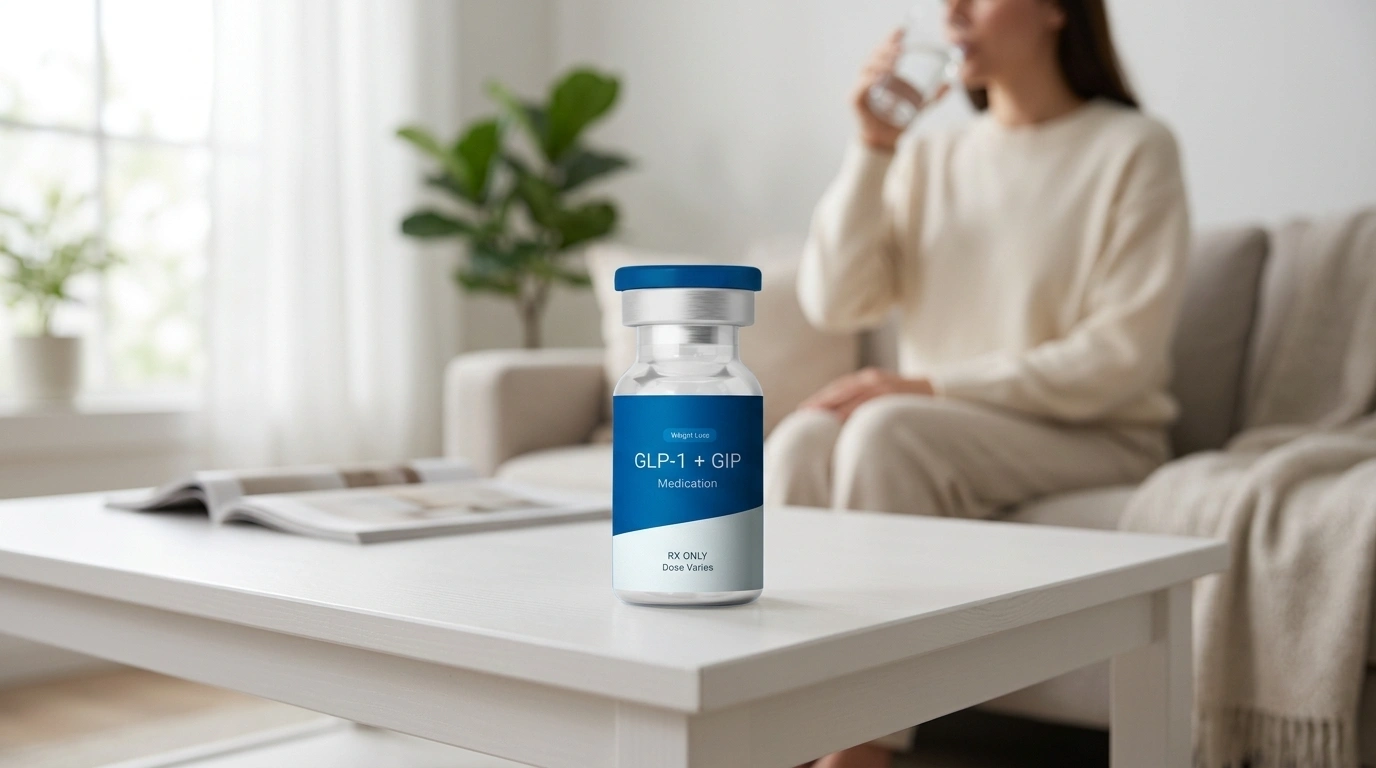
To understand what to do while taking this medication, it helps to understand how it interacts with your biology. Mounjaro® contains the active ingredient tirzepatide. This is a dual agonist, meaning it mimics two natural hormones in your body: glucagon-like peptide-1 (GLP-1) and glucose-dependent insulinotropic polypeptide (GIP). For a deeper look at the mechanism behind that effect, see how GLP-1 actually works for weight loss.
These hormones work together to regulate blood sugar and appetite. When you eat, these hormones are naturally released to tell your brain you are full. The medication provides a more sustained version of this signal. One of the primary ways it works is through delayed gastric emptying, which is a clinical term for slowing down the rate at which food leaves your stomach. This keeps you feeling fuller for a much longer period. However, because food stays in the digestive tract longer, your choices about what you eat become significantly more important for your comfort and health.
Prioritizing Protein for Muscle Health
One of the most important things you can do while taking a GLP-1 or GIP medication is to increase your protein intake. When the body loses weight rapidly, it does not just lose fat; it can also lose lean muscle mass. Maintaining muscle is vital because muscle tissue burns more calories at rest than fat tissue does. Protecting your muscle helps keep your metabolism strong.
Most clinical experts suggest aiming for a higher protein target than the standard daily minimum. For many individuals, this means consuming between 1.2 to 1.5 grams of protein per kilogram of body weight. Because your appetite is lower, you must be intentional about every bite. If you want a more detailed breakdown, what is the best protein for weight loss is a helpful next read.
Best Sources of Lean Protein
- Poultry and Seafood: Skinless chicken breast, turkey, and white fish are excellent low-calorie, high-protein options.
- Plant-Based Proteins: Tofu, tempeh, lentils, and chickpeas provide protein along with beneficial fiber.
- Low-Fat Dairy: Plain Greek yogurt and cottage cheese are easy to digest and very high in protein.
- Eggs: A versatile and complete protein source that is often well-tolerated.
Key Takeaway: Protein is your “metabolic insurance.” Prioritizing lean protein at every meal helps prevent muscle loss and keeps you feeling satisfied even with smaller portions.
Navigating Digestive Side Effects with Nutrition
The same mechanism that makes the medication effective—slower digestion—can also lead to gastrointestinal discomfort. Common side effects include nausea, constipation, and occasional diarrhea. These are usually most noticeable when you first start the medication or when your provider increases your dosage. If nausea is your biggest hurdle, Nausea and GLP-1 Medications: Solutions That Work covers practical ways to make meals easier.
Managing Nausea
If you feel nauseous, the best approach is to eat smaller, more frequent meals throughout the day rather than three large ones. Large meals can “sit” in the stomach too long, leading to a feeling of heaviness.
- Choose “Bland” Foods: Follow the BRAT principle (Bananas, Rice, Applesauce, Toast) if you are struggling to keep food down.
- Slow Down: It takes time for your stomach to signal to your brain that it is full. Eating too quickly can lead to overfilling, which causes immediate discomfort.
Combating Constipation
Because the digestive tract is moving more slowly, constipation is a frequent concern. Increasing your fiber intake is the primary solution, but it must be done gradually. Adding too much fiber too fast can cause bloating and gas. For a broader look at what patients typically experience, GLP-1 Medications and Bowel Changes: What’s Normal is a useful companion piece.
- Soluble Fiber: Found in oats, beans, and apples, this type of fiber absorbs water and helps move things along.
- Insoluble Fiber: Found in whole grains and vegetables, this provides the “bulk” needed for regular movements.
Myth: You should stop eating fiber if you feel bloated on Mounjaro®. Fact: While you may need to adjust the type of fiber, staying consistent with vegetable and whole-grain intake is actually necessary to prevent the long-term constipation that causes bloating.
Hydration and Electrolyte Management
Proper hydration is perhaps the most overlooked aspect of weight management. When you eat less, you also get less water from your food. Additionally, the process of burning fat and regulating blood sugar requires plenty of fluids.
Dehydration can often be mistaken for hunger or fatigue. If you are taking Mounjaro®, aim to drink at least 80 to 100 ounces of water daily. If you are experiencing side effects like diarrhea or increased sweating from exercise, you may also need to replenish your electrolytes—minerals like sodium, potassium, and magnesium that help your cells function.
What to Drink:
- Filtered Water: Your primary source of hydration.
- Ginger Tea: Excellent for soothing a nauseous stomach.
- Electrolyte-Enhanced Water: Look for options without added sugar or artificial dyes.
- Bone Broth: Provides both hydration and a small boost of protein and minerals.
Choosing the Right Carbohydrates and Fiber
Carbohydrates are not the “enemy,” but the type of carbohydrate you choose will dictate how you feel. Because the medication helps manage blood sugar, choosing low-glycemic carbohydrates can support the medication’s work.
Low-glycemic foods are those that are digested slowly, providing a steady stream of energy rather than a sharp spike in blood sugar. These are usually whole, unprocessed foods.
| Food Category | Choose These (Low Glycemic) | Limit These (High Glycemic) |
|---|---|---|
| Vegetables | Broccoli, Spinach, Asparagus, Peppers | Corn, Instant Potatoes |
| Grains | Quinoa, Steel-cut Oats, Barley | White Bread, Sugary Cereals |
| Fruits | Berries, Green Apples, Cherries | Watermelon, Dried Dates |
| Snacks | Raw Nuts, Hummus, Seeds | Pretzels, Crackers, Candy |
Foods and Drinks to Limit or Avoid
While we emphasize a balanced approach rather than strict restriction, some foods are known to clash with how Mounjaro® works in the body. Avoiding these can significantly improve your daily comfort levels.
High-Fat and Fried Foods
Because fat takes longer to digest than any other macronutrient, combining high-fat foods with a medication that already slows digestion can be a recipe for disaster. This often leads to severe indigestion or “sulfur burps,” which occur when food sits in the stomach for too long.
Sugary Beverages and Foods
The goal of treatment is often to improve metabolic health and insulin sensitivity. High-sugar items like sodas, juices, and sweets cause rapid blood sugar spikes that work against the medication’s primary function.
Alcohol
Alcohol can be complicated while on this medication. Many people find that their “urge” to drink diminishes. However, if you do choose to drink, be aware that alcohol can increase the risk of low blood sugar and can worsen gastrointestinal side effects. It also adds “empty calories” that provide no nutritional value to your limited daily intake.
Lifestyle Habits for Long-Term Success
What you do outside of the kitchen is just as important as what you put on your plate. To get the most out of your program, focus on these three pillars:
Resistance Training
As mentioned, muscle preservation is key. While walking is excellent for cardiovascular health, resistance training (using weights, bands, or your own body weight) tells your body to keep its muscle while burning fat. Even two sessions a week can make a significant difference in your body composition. For a closer look at energy changes during treatment, GLP-1 Medications and Energy Levels: What to Expect is worth reading.
Mindful Eating
Since your stomach’s capacity is effectively reduced, you must become an expert at listening to your body’s “fullness” cues.
- Chew thoroughly: This aids the digestion process that is already slowed down.
- Stop before you are full: Because of the delay in signaling, you might actually be full five minutes before you feel it.
- Avoid distractions: Eating while watching TV or scrolling on a phone can lead to mindless overeating and subsequent discomfort.
Quality Sleep
Metabolic health is closely tied to the circadian rhythm. Lack of sleep can increase cortisol levels, which may hinder weight loss and increase cravings for high-sugar “quick energy” foods. Aim for 7–9 hours of quality rest.
Establishing a Sustainable Routine
Starting a weight loss program can feel overwhelming. At TrimRx, we focus on making the process as simple as possible through our telehealth platform. You don’t have to guess what to do; we provide the structure you need.
Step-by-Step: How to Start Your Program
- Complete the Assessment: Take the free assessment quiz to share your health history and goals.
- Provider Consultation: A licensed healthcare provider will review your profile to determine if a GLP-1 or GIP medication is appropriate for you.
- Personalized Plan: If eligible, you’ll receive a treatment plan tailored to your needs, including the medication and dosage that fits your profile.
- Ongoing Support: You get 24/7 access to specialists who can help you manage side effects and adjust your habits as you progress.
- Supplement Integration: Many people find that adding GLP-1 Daily Support supplement helps manage nutrient gaps during treatment.
Bottom line: Success on Mounjaro® isn’t just about the injection; it’s about creating a lifestyle where nutrient-dense food, consistent hydration, and physical movement support the medication’s work.
Understanding the Role of Personalized Care
Every body responds differently to tirzepatide. Some people may find they can eat almost anything in smaller portions, while others may find they are suddenly sensitive to foods they used to love. This is why a personalized approach is so important.
Our platform is designed to move away from the “one-size-fits-all” model of weight loss. We provide access to compounded medications from FDA-registered and inspected pharmacies, ensuring you have a consistent supply and a dosage schedule that reflects your specific progress. Whether you are using Mounjaro®, Ozempic®, or a compounded version like Compounded Semaglutide or Compounded Tirzepatide, the goal remains the same: sustainable, science-backed health.
Finding Support Along the Way
The emotional weight of a weight loss journey is real. It is common to feel anxious about doing things “right.” Please remember that perfection is not the goal—consistency is. If you have a day where you don’t hit your protein goal or you eat something that doesn’t sit well, don’t view it as a failure. Use it as data to help you make a better choice the next day. If you want extra energy support during weight loss, the Weight Loss Boost supplement may fit into that routine.
Our mission at TrimRx is to be your partner in this transformation. We combine the clinical power of modern medications with the empathy and transparency you deserve. By focusing on the steps outlined in this guide—prioritizing protein, staying hydrated, and moving your body—you are setting yourself up for a healthier future. If you’re ready to take the next step, complete the free assessment quiz and see whether a personalized program is right for you.
FAQ
Can I eat carbohydrates while taking Mounjaro?
Yes, you can and should eat carbohydrates, as they are your body’s preferred energy source. However, it is best to focus on complex, high-fiber carbohydrates like quinoa, berries, and non-starchy vegetables. These provide steady energy and help prevent the constipation that can sometimes occur with this medication. For a deeper dive into fiber choices, Fiber on Ozempic: Why It Matters and How to Get Enough is a helpful companion piece.
What should I do if I feel too nauseous to eat?
If nausea is making it difficult to eat, try switching to small, bland snacks throughout the day rather than full meals. Sipping on ginger tea or cold water can also help settle the stomach. If the nausea persists for more than a few days or becomes severe, it is important to consult your healthcare provider to discuss a potential dosage adjustment. You can also review Nausea and GLP-1 Medications: Solutions That Work for more practical meal ideas.
How much protein do I really need each day?
While individual needs vary based on your weight and activity level, a common goal for those on GLP-1 medications is at least 60 to 100 grams of protein per day. This helps protect your lean muscle mass during active weight loss. Focusing on high-quality sources like lean meats, eggs, or plant-based proteins at every meal is the most effective way to hit this target.
Is it safe to exercise while taking this medication?
Yes, exercise is highly recommended and is a key component of a successful weight loss program. Resistance training is particularly beneficial for maintaining muscle mass, while walking or other cardio supports heart health. Just be sure to stay hydrated and listen to your body, as your energy levels may fluctuate as you adjust to the medication. If you want a low-friction starting point, Walking on Ozempic: How Much You Need and What It Adds is a good place to start.
Disclaimer: This content is for informational purposes only and does not constitute medical advice. It is not intended to diagnose, treat, cure, or prevent any disease or condition. Individual results may vary. Always consult a qualified healthcare professional before starting any weight loss program or medication.

Transforming Lives, One Step at a Time
Keep reading

Mounjaro Alternatives: What Else to Consider
If Mounjaro isn’t the right fit, the closest alternatives are other GLP-1 medications, chiefly semaglutide (Ozempic for diabetes, Wegovy for weight), along with a…

Mounjaro vs Zepbound: Same Drug, Two Brands
Like their semaglutide counterparts, Mounjaro and Zepbound are the same medication (tirzepatide) sold under two names for two purposes: Mounjaro is approved for type…

Retatrutide vs Mounjaro: Triple Agonist vs Dual Agonist
The core difference between retatrutide and Mounjaro comes down to how many hormone targets each hits: retatrutide activates three receptors, while Mounjaro (tirzepatide) activates…


