What to Expect When You Start Taking Mounjaro
Introduction
Starting a new medical weight loss journey often feels like a mix of excitement and uncertainty. If you have spent years navigating the cycle of restrictive dieting and regained weight, the prospect of a medication like Mounjaro® can feel like a significant turning point. However, it is natural to have questions about how your body will react in those first few days, weeks, and months. At TrimRx, we believe that understanding the clinical process and the physical transitions ahead is the best way to set yourself up for long-term success. This article outlines the typical timeline for starting this medication, from the biological mechanism of the drug to managing early side effects and witnessing your first results. If you want to see whether a personalized program is the right next step, you can take the free assessment quiz to get started with confidence.
The Science of Dual Agonism
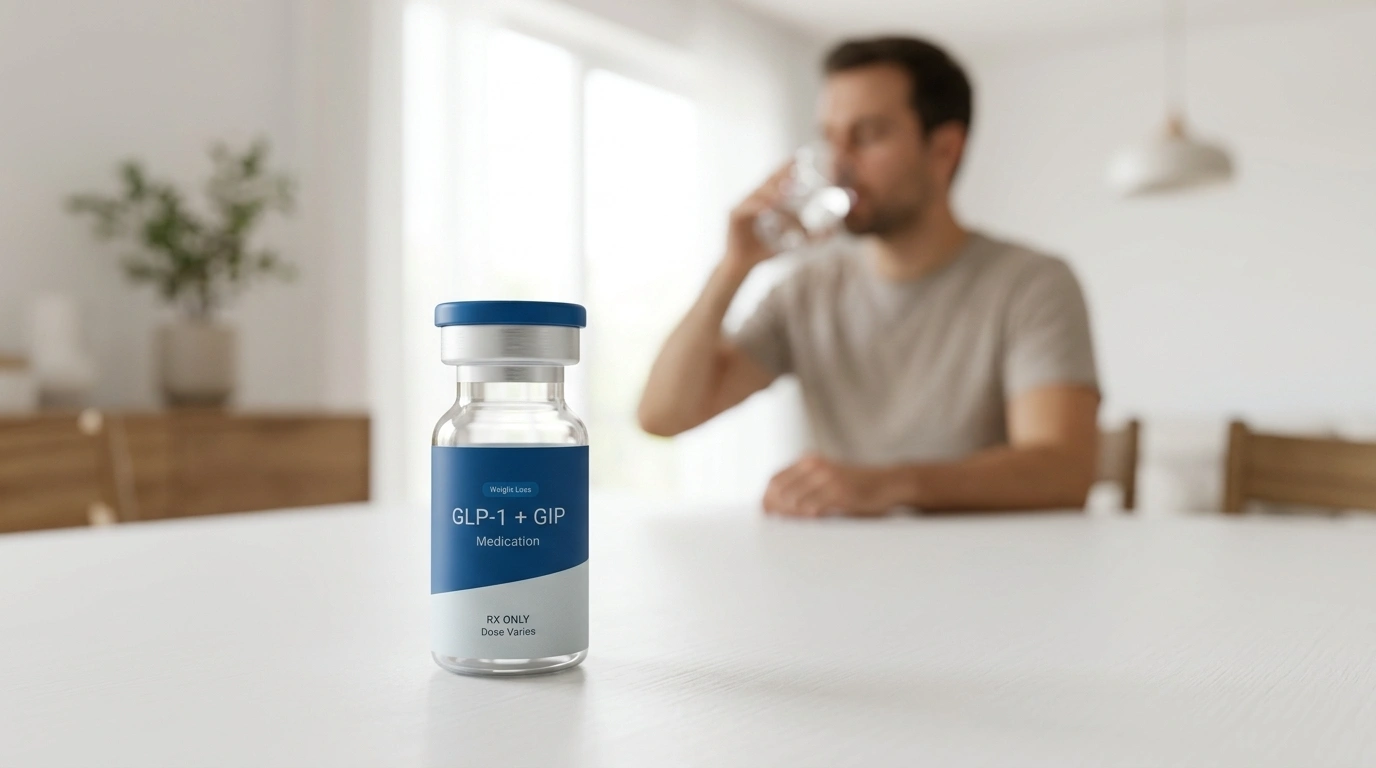
Before you take your first dose, it is helpful to understand what is happening inside your body. Mounjaro is a branded medication known generically as tirzepatide. It belongs to a class of drugs called receptor agonists. Unlike earlier medications that only targeted one hormone pathway, tirzepatide is a dual agonist. This means it mimics two different natural hormones in your body: glucagon-like peptide-1 (GLP-1) and glucose-dependent insulinotropic polypeptide (GIP).
The GLP-1 component works primarily in the gut and the brain. It slows down gastric emptying, which is the speed at which food leaves your stomach. This helps you feel full for a longer duration after eating. It also sends signals to the brain’s reward center to reduce cravings. If you want a deeper breakdown of the biology, our guide on how GLP-1 actually works for weight loss explains the mechanism in more detail. The GIP component is thought to complement this by improving how your body breaks down sugar and fats. Together, these two pathways help regulate your metabolism and appetite more effectively than lifestyle changes alone might achieve.
Preparing for Your First Dose
Your journey begins with a clinical consultation to ensure the medication is appropriate for your health profile. This involves a review of your medical history, current body mass index (BMI), and any underlying conditions. Once you are cleared by a licensed provider, you will receive your medication and instructions for use. If you want a step-by-step walkthrough of administration, our article on how to inject tirzepatide at home is a helpful place to start.
Most people receive the medication in a single-dose pen. It is important to keep these pens refrigerated between 36°F and 46°F. If you are traveling, the medication can remain at room temperature for up to 21 days, provided it stays below 86°F and is kept away from direct light.
Before your first injection, choose a consistent “medication day.” Most people find that a Friday or Saturday works best, as it allows them to navigate any initial side effects over the weekend. You can inject the medication into your abdomen, thigh, or the back of your upper arm. Rotating your injection site each week is a critical step to prevent skin irritation or the buildup of fatty tissue under the skin.
The First 24 to 72 Hours
The first few days after your initial injection are often referred to as the “loading phase.” You will typically start on a 2.5 mg dose. This is not considered a therapeutic dose for significant weight loss; rather, it is designed to introduce the medicine to your system slowly.
Within the first 24 to 72 hours, the medication reaches its peak concentration in your blood. During this window, you may notice a curious sensation often described by patients as the “quieting” of food noise. Food noise refers to the intrusive, constant thoughts about what your next meal will be or the urge to snack even when you are not physically hungry. If you are dealing with early queasiness, our guide on Nausea and GLP-1 Medications: Solutions That Work covers practical ways to manage that first-dose window.
Key Takeaway: The initial 2.5 mg dose is primarily intended to help your body acclimate to the medication and minimize gastrointestinal distress, rather than to trigger immediate, rapid weight loss.
While some people feel a sudden drop in appetite immediately, others may not notice a change until several doses in. Both experiences are medically normal. Your body is beginning to adjust its hormonal signaling, and this process takes time.
Week One: The Transition Period
As you complete your first week, your primary focus will be on monitoring your body’s reaction. Because the medication slows down your digestion, your gastrointestinal system is the most likely area to experience changes. For a deeper look at that side effect, see our guide on why GLP-1 medications cause constipation.
Common experiences during week one include:
- Mild nausea, particularly after eating high-fat or sugary foods.
- A feeling of being “stuffed” after only a few bites of food.
- Changes in bowel habits, such as mild constipation or diarrhea.
- Slight fatigue as your body adjusts to a lower caloric intake.
It is essential to stay hydrated during this time. Because your thirst signals can sometimes be dampened along with your hunger signals, you must make a conscious effort to drink water throughout the day. Dehydration can worsen nausea and lead to headaches, making the transition more difficult than it needs to be.
Month One: Building the Foundation
Throughout your first four weeks, you will remain on the 2.5 mg dose. Many people are eager to increase their dosage quickly to see faster results, but clinical protocols prioritize safety and tolerance.
By the end of the first month, many individuals report losing a small amount of weight—often between 2% and 4% of their starting body weight. However, it is important to remember that some people lose no weight at all during this first month. This does not mean the medication is not working. It simply means your body requires the higher therapeutic doses that come later in the program to begin metabolizing fat stores.
This month is also the time to establish new habits. Since your appetite is reduced, you have a unique opportunity to choose nutrient-dense foods without feeling the usual pressure of intense cravings. Focus on lean proteins, fiber-rich vegetables, and healthy fats.
Month Two: Moving to the 5 mg Dose
If you have tolerated the starting dose well, your provider will likely move you up to the 5 mg dose at the start of week five. This is often when the weight loss process becomes more visible.
When you increase your dose, you might experience a temporary recurrence of the side effects you felt in week one. This is because your body is reacting to a higher concentration of the dual agonists. Most people find that these symptoms peak a day or two after the first 5 mg injection and then fade as the week progresses.
During month two, you may notice “non-scale victories.” These include:
- Better sleep quality due to reduced systemic inflammation.
- More consistent energy levels throughout the day without “sugar crashes.”
- Clothes fitting more loosely, even if the number on the scale hasn’t moved significantly.
Managing Common Side Effects
While most side effects are mild to moderate, they can be frustrating. Managing them effectively is the key to staying consistent with your program. For a more detailed look at one of the most common experiences, read our guide on nausea and GLP-1 medications.
Nausea and Indigestion If you feel nauseated, try eating smaller, more frequent meals rather than three large ones. Avoid lying down immediately after eating, as the slowed digestion can lead to acid reflux. Bland foods like crackers, ginger tea, or bananas can help soothe an upset stomach.
Constipation Slowed gastric emptying means food stays in your colon longer, which can lead to constipation. Increasing your fiber intake through foods like berries, beans, and chia seeds is helpful. If lifestyle changes aren’t enough, consult your healthcare provider about over-the-counter fiber supplements or stool softeners.
The “Sulphur Burp” Some patients experience burps that have a distinct, unpleasant smell. This happens because food is sitting in the stomach longer and undergoing a different fermentation process. Reducing your intake of heavy proteins and cruciferous vegetables in the evening can often alleviate this.
Bottom line: Side effects are usually a sign that the medication is affecting your digestive speed as intended, but they should always be manageable. If they become severe or persistent, contact your medical provider immediately.
Nutrition and Muscle Preservation
One of the most important aspects of what to expect when starting this medication is the change in your nutritional needs. Because you are eating less, every bite you take needs to work harder for your health.
A common concern with rapid weight loss is the loss of lean muscle mass. To protect your muscles, we recommend prioritizing protein at every meal. Aim for sources like chicken, fish, tofu, Greek yogurt, or lean beef.
If you are looking for daily nutritional support while appetite is lower, our GLP-1 Daily Support supplement can help you stay consistent with your routine.
For added energy and metabolic support during weight loss, our Weight Loss Boost supplement can also be part of your routine.
In addition to protein, focus on complex carbohydrates. These provide the energy your brain needs to function without causing the sharp insulin spikes that the medication is trying to stabilize.
The Mental and Emotional Shift
The physical changes are only one part of the experience. Many people find the mental shift even more profound. When you no longer spend hours a day thinking about food, you may find yourself with a surplus of mental energy.
This can be a double-edged sword. For some, food was a primary coping mechanism for stress or boredom. When that mechanism is removed by the medication, it is important to find new ways to manage emotions. This might include light exercise, picking up a forgotten hobby, or practicing mindfulness.
You may also notice a change in your social life. Much of our social interaction revolves around eating and drinking. You might find that you cannot finish a standard restaurant portion or that your interest in alcohol decreases. Preparing for these social shifts is an essential part of the long-term journey.
Navigating Weight Loss Plateaus
As you move into months three, four, and beyond, your weight loss may not always be a straight line downward. It is common to experience a plateau, where your weight stays the same for two or three weeks. If you want a deeper explanation of that phase, our post on weight loss plateau on semaglutide explores why it happens and what to expect.
This is a natural physiological response. Your body is “resetting” its internal thermostat and adjusting to its new, lower weight. During a plateau, your body is often still changing composition—dropping body fat percentage while maintaining muscle. Do not be discouraged by a temporary stall. Your provider may choose to increase your dose or suggest a change in your exercise routine to help move past the plateau.
Telehealth and the TrimRx Experience
We provide a modern approach to this process through our telehealth platform. Instead of sitting in waiting rooms or navigating pharmacy shortages, you receive a personalized program designed by licensed providers who specialize in metabolic health.
Our program includes:
- An initial medical assessment to see whether you qualify, starting with the free assessment quiz.
- Access to prescriptions for medications like Mounjaro or compounded alternatives.
- Ongoing medical supervision to manage your dosage titration.
- Unlimited support from our specialist team to answer your questions.
It is important to note the distinction regarding medication types. While we discuss branded options like Mounjaro®, Ozempic®, and Wegovy® for educational purposes, many of our patients utilize compounded versions of these medications. Compounded Semaglutide and Compounded Tirzepatide are prepared by FDA-registered and inspected compounding pharmacies to ensure high standards of quality. While these compounded versions are not FDA-approved in the same way branded drugs are, they provide a vital pathway for patients to access treatment, especially during periods of national supply shortages.
Realistic Long-Term Expectations
Clinical studies, such as the SURMOUNT trials, have shown that individuals using tirzepatide can lose a significant percentage of their body weight over a 72-week period when combined with lifestyle changes. Many participants in these studies saw weight reductions of 15% to 20% or more.
However, this is not a “quick fix.” The most successful patients are those who view the medication as a tool that allows them to finally implement the healthy habits they have always wanted to maintain. It is a marathon, not a sprint.
Key Takeaway: Sustainable weight loss is about more than just a number on the scale; it is about metabolic health, reduced inflammation, and improved quality of life.
Next Steps in Your Journey
If you are ready to stop the cycle of frustrated dieting and start a science-backed program, the next step is simple. You do not need to navigate the complexities of GLP-1 and GIP medications alone. Our team is here to guide you through every titration, every side effect, and every milestone.
- Complete the free assessment quiz on our platform.
- Meet with a licensed provider virtually to discuss your goals.
- Receive your personalized treatment plan and medication.
- Begin your journey with 24/7 access to our support team.
We are committed to a transparent, empathetic approach. Our mission is to help you embrace a healthier lifestyle through a program that is as unique as your own health profile.
FAQ
How long does it take to see weight loss on Mounjaro?
While some people notice a slight change in the first two weeks, significant weight loss usually begins once you move past the initial 2.5 mg loading dose and onto the 5 mg or 7.5 mg doses. Most clinical results are measured over a period of 6 to 12 months, as the medication is designed for steady, sustainable progress rather than an overnight drop.
What should I do if I miss a dose?
If you miss a dose, you should take it as soon as you remember, provided it is within 4 days (96 hours) of your scheduled day. If more than 4 days have passed, skip the missed dose entirely and wait until your next regularly scheduled day. Never take two doses within 3 days of each other, as this significantly increases the risk of severe side effects.
Can I drink alcohol while taking this medication?
While there is no direct contraindication, many people find that their desire for alcohol decreases significantly while on the medication. Alcohol can also increase the risk of gastrointestinal side effects like nausea and can lead to dehydration. It is best to limit alcohol intake, especially during the first few weeks as your body adjusts.
Why am I feeling so tired after starting my injections?
Fatigue is a common side effect during the first few weeks. It often happens because your body is taking in fewer calories than it is used to, and your metabolism is adjusting to new hormonal signals. Ensuring you are eating enough protein, staying hydrated, and getting adequate sleep can help alleviate this temporary dip in energy. For a deeper dive into the pattern, see our guide on GLP-1 medications and energy levels.
Disclaimer: This content is for informational purposes only and does not constitute medical advice. It is not intended to diagnose, treat, cure, or prevent any disease or condition. Individual results may vary. Always consult a qualified healthcare professional before starting any weight loss program or medication.

Transforming Lives, One Step at a Time
Keep reading

Mounjaro Alternatives: What Else to Consider
If Mounjaro isn’t the right fit, the closest alternatives are other GLP-1 medications, chiefly semaglutide (Ozempic for diabetes, Wegovy for weight), along with a…

Mounjaro vs Zepbound: Same Drug, Two Brands
Like their semaglutide counterparts, Mounjaro and Zepbound are the same medication (tirzepatide) sold under two names for two purposes: Mounjaro is approved for type…

Retatrutide vs Mounjaro: Triple Agonist vs Dual Agonist
The core difference between retatrutide and Mounjaro comes down to how many hormone targets each hits: retatrutide activates three receptors, while Mounjaro (tirzepatide) activates…


