What Foods Should You Avoid While Taking Mounjaro
Introduction
Starting a weight loss journey with a medication like Mounjaro® can feel like finally finding the missing piece of a complex puzzle. You might notice your constant cravings begin to fade and your relationship with food starts to shift. However, many people quickly realize that what they eat matters just as much as the medication itself. At TrimRx, we believe that understanding the interaction between your nutrition and your treatment program is the key to sustainable success.
This post covers the specific categories of food that can interfere with your progress or worsen common side effects. We will also look at how you can optimize your daily intake to support your metabolic health. By making intentional choices, you can minimize discomfort and maximize the benefits of a personalized plan when you take the free assessment quiz.
How Mounjaro Affects Your Digestion
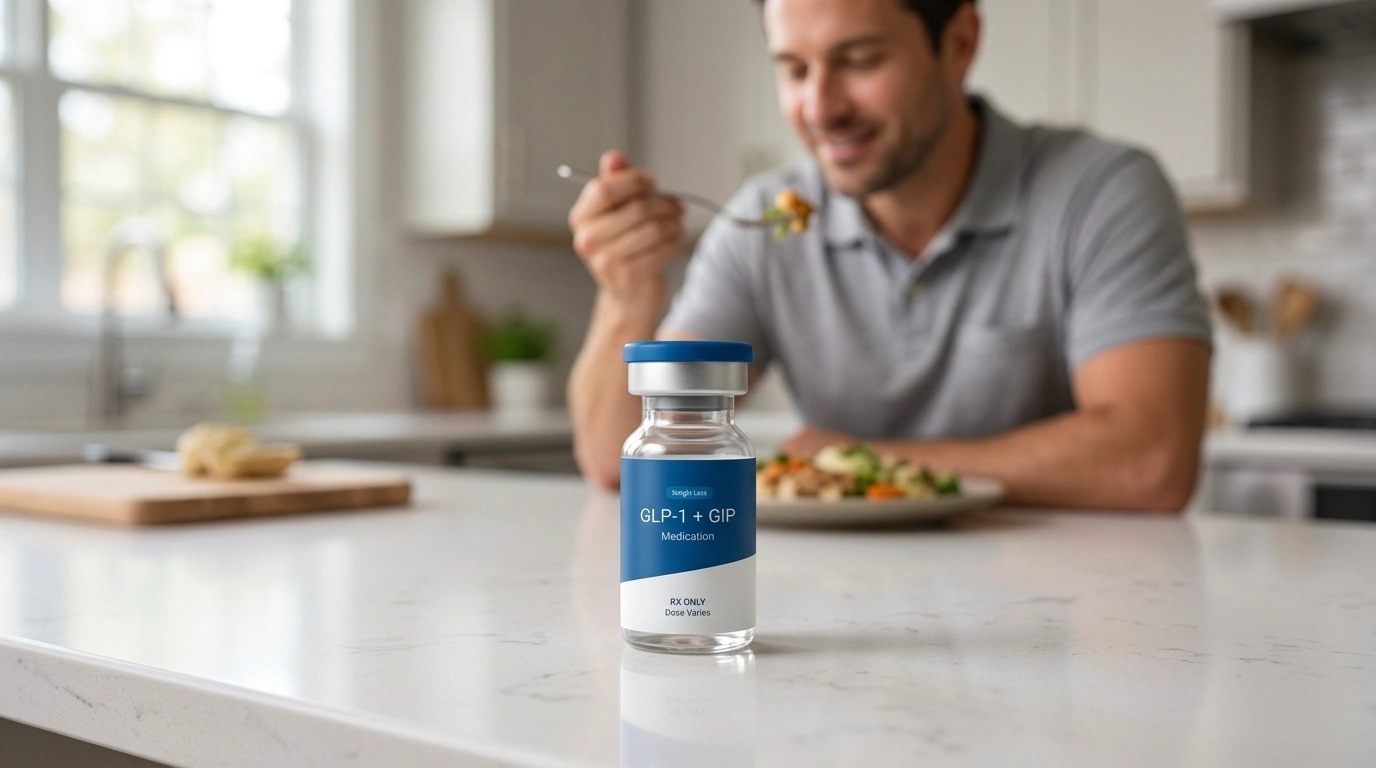
To understand why certain foods cause trouble, it is helpful to know how Mounjaro® (tirzepatide) works in the body. This medication is a dual GIP (glucose-dependent insulinotropic polypeptide) and GLP-1 (glucagon-like peptide-1) receptor agonist. These are hormones that occur naturally in your body to regulate blood sugar and appetite. For a deeper breakdown of that hormone-driven process, our explainer on how GLP-1 is used in weight loss is a helpful companion.
One of the primary ways these medications work is by slowing down gastric emptying. This is a clinical term for the speed at which food leaves your stomach and enters your small intestine. When food stays in your stomach longer, you feel full for a greater period. However, this slower process means that if you eat foods that are difficult to digest, they sit in your stomach even longer. This can lead to feelings of heaviness, nausea, or acid reflux.
The Core Foods to Avoid
While there are no strictly “forbidden” foods, some categories are much more likely to cause issues during your treatment. Avoiding or significantly limiting these items can make your transition to the medication much smoother.
Fried and High-Fat Foods
Fried foods are often the biggest culprit for discomfort on GLP-1 therapy. Items like french fries, fried chicken, and greasy burgers are high in saturated fats. Because fat already slows down digestion, combining high-fat meals with a medication that also slows the stomach can lead to intense nausea or bloating. For a broader overview of what many patients experience, see our guide to common GLP-1 side effects.
Key Takeaway: Greasy or fried foods stay in the stomach significantly longer than lean options, which often triggers the most common digestive side effects of tirzepatide.
Sugary Treats and Sweetened Beverages
Mounjaro® is designed to help your body manage blood sugar more effectively. Consuming high amounts of added sugar can work against this goal. Sodas, candies, and heavily sweetened desserts cause rapid spikes in blood glucose. These spikes can lead to energy crashes and may hinder the weight loss process. If you want a bigger-picture view of nutrition on a GLP-1 journey, our guide to a healthy diet for weight loss is a good next read.
Many patients also find that their taste buds change while on the medication. Sugary foods that used to taste delicious might suddenly seem overwhelmingly sweet or even unappealing.
Refined Carbohydrates and White Grains
Refined carbohydrates include white bread, white pasta, flour tortillas, and many processed snack foods. These grains have been stripped of their fiber and nutrients. They digest very quickly and can cause fluctuations in blood sugar. Because your goal is to stabilize your metabolism, replacing these with whole-grain alternatives is a more effective strategy.
Alcohol and Its Impact
Alcohol can be particularly tricky while using GLP-1 medications. It can lower your blood sugar, potentially leading to hypoglycemia (low blood sugar), especially if you are not eating enough. Alcohol is also a source of “empty calories” that provide no nutritional value and can slow your weight loss progress.
Note: Many individuals report a decreased desire for alcohol once they start their program. If you do choose to drink, it is best to do so in moderation and never on an empty stomach.
Managing Side Effects Through Food Selection
If you experience side effects like nausea or “sulfur burps,” your diet is your first line of defense. Adjusting how and what you eat can often resolve these issues without needing additional medication. For more practical nausea strategies, our article on nausea and GLP-1 medications goes deeper into what can help.
The “Slow and Small” Approach
Because your stomach empties more slowly, eating large meals can make you feel painfully full. We recommend transitioning to smaller, more frequent meals throughout the day.
Step 1: Use a smaller plate. / This helps you visualize a portion size that fits your new, lower appetite. Step 2: Chew thoroughly and eat slowly. / Give your brain time to receive the signal from your stomach that you are full. Step 3: Stop eating before you feel stuffed. / If you wait until you are “full,” you may have already overeaten for your stomach’s current capacity.
Handling “Sulfur Burps” and Bloating
Some patients report burps that have a distinct sulfur-like smell. This happens when food sits in the stomach long enough to begin fermenting. To reduce this, avoid heavy proteins or high-sulfur vegetables like broccoli or cabbage late at night. Eating your largest meal at lunch rather than dinner can give your body more time to process the food before you lie down to sleep.
Foods to Prioritize for Better Results
Once you have identified what to avoid, you can focus on the foods that will help you feel your best. A personalized program through a platform like ours emphasizes quality over quantity, and the GLP-1 Daily Support supplement can be part of that nutritional routine.
The Importance of Lean Protein
Protein is the most important macronutrient to focus on during weight loss. When you lose weight quickly, your body may try to burn muscle for energy instead of just fat. Consuming enough protein helps preserve your lean muscle mass. If you want a deeper dive into protein choices, our article on what protein is best for weight loss is worth reading.
- Chicken and Turkey: Skinless poultry is a versatile, low-fat protein source.
- Fish and Seafood: Provides essential fatty acids along with high-quality protein.
- Tofu and Tempeh: Excellent plant-based options that are easy on the digestive system.
- Greek Yogurt: High in protein and contains probiotics that may support gut health.
Navigating Fiber and Complex Carbs
Fiber is essential for preventing constipation, which is a common side effect of GLP-1 medications. However, you should increase your fiber intake gradually. Suddenly eating massive amounts of fiber can cause gas and cramping.
Focus on “non-starchy” vegetables like leafy greens, zucchini, peppers, and cucumbers. For carbohydrates, choose small portions of quinoa, lentils, or berries. These provide sustained energy without the sharp blood sugar spikes associated with white flour.
Healthy Fats in Moderation
While you should avoid greasy fats, healthy fats are necessary for hormone production and vitamin absorption. Avocados, nuts, seeds, and olive oil are excellent choices. The key is to keep the portions small to avoid overwhelming your digestive system.
Quick Answer: Focus on lean proteins, non-starchy vegetables, and plenty of water. Avoid fried foods, sugary drinks, and heavy alcohol use to minimize side effects and support weight loss.
Staying Hydrated on GLP-1 Therapy
Hydration is often overlooked but is vital for your success. Many people mistake thirst for hunger. Furthermore, medications like Mounjaro® can sometimes make you feel less thirsty, leading to dehydration. For a closer look at why hydration matters, read our piece on hydration impacts your results.
Proper hydration supports your kidneys and helps your body process the medication efficiently. It can also help alleviate feelings of fatigue or headaches that sometimes occur in the early stages of treatment. Aim to sip water consistently throughout the day rather than drinking large amounts during meals, which can take up valuable space in your stomach.
Creating a Sustainable Routine with TrimRx
Success on a weight loss journey is about more than just a weekly injection. It is about a holistic shift in how you care for your body. TrimRx provides the clinical support and access to medications like Compounded Tirzepatide to help you make those changes permanent.
Our mission is to help you navigate these dietary shifts with empathy and expert guidance. By focusing on nutrient-dense foods and listening to your body’s new signals, you can achieve the healthy lifestyle you deserve. Our personalized programs are designed to adapt to your needs, ensuring you have the tools to manage side effects and reach your goals. If you’re ready to see whether prescription support is the right fit, take the free assessment quiz.
Bottom line: A diet high in protein and fiber, paired with low sugar and minimal processed fats, is the most effective way to support your body while on Mounjaro.
FAQ
Can I eat spicy foods while taking Mounjaro?
Spicy foods can be a significant trigger for acid reflux and heartburn, which are already common when digestion is slowed. While some people tolerate spice well, it is best to start with mild flavors and see how your body reacts. If you experience stomach pain or indigestion, it is wise to limit spicy ingredients.
What should I do if I am not hungry at all?
It is common for appetite to decrease significantly, but your body still needs nutrients to function and prevent muscle loss. Focus on small, “protein-first” snacks like a hard-boiled egg or a small serving of Greek yogurt. If you want more guidance on protein choices, our article on what protein is best for weight loss can help.
Is it okay to eat fruit while on this medication?
Yes, fruit is a great source of vitamins and fiber, but you should be mindful of the sugar content in some varieties. Berries, apples, and citrus fruits are excellent choices because they have a lower glycemic index. It is best to avoid or limit high-sugar fruits like watermelon or pineapple, especially in large quantities.
Why do I feel so tired after eating certain foods?
If you eat a meal high in refined carbohydrates or sugar, you may experience a rapid rise and subsequent fall in blood sugar. This “crash” can cause intense fatigue. Sticking to a balance of protein and fiber will help keep your energy levels steady throughout the day. If energy support is something you want to review, the Weight Loss Boost supplement is another option to consider.
Disclaimer: This content is for informational purposes only and does not constitute medical advice. It is not intended to diagnose, treat, cure, or prevent any disease or condition. Individual results may vary. Always consult a qualified healthcare professional before starting any weight loss program or medication.

Transforming Lives, One Step at a Time
Keep reading

Mounjaro Alternatives: What Else to Consider
If Mounjaro isn’t the right fit, the closest alternatives are other GLP-1 medications, chiefly semaglutide (Ozempic for diabetes, Wegovy for weight), along with a…

Mounjaro vs Zepbound: Same Drug, Two Brands
Like their semaglutide counterparts, Mounjaro and Zepbound are the same medication (tirzepatide) sold under two names for two purposes: Mounjaro is approved for type…

Retatrutide vs Mounjaro: Triple Agonist vs Dual Agonist
The core difference between retatrutide and Mounjaro comes down to how many hormone targets each hits: retatrutide activates three receptors, while Mounjaro (tirzepatide) activates…


