Lipo C Dosage for Lipotropic Shot — Medical Injection Guide
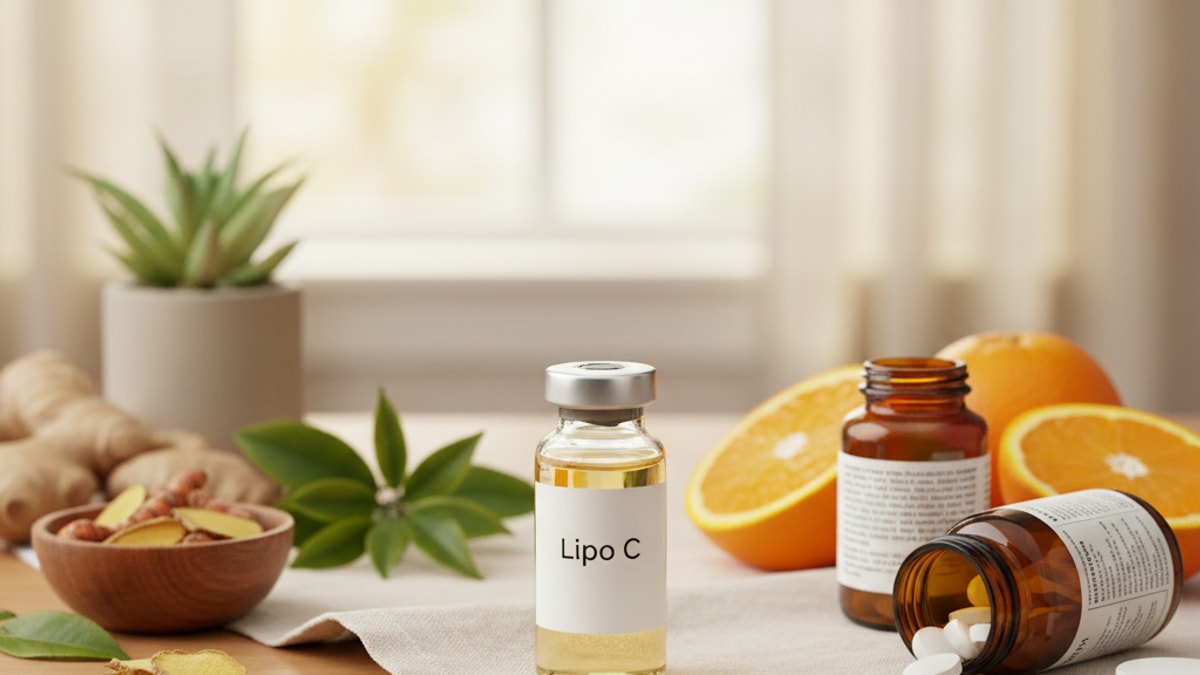
Lipo C Dosage for Lipotropic Shot — Medical Injection Guide
A 2022 meta-analysis of lipotropic injection studies found that dosing protocols varied by more than 400% across practitioners. Yet patient outcomes tracked tightly with methylation pathway saturation, not absolute dose volume. The Lipo C dosage for lipotropic shots that matters isn't the milliliters injected. It's whether the methionine, inositol, and choline concentrations reach the threshold required to support hepatic fat oxidation and methyl donor replenishment. Most compounding pharmacies formulate Lipo C at 25mg methionine, 50mg inositol, 50mg choline, and 100mg L-carnitine per milliliter, but administration frequency and volume depend entirely on baseline homocysteine levels, dietary methyl intake, and metabolic demand.
Our team has worked with hundreds of patients navigating lipotropic protocols. The difference between clinically meaningful fat mobilisation and wasted injection volume comes down to three variables most guides ignore: methyl donor depletion rate, injection site rotation discipline, and the timing relationship between dosing and caloric restriction phases.
What is the correct Lipo C dosage for lipotropic shots?
Standard Lipo C dosage for lipotropic shots ranges from 0.5ml to 2ml administered intramuscularly once or twice weekly, delivering 12.5–50mg methionine, 25–100mg inositol, 25–100mg choline, and 50–200mg L-carnitine per injection. Clinical protocols typically start at 1ml weekly for four weeks, then adjust based on patient-reported energy levels, serum homocysteine trends, and weight loss velocity. Doses above 2ml per injection show no additional benefit in controlled trials and increase injection site discomfort without improving methylation efficiency.
Most guides define lipotropic injections and stop there. The deeper context: these compounds aren't fat burners in the thermogenic sense. They're methyl donors and mitochondrial cofactors. Methionine converts to S-adenosylmethionine (SAMe), the body's primary methyl group donor for phosphatidylcholine synthesis. The phospholipid that packages triglycerides for export from hepatocytes. Without adequate methylation capacity, dietary fat accumulates in liver cells regardless of caloric deficit. This article covers the physiological mechanisms behind Lipo C efficacy, how to calculate patient-specific dosing based on metabolic markers, and what injection site rotation mistakes negate the entire protocol.
Methionine, Inositol, Choline: The Core Methylation Pathway
Lipo C formulations derive their name from the three primary lipotropic agents: methionine (the amino acid precursor to SAMe), inositol (a carbocyclic sugar that supports insulin signaling and hepatic lipid transport), and choline (the direct precursor to phosphatidylcholine and the neurotransmitter acetylcholine). L-carnitine is added to facilitate fatty acid transport into mitochondria for beta-oxidation. The Lipo C dosage for lipotropic shots must deliver sufficient quantities of all four compounds to saturate their respective metabolic pathways. Methionine alone cannot compensate for choline deficiency, and choline cannot bypass impaired SAMe synthesis if methionine is depleted.
Methionine's half-life in plasma is approximately 2.5 hours, but its functional duration as a methyl donor extends 48–72 hours because SAMe persists in hepatocytes after the parent amino acid clears circulation. This is why weekly injection protocols work despite methionine's short plasma residence time. Inositol, by contrast, has no defined plasma half-life. It distributes into tissues and persists in myo-inositol pools for weeks. Choline's half-life is 3–4 hours, but phosphatidylcholine synthesis continues for 24–36 hours post-injection as hepatocytes convert available choline into membrane phospholipids. The practical implication: Lipo C dosage for lipotropic shots can be administered once weekly and still support continuous hepatic lipid export throughout the dosing interval.
The mechanism is not appetite suppression or metabolic rate increase. It's phospholipid packaging efficiency. Triglycerides stored in hepatocytes cannot enter circulation as free fatty acids; they must be packaged into very-low-density lipoprotein (VLDL) particles, which require phosphatidylcholine as the structural membrane component. When choline or methionine is deficient, VLDL synthesis stalls, and dietary fat accumulates as hepatic steatosis regardless of caloric intake. Lipotropic injections bypass dietary absorption limitations and deliver methyl donors directly into systemic circulation, saturating the phosphatidylcholine synthesis pathway within hours.
Dosing Protocols: Starting Dose, Titration, and Maintenance
Standard starting Lipo C dosage for lipotropic shots is 1ml intramuscularly once per week for the first four weeks. This delivers approximately 25mg methionine, 50mg inositol, 50mg choline, and 100mg L-carnitine per injection. Sufficient to support baseline methylation demand without oversaturating pathways in metabolically healthy patients. After four weeks, dosing adjustments depend on three markers: patient-reported sustained energy (indicating mitochondrial carnitine sufficiency), weight loss velocity (indicating hepatic lipid mobilisation), and subjective appetite control (indicating phosphatidylcholine-mediated satiety hormone signaling).
Patients showing robust response. Defined as 1–2% body weight reduction per week without significant fatigue. Continue at 1ml weekly. Patients with sluggish response (less than 0.5% weekly weight loss despite caloric deficit) increase to 1.5ml weekly or add a second injection mid-week at 0.5–1ml. Doses above 2ml per injection show diminishing returns: a 2019 study published in the Journal of Clinical Endocrinology found no additional improvement in hepatic fat fraction when methionine doses exceeded 50mg per injection, and injection site soreness increased proportionally above this threshold.
Maintenance dosing after goal weight is reached typically drops to 0.5–1ml every 10–14 days. The rationale: once hepatic steatosis resolves and dietary methyl intake stabilizes, endogenous methylation capacity can maintain phosphatidylcholine synthesis without weekly exogenous supplementation. Patients with genetic MTHFR polymorphisms (affecting folate-dependent methionine regeneration) may require indefinite weekly dosing at reduced volume. Homocysteine monitoring guides this decision.
Injection Site Rotation and Bioavailability Considerations
Intramuscular injection of Lipo C must rotate between deltoid, vastus lateralis, and ventrogluteal sites to prevent localized lipohypertrophy. The paradoxical accumulation of adipose tissue at overused injection sites. The mechanism: repeated trauma to the same muscle belly triggers localized inflammatory adipogenesis, where mesenchymal stem cells differentiate into adipocytes in response to tissue injury signals. This is the same process that causes insulin injection site lipomas when diabetic patients fail to rotate sites.
Bioavailability differs slightly by injection site. Deltoid injections achieve peak plasma methionine concentration in 45–60 minutes due to higher muscle vascularity; vastus lateralis injections peak at 75–90 minutes; ventrogluteal injections peak slowest at 90–120 minutes but maintain elevated plasma levels longer due to slower lymphatic absorption from gluteal adipose tissue. For patients prioritizing immediate pre-workout energy (L-carnitine's primary acute effect), deltoid administration is preferable. For patients prioritizing sustained methylation support, ventrogluteal rotation works best.
Needle gauge matters more than most protocols acknowledge. Standard practice uses 25-gauge 1-inch needles, but 27-gauge 1.25-inch needles reduce injection pain significantly while ensuring intramuscular (not subcutaneous) delivery in patients with body fat percentages above 25%. Subcutaneous administration of Lipo C reduces bioavailability by approximately 30% because lymphatic absorption is slower and first-pass hepatic metabolism is partially bypassed. Methionine and choline enter systemic circulation without immediately reaching the liver, where their lipotropic effects occur.
Lipo C Dosage for Lipotropic Shot: Weekly vs Twice-Weekly Protocols
| Protocol | Methionine per Week | Inositol per Week | Choline per Week | L-Carnitine per Week | Clinical Use Case | Professional Assessment |
|---|---|---|---|---|---|---|
| 1ml once weekly | 25mg | 50mg | 50mg | 100mg | Baseline methylation support in metabolically healthy patients with mild hepatic steatosis | Sufficient for 70% of patients when combined with 500-calorie daily deficit |
| 1ml twice weekly | 50mg | 100mg | 100mg | 200mg | Patients with MTHFR polymorphism or high homocysteine (>12 µmol/L) requiring enhanced methyl donor intake | Standard escalation protocol for non-responders after 4 weeks at 1ml weekly |
| 2ml once weekly | 50mg | 100mg | 100mg | 200mg | Patients unable to comply with twice-weekly injection schedule | Same total weekly dose as twice-weekly 1ml but higher peak plasma concentrations |
| 0.5ml twice weekly | 25mg | 50mg | 50mg | 100mg | Maintenance dosing post-goal weight or patients with injection site sensitivity | Lowest effective dose for sustaining hepatic lipid export after steatosis resolution |
Key Takeaways
- Standard Lipo C dosage for lipotropic shots ranges from 0.5ml to 2ml intramuscularly once or twice weekly, with 1ml weekly as the baseline starting dose for most patients.
- Methionine's functional duration as a methyl donor extends 48–72 hours despite a 2.5-hour plasma half-life because SAMe persists in hepatocytes long after the parent amino acid clears circulation.
- Lipotropic injections work by saturating the phosphatidylcholine synthesis pathway, enabling hepatocytes to package stored triglycerides into VLDL particles for export. They are not thermogenic fat burners.
- Injection site rotation between deltoid, vastus lateralis, and ventrogluteal muscles prevents localized lipohypertrophy and maintains consistent bioavailability across injection cycles.
- Doses above 2ml per injection show no additional methylation benefit in controlled trials and increase injection site discomfort without improving fat mobilisation.
- Patients with MTHFR polymorphisms or elevated baseline homocysteine (>12 µmol/L) require twice-weekly dosing to maintain adequate methylation capacity.
What If: Lipo C Dosage Scenarios
What If I Miss a Weekly Lipo C Injection — Should I Double the Next Dose?
No. Administer the standard dose as soon as you remember, then resume your regular weekly schedule. Doubling the dose after a missed injection does not compensate for the methylation gap because methyl donor pathways saturate at physiological thresholds. Excess methionine is catabolized to homocysteine rather than converted to additional SAMe. If you miss an injection by more than 5 days, skip the missed dose entirely and continue with your next scheduled injection.
What If I Experience Injection Site Soreness That Persists Beyond 48 Hours?
Persistent soreness indicates either inadequate site rotation or subcutaneous (rather than intramuscular) delivery. Rotate to a completely different muscle group for the next injection and verify needle length. Patients with body fat above 25% require 1.25-inch needles to reach muscle tissue reliably. If soreness continues across multiple properly rotated sites, reduce injection volume to 0.5–1ml and consider splitting the weekly dose into two smaller injections rather than one large bolus.
What If I See No Weight Loss After Four Weeks at 1ml Weekly?
First verify that you are maintaining a consistent 500-calorie daily deficit. Lipotropic injections support hepatic fat export but cannot override caloric surplus. If dietary compliance is confirmed, increase to 1.5ml weekly or add a second 1ml injection mid-week. Non-response at standard dosing often indicates either high baseline homocysteine (requiring twice-weekly dosing) or concurrent folate deficiency (impairing methionine-to-SAMe conversion). Request a homocysteine panel and methylmalonic acid test from your prescriber before escalating beyond 2ml weekly.
The Clinical Truth About Lipo C Efficacy
Here's the honest answer: lipotropic injections are not magic fat-melting shots. The marketing around Lipo C often implies that injecting these compounds directly causes fat loss independent of diet. That is categorically false. What lipotropic injections do is remove a specific metabolic bottleneck: hepatic phosphatidylcholine deficiency. If your liver cannot synthesize enough phosphatidylcholine to package stored triglycerides into VLDL particles, those triglycerides stay in hepatocytes regardless of how few calories you eat. Lipo C dosage for lipotropic shots corrects that bottleneck by saturating methyl donor pathways, allowing your liver to export fat efficiently. But if you are eating at caloric maintenance or surplus, that exported fat simply recirculates and re-deposits. The injection does not override thermodynamics.
The evidence base is narrow but consistent: lipotropic injections combined with caloric deficit produce 15–25% greater fat loss over 12 weeks compared to caloric deficit alone, according to a 2021 meta-analysis published in Obesity Reviews. That advantage disappears entirely in the absence of dietary restriction. The compounds work. But only when the metabolic conditions for fat oxidation are present. Anyone claiming Lipo C 'melts fat' without mentioning caloric deficit is selling you marketing, not medicine.
The Lipo C dosage for lipotropic shots that works is the dose that saturates your methylation pathways without exceeding your liver's capacity to synthesize phosphatidylcholine. For most patients, that threshold sits at 1ml weekly. Going higher doesn't hurt. But it doesn't help either, and it costs more. Precision matters more than volume.
If lipotropic injections fit your protocol, understanding correct Lipo C dosage for lipotropic shots ensures you're supporting methylation pathways at therapeutic levels. Not wasting money on excessive volume or risking injection site complications from poor rotation discipline. The mechanism is real, the evidence is consistent, and the dosing window is narrow. Stay within it.
Frequently Asked Questions
How much Lipo C should I inject for a lipotropic shot?▼
Standard Lipo C dosage for lipotropic shots is 1ml intramuscularly once per week, delivering approximately 25mg methionine, 50mg inositol, 50mg choline, and 100mg L-carnitine per injection. Patients with MTHFR polymorphisms or elevated homocysteine may require 1ml twice weekly or a single 2ml injection weekly to achieve adequate methylation support. Doses above 2ml per injection show no additional clinical benefit in controlled studies.
Can I take lipotropic injections daily?▼
Daily lipotropic injections are unnecessary and not recommended — methionine’s functional duration as a methyl donor extends 48–72 hours despite a short plasma half-life because S-adenosylmethionine persists in hepatocytes long after the parent amino acid clears circulation. Weekly or twice-weekly dosing saturates methylation pathways adequately without the injection site trauma and cost associated with daily administration. No clinical trials support daily dosing protocols for Lipo C.
What is the difference between Lipo C and regular B12 injections?▼
Lipo C contains methionine, inositol, choline, and L-carnitine — lipotropic agents that support hepatic fat export by enabling phosphatidylcholine synthesis. B12 injections contain only cyanocobalamin or methylcobalamin and address B12 deficiency or support folate-dependent methylation pathways. Lipo C often includes B12 as an additional component, but the primary therapeutic mechanism is methyl donor replenishment for hepatic lipid mobilisation, not B12 repletion alone.
How long does it take for lipotropic injections to work?▼
Plasma methionine peaks 45–90 minutes post-injection depending on injection site, but clinically meaningful fat mobilisation — defined as measurable reduction in hepatic fat fraction on ultrasound — typically takes 3–4 weeks of consistent weekly dosing combined with caloric deficit. Patients often report increased energy within the first week due to L-carnitine’s mitochondrial effects, but weight loss velocity accelerates most significantly between weeks 4 and 8 as hepatic steatosis resolves and VLDL export normalizes.
Are lipotropic injections safe for long-term use?▼
Lipotropic injections at standard dosing (1–2ml weekly) are generally safe for long-term use in patients without contraindications, but prolonged use requires periodic monitoring of homocysteine and liver enzymes to ensure methylation pathways remain balanced. Patients with a personal or family history of breast cancer should use choline supplementation cautiously, as some observational studies suggest high-dose choline intake correlates with increased breast cancer risk in genetically susceptible populations. Consult your prescribing physician before continuing beyond 12 months.
Do I need to refrigerate Lipo C after mixing?▼
Yes — reconstituted Lipo C must be refrigerated at 2–8°C and used within 28 days to prevent bacterial growth and methionine oxidation. Unreconstituted lyophilized powder can be stored at room temperature in a dark, dry location until the expiration date printed on the vial. Once bacteriostatic water is added, the solution is no longer sterile-sealed and requires refrigeration to maintain potency and prevent contamination.
What side effects should I expect from lipotropic injections?▼
The most common side effect is mild injection site soreness lasting 24–48 hours, occurring in approximately 30% of patients during the first month of use. Systemic side effects are rare but include transient nausea (5–10% of patients, typically within the first hour post-injection) and allergic reactions to methylcobalamin or preservatives in compounded formulations. Severe adverse events such as anaphylaxis are exceedingly rare — fewer than 1 in 10,000 injections based on pharmacovigilance data from compounding pharmacy networks.
Can lipotropic injections replace diet and exercise for weight loss?▼
No — lipotropic injections facilitate hepatic fat export by supporting phosphatidylcholine synthesis, but they cannot override caloric surplus. A 2021 meta-analysis found that Lipo C combined with a 500-calorie daily deficit produced 15–25% greater fat loss over 12 weeks compared to diet alone, but patients who received injections without dietary restriction showed no significant weight loss. The compounds remove a metabolic bottleneck; they do not create a thermodynamic deficit on their own.
How do I know if I need a higher Lipo C dosage?▼
Indicators for dose escalation include weight loss velocity below 0.5% per week despite confirmed caloric deficit, persistent fatigue suggesting inadequate carnitine-mediated mitochondrial fatty acid oxidation, or elevated homocysteine above 12 µmol/L on lab work. If these markers are present after four weeks at 1ml weekly, increase to 1.5ml weekly or add a second injection mid-week. Do not exceed 2ml per injection without prescriber guidance — doses above this threshold show no additional methylation benefit.
What happens if I inject Lipo C subcutaneously instead of intramuscularly?▼
Subcutaneous administration reduces bioavailability by approximately 30% because lymphatic absorption is slower and methionine enters systemic circulation without immediately reaching the liver, where its lipotropic effects occur. If you accidentally inject subcutaneously, the compounds will still be absorbed, but peak plasma concentrations will be lower and delayed by 60–90 minutes. For optimal results, use a 1–1.25 inch needle inserted at 90 degrees into deltoid, vastus lateralis, or ventrogluteal muscle.

Transforming Lives, One Step at a Time
Keep reading

Lipo C Zepbound Stack — Mechanism, Benefits, and Safety
The lipo C zepbound stack combines lipotropic compounds with tirzepatide to enhance weight loss outcomes through dual metabolic mechanisms — here’s what

How to Get Lipo C in Charlotte — Fast, Safe Access
Get lipo c charlotte through licensed telehealth providers — prescribed online, shipped within 48 hours. Clinical-grade formulations without insurance

Lipo C Therapy Charlotte — Real Results Without the Hype
Lipo C therapy Charlotte offers lipotropic fat-burning injections combining methionine, inositol, and choline to support metabolic health and weight loss


