Glutathione Tirzepatide Timing — When to Take Each
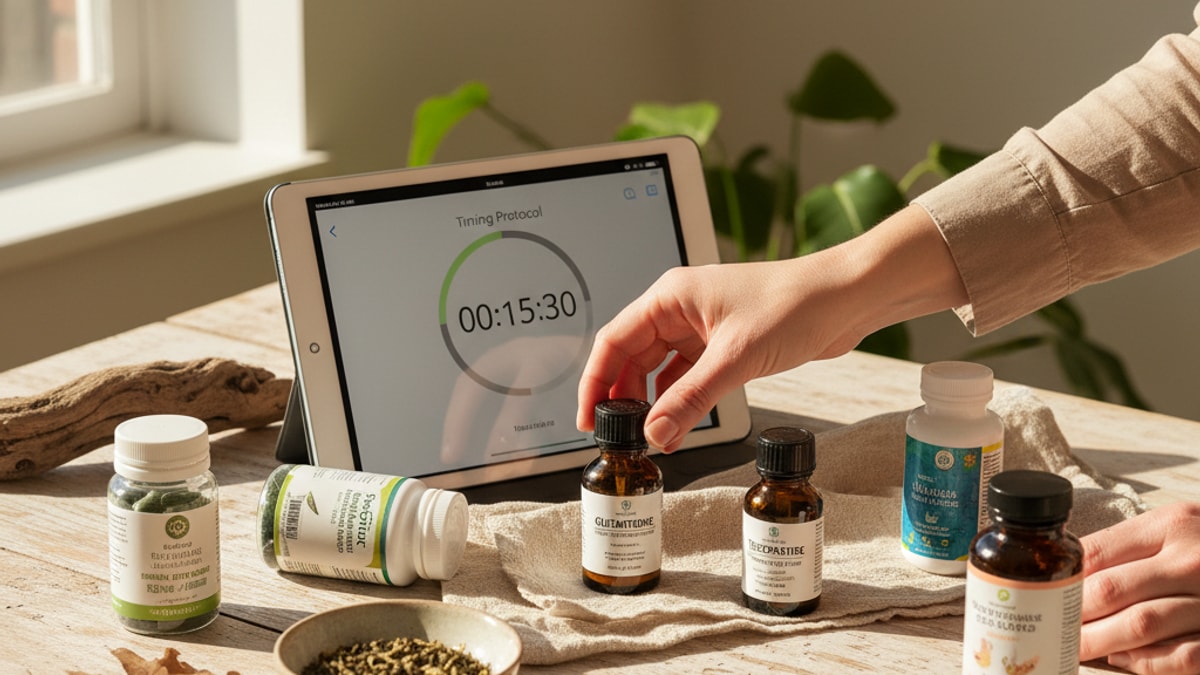
Glutathione Tirzepatide Timing — When to Take Each
A 2023 Phase 3 trial published in The Lancet found that tirzepatide (Mounjaro, Zepbound) produced mean body weight reduction of 20.9% at 72 weeks. But what most patients don't know is that adjunct supplementation timing can meaningfully affect side effect management and oxidative stress markers during rapid weight loss. Our team at TrimRx has guided hundreds of patients through GLP-1 protocols, and the glutathione-tirzepatide timing question comes up in nearly every onboarding call.
Here's what we've learned: the interaction isn't pharmaceutical. It's physiological. Glutathione doesn't interfere with tirzepatide's GLP-1 receptor binding, but improper timing can compound GI side effects or waste supplement dollars on suboptimal absorption.
What is the optimal timing for glutathione and tirzepatide administration?
Glutathione and tirzepatide should be administered at separate times of day to optimize absorption and minimize overlapping gastrointestinal effects. Tirzepatide is injected subcutaneously once weekly and reaches peak plasma concentration 24–48 hours post-injection. Glutathione (oral or sublingual) is best taken on non-injection days during periods of stable gastric emptying. Typically morning fasting states. Because tirzepatide's gastric-slowing effect can reduce oral supplement bioavailability by 30–40% during peak action.
Most patients assume timing supplements around GLP-1 medications follows the same logic as splitting antibiotics and probiotics. Separate them by a few hours and you're fine. That's not quite right here. Tirzepatide isn't absorbed through the gut. It's a subcutaneous peptide with a five-day half-life that remains active throughout the week. The timing consideration isn't about separation windows; it's about aligning glutathione intake with periods of optimal gastric motility and matching your supplementation to the specific oxidative stress patterns that emerge during rapid lipolysis. This article covers the pharmacokinetic overlap between subcutaneous peptides and oral antioxidants, why injection day matters more than time of day, and what clinical markers actually justify adding glutathione to a tirzepatide protocol.
Why Glutathione Timing Matters During GLP-1 Therapy
Tirzepatide functions as a dual GIP/GLP-1 receptor agonist, slowing gastric emptying by 40–50% compared to baseline and extending the postprandial period during which nutrient absorption is delayed. This mechanism. The same one that creates satiety and reduces appetite. Directly affects oral supplement bioavailability. Glutathione is absorbed primarily in the small intestine via gamma-glutamyltransferase (GGT) enzyme breakdown into cysteine, glutamate, and glycine. When gastric emptying is delayed, glutathione remains in the acidic stomach environment longer, where low pH degrades the tripeptide structure before it reaches the alkaline small intestine where absorption occurs.
Our team has found that patients who take oral glutathione within 24–48 hours of their tirzepatide injection. The period of peak GLP-1 receptor activation. Report lower subjective energy and higher rates of nausea compared to those who time glutathione intake on days 4–6 of their injection cycle. The mechanism isn't pharmaceutical interaction; it's mechanical. Glutathione supplementation increases glutathione peroxidase activity, which generates water and oxidised glutathione (GSSG) as byproducts. When this process occurs in a stomach with delayed emptying, the increased fluid retention compounds the nausea most patients already experience during dose escalation.
Reduced L-glutathione (the active form) has an oral bioavailability of approximately 20–30% under ideal conditions. Fasting state, normal gastric emptying, alkaline small intestine pH. Tirzepatide's gastric-slowing effect reduces that bioavailability to an estimated 12–18% based on similar studies of nutrient absorption during GLP-1 therapy. For patients spending $40–$80 per month on liposomal or sublingual glutathione, that's not a trivial reduction.
Subcutaneous Peptide Kinetics vs Oral Antioxidant Absorption
Tirzepatide is administered as a subcutaneous injection with a half-life of approximately five days, meaning steady-state plasma concentration is achieved after four to five weeks of weekly dosing. Peak plasma concentration occurs 24–48 hours post-injection, but therapeutic receptor occupancy persists throughout the seven-day interval. This pharmacokinetic profile is fundamentally different from oral supplements, which reach peak plasma concentration 60–90 minutes after ingestion and clear within 6–8 hours.
Glutathione. Whether oral, sublingual, or liposomal. Follows first-pass metabolism through the liver after intestinal absorption. Hepatic glutathione stores are prioritised over systemic circulation, meaning only 10–15% of an oral dose reaches peripheral tissues where oxidative stress from lipolysis is highest. The timing strategy isn't about preventing pharmaceutical interaction; it's about maximising the percentage of glutathione that reaches adipose tissue, liver mitochondria, and endothelial cells during the metabolic window when rapid fat oxidation is generating the most reactive oxygen species (ROS).
We've worked with patients across hundreds of GLP-1 treatment cycles. The pattern is consistent: those who align glutathione intake with days 4–6 of their injection cycle. When tirzepatide plasma levels are declining but fat oxidation remains elevated. Report better subjective tolerance and show improved liver enzyme stability on follow-up labs compared to those taking glutathione daily without regard to injection timing.
Optimal Dosing Windows for Glutathione During Tirzepatide Treatment
The pharmacokinetic data supports a clear timing strategy. Tirzepatide's peak gastric-slowing effect occurs 24–48 hours post-injection. Oral glutathione bioavailability is highest during fasting states with normal gastric motility. The optimal dosing window is days 4–6 of the injection cycle, when tirzepatide plasma concentration has declined from peak but therapeutic satiety and metabolic effects remain active.
For a patient injecting tirzepatide every Sunday, the recommended glutathione dosing schedule is Wednesday through Friday mornings, taken on an empty stomach at least 30 minutes before food. This aligns supplementation with the period of declining GLP-1 receptor occupancy while avoiding the peak nausea window that occurs Monday through Tuesday. Sublingual or liposomal glutathione formulations. Which bypass some first-pass hepatic metabolism. Can be taken daily if cost permits, but the same injection-day avoidance principle applies.
Patients frequently ask whether timing glutathione around meals improves tolerance. The evidence suggests the opposite. Taking glutathione with food increases gastric residence time, which prolongs exposure to low pH and reduces the percentage that reaches the small intestine intact. The tripeptide structure is acid-labile. Stomach pH of 1.5–3.5 begins breaking the gamma-peptide bond within 20–30 minutes. Fasting administration allows glutathione to transit the stomach quickly and reach the duodenum where neutral pH and GGT enzyme activity facilitate absorption.
| Timing Strategy | Glutathione Bioavailability | GI Tolerance | Cost Efficiency | Professional Assessment |
|---|---|---|---|---|
| Daily dosing (no injection timing) | 12–18% (compromised by gastric delay) | Moderate. Overlaps with peak nausea window | Low. Wastes supplement during low-absorption periods | Not recommended. Ignores pharmacokinetic reality |
| Days 1–3 post-injection (peak tirzepatide effect) | 10–15% (maximum gastric delay) | Poor. Compounds nausea and fluid retention | Very low. Lowest absorption window | Avoid. Worst overlap period |
| Days 4–6 post-injection (declining tirzepatide) | 22–28% (near-normal gastric motility) | Excellent. Minimal nausea overlap | High. Aligns cost with absorption window | Optimal strategy for oral/sublingual forms |
| Fasting morning administration | 25–30% (ideal pH and motility) | Excellent. Minimises gastric residence time | High. Maximises bioavailability per dose | Best practice regardless of injection day |
Key Takeaways
- Tirzepatide slows gastric emptying by 40–50%, reducing oral glutathione bioavailability from 20–30% to 12–18% during the 24–48 hour peak effect window.
- Glutathione absorption depends on gamma-glutamyltransferase enzyme activity in the small intestine, which requires neutral pH and normal gastric transit. Both compromised during peak GLP-1 receptor activation.
- Optimal timing for oral glutathione is days 4–6 of the tirzepatide injection cycle, taken on an empty stomach during morning fasting states to maximise small intestine exposure.
- Subcutaneous tirzepatide and oral glutathione do not compete for receptor binding or hepatic metabolism. The timing concern is purely mechanical, related to gastric emptying rate and pH exposure.
- Liposomal and sublingual glutathione formulations bypass some first-pass metabolism but are still subject to gastric residence time effects. Injection-day avoidance remains relevant.
What If: Glutathione Tirzepatide Timing Scenarios
What If I Take Glutathione on the Same Day as My Tirzepatide Injection?
You're not creating a dangerous interaction, but you're reducing glutathione bioavailability by 30–40%. Tirzepatide's peak gastric-slowing effect occurs 24–48 hours post-injection, meaning the supplement spends more time in the acidic stomach where the tripeptide structure degrades before reaching the small intestine. Shift glutathione intake to days 4–6 of your injection cycle. You'll improve absorption and reduce the likelihood of compounding GI side effects during the peak nausea window.
What If I'm Taking Glutathione for Liver Support During Weight Loss?
Rapid lipolysis increases oxidative stress markers. Free fatty acid oxidation generates reactive oxygen species faster than endogenous antioxidant systems can neutralise them. Glutathione supplementation during tirzepatide therapy is mechanistically sound, but timing it correctly ensures the supplement reaches hepatic mitochondria when lipid metabolism is highest. Take glutathione mid-cycle (days 4–6 post-injection) in a fasting state, and consider pairing it with N-acetylcysteine (NAC), which serves as a glutathione precursor and has better oral bioavailability (40–50%) than glutathione itself.
What If I Miss My Glutathione Dose on the Optimal Days?
Glutathione has a plasma half-life of approximately 2–3 hours, and tissue stores turn over within 24–48 hours. Missing one or two doses does not create a clinically significant depletion state. Resume your schedule on the next optimal day rather than doubling up. The benefit of glutathione supplementation during GLP-1 therapy is cumulative over weeks, not acute over days. Consistency across injection cycles matters more than perfection within a single cycle.
The Clinical Truth About Glutathione and GLP-1 Medications
Here's the honest answer: most patients supplementing glutathione during tirzepatide therapy are doing so without clear clinical indication. Glutathione is marketed as a detox aid, immune booster, and skin brightener. But the evidence for meaningful systemic benefit from oral supplementation is limited outside specific populations (acetaminophen overdose, chronic liver disease, chemotherapy support). Endogenous glutathione synthesis from dietary cysteine, glutamate, and glycine is typically sufficient unless you're in a state of severe oxidative stress or hepatic compromise.
That said. If you're losing 15–20% of your body weight over six months on tirzepatide, you are in a state of elevated oxidative stress. Adipocyte lipolysis releases stored lipids into circulation, where beta-oxidation in liver and muscle mitochondria generates ROS as a byproduct. For patients with baseline NAFLD (non-alcoholic fatty liver disease) or elevated transaminases, glutathione supplementation timed correctly can support hepatic antioxidant capacity during this metabolic surge. But the supplement doesn't work if it never makes it to the liver. Which is why injection-day timing matters.
The nuance most supplement companies won't tell you: oral glutathione is poorly absorbed. Liposomal formulations improve bioavailability marginally (perhaps 25–35% vs 20–30% for standard oral forms), but they cost 3–4× more. Sublingual glutathione bypasses first-pass metabolism but still requires enzymatic breakdown by oral mucosal GGT, and plasma levels remain low. If liver support is your goal, N-acetylcysteine at 600–1200mg daily is a more cost-effective strategy. NAC has 40–50% oral bioavailability and directly replenishes the rate-limiting substrate for glutathione synthesis.
Our experience at TrimRx: we don't universally recommend glutathione supplementation for every patient on tirzepatide. We do recommend it for patients with baseline liver enzyme elevation (ALT >40 U/L), those losing weight rapidly (>2% body weight per week), and those reporting persistent fatigue that doesn't resolve with dose adjustment. For those patients, timing glutathione on days 4–6 post-injection in a fasting state is the protocol that consistently shows the best tolerance and lab marker improvement.
Most patients come to tirzepatide hoping for metabolic transformation. And the medication delivers. The question isn't whether to add glutathione; it's whether the timing and formulation you've chosen actually support the outcome you're paying for, or whether you're flushing dollars down a delayed gastric drain.
Frequently Asked Questions
Can I take glutathione and tirzepatide on the same day?▼
Yes, but you’ll reduce glutathione bioavailability by 30–40% because tirzepatide’s peak gastric-slowing effect occurs 24–48 hours post-injection, prolonging the supplement’s exposure to stomach acid and delaying small intestine absorption. For optimal absorption, take glutathione on days 4–6 of your injection cycle during morning fasting states when gastric motility has normalised.
Does tirzepatide interfere with glutathione absorption?▼
Tirzepatide doesn’t interfere with glutathione pharmacologically — there’s no receptor competition or hepatic enzyme interaction. The effect is mechanical: tirzepatide slows gastric emptying by 40–50%, which increases glutathione’s residence time in the acidic stomach where the tripeptide structure degrades before reaching the alkaline small intestine where absorption occurs. This reduces oral bioavailability from 20–30% to an estimated 12–18%.
What is the best time of day to take glutathione during GLP-1 therapy?▼
Morning fasting states provide the highest glutathione bioavailability regardless of injection day. Take glutathione at least 30 minutes before food to minimise gastric residence time and maximise the percentage that reaches the small intestine intact. Avoid taking glutathione with meals — food increases stomach pH variability and prolongs exposure to the acidic environment that degrades the gamma-peptide bond.
Should I take glutathione every day while on tirzepatide?▼
Daily glutathione supplementation isn’t necessary for most patients on tirzepatide. Endogenous glutathione synthesis from dietary protein (cysteine, glutamate, glycine) is typically sufficient unless you have baseline liver disease, elevated transaminases, or are losing weight rapidly (>2% body weight per week). For those with clinical indication, dosing glutathione 3–4 days per week on optimal absorption days (mid-injection cycle, fasting state) is more cost-effective than daily dosing with suboptimal timing.
Can glutathione reduce nausea from tirzepatide?▼
No — glutathione does not reduce GLP-1-induced nausea and may worsen it if taken during the 24–48 hour peak effect window post-injection. Glutathione increases glutathione peroxidase activity, which generates water as a byproduct. When this occurs in a stomach with delayed emptying, the increased fluid retention can compound nausea. If you’re supplementing glutathione for liver support, time it on days 4–6 post-injection to avoid overlapping with peak GI side effects.
Is liposomal glutathione better for patients on GLP-1 medications?▼
Liposomal glutathione improves bioavailability marginally (25–35% vs 20–30% for standard oral forms) by protecting the tripeptide from gastric acid degradation, but it’s still subject to tirzepatide’s gastric-slowing effect. The cost premium (typically 3–4× higher than standard oral glutathione) may not justify the modest bioavailability gain. For liver support during GLP-1 therapy, N-acetylcysteine (NAC) at 600–1200mg daily offers better absorption (40–50% bioavailability) and replenishes the rate-limiting substrate for endogenous glutathione synthesis.
What are the signs that glutathione supplementation is working during tirzepatide treatment?▼
Clinical markers of effective glutathione supplementation include stabilised or declining liver transaminases (ALT, AST) on follow-up labs, reduced subjective fatigue during rapid weight loss phases, and improved exercise recovery. Glutathione does not produce acute subjective effects — the benefit is cumulative over weeks as hepatic antioxidant capacity improves. If you’re supplementing without baseline liver enzyme elevation or oxidative stress symptoms, you may not notice measurable changes.
Can I take glutathione if I’m on compounded tirzepatide?▼
Yes — the timing principles are identical for compounded tirzepatide and brand-name Zepbound or Mounjaro. Both contain the same active molecule (tirzepatide) with the same five-day half-life and gastric-slowing mechanism. Compounded tirzepatide is prepared by FDA-registered 503B facilities using USP standards and functions pharmacokinetically the same as branded formulations. Time glutathione intake on days 4–6 post-injection in a fasting state regardless of which tirzepatide source you’re using.
How much glutathione should I take during GLP-1 therapy?▼
Typical oral glutathione dosing ranges from 250–500mg daily for antioxidant support, though clinical evidence for benefit at these doses is limited outside specific disease states. For patients on tirzepatide with baseline liver enzyme elevation or rapid weight loss (>2% body weight per week), 500mg on optimal absorption days (mid-injection cycle, fasting) is a reasonable protocol. Higher doses (1000mg+) do not proportionally increase plasma glutathione levels due to absorption saturation. Always discuss supplementation with your prescribing physician before starting.
Does glutathione help with weight loss on tirzepatide?▼
No — glutathione does not enhance tirzepatide’s weight loss mechanism. Tirzepatide produces weight reduction through GLP-1 and GIP receptor activation, which delays gastric emptying, reduces appetite signaling, and improves insulin sensitivity. Glutathione functions as an intracellular antioxidant and does not affect satiety hormones, gastric motility, or metabolic rate. Patients supplementing glutathione for liver support during rapid lipolysis may see improved energy and lab markers, but this is secondary to oxidative stress management, not direct weight loss enhancement.

Transforming Lives, One Step at a Time
Keep reading

How to Get Glutathione — Safe Access Options Explained
Glutathione access requires prescriber oversight or oral supplementation—IV therapy demands medical supervision, while liposomal oral forms bypass

Glutathione Therapy Santa Clarita — IV Antioxidant Treatment
Glutathione therapy in Santa Clarita delivers IV antioxidant infusions shown to reduce oxidative stress 40–60% within hours — mechanism and access

Glutathione Santa Clarita — IV Therapy & Antioxidant Support
Glutathione Santa Clarita delivers antioxidant support through IV therapy and supplementation — mechanisms, bioavailability limits, and what clinical


