Can You Drink Beer While Taking Mounjaro? Safety and Tips
Introduction
Starting a weight loss journey often means re-evaluating long-held habits, including how we socialize. If you enjoy an occasional cold beer, you might wonder how it fits into a life that includes Mounjaro®. This medication has become a cornerstone for many people managing type 2 diabetes or pursuing significant weight loss goals. At TrimRx, we believe that understanding how your lifestyle interacts with your treatment is the key to long-term success. If you are considering a prescription path, you can take the free assessment quiz to see whether a personalized program may be a fit.
This post explores the biological and practical effects of mixing alcohol with tirzepatide, the active ingredient in Mounjaro®. We will cover how beer impacts your digestion, blood sugar, and overall weight loss progress. While there is no direct, dangerous drug interaction, there are several side effects and metabolic hurdles you should know. Our goal is to provide the clarity you need to make informed choices that support your health and your results.
Quick Answer: Yes, you can technically drink beer while taking Mounjaro®, but it should be done with caution and moderation. Alcohol can intensify gastrointestinal side effects like nausea and vomiting, increase the risk of low blood sugar, and slow your weight loss progress through extra calories.
Understanding How Mounjaro Works in Your Body
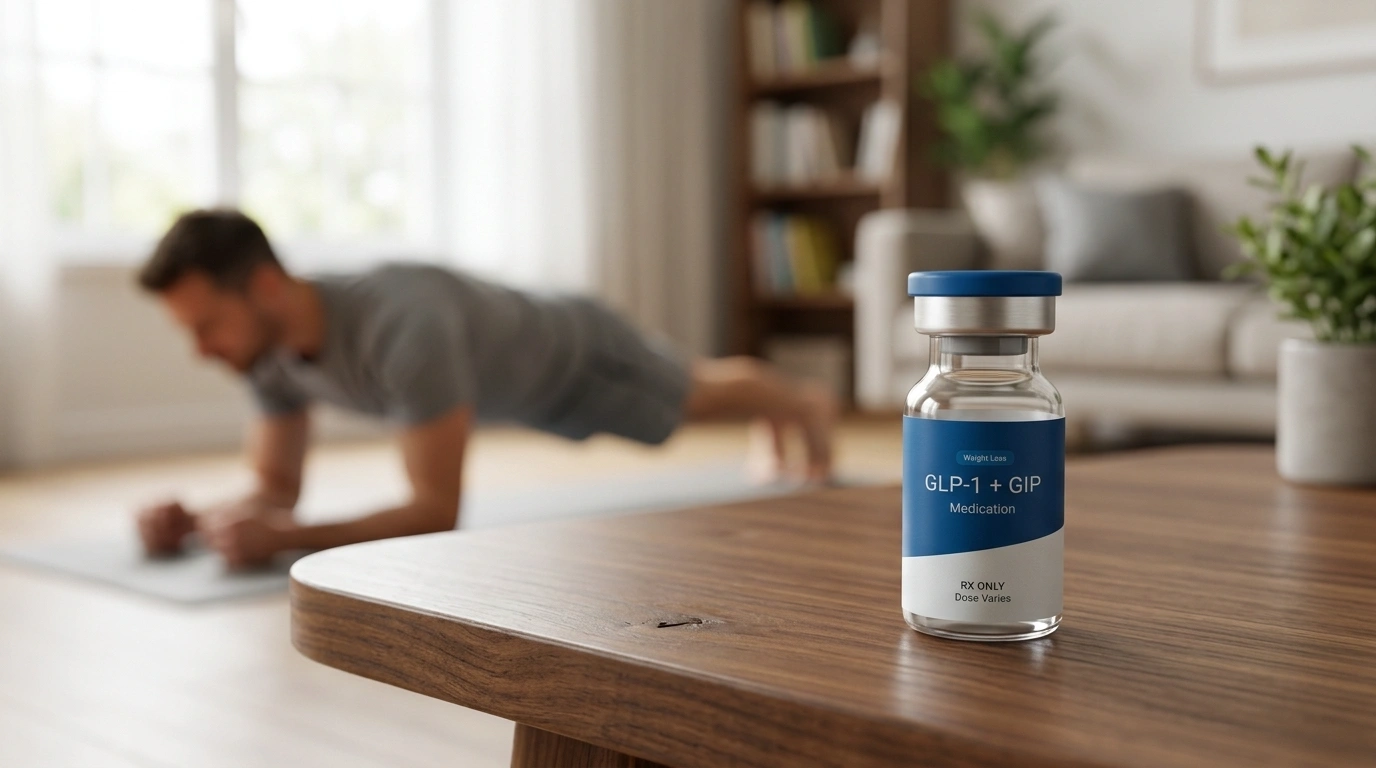
To understand the relationship between beer and your medication, you first need to understand what the medication does. Mounjaro® is a brand-name medication that contains tirzepatide, a dual-acting receptor agonist. It mimics two naturally occurring hormones in your body: glucagon-like peptide-1 (GLP-1) and glucose-dependent insulinotropic polypeptide (GIP).
These hormones are responsible for several critical functions related to metabolism. First, they signal the pancreas to release insulin after you eat, which helps lower blood sugar. Second, they signal the brain’s reward and hunger centers to reduce appetite. Third, and perhaps most importantly for those who drink alcohol, they slow down “gastric emptying.” This is the medical term for how fast food and liquids leave your stomach and enter your small intestine.
When you take this medication, your stomach stays full for a longer period. This helps you feel satisfied with smaller portions. However, this slowed process also changes how your body processes everything else you consume, including beer. Because the liquid stays in your stomach longer, any irritating effects of alcohol are prolonged.
The Gastrointestinal Connection: A Recipe for Discomfort
The most common side effects of GLP-1 and GIP medications are gastrointestinal (GI) in nature. Many patients report feelings of nausea, bloating, or occasional diarrhea as their bodies adjust to the medication. Beer, unfortunately, can act as a significant trigger for these exact issues. For a broader look at the most common symptoms people experience on treatment, see Common GLP-1 Side Effects: What to Expect.
Slowed Digestion and Fermentation
When you drink a beer, the carbonation and the alcohol both hit the lining of your stomach. Under normal circumstances, your stomach would move this liquid along relatively quickly. Because tirzepatide slows this process, the beer sits in the stomach much longer. The carbonation can lead to significant gas buildup and bloating. For many, this results in a persistent feeling of “fullness” that quickly turns into nausea or upper abdominal discomfort.
Heartburn and Acid Reflux
Alcohol is a known relaxant for the lower esophageal sphincter, the muscle that keeps stomach acid from moving up into your throat. When this muscle relaxes, acid reflux or heartburn occurs. Combined with the fact that food and drink are sitting in your stomach longer due to the medication, the risk of severe, prolonged heartburn increases significantly after drinking beer.
Dehydration Risks
Both alcohol and Mounjaro® can contribute to dehydration. Alcohol is a diuretic, meaning it encourages your body to lose fluid through urination. Some patients on tirzepatide already struggle with hydration because the medication reduces their thirst cues. If you experience vomiting or diarrhea as a side effect, adding beer to the mix can lead to rapid, severe dehydration. If you want a more medication-specific hydration guide, How Much Water Should I Drink When Taking Mounjaro? is a helpful follow-up.
Key Takeaway: Alcohol and Mounjaro® both slow down your digestive system and can irritate the stomach lining. Mixing them often amplifies common side effects like nausea, bloating, and acid reflux.
Blood Sugar Stability and Hypoglycemia
One of the primary uses for Mounjaro® is the management of type 2 diabetes. It is highly effective at lowering blood glucose levels. However, alcohol has a complex relationship with blood sugar that can create dangerous situations for those on this medication. If you want a closer look at the same question from a tirzepatide-specific angle, read Can You Drink on Tirzepatide? What You Need to Know About Alcohol and Your Treatment.
The liver is responsible for two main tasks that are relevant here: processing alcohol and releasing stored glucose (sugar) to keep your blood levels stable. When you drink beer, your liver prioritizes breaking down the ethanol. While it is busy with the alcohol, it may stop releasing glucose into your bloodstream.
If the medication is already working to lower your blood sugar, and your liver is too distracted to provide a “backup” supply of glucose, your levels can drop too low. This condition is called hypoglycemia. Symptoms include:
- Shakiness or tremors
- Dizziness or lightheadedness
- Confusion or irritability
- Excessive sweating
- Racing heartbeat
If you are taking tirzepatide specifically for diabetes, the risk of hypoglycemia is much higher when consuming alcohol. Even if you are using the medication for weight loss without a diabetes diagnosis, you may still feel “off” or shaky after drinking beer on an empty stomach.
Weight Loss Progress: The “Empty Calorie” Problem
Many people choose a personalized weight loss program because they want sustainable, science-backed results. At TrimRx, we focus on helping you maximize the efficiency of your treatment. If you are wondering why progress sometimes stalls, Why Am I Not Losing Anymore Weight on Tirzepatide? is a useful read.
The Calorie Count in Beer
Beer is often referred to as “liquid bread.” A standard 12-ounce lager contains roughly 150 calories, while craft beers and IPAs can easily exceed 250 to 300 calories per serving. Because these are “empty calories”—meaning they provide little to no nutritional value—they can quickly eat into the calorie deficit needed for weight loss.
Lowered Inhibitions and “Food Noise”
One of the most praised effects of GLP-1 medications is the reduction of “food noise”—those constant, intrusive thoughts about eating. Alcohol is famous for lowering inhibitions. After two beers, the discipline you have maintained all week may fade. This often leads to “snacking” on high-fat, high-sodium foods that you wouldn’t normally choose. These foods, combined with the slowed digestion of the medication, can lead to a very uncomfortable night and a stall in your weight loss progress.
Metabolic Interference
When alcohol is in your system, your body stops burning fat and sugar for energy and focuses entirely on burning off the acetate (a byproduct of alcohol). This effectively pauses your fat-burning process for several hours. If you drink beer frequently, you are essentially putting your weight loss on “pause” multiple times a week. If you want extra metabolic support while staying focused on your goals, the Weight Loss Boost supplement is the relevant option.
Myth: “Light beer won’t affect my medication side effects.” Fact: Even low-calorie or light beers contain alcohol and carbonation, both of which can trigger nausea and slow down your metabolic fat-burning process while on Mounjaro®.
Can Mounjaro Reduce Alcohol Cravings?
An interesting trend has emerged in clinical observations and recent research. Many patients taking tirzepatide or semaglutide report a significant decrease in their desire to drink alcohol. This phenomenon is currently being studied by researchers to see if GLP-1 medications could eventually be used to treat alcohol use disorder. If you want a deeper read on this pattern, see alcohol cravings on semaglutide.
The reason for this lies in the brain’s reward system. Alcohol triggers a release of dopamine, which makes you feel good and encourages you to drink more. GLP-1 and GIP receptors are located in areas of the brain involved in reward and addiction. It appears that the medication “muffles” the dopamine hit you get from alcohol. For many, this means that a beer simply doesn’t “taste” or “feel” as rewarding as it used to.
If you find that you no longer care for the taste of beer or don’t feel the “buzz” you once did, this is a common experience. Many people find it easier to cut back or quit drinking entirely once they start their program.
Step-by-Step: How to Drink Safely If You Choose To
If you decide to have a beer while on your medication, taking a cautious approach is essential. Your body’s tolerance will likely be much lower than it was before you started treatment.
Step 1: Consult your provider. / Before making alcohol a part of your routine, speak with a healthcare professional to ensure it is safe given your medical history.
Step 2: Eat a balanced meal first. / Never drink beer on an empty stomach while on this medication. Having protein and fiber in your system helps stabilize blood sugar and protects the stomach lining.
Step 3: Test the waters slowly. / Start with half a serving or one small glass. Wait at least an hour to see how your stomach and head feel before considering another.
Step 4: Double your water intake. / For every sip of beer, take two sips of water. This helps combat the diuretic effects of alcohol and keeps your digestive tract moving.
Step 5: Avoid drinking near your injection day. / Side effects are often strongest in the 24 to 48 hours following your weekly dose. If you plan to have a drink, it is often better to do so several days after your last injection.
Comparing Different Types of Alcohol
Not all drinks are created equal when it comes to GI distress and blood sugar. If you are trying to decide what to have at a social gathering, consider how the components of the drink might interact with your medication.
| Drink Type | Calorie Impact | GI Irritation | Blood Sugar Risk |
|---|---|---|---|
| Craft Beer / IPA | Very High | High (Carbonation + Yeast) | Moderate |
| Light Lager | Moderate | Moderate | Moderate |
| Dry White Wine | Lower | Moderate (Acidity) | Low to Moderate |
| Clear Spirits (Vodka/Gin) | Lowest | Lower (if not mixed with sugar) | Higher (if no food is eaten) |
| Sugary Cocktails | Very High | High (Sugar + Alcohol) | High (Spikes then drops) |
While beer is a popular choice, the combination of yeast and carbonation makes it one of the more difficult options for a stomach that is already working slowly due to tirzepatide.
Potential Serious Risks: Pancreatitis and Kidney Health
While the occasional beer is usually just a matter of managing discomfort, heavy alcohol use carries more serious risks when combined with medications like Mounjaro®.
Pancreatitis
Inflammation of the pancreas, or pancreatitis, is a rare but serious potential side effect of GLP-1 medications. Alcohol is also a primary cause of pancreatitis. Combining the two—especially through “binge drinking”—can significantly increase the stress on this organ. If you experience severe abdominal pain that radiates to your back, accompanied by fever or persistent vomiting, you should seek medical attention immediately.
Kidney Injury
As mentioned earlier, dehydration is a major concern. If you are experiencing nausea or diarrhea from your medication and then add the diuretic effect of beer, your kidneys may not have enough fluid to function correctly. This can lead to acute kidney injury in severe cases. Staying hydrated is not just a suggestion; it is a clinical necessity when using these treatments.
Bottom line: While moderate drinking is not strictly forbidden, the combined stress of alcohol and tirzepatide on your liver, kidneys, and pancreas means that “less is always better.”
How Personalized Programs Help
Navigating the rules of what to eat and drink can be overwhelming. This is why many people turn to a platform like us. We provide access to licensed providers who understand the nuances of these medications. When you participate in our program, you aren’t just getting a prescription; you are getting a framework for a healthier life.
Through our telehealth-based approach, you can discuss your lifestyle habits—including alcohol consumption—openly with a specialist. This ensures that your dosage and treatment plan are tailored to your specific needs. If you find that beer is causing too much GI distress, we can help you adjust your diet or provide guidance on managing those side effects. We also offer a GLP-1 Daily Support supplement to help maintain nutrient balance, which can be especially helpful if your appetite or diet changes significantly.
Conclusion
Can you drink beer while taking Mounjaro®? The answer is yes, but the experience will likely be different than what you are used to. Between the slowed digestion, the risk of low blood sugar, and the extra calories, beer requires a mindful and cautious approach. Many people find that their desire for alcohol naturally diminishes, making it easier to prioritize their health goals.
Our mission is to help you embrace a healthier lifestyle through science and empathy. We understand that life happens, and social events are part of that. By staying informed and listening to your body, you can navigate these moments without stalling your progress. If you are ready to start a program that is built around your unique health profile, take the free assessment quiz.
FAQ
Does beer make Mounjaro less effective?
Alcohol does not directly stop the medication from working, but it can counteract the results. The high calorie content in beer and its ability to lower inhibitions can lead to weight gain, while the metabolic shift to burning alcohol instead of fat can slow down your overall progress.
How long should I wait to drink beer after my injection?
It is generally best to wait at least 48 to 72 hours after your weekly injection before consuming alcohol. Side effects like nausea are usually most intense shortly after your dose, and alcohol is likely to make these symptoms much worse.
Can I drink non-alcoholic beer on Mounjaro?
Non-alcoholic beer eliminates the risks associated with ethanol, such as hypoglycemia and liver strain. However, it still contains carbonation and calories, which can still cause bloating and contribute to a calorie surplus if consumed in large quantities.
What should I do if I feel sick after one beer?
If you experience nausea or stomach pain, stop drinking immediately and switch to plain water or an electrolyte drink. Small sips of ginger tea may help soothe the stomach, and you should ensure you eat a small, bland snack if you suspect your blood sugar has dropped. For a broader overview of treatment-related symptoms, understanding the side effects of GLP-1 medications can help you spot what is normal and what needs attention.
Disclaimer: This content is for informational purposes only and does not constitute medical advice. It is not intended to diagnose, treat, cure, or prevent any disease or condition. Individual results may vary. Always consult a qualified healthcare professional before starting any weight loss program or medication.

Transforming Lives, One Step at a Time
Keep reading

Mounjaro Alternatives: What Else to Consider
If Mounjaro isn’t the right fit, the closest alternatives are other GLP-1 medications, chiefly semaglutide (Ozempic for diabetes, Wegovy for weight), along with a…

Mounjaro vs Zepbound: Same Drug, Two Brands
Like their semaglutide counterparts, Mounjaro and Zepbound are the same medication (tirzepatide) sold under two names for two purposes: Mounjaro is approved for type…

Retatrutide vs Mounjaro: Triple Agonist vs Dual Agonist
The core difference between retatrutide and Mounjaro comes down to how many hormone targets each hits: retatrutide activates three receptors, while Mounjaro (tirzepatide) activates…


