Can You Donate Plasma While Taking Mounjaro?
Introduction
The decision to donate plasma is often rooted in a desire to help others, as these donations provide life-saving treatments for individuals with rare diseases, burn victims, and those with immune deficiencies. However, if you are currently using modern medications for weight management or type 2 diabetes, you might wonder if your contribution is still possible. Navigating the intersection of personal health goals and community service can feel complex, especially with newer treatments like Mounjaro®. At TrimRx, we believe that taking control of your metabolic health should not leave you in the dark about how it affects other aspects of your life. If you’re ready to see whether a medically supervised program makes sense for you, take the free assessment quiz. We provide the clinical support and personalized programs needed to manage your health journey effectively. This article explores the guidelines surrounding plasma donation while using GLP-1 and GIP medications, the factors that determine eligibility, and how to prepare your body for a safe donation.
Quick Answer: Most individuals taking Mounjaro® can donate plasma, provided their underlying condition (like type 2 diabetes) is well-managed and they are not experiencing severe side effects like dehydration. Eligibility is ultimately determined by individual donation center policies and the results of a physical screening on the day of donation.
Understanding Mounjaro and How It Works
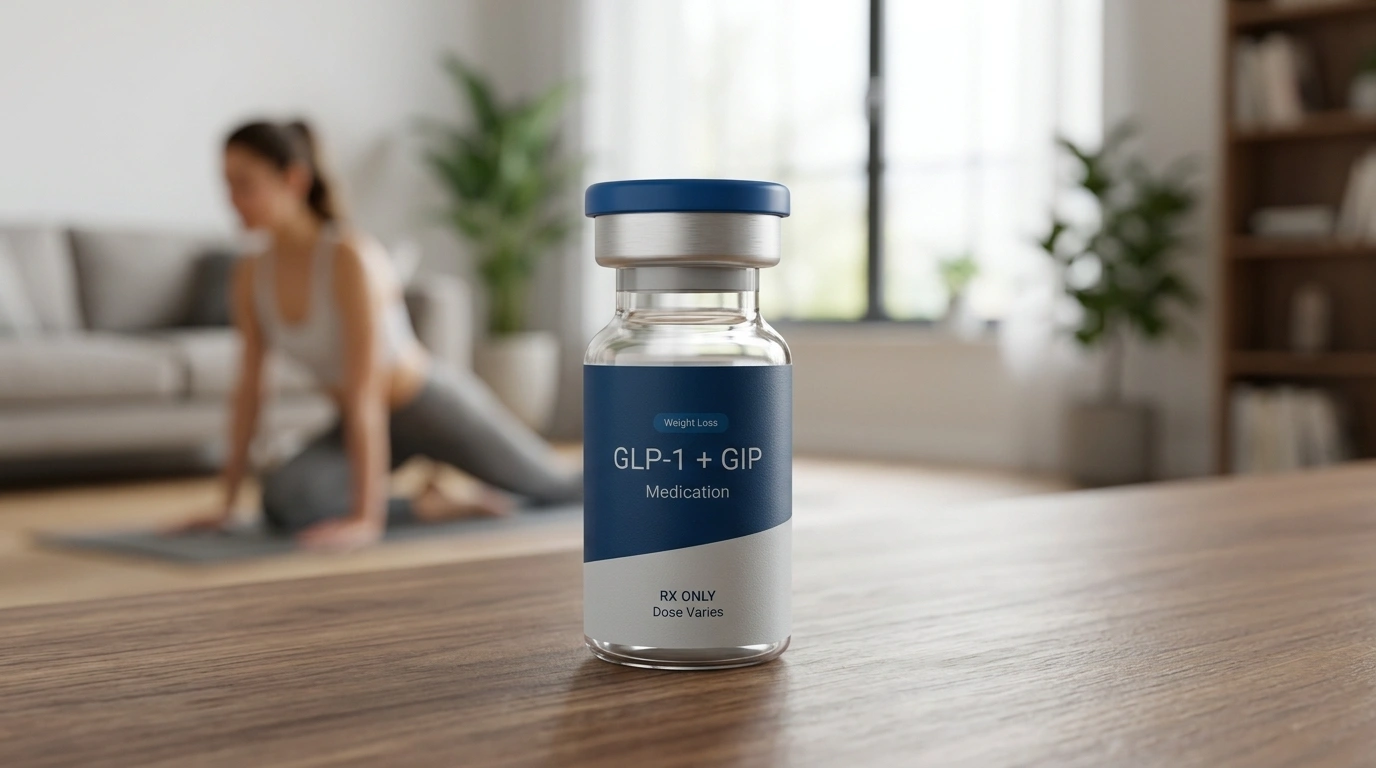
Before looking at donation eligibility, it is helpful to understand what Mounjaro® is and how it interacts with your system. Mounjaro® is a brand-name medication containing the active ingredient tirzepatide. It belongs to a class of drugs known as dual glucose-dependent insulinotropic polypeptide (GIP) and glucagon-like peptide-1 (GLP-1) receptor agonists. For a broader look at the biology behind this class, read our guide on how GLP-1 actually works for weight loss.
In plain English, this medication mimics two natural hormones in your body. The GLP-1 component helps your pancreas release the right amount of insulin when your blood sugar is high and slows down how quickly your stomach empties. The GIP component also supports insulin secretion and may improve how your body breaks down sugar and fat. Together, they help regulate blood glucose levels and signal to your brain that you are full, which often leads to significant weight loss.
Because these medications stay in your system for several days—hence the once-weekly dosing schedule—donation centers must consider how the drug affects your blood and your overall physical stability during the donation process.
General Eligibility for Plasma Donation
Plasma donation, or plasmapheresis, is different from a standard whole-blood donation. During this process, blood is drawn, the plasma (the liquid portion of the blood) is separated, and the red blood cells are returned to your body. Because this process can be more taxing on your hydration and mineral levels than a standard blood draw, the eligibility requirements are strict.
To donate plasma in the United States, you generally must meet these criteria:
- Age and Weight: You must be at least 18 years old and weigh at least 110 pounds.
- Medical Screening: You must pass a physical exam and a health history assessment on the day of donation.
- Identification: You must provide proof of identity and a permanent address.
- Testing: Your blood will be tested for protein and hemoglobin levels, as well as various infectious diseases.
When it comes to medications, most donation centers maintain a “deferral list.” This is a list of drugs that require you to wait a certain amount of time after your last dose before you can donate. Common deferrals include blood thinners, certain acne medications, and medications for hair loss. If you are trying to understand how stable dosing affects day-to-day tolerance, our guide on Can You Stay on 2.5 mg of Mounjaro? What You Need to Know may help. Currently, GLP-1 and GIP medications like tirzepatide do not typically appear on these standard deferral lists, but individual center policies can vary.
Why Mounjaro Might Affect Your Eligibility
While Mounjaro® itself is not usually a disqualifying medication, the reasons you are taking it and the way your body responds to it are the primary factors a donation center will evaluate.
Underlying Health Conditions
The most common reasons for taking tirzepatide are type 2 diabetes or chronic weight management.
- Type 2 Diabetes: If you have diabetes, the donation center’s primary concern is your stability. They want to ensure your blood sugar is well-controlled and that you have not had a recent episode of severe hypoglycemia (low blood sugar). Most centers allow individuals with diabetes to donate as long as their condition is managed and they feel well on the day of the appointment.
- Weight Management: If you are using the medication for weight loss, the center will monitor your heart rate, blood pressure, and weight. If the medication has caused you to drop below the 110-pound minimum, you will be deferred until your weight increases.
Side Effects and Physical Stability
The side effects of Mounjaro® can occasionally interfere with your ability to donate safely. The medication is known to cause gastrointestinal issues in some people, particularly when they first start treatment or increase their dose. If you want a closer look at dehydration-related symptoms, see Does Tirzepatide Cause Dry Mouth? What You Should Know.
- Dehydration: Nausea, vomiting, and diarrhea can lead to fluid loss. Since plasma is mostly water, being even slightly dehydrated can make the donation process difficult and may cause you to feel faint or dizzy.
- Nutrient Levels: If the medication significantly reduces your appetite, you may not be consuming enough protein or iron. Donation centers check your protein and hemoglobin levels before every session. If these are too low, you will not be allowed to donate that day.
Key Takeaway: Mounjaro® is not typically a barred medication for plasma donation, but your eligibility depends on being “in good health” on the day of donation, which includes having stable blood sugar and adequate hydration.
Compounded vs. Branded Medications in Donation Contexts
It is important to distinguish between branded medications and compounded versions. Branded medications like Mounjaro®, Ozempic®, and Zepbound® are FDA-approved for specific uses. Many patients today use Compounded Tirzepatide or Compounded Semaglutide, which are prepared by licensed, state-regulated compounding pharmacies.
While Compounded Tirzepatide contains the same active ingredient as Mounjaro®, it is important to note that compounded medications are not FDA-approved. However, for the purposes of plasma donation, the screening process is generally the same. You will be asked to disclose all medications you are taking. Whether your tirzepatide is a branded version or a compounded version from an FDA-registered, inspected pharmacy, you must report it to the medical staff at the donation center.
We focus on ensuring that every person who uses our platform is connected with licensed providers who can evaluate these nuances. If you are using a personalized program through our service, your provider can help you understand how your specific dosage and response to the medication might align with your desire to donate plasma.
Managing Side Effects Before Donation
If you have confirmed with your local donation center that you are eligible to donate while taking Mounjaro®, the next step is ensuring your body is prepared. The way you manage your treatment can significantly impact your donation experience.
Focus on Hydration
Hydration is the most critical factor for a successful plasma donation. Tirzepatide can sometimes mask thirst signals or cause you to lose fluids through digestive side effects. For a more detailed hydration target, our guide on how much water you should drink when taking Mounjaro can be a useful reference.
- The 24-Hour Rule: Drink at least 64 to 96 ounces of water in the 24 hours leading up to your donation.
- Electrolytes: Water alone may not be enough if your appetite is low. Consider using an electrolyte supplement to maintain a healthy balance of sodium, potassium, and magnesium. This can help prevent the “crash” or dizziness that some donors experience after the procedure.
- Avoid Diuretics: Limit caffeine and avoid alcohol for at least 24 hours before your appointment, as these can dehydrate you.
Nutritional Support
Since Mounjaro® slows gastric emptying, you may feel full for a long time. However, you need adequate protein and iron in your blood to donate.
- Protein Intake: Aim for a high-protein meal a few hours before you donate. This helps ensure your plasma protein levels meet the donation center’s requirements.
- Iron-Rich Foods: Incorporate spinach, lean meats, or fortified cereals into your diet in the days leading up to your appointment to maintain healthy hemoglobin levels.
- Our Supplement Support: For those on a GLP-1 or GIP regimen, we sometimes recommend targeted support. Our GLP-1 Daily Support supplement is designed to help bridge nutritional gaps that can occur when your appetite is suppressed, ensuring your body has the micronutrients it needs to stay resilient during activities like plasma donation.
Communication with the Donation Center
Transparency is vital when you visit a donation center. You should always bring a list of your current medications, including the dosage and the last time you took them.
When you speak with the screening nurse, you should:
- Disclose the Medication: Mention that you are taking Mounjaro® (tirzepatide) or a compounded version.
- State the Reason for Use: Let them know if it is for type 2 diabetes management or weight loss.
- Report Side Effects: Be honest if you have experienced recent nausea or dizziness. It is better to be deferred for a few days than to have a medical emergency during the donation.
- Discuss Recent Dosing Changes: If you just increased your dose, your body may be in a state of adjustment. Some centers prefer that you be on a stable dose for at least a few weeks before donating.
| Factor | Impact on Plasma Donation | Advice for Mounjaro® Users |
|---|---|---|
| Hydration | Essential for blood flow and volume. | Drink 2-3 liters of water the day before. |
| Blood Sugar | Must be stable to avoid fainting. | Don’t donate on an empty stomach; monitor glucose. |
| Protein Levels | Plasma is rich in proteins. | Focus on lean protein intake 48 hours prior. |
| Weight | Must be at least 110 lbs. | Monitor weight loss progress closely. |
| Active GI Symptoms | Causes temporary deferral. | Wait until nausea or diarrhea has subsided. |
The Impact of Rapid Weight Loss
For many of our members, the weight loss journey is a primary goal. While losing weight can improve your overall health and potentially make you a “healthier” donor in the long run, the process of rapid weight loss requires caution during donation. If you notice your energy dipping during a weight-loss phase, our Weight Loss Boost supplement may be worth discussing with your care team.
When you lose weight quickly, your blood volume and blood pressure can shift. The body is also under a degree of metabolic stress as it breaks down fat stores. If you are in the middle of a significant weight loss phase, you may be more prone to vasovagal reactions (fainting) during a plasma donation.
If you find that your blood pressure is lower than usual or you feel lightheaded when standing up quickly, it may be best to pause your donation schedule until your weight stabilizes or your body adjusts to its new “set point.” Our team of specialists is available 24/7 to help you navigate these physical changes and ensure your weight loss is proceeding at a healthy, sustainable pace.
Myth vs. Fact: Mounjaro and Donation
Myth: You can’t donate plasma if you use an injectable medication. Fact: Only certain injectables (like growth hormones or non-prescription drugs) result in automatic disqualification. Most prescribed, medically supervised injectables for diabetes or weight loss are acceptable.
Myth: The medication will be passed on to the recipient of the plasma. Fact: While trace amounts of medications can exist in plasma, the processing and dilution that occur when plasma is turned into therapeutic products typically render these levels negligible. However, this is why certain medications (like teratogenic drugs) are strictly barred.
When to Consult Your Healthcare Provider
While we provide extensive resources and support through the TrimRx platform, your safety is our priority. You should always consult with your prescribing physician or the medical director at the donation center if:
- You have a history of fainting or severe reactions during blood draws.
- Your type 2 diabetes is difficult to control despite taking Mounjaro®.
- You are taking Mounjaro® in combination with other medications like insulin or sulfonylureas, which increase the risk of hypoglycemia.
- You are experiencing persistent side effects that prevent you from eating or drinking normally. For a deeper look at the adjustment period, read How Long Do Tirzepatide Side Effects Last? What You Need to Know.
Steps to Take Before Your Next Donation
If you are ready to donate, follow these steps to ensure a smooth process:
- Step 1: Check your weight. Confirm you are still above the 110-pound threshold required by the FDA.
- Step 2: Review your symptoms. If you have had significant nausea or diarrhea in the last 48 hours, reschedule your appointment.
- Step 3: Pre-hydrate. Start increasing your water and electrolyte intake at least 24 hours in advance.
- Step 4: Eat a solid meal. Ensure you have a protein-rich meal 2 to 4 hours before your appointment. Avoid high-fat foods (like fried food), as excess fat in the blood can make the plasma appear “cloudy” (lipemic), which may lead to your donation being discarded.
- Step 5: Bring your documentation. Have your medication names and dosages ready for the screening process.
Our Approach to Sustainable Health
At TrimRx, our mission is to help you achieve a healthier lifestyle through a personalized, science-backed approach. We understand that your health journey doesn’t happen in a vacuum—it involves your daily activities, your community contributions, and your long-term wellness goals.
We are proud to offer a platform that connects you with medical professionals who understand the nuances of GLP-1 and GIP therapy. Whether you are using Mounjaro®, Wegovy®, or a compounded alternative, we are here to support you with 24/7 access to specialists and comprehensive care. By focusing on the whole person, we help you reach your goals safely so that you can continue to give back to others through acts like plasma donation.
Summary of Key Points
Donating plasma while taking Mounjaro® is generally permissible, but it requires a proactive approach to your own health. By staying hydrated, ensuring your nutrition is on track, and being transparent with the donation center staff, you can successfully balance your metabolic health journey with the selfless act of donation.
- Mounjaro® (tirzepatide) is not typically on the medication deferral list.
- Stable diabetes and well-managed side effects are the most important factors for eligibility.
- Hydration and protein intake are critical for a successful, safe donation.
- Always disclose your medications, including compounded versions, during the screening process.
If you are interested in starting a personalized weight loss program that takes your unique lifestyle and health goals into account, the first step is easy. You can begin by taking our free assessment quiz to see which of our medically supervised programs is right for you.
FAQ
Can I donate plasma if I just started Mounjaro?
It is often recommended to wait until you have been on a stable dose for a few weeks. When you first start the medication, your body is adjusting to new hormone levels and potential side effects, which may make you more prone to dizziness or dehydration during donation.
Will taking tirzepatide make me feel more faint during donation?
It can if you are not properly hydrated or haven’t eaten enough. Because the medication slows digestion and can suppress thirst, you must be extra diligent about your fluid and electrolyte intake in the 24 hours leading up to your appointment.
Do I need to tell the donation center I am taking Mounjaro?
Yes, you must disclose all medications during the confidential health history screening. This ensures the safety of the plasma supply and helps the medical staff monitor you for any potential adverse reactions during the donation process.
Does the 110-pound weight limit apply if I’m taking Mounjaro for weight loss?
Yes, the 110-pound minimum weight requirement is an FDA-mandated safety standard for all donors, regardless of the medications they are taking. If your weight loss program brings you below this threshold, you will be ineligible to donate plasma until your weight increases.
Disclaimer: This content is for informational purposes only and does not constitute medical advice. It is not intended to diagnose, treat, cure, or prevent any disease or condition. Individual results may vary. Always consult a qualified healthcare professional before starting any weight loss program or medication.

Transforming Lives, One Step at a Time
Keep reading

Mounjaro Alternatives: What Else to Consider
If Mounjaro isn’t the right fit, the closest alternatives are other GLP-1 medications, chiefly semaglutide (Ozempic for diabetes, Wegovy for weight), along with a…

Mounjaro vs Zepbound: Same Drug, Two Brands
Like their semaglutide counterparts, Mounjaro and Zepbound are the same medication (tirzepatide) sold under two names for two purposes: Mounjaro is approved for type…

Retatrutide vs Mounjaro: Triple Agonist vs Dual Agonist
The core difference between retatrutide and Mounjaro comes down to how many hormone targets each hits: retatrutide activates three receptors, while Mounjaro (tirzepatide) activates…


