Can You Fly After Taking Mounjaro? Travel Tips and Safety
Introduction
Planning a vacation or a business trip often comes with a long checklist, but when you are managing a weight loss journey with a GLP-1 medication, that list can feel a bit more complex. If you have recently started your treatment, you might find yourself wondering: can you fly after taking Mounjaro? Whether you are worried about managing side effects at 30,000 feet or keeping your medication at the right temperature, these concerns are valid and very common, and our GLP-1 and Travel: Managing Your Medication guide covers the broader logistics.
At TrimRx, we believe that your health goals should fit into your life, not the other way around. Navigating air travel while on a personalized weight loss program requires some preparation, but it is entirely manageable with the right information. This article covers everything you need to know about flying with Mounjaro®, from storage requirements and airport security to managing your dosing schedule across different time zones. By planning ahead, you can maintain your progress and enjoy your travels with peace of mind. If you want to see whether a personalized program is a fit, take the free assessment quiz.
Flying Immediately After Your Injection
One of the most common questions is whether it is safe to board a plane shortly after administering your dose. From a purely clinical standpoint, there is no medical reason why you cannot fly immediately after taking Mounjaro®. The medication does not interact with cabin pressure or altitude in a way that creates a direct health risk. However, the practical side of flying involves considering how your body responds to the medication.
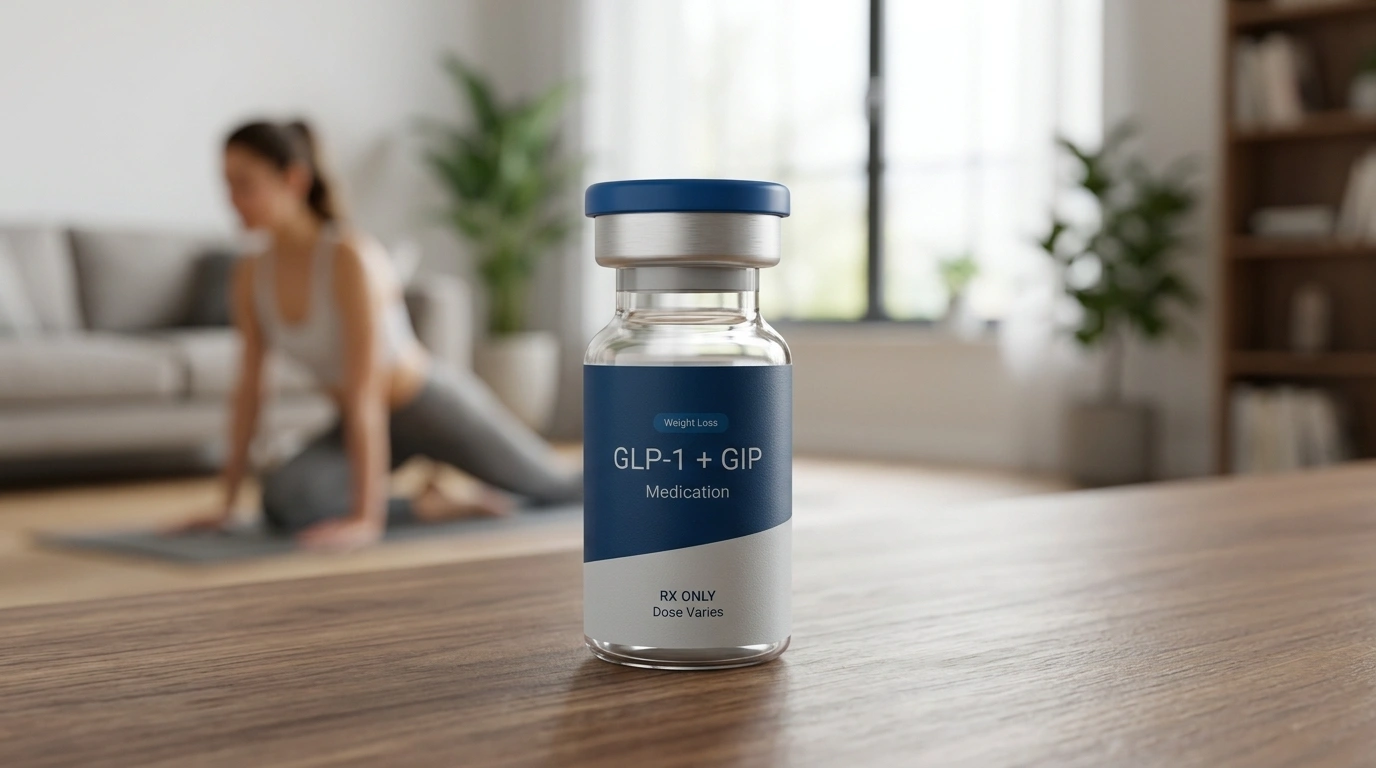
Mounjaro® contains tirzepatide, which is a dual-acting GIP (glucose-dependent insulinotropic polypeptide) and GLP-1 (glucagon-like peptide-1) receptor agonist. In plain English, this means it mimics two natural hormones in your body to help regulate blood sugar and signal to your brain that you are full. Because it slows down gastric emptying—the speed at which food leaves your stomach—some people experience gastrointestinal side effects like nausea, bloating, or indigestion. If nausea is already a concern, our Nausea and GLP-1 Medications: Solutions That Work guide may be helpful.
If you are early in your treatment or have just increased your dosage, these side effects can be more pronounced in the first 24 to 48 hours after an injection. Flying can sometimes exacerbate these feelings due to dehydration, cabin pressure changes, or the stress of travel. If possible, you may want to time your injection so that it does not fall on the same day as a long flight. This allows you to see how you feel in a comfortable environment before being confined to an airplane seat.
Key Takeaway: While it is physically safe to fly after an injection, timing your dose a day or two before your flight can help you avoid managing potential nausea or digestive discomfort while in the air.
Temperature Control and Storage Requirements
Mounjaro® is a biological medication that is sensitive to temperature. To keep the medication effective, it is important to follow specific storage guidelines. When you are at home, the medication should stay in the refrigerator. When you are traveling, maintaining this “cold chain” becomes the priority.
The medication is most stable when kept between 36°F and 46°F (2°C to 8°C). However, the manufacturer provides a buffer for travel and convenience. Mounjaro® can be kept at room temperature—up to 86°F (30°C)—for up to 21 days. If the medication is exposed to temperatures higher than this, or if it is frozen, the proteins in the medication can break down, making it less effective or potentially unsafe. For more detail on handling your medication while traveling, see our How to Travel with Mounjaro: Your Guide to Safe and Stress-Free Medication Travel.
Using Travel Coolers
For long-haul flights or travel to warm climates, a medical-grade travel cooler is a wise investment. These are small, insulated cases designed specifically for pens and vials. Many come with gel packs that stay frozen for several hours. When using a gel pack, ensure it does not directly touch the medication pen, as this could accidentally freeze the liquid. Wrapping the pen in a small hand towel before placing it in the cooler can provide a safe barrier.
Managing the 21-Day Rule
If you take your medication out of the refrigerator for a trip and it reaches room temperature, the 21-day countdown begins. Even if you put the medication back into a refrigerator at your hotel, you must still use that specific pen within 21 days of the initial warming. It is helpful to write the “discard date” on the packaging so you do not lose track during your trip.
Note: Never leave your medication in a car, even for a few minutes. Temperatures inside a vehicle can quickly exceed the 86°F safety limit, even on a mild day.
Navigating Airport Security (TSA)
Many travelers worry that carrying needles and liquid medication will cause issues at the security checkpoint. The good news is that the Transportation Security Administration (TSA) has very clear, supportive rules for travelers with medical necessities.
Medication is an Exception to Liquid Rules You likely know the “3-1-1” rule for liquids in carry-on bags (bottles must be 3.4 ounces or less). Prescription medications are an exception to this rule. You are allowed to carry your Mounjaro® pens and even larger cooling gel packs through security, even if the gel pack is partially melted.
Documentation and Packaging To make the process as smooth as possible, keep your medication in its original pharmacy packaging. This packaging has the prescription label with your name, which matches your ID. While a doctor’s note is not strictly required for domestic US travel, it can be very helpful for international trips or if you encounter a particularly thorough security agent.
The Screening Process When you reach the front of the security line, it is a good idea to inform the TSA officer that you have medically necessary liquids and syringes. You should pull your medication bag out of your carry-on and place it in a separate bin for X-ray screening. According to the manufacturer, passing Mounjaro® through standard airport X-ray machines does not damage the medication. If you want a fuller walkthrough of the packing process, our Flying Safely with Mounjaro: Your Essential Guide to Traveling with Your Weight Loss Pen article is a useful companion.
Why You Should Never Check Your Medication
One of the most important rules for flying with Mounjaro® is to keep it in your carry-on luggage. You should never put your medication in a checked bag that goes into the belly of the plane. There are two primary reasons for this:
- Temperature Extremes: The cargo hold of an airplane is not climate-controlled like the passenger cabin. It can reach freezing temperatures during flight or extreme heat while sitting on the tarmac. Both freezing and excessive heat will ruin the medication.
- Risk of Loss: Luggage gets lost or delayed every day. If your medication is in a lost bag, getting a replacement while on vacation can be incredibly difficult, expensive, and stressful.
By keeping your medication in your “personal item” or carry-on bag, you ensure it stays at a safe temperature and remains within your reach at all times.
Managing Dosing Schedules Across Time Zones
Mounjaro® is typically taken once a week on the same day. When you travel across several time zones, you might wonder if you need to adjust your injection time down to the exact hour.
For most people, the goal is to keep the medication at a “steady state” in the body. If you are moving through a few time zones (such as flying from New York to Los Angeles), you can simply take your dose at your usual time in the new local time zone. A three-hour difference will not significantly impact the effectiveness of the treatment.
For international travel with a significant time difference (six hours or more), you have a few options:
- Stay on “Home Time”: If your trip is short, you can simply take your dose based on the time it is back home.
- Gradual Adjustment: If you are staying for an extended period, you can shift your dose by a few hours each week until you reach your desired local time.
- The 4-Day Rule: According to the prescribing information, if you miss a dose, you can take it as soon as you remember, as long as the next scheduled dose is at least 3 days (72 hours) away. This provides a lot of flexibility for travelers.
If you want a broader overview of timing, storage, and trip planning, our Traveling with GLP-1s in 2026: Your Essential Trip-Proof Plan guide covers those details in one place.
Bottom line: Consistency is key for long-term success, but the medication’s long half-life means that being off by a few hours or even a day will not ruin your progress. Consult with your healthcare provider if you are unsure how to manage a significant schedule shift.
Staying Comfortable During the Flight
If you have taken your dose recently and find yourself on a long flight, there are several ways to manage your comfort and support the work the medication is doing.
Hydration is Essential
GLP-1 medications can sometimes decrease your thirst reflex. Combined with the dry air in an airplane cabin, it is very easy to become dehydrated. Dehydration is a leading cause of the headaches and fatigue sometimes associated with weight loss medications. Aim to drink a glass of water for every hour you are in the air. Avoid excessive caffeine or alcohol, which can further dehydrate you and irritate the stomach. If you want extra nutritional support during treatment, the GLP-1 Daily Support supplement is designed to complement a GLP-1 routine.
Focus on Protein
Airplane food is often heavy on refined carbohydrates and sodium, which can lead to bloating. Since Mounjaro® slows your digestion, you might find that heavy, greasy airport meals sit uncomfortably in your stomach for hours. Look for protein-rich snacks like Greek yogurt, hard-boiled eggs, or turkey slices. These will keep you feeling satisfied without causing digestive distress.
Move Around
Though not directly related to the medication, people on weight loss journeys should be mindful of circulation. If you are flying for more than four hours, try to get up and walk the aisle every 60 to 90 minutes. This helps prevent stiffness and supports overall metabolic health. If you want an added layer of energy support while staying active, the Weight Loss Boost supplement is another option to consider alongside healthy habits.
International Travel Considerations
If your flight is taking you outside of the United States, there are a few extra steps to take. Different countries have different laws regarding injectable medications and “controlled” substances (though Mounjaro® is not a controlled substance, it is still a prescription injectable).
- Check Local Laws: Before you leave, check the embassy website of your destination country. Most countries allow you to bring a 30-day supply of personal medication as long as you have the prescription.
- Keep the Paperwork: Always have a digital or physical copy of your prescription. At TrimRx, we ensure our members have access to their treatment plans, which can be helpful if you need to show proof of medical necessity at a foreign border.
- Refills: It is almost impossible to get a US prescription filled in a foreign country. Ensure you have enough medication to cover your entire trip, plus a few extra days in case of travel delays.
Maintaining Your Progress While Traveling
A vacation is a time to relax, but it doesn’t have to be a “break” from your health goals. One of the benefits of the TrimRx program is that it is designed for real life. Traveling on a GLP-1 medication like Mounjaro® or compounded tirzepatide can actually make vacations more enjoyable because you may feel less controlled by food cravings.
Instead of focusing on “dieting,” focus on “mindful indulgence.” The medication helps you recognize fullness cues more clearly. You can enjoy the local cuisine in smaller portions and find that you are genuinely satisfied. This approach leads to sustainable weight management rather than the “yo-yo” effect often seen after holiday travel. If you want a deeper look at protein balance while losing weight, our How Much Protein for Weight Loss? Our Expert Breakdown guide is a helpful next read.
Key Takeaway: Use the “fullness” signals provided by your medication to enjoy high-quality local foods without overindulging. This shift in mindset is a major component of long-term success.
How to Prepare: A Pre-Flight Checklist
To ensure a stress-free travel experience, use this checklist 48 hours before your flight:
- Check Your Supply: Do you have enough pens for the duration of the trip?
- Verify Packaging: Is the medication in its original box with the prescription label attached?
- Prepare the Cooler: If using a gel pack, put it in the freezer. If using an insulated bag, make sure it is clean.
- Print Documentation: While often unnecessary, having a printed copy of your prescription can save time in a security line.
- Plan Your First Meal: Identify a high-protein, low-grease meal you can eat after you land to keep your stomach settled.
Conclusion
Flying after taking Mounjaro® is a safe and common experience for thousands of people every day. By understanding the temperature needs of your medication, keeping your pens in your carry-on, and staying hydrated, you can ensure that your travel plans stay on track. The goal of any weight loss journey is to reclaim your health so you can live your life to the fullest—and that includes traveling the world.
At TrimRx, we are dedicated to helping you navigate these practical hurdles with science-backed guidance and empathetic support. Our personalized programs are built to adapt to your lifestyle, ensuring that whether you are at home or at 30,000 feet, you have the tools you need for sustainable success.
If you are ready to start a weight loss journey that fits your life, the first step is simple.
Next Step: Take the free assessment quiz to see if a personalized GLP-1 program is right for your health goals.
FAQ
Can I take Mounjaro through airport X-ray machines?
Yes, you can safely pass Mounjaro® pens through airport X-ray machines. The manufacturer has stated that the radiation from standard security screening does not affect the safety or effectiveness of the medication. You do not need to request a hand inspection unless you prefer to do so.
What should I do if my Mounjaro was left out of the fridge?
If your Mounjaro® was left at room temperature (up to 86°F), it is still safe to use for up to 21 days. However, if the medication was exposed to extreme heat or if the liquid inside looks cloudy or has particles in it, you should not use it. Always consult with a healthcare professional if you are unsure about the integrity of your medication.
Is it okay to delay my Mounjaro dose by a day for travel?
Yes, you can generally shift your dose by a day if it helps you manage travel-related stress or side effects. The official guidance states that as long as there are at least 3 days between doses, you can adjust your schedule. If you miss your dose entirely, you have a 4-day window to take it before you should simply wait for your next scheduled day.
Can I get a refill of Mounjaro while I am traveling?
Getting a refill while traveling, especially across state lines or internationally, can be very difficult due to pharmacy regulations. It is always best to plan ahead and ensure you have an adequate supply for your entire trip. If you are part of a telehealth program, contact your provider well in advance to discuss your travel needs. If you are still deciding whether a personalized plan is right for you, take the free assessment quiz.
Disclaimer: This content is for informational purposes only and does not constitute medical advice. It is not intended to diagnose, treat, cure, or prevent any disease or condition. Individual results may vary. Always consult a qualified healthcare professional before starting any weight loss program or medication.

Transforming Lives, One Step at a Time
Keep reading

Mounjaro Alternatives: What Else to Consider
If Mounjaro isn’t the right fit, the closest alternatives are other GLP-1 medications, chiefly semaglutide (Ozempic for diabetes, Wegovy for weight), along with a…

Mounjaro vs Zepbound: Same Drug, Two Brands
Like their semaglutide counterparts, Mounjaro and Zepbound are the same medication (tirzepatide) sold under two names for two purposes: Mounjaro is approved for type…

Retatrutide vs Mounjaro: Triple Agonist vs Dual Agonist
The core difference between retatrutide and Mounjaro comes down to how many hormone targets each hits: retatrutide activates three receptors, while Mounjaro (tirzepatide) activates…


