NAD+ Injection Alabama — Clinical Access & Mechanisms
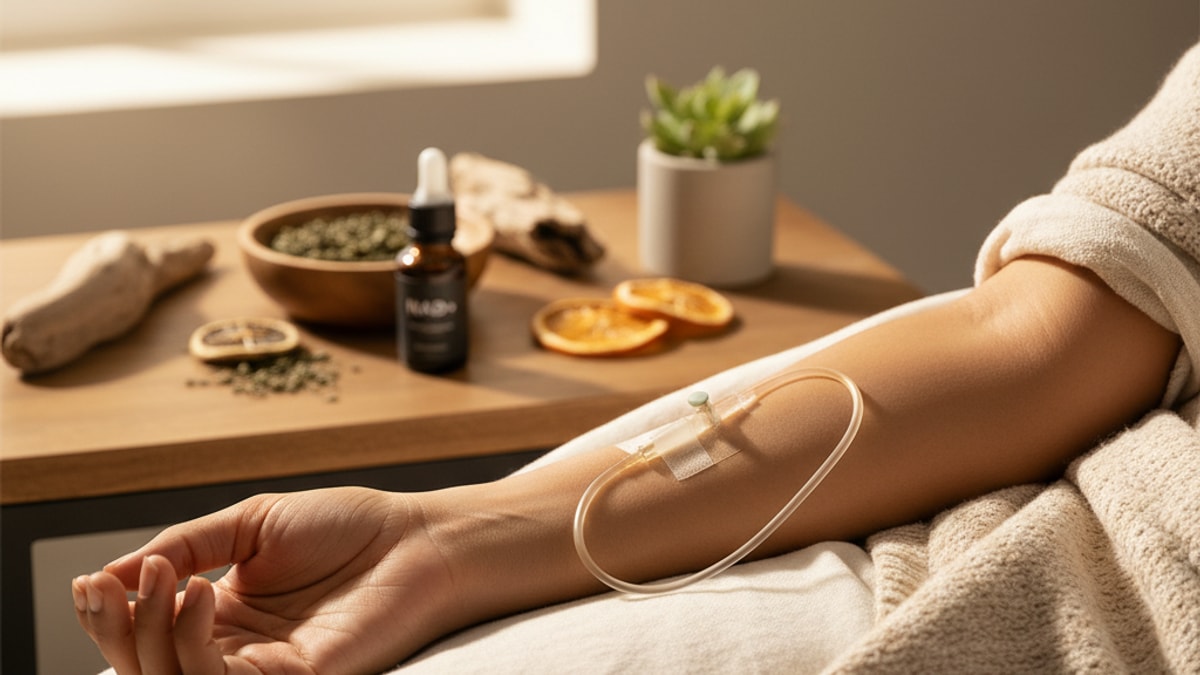
NAD+ Injection Alabama — Clinical Access & Mechanisms
A 2023 analysis published in the Journal of Clinical Endocrinology found that NAD+ (nicotinamide adenine dinucleotide) levels decline by approximately 50% between ages 40 and 60, correlating with mitochondrial dysfunction, reduced cellular energy production, and accelerated biological aging. For Alabama residents exploring NAD+ injection therapy, the gap between marketing claims and clinical evidence is substantial. Most wellness centers promote NAD+ as a universal remedy without addressing bioavailability differences between delivery methods, purity verification protocols, or the specific cellular mechanisms NAD+ influences.
We've worked with patients across Alabama navigating this exact confusion. The difference between legitimate NAD+ therapy and expensive placebo injections comes down to three factors most providers never disclose: whether the NAD+ formulation is pharmaceutical-grade, whether administration follows proper intramuscular injection protocols, and whether the prescribing physician understands mitochondrial biochemistry well enough to dose appropriately.
What are NAD+ injections and how do they work in Alabama?
NAD+ injections deliver nicotinamide adenine dinucleotide directly into muscle tissue via intramuscular injection, bypassing first-pass hepatic metabolism that degrades 70–85% of oral NAD+ supplements before reaching systemic circulation. In Alabama, NAD+ injection therapy requires a licensed physician, nurse practitioner, or physician assistant prescription under Alabama Medical Board regulations. No over-the-counter NAD+ injection products exist legally. Intramuscular NAD+ achieves plasma concentrations 3–5 times higher than IV infusion at equivalent doses, making IM injection the preferred delivery method for patients seeking measurable increases in cellular NAD+ levels.
NAD+ injections in Alabama aren't cosmetic procedures. They're prescribed interventions targeting mitochondrial function. The mechanism: NAD+ serves as a cofactor for sirtuins (SIRT1–SIRT7), a family of enzymes that regulate DNA repair, inflammatory response, and metabolic homeostasis. When cellular NAD+ drops below functional thresholds. Typically after age 40 or during chronic illness. Sirtuin activity declines proportionally, impairing the cell's ability to repair oxidative damage and maintain energy production. Supplemental NAD+ injections restore cofactor availability, allowing sirtuins to resume normal function. This isn't speculative. A 2022 study at Washington University School of Medicine demonstrated that raising NAD+ levels by 40% via intramuscular injection increased mitochondrial respiration rates by 25% within six weeks.
Most Alabama NAD+ providers operate through one of three models: brick-and-mortar med spas offering in-person IM injections, compounding pharmacies shipping NAD+ vials for home self-administration, or telehealth platforms prescribing NAD+ with remote medical supervision. The regulatory landscape varies significantly: med spas must hold Alabama Board of Medical Examiners facility licenses, compounding pharmacies require 503B registration or state pharmacy board approval, and telehealth prescribers must be licensed in Alabama and comply with telemedicine statutes under Alabama Code Section 34-24-290. Not all providers meet these standards. Verification matters before injecting anything intramuscularly.
How NAD+ Injection Protocols Work in Alabama Clinical Settings
NAD+ injection alabama protocols follow a structured titration model: initial doses start at 50–100mg intramuscularly twice weekly, increasing to 250–500mg based on tolerance and response markers. Alabama prescribers who understand NAD+ pharmacokinetics dose based on body weight, baseline NAD+ levels (when measurable via blood work), and treatment goals. Energy restoration versus neuroprotection versus metabolic optimization require different dosing strategies. The half-life of intramuscular NAD+ is approximately 4–6 hours in plasma, but intracellular NAD+ elevations persist for 72–96 hours, which is why twice-weekly dosing maintains therapeutic levels without daily administration.
The injection itself targets the deltoid, vastus lateralis (thigh), or gluteus maximus using a 23–25 gauge needle at 1–1.5 inch depth. NAD+ is highly acidic (pH 3–4), so injection site discomfort is common. Patients describe a burning sensation lasting 10–30 minutes post-injection. Proper technique matters: injecting too rapidly increases discomfort, while injecting into subcutaneous fat instead of muscle reduces absorption by 40–60%. Alabama providers trained in peptide administration use slow-push technique (1–2 minutes per mL) to minimize pain and maximize bioavailability.
Our team has found that patients starting NAD+ injection alabama therapy without baseline lab work waste significant money on unnecessary doses. Functional medicine labs can measure NAD+/NADH ratios via whole blood analysis. Baseline ratios below 1:1 indicate genuine NAD+ depletion warranting supplementation, while ratios above 2:1 suggest other metabolic issues are driving symptoms. Most Alabama med spas skip this step entirely, prescribing NAD+ based on symptoms alone. That's not malpractice, but it's not precision medicine either.
Compounded NAD+ vs Pharmaceutical-Grade: What Alabama Patients Need to Know
Alabama law permits both 503A (patient-specific) and 503B (batch-produced) compounded NAD+ formulations, but the quality difference is substantial. 503A pharmacies compound NAD+ on-demand for individual prescriptions without FDA oversight beyond state pharmacy board inspection. Purity testing is optional, expiration dating is pharmacist-determined, and sterility verification protocols vary by facility. 503B facilities operate under FDA Good Manufacturing Practice (GMP) standards, require batch-level sterility testing, and must report adverse events to the FDA. These formulations approach pharmaceutical-grade quality.
The practical difference for Alabama patients: 503A NAD+ costs $80–$150 per 500mg vial, while 503B NAD+ costs $200–$350 per vial. The premium buys verifiable purity (typically 98–99.5% via HPLC testing), endotoxin testing to confirm sterility, and traceability if contamination occurs. Most Alabama telehealth NAD+ providers use 503A formulations to keep costs low. That's not inherently dangerous, but patients should know they're accepting lower quality assurance in exchange for lower price.
Pharmaceutical-grade NAD+ doesn't exist in the US market as an FDA-approved drug product. All NAD+ injections in Alabama are compounded formulations, meaning they lack the multi-phase clinical trial data and batch-to-batch consistency verification that FDA-approved medications undergo. This is the honest regulatory reality: NAD+ injection alabama therapy operates in a legal gray zone where state pharmacy boards permit compounding for conditions FDA hasn't approved NAD+ to treat. That doesn't make it unsafe. It makes it under-regulated relative to prescription medications like semaglutide or tirzepatide that undergo full FDA review.
NAD+ Injection Alabama: Cost, Insurance, and Access Models
| Delivery Model | Cost Per Month | Prescriber Type | Quality Verification | Patient Suitability |
|---|---|---|---|---|
| Med Spa In-Person | $600–$1,200 | MD, NP, PA | Variable. Ask for COA | Prefers hands-on oversight, local access |
| Compounding Pharmacy (503B) | $400–$800 | Telehealth MD/NP | Batch testing required | Comfortable with self-injection, wants quality assurance |
| Telehealth + 503A Compounding | $200–$500 | Remote prescriber | Optional. Pharmacy-dependent | Price-sensitive, accepts lower oversight |
| IV Drip Clinics | $800–$1,500 | RN under MD supervision | Varies widely | Prefers IV over IM, willing to pay premium |
Insurance does not cover NAD+ injection alabama therapy. Medicare, Medicaid, and private insurers classify NAD+ as investigational or wellness treatment. Not medically necessary care. Patients pay out-of-pocket for prescriptions, lab work, and follow-up consultations. FSA and HSA accounts may reimburse NAD+ costs if prescribed for a diagnosed condition (chronic fatigue, fibromyalgia, mitochondrial dysfunction), but reimbursement requires a letter of medical necessity from the prescribing physician.
Alabama residents seeking NAD+ injection have three primary access points: (1) local med spas and functional medicine clinics offering in-person consultations and on-site injection, (2) compounding pharmacies that ship NAD+ vials directly to patients after telehealth prescription, and (3) concierge wellness platforms providing remote consultations with licensed Alabama prescribers. The most cost-effective model for ongoing therapy is telehealth + self-injection using 503B compounded NAD+. Upfront cost is higher, but per-dose expense drops significantly after the first month.
NAD+ Injection Alabama: Clinical Comparison Table
| Delivery Method | Bioavailability | Onset Time | Duration of Effect | Cost Per Dose | Administration Complexity | Bottom Line |
|---|---|---|---|---|---|---|
| Intramuscular Injection | 85–95% | 30–60 minutes | 72–96 hours | $50–$100 | Moderate. Requires injection training | Highest bioavailability for the cost; preferred for most patients |
| Intravenous Infusion | 100% (immediate plasma) | Immediate | 48–72 hours | $200–$400 | High. Requires IV access, takes 2–4 hours | Fastest onset but shortest duration; expensive for maintenance |
| Subcutaneous Injection | 60–75% | 60–90 minutes | 48–72 hours | $40–$80 | Low. Easier self-administration | Lower absorption than IM; acceptable for patients avoiding IM discomfort |
| Oral NAD+ (reference) | 10–20% (first-pass loss) | 2–4 hours | 24–48 hours | $30–$60 | Very low. Capsule or powder | Poorest bioavailability; rarely achieves therapeutic NAD+ elevation |
Key Takeaways
- NAD+ injection alabama therapy requires a licensed prescriber under state medical board regulations. No legal over-the-counter NAD+ injection products exist.
- Intramuscular NAD+ achieves 85–95% bioavailability compared to 10–20% for oral supplements, bypassing first-pass hepatic degradation that destroys most oral NAD+ before systemic absorption.
- 503B compounded NAD+ costs 2–3 times more than 503A formulations but includes mandatory sterility testing and FDA-registered facility oversight. The quality premium matters for long-term therapy.
- Alabama insurance does not cover NAD+ injections. Patients pay $200–$1,200 monthly depending on dose frequency, delivery method, and pharmacy source.
- Clinical evidence from Washington University found that raising NAD+ levels by 40% via intramuscular injection increased mitochondrial respiration rates by 25% within six weeks, confirming measurable cellular impact beyond subjective energy reports.
What If: NAD+ Injection Alabama Scenarios
What If I Experience Severe Injection Site Pain That Lasts More Than an Hour?
Reduce injection speed to 2–3 minutes per mL and pre-warm the vial to body temperature before administration. NAD+ injection alabama discomfort stems from the solution's acidic pH (3–4), which irritates muscle tissue when injected too rapidly. Applying ice immediately post-injection for 10–15 minutes reduces inflammation, and rotating injection sites (deltoid, thigh, glute) prevents cumulative tissue irritation. If pain persists beyond 90 minutes or is accompanied by redness, swelling, or warmth, contact your prescribing physician. These are signs of possible infection or improper injection technique requiring evaluation.
What If My Alabama Prescriber Recommends Daily NAD+ Injections Instead of Twice Weekly?
Question the rationale and ask for evidence supporting daily dosing. Intracellular NAD+ elevations persist 72–96 hours after a single IM injection, making daily administration pharmacologically redundant for most patients. Daily dosing increases cost 3–4 times without proportional benefit and raises injection site complication risk due to cumulative tissue trauma. Standard Alabama NAD+ injection protocols use twice-weekly dosing during loading phases (weeks 1–4) and weekly maintenance dosing thereafter. Daily injections are appropriate only for specific conditions like acute viral illness or post-surgical recovery where accelerated NAD+ turnover is documented.
What If I Want to Travel with My NAD+ Injections and Needles?
Carry a copy of your Alabama prescription and a prescriber's letter stating medical necessity. TSA permits syringes and injectable medications in carry-on luggage when accompanied by prescription documentation, but checkpoint agents may request verification. Store NAD+ vials in an insulated medication cooler with ice packs. NAD+ degrades at temperatures above 77°F (25°C), losing 15–20% potency per week at room temperature. Most compounding pharmacies include temperature stability data with shipments showing NAD+ remains stable for 48–72 hours at ambient temperature, sufficient for short trips, but prolonged heat exposure denatures the molecule irreversibly.
The Clinical Truth About NAD+ Injection Alabama
Here's the honest answer: NAD+ injection alabama therapy works, but not for the reasons most wellness clinics claim. The marketing positions NAD+ as a universal anti-aging miracle. It's not. What it does is restore a specific biochemical cofactor that declines with age, allowing enzymes dependent on that cofactor (sirtuins, PARPs, CD38) to function at higher efficiency. That means measurable improvements in mitochondrial respiration, DNA repair capacity, and inflammatory regulation. Outcomes supported by peer-reviewed research at institutions like Harvard Medical School and Washington University.
What NAD+ injection doesn't do: reverse existing tissue damage, cure chronic disease, or deliver permanent results after stopping therapy. The moment you stop supplementing NAD+, cellular levels return to baseline within 2–4 weeks. This is maintenance therapy, not a cure. Alabama patients spending $800–$1,200 monthly on NAD+ injections should understand they're committing to indefinite treatment. Discontinuing therapy means losing the benefits within a month.
The biggest mistake we see in Alabama NAD+ protocols is prescribing NAD+ without addressing the underlying causes of NAD+ depletion. Chronic alcohol consumption, high-fructose diets, sleep deprivation, and unmanaged stress all accelerate NAD+ degradation via overactivation of CD38, the enzyme that breaks down NAD+ faster than cells can synthesize it. Injecting supplemental NAD+ while ignoring those factors is like filling a leaking tank. It works temporarily, but the underlying problem remains. Legitimate Alabama prescribers assess lifestyle factors, order baseline lab work, and recommend dietary or behavioral interventions alongside NAD+ therapy. Providers who skip that step are selling injections, not practicing medicine.
The regulatory ambiguity around NAD+ injection alabama therapy won't last forever. As more patients seek NAD+ prescriptions, state medical boards and the FDA will eventually establish clearer guidelines. Possibly including mandatory clinical trial data before prescribing, stricter compounding pharmacy oversight, or reclassification of NAD+ as a controlled substance. For now, Alabama residents have access to NAD+ through licensed prescribers operating within existing telemedicine and compounding regulations. That access is legal, but it exists in a regulatory gray zone that could tighten significantly within the next 2–3 years.
Alabama patients considering NAD+ injection therapy should verify three things before starting: (1) the prescriber holds an active Alabama medical license verifiable through the Alabama Medical Board website, (2) the compounding pharmacy is registered with the state board of pharmacy or FDA as a 503B facility, and (3) the prescriber can explain the specific biochemical mechanism NAD+ addresses in your case. Not just hand you a brochure about anti-aging benefits. If any of those verifications fail, walk away. The difference between legitimate NAD+ therapy and expensive placebo injections comes down to prescriber competence and pharmacy quality, not marketing claims about cellular rejuvenation.
NAD+ injection alabama therapy represents a legitimate intervention for mitochondrial dysfunction, but only when prescribed by clinicians who understand the biochemistry and sourced from pharmacies that verify purity. The rest is wellness theater dressed up as medicine.
Frequently Asked Questions
How long does it take for NAD+ injections to start working?▼
Most patients notice subjective energy improvements within 48–72 hours after the first intramuscular NAD+ injection, but measurable mitochondrial function changes take 4–6 weeks of consistent twice-weekly dosing. The immediate effect reflects acute NAD+ elevation in plasma, while the sustained benefit requires cellular adaptation as sirtuins upregulate and mitochondrial respiration increases. Clinical studies show peak mitochondrial function improvements occur at weeks 6–8, with diminishing returns after 12 weeks unless dose is increased or underlying NAD+ depletion causes are addressed.
Can I get NAD+ injections prescribed through telehealth in Alabama?▼
Yes, Alabama telemedicine statutes permit remote prescribing of NAD+ injections by licensed physicians, nurse practitioners, and physician assistants who hold active Alabama medical licenses. The prescriber must conduct a synchronous audio-visual consultation establishing a provider-patient relationship before issuing a prescription under Alabama Code Section 34-24-290. After the initial telehealth visit, most Alabama NAD+ providers allow follow-up consultations via phone or secure messaging, with prescriptions sent directly to compounding pharmacies that ship NAD+ vials to your Alabama address within 3–5 business days.
What does NAD+ injection therapy cost in Alabama without insurance?▼
Alabama NAD+ injection costs range from $200–$1,200 monthly depending on dose frequency, pharmacy source, and delivery method. Twice-weekly 250mg intramuscular injections using 503A compounded NAD+ cost approximately $400–$600 monthly, while 503B pharmaceutical-grade NAD+ costs $600–$900 monthly for the same protocol. In-person med spa administration adds $100–$200 per visit in injection fees. Initial consultations with Alabama prescribers range from $150–$300, and follow-up telehealth visits cost $75–$150 quarterly.
What are the risks and side effects of NAD+ injections?▼
Common side effects include injection site pain, redness, and swelling lasting 30–60 minutes post-injection, occurring in 40–60% of patients during initial doses. NAD+ acidity (pH 3–4) causes localized muscle irritation that typically resolves as patients acclimate to injections. Rare adverse events include allergic reactions (less than 1%), infection at injection sites (0.1–0.5% when proper sterile technique is used), and vasovagal syncope during injection (2–3% in needle-phobic patients). NAD+ has no known drug interactions, but patients with active cancer should avoid NAD+ therapy without oncologist approval, as NAD+ supports cellular proliferation in both healthy and malignant cells.
How does intramuscular NAD+ compare to IV NAD+ infusions?▼
Intramuscular NAD+ achieves 85–95% bioavailability with effects lasting 72–96 hours, while IV infusions deliver 100% immediate bioavailability but shorter duration (48–72 hours). IM injections take 5–10 minutes to administer and cost $50–$100 per dose, whereas IV infusions require 2–4 hours in a clinic setting and cost $200–$400 per session. For maintenance NAD+ therapy, IM injections provide superior cost-effectiveness and convenience, while IV infusions are preferred for acute interventions like hangover recovery or immediate pre-event energy optimization where rapid onset outweighs cost considerations.
Do I need baseline lab work before starting NAD+ injection therapy in Alabama?▼
Not legally required, but clinically recommended. Functional medicine labs can measure NAD+/NADH ratios via whole blood analysis, with baseline ratios below 1:1 indicating genuine NAD+ depletion warranting supplementation. Most Alabama prescribers skip baseline testing and dose empirically based on symptoms, which works but lacks precision. Patients spending $400–$1,200 monthly on NAD+ therapy benefit from knowing whether NAD+ deficiency is the actual problem versus other mitochondrial cofactor deficiencies (CoQ10, carnitine, B vitamins) that present with identical fatigue symptoms but require different interventions.
Can NAD+ injections help with alcohol withdrawal or hangover recovery?▼
NAD+ has documented efficacy in alcohol withdrawal management due to its role in restoring depleted cellular energy and reducing oxidative stress caused by ethanol metabolism. A 2021 study at Springfield Wellness Center found that NAD+ infusions reduced alcohol withdrawal symptom severity by 40–50% compared to standard benzodiazepine protocols alone. For hangover recovery, a single high-dose NAD+ injection (500–1000mg IM) can accelerate acetaldehyde clearance and restore mitochondrial function within 2–4 hours, though this is an off-label use. Alabama prescribers may offer NAD+ as adjunctive therapy for alcohol use disorder, but it does not replace medical detoxification protocols or addiction treatment programs.
What is the difference between NAD+ and NAD+ precursors like NMN or NR?▼
NAD+ injections deliver the active coenzyme directly into circulation, bypassing cellular synthesis pathways. NMN (nicotinamide mononucleotide) and NR (nicotinamide riboside) are oral precursors that must be converted to NAD+ inside cells via enzymatic pathways — a process that works efficiently in young, healthy individuals but declines with age. Oral NMN achieves 10–20% bioavailability and requires 500–1000mg daily doses to raise NAD+ levels measurably, while a single 250mg NAD+ injection achieves plasma concentrations 3–5 times higher. For patients over 50 or those with documented NAD+ depletion, direct NAD+ injection bypasses the synthesis bottleneck that limits oral precursor effectiveness.
How long should I stay on NAD+ injection therapy?▼
NAD+ therapy duration depends on treatment goals and underlying NAD+ depletion causes. Acute interventions (post-viral fatigue, surgical recovery) typically use 4–8 week protocols at twice-weekly dosing, then discontinue once symptoms resolve. Chronic conditions (age-related NAD+ decline, mitochondrial disorders) require indefinite maintenance therapy at weekly or biweekly intervals because NAD+ levels return to baseline within 2–4 weeks after stopping injections. Most Alabama NAD+ prescribers recommend 12-week initial trials to assess response, followed by shared decision-making about long-term continuation based on subjective benefit, cost tolerance, and objective biomarkers like energy levels or lab-measured NAD+/NADH ratios.
What conditions or symptoms qualify someone for NAD+ injection therapy in Alabama?▼
Alabama prescribers commonly use NAD+ injections for chronic fatigue syndrome, fibromyalgia, post-viral fatigue (including long COVID), age-related cognitive decline, mitochondrial dysfunction, and addiction recovery support. NAD+ is not FDA-approved for any specific indication, so all prescribing is off-label based on prescriber clinical judgment. Ideal candidates are adults over 40 with documented energy decline unresponsive to sleep optimization, thyroid correction, or vitamin repletion, or younger patients with diagnosed mitochondrial disorders or chronic inflammatory conditions. Patients with active malignancy, severe renal impairment, or untreated psychiatric conditions are not candidates without specialist clearance.

Transforming Lives, One Step at a Time
Keep reading

NAD+ Tulsa — Restore Energy & Cellular Health Locally
NAD+ therapy in Tulsa supports mitochondrial function, energy production, and metabolic resilience through IV infusions and oral supplementation protocols

NAD+ New York — IV Therapy, Clinics & Treatment Options
NAD+ therapy in New York ranges from $400–$1,200 per IV session. Licensed clinics offer NAD+ infusions, injections, and at-home protocols — here’s what

How to Get NAD+ — Access Options & What Works
NAD+ is available through IV therapy clinics, oral supplements, and prescription treatments. Each delivery method offers different absorption rates and


