How to Prevent Low Blood Sugar on Wegovy
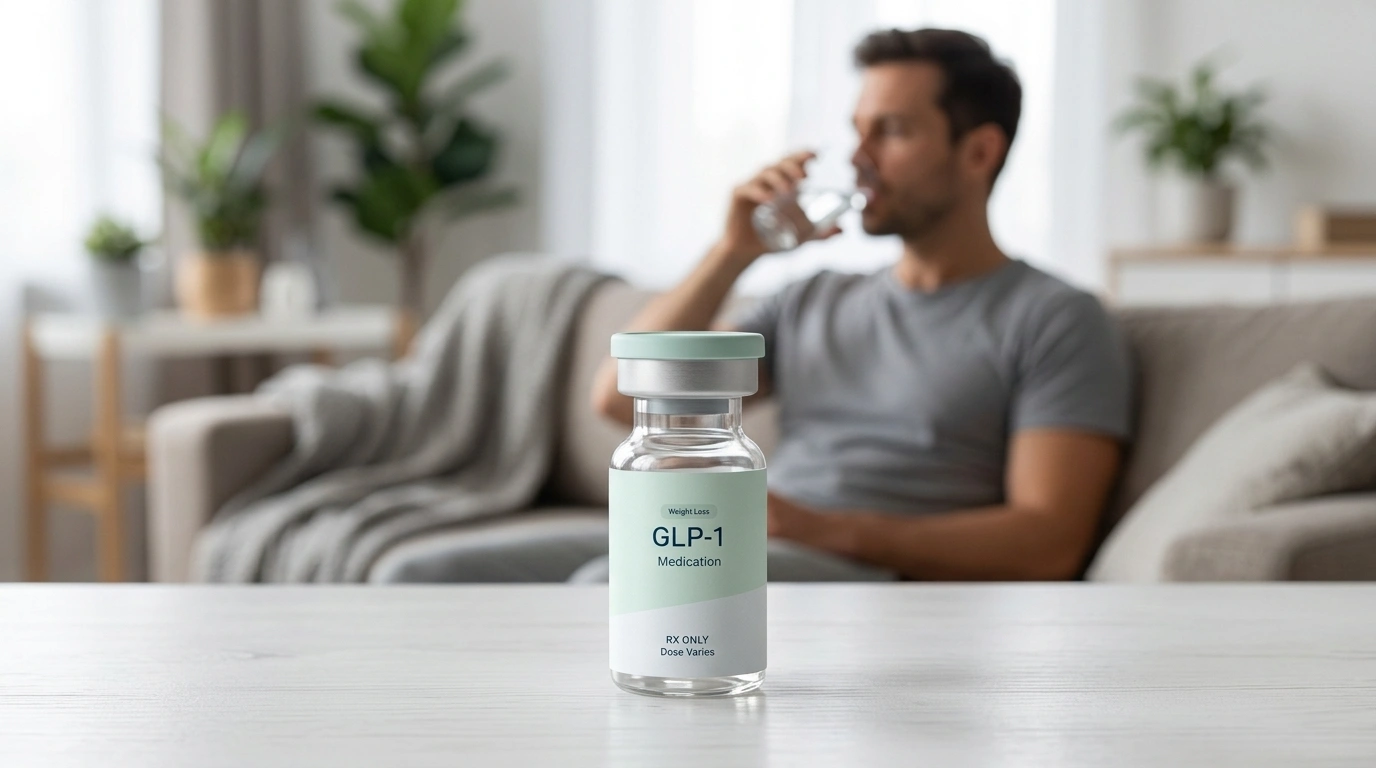
Table of Contents
- Introduction
- How Wegovy Affects Your Blood Sugar
- Identifying the Symptoms of Low Blood Sugar
- Primary Causes of Low Blood Sugar on Wegovy
- Dietary Strategies for Glucose Stability
- Managing Physical Activity
- How to Handle a Blood Sugar Drop
- The Importance of Professional Supervision
- Supplements for Nutritional Support
- Lifestyle Adjustments for Long-Term Success
- When to Contact Your Provider
- Starting Your Journey Safely
- FAQ
Introduction
Starting a weight loss journey with a GLP-1 medication can feel like a major turning point, but it often comes with new physical sensations that can be confusing. If you want to see whether a prescription program is a fit for you, you can take the free assessment quiz. You might find yourself feeling suddenly shaky, dizzy, or unusually fatigued and wonder if your blood sugar has dropped too low. While Wegovy® (semaglutide) is designed to help manage weight by mimicking natural hormones, understanding how it interacts with your glucose levels is essential for staying safe and feeling your best. At TrimRx, we believe that successful weight management requires more than just a prescription; it requires a deep understanding of how your body responds to treatment. This guide explains the relationship between semaglutide and glucose, identifies the warning signs of a drop, and provides actionable strategies for how to prevent low blood sugar on Wegovy.
How Wegovy Affects Your Blood Sugar
To understand how to prevent low blood sugar, it is first necessary to understand what the medication is doing inside your body. Wegovy is a brand-name version of semaglutide, which belongs to a class of drugs called glucagon-like peptide-1 (GLP-1) receptor agonists. If you want a broader explanation of how this hormone affects glucose, this GLP-1 and blood sugar guide is a helpful companion read. These medications mimic a hormone your body naturally produces after you eat.
The primary role of the GLP-1 hormone is to signal the pancreas to release insulin, but—crucially—it only does this when your blood sugar is actually high. This is why GLP-1 medications are generally considered to have a lower risk of causing hypoglycemia (clinically low blood sugar) compared to older medications like insulin or sulfonylureas. However, “lower risk” does not mean “no risk.”
Wegovy also slows down gastric emptying, which is the process of food leaving your stomach. This helps you feel full longer, but it also changes the timing of when nutrients and sugars enter your bloodstream. For most people, the body adjusts to these changes, but certain factors can still lead to a dip in glucose that leaves you feeling unwell.
Identifying the Symptoms of Low Blood Sugar
Low blood sugar, or hypoglycemia, occurs when the level of glucose in your blood drops below the range your body needs to function normally. Even if you do not have diabetes, you may experience “reactive hypoglycemia” or symptoms that feel like a crash if your energy intake does not match your body’s needs while on medication. For a related overview of how semaglutide can affect energy, appetite, and side effects, this semaglutide injections article is worth reading.
Common early warning signs include:
- A sudden feeling of shakiness or tremors in the hands.
- Unexplained sweating or chills.
- Dizziness or lightheadedness, especially when standing up quickly.
- A rapid or fluttering heartbeat.
- Sudden, intense hunger (often called “hangry” feelings).
- Irritability, anxiety, or confusion.
- Extreme fatigue or a “foggy” brain.
If you experience these symptoms, it is your body’s way of signaling that it needs a quick source of energy. Recognizing these signs early is the first step in preventing a more significant drop that could interfere with your daily life or safety.
Key Takeaway: While GLP-1 medications like semaglutide primarily stimulate insulin when glucose is high, factors like delayed stomach emptying and reduced appetite can still lead to symptomatic low blood sugar.
Primary Causes of Low Blood Sugar on Wegovy
Preventing low blood sugar requires looking at your daily habits and your overall health profile. For many people, it helps to understand how GLP-1 treatment can change appetite and cravings, so this GLP-1 transformation guide can provide useful context. For most individuals using semaglutide for weight management, hypoglycemia isn’t caused by the drug alone, but by how the drug interacts with other factors.
Insufficient Caloric Intake
Because Wegovy significantly reduces hunger, it is very easy to forget to eat. If you go too many hours without any nourishment, your blood glucose levels will naturally decline. While the goal is a calorie deficit for weight loss, a deficit that is too aggressive can lead to “crashing.”
Intense Physical Activity
Exercise is a vital part of any health program, but physical activity uses glucose for fuel. If you engage in high-intensity workouts without having enough stored energy or eating a supportive snack afterward, your levels may dip lower than expected.
Medication Interactions
This is perhaps the most critical factor. If an individual is taking other medications that lower blood sugar—such as insulin or certain oral medications for Type 2 diabetes—the combination with a GLP-1 can cause a synergistic effect. This significantly increases the risk of hypoglycemia. This is why we emphasize that any weight loss program must be overseen by a provider who reviews your entire medical history.
Alcohol Consumption
Alcohol can interfere with the liver’s ability to release glucose into the bloodstream. When combined with the appetite-suppressing effects of a GLP-1, drinking alcohol can lead to delayed low blood sugar, sometimes occurring hours after your last drink.
Dietary Strategies for Glucose Stability
The most effective way to prevent low blood sugar is through consistent, mindful nutrition. If you are looking for another take on why steady habits matter during GLP-1 treatment, this GLP-1 support article connects the same ideas to practical weight loss routines. You do not need to eat large quantities, but you do need to be strategic about what and when you eat.
Focus on Protein and Fiber Protein and fiber are the “anchors” of blood sugar stability. Protein provides a steady source of energy, while fiber slows down the absorption of sugars from your food. Instead of a high-carb snack that might cause a spike followed by a quick drop, choose options like Greek yogurt, a handful of almonds, or a hard-boiled egg.
Small, Frequent Meals The traditional “three big meals” approach may not work well when your stomach is emptying slowly and your appetite is low. Instead, aim for four to five smaller “mini-meals” throughout the day. This provides a constant, gentle stream of glucose to your system, preventing the deep valleys that lead to shakiness.
Don’t Rely on Hunger Cues On Wegovy, your natural hunger cues are muffled. You may need to set “appointments” for your meals. Even if you don’t feel hungry, eating a small amount of protein every 3–4 hours can keep your energy levels consistent.
Hydration and Electrolytes Dehydration can sometimes mimic the feelings of low blood sugar, such as dizziness and fatigue. Furthermore, proper hydration is necessary for metabolic processes. We often suggest incorporating an electrolyte supplement if you find yourself feeling depleted, as this supports cellular function without necessarily requiring a large intake of sugar.
Bottom line: Stability is achieved by avoiding long gaps between eating and prioritizing nutrients that digest slowly, like lean protein and complex carbohydrates.
Managing Physical Activity
You should not stop exercising while on a weight loss program, but you may need to adjust your timing. If you are deciding whether semaglutide is the right fit for your goals, you can complete the assessment quiz here. If you find yourself feeling weak during or after a workout, try the following:
- Pre-workout fuel: Eat a small snack containing complex carbs and protein (like half a banana with almond butter) 30 minutes before your session.
- Post-workout recovery: Have a protein-rich meal or shake within an hour of finishing to help replenish your body.
- Monitor intensity: If you are new to a GLP-1 program, start with moderate activity and see how your body responds before jumping into high-intensity interval training (HIIT).
How to Handle a Blood Sugar Drop
Even with the best prevention strategies, you might occasionally feel the symptoms of low blood sugar. When this happens, it is important to act quickly but calmly. Healthcare providers often recommend the “15-15 Rule” for managing a drop.
Step 1: Consume 15 grams of fast-acting carbohydrates. This could be 4 ounces of fruit juice, a tablespoon of honey, or glucose tablets. These are “fast” sugars that enter the bloodstream quickly.
Step 2: Wait 15 minutes. Give your body time to absorb the sugar and for your pancreas to respond.
Step 3: Re-check your symptoms. If you still feel shaky or dizzy, you may need another 15 grams of carbohydrates.
Step 4: Stabilize with protein. Once the acute symptoms have passed, eat a small snack that includes protein (like cheese or peanut butter) to prevent the sugar from dropping again shortly after.
Note: If you frequently experience symptoms of low blood sugar, it is vital to keep a log of when they occur and what you ate prior. Share this data with your healthcare provider to determine if a dosage adjustment or a change in your meal plan is necessary.
The Importance of Professional Supervision
Using a platform like TrimRx ensures that you aren’t navigating these physical changes alone. If you want to see whether a supervised treatment path is appropriate for you, start with the free assessment quiz. When you participate in a personalized program, you have access to clinical expertise that helps differentiate between normal side effects and signs that your treatment plan needs adjustment.
A healthcare provider can review your lab work and existing prescriptions to ensure Wegovy is safe for your specific health profile. For example, if you have a history of insulin resistance or are currently managing diabetes, your provider may need to coordinate with your primary care physician to adjust other medications. This professional oversight is a cornerstone of a safe weight loss journey.
Supplements for Nutritional Support
While medication does the heavy lifting in terms of appetite regulation, supplements can play a supporting role in maintaining your well-being. When your appetite is low, it can be difficult to get all the micro-nutrients your body needs for energy production.
We offer options like GLP-1 Daily Support, which is designed to provide the vitamins and minerals that might be lacking when your food intake decreases. Additionally, our Weight Loss Boost supplement can help maintain metabolic energy. These are not meant to “fix” low blood sugar, but rather to support your body’s overall nutritional foundation so that you feel more resilient throughout the day.
Lifestyle Adjustments for Long-Term Success
Beyond just what you eat, how you live impacts your glucose levels. If you want more background on GLP-1 medications and how they fit into long-term weight management, this GLP-1 overview article is a useful follow-up. Lack of sleep, for instance, can increase cortisol levels, which in turn affects how your body processes sugar. Aim for 7–9 hours of quality sleep to help your hormones stay balanced.
Stress management is also key. High stress can lead to erratic blood sugar patterns. Incorporating simple practices like deep breathing or short walks can help keep your nervous system—and your glucose—in a more stable state.
Myth: You must follow a “zero-carb” diet to lose weight on Wegovy. Fact: Your brain and muscles need glucose to function. Completely eliminating carbohydrates while on a GLP-1 medication can actually increase the risk of low blood sugar and extreme fatigue. The goal is “smart” carbs, not “no” carbs.
When to Contact Your Provider
While mild shakiness can often be managed with a snack, there are times when you must seek professional guidance. You should contact a healthcare professional if:
- You experience low blood sugar symptoms more than twice a week.
- The symptoms do not improve after eating fast-acting carbohydrates.
- You experience a loss of consciousness or severe confusion.
- You are unable to eat or keep food down due to nausea, as this rapidly increases the risk of a sugar crash.
Your safety is the absolute priority. If the side effects of the medication are interfering with your quality of life, a provider can help determine if a different dosage or a different medication entirely is a better fit for your metabolic profile.
Starting Your Journey Safely
At TrimRx, our mission is to help individuals embrace healthier lifestyles through a transparent, science-backed approach. If you are ready to see whether a personalized GLP-1 program aligns with your goals, complete the free assessment quiz. We know that weight loss is not just about a number on the scale; it is about how you feel every single day. By combining modern telehealth technology with personalized care, we provide the tools you need to succeed without the guesswork.
If you are concerned about side effects like low blood sugar, or if you are ready to see if a GLP-1 program is right for your health goals, the first step is simple. We provide a streamlined process to help you get started from the comfort of your home.
- Take the Assessment: Complete our free health quiz to share your medical history and weight loss goals.
- Consult a Professional: A licensed provider will review your information to determine if a prescription is appropriate for you.
- Receive Your Program: If approved, your personalized program—including medication from FDA-registered compounding pharmacies—is delivered directly to your door.
- Ongoing Support: You have 24/7 access to our team to help you manage side effects and optimize your results.
By staying informed and proactive, you can minimize the risks of low blood sugar and focus on the positive changes your body is making. Sustainable weight loss is a marathon, and we are here to support every step of your progress.
FAQ
Can Wegovy cause low blood sugar if I don’t have diabetes?
Yes, while it is less common in non-diabetics, it can still happen if you are not eating enough or if you are over-exercising. This is often called reactive hypoglycemia and can be managed by eating small, protein-rich meals throughout the day.
What is the fastest way to fix a blood sugar crash on Wegovy?
The fastest way is to consume 15 grams of simple carbohydrates, such as a small glass of juice or glucose tabs. After your symptoms improve, eat a snack with protein and fiber to keep your levels stable for the next few hours.
Should I stop taking Wegovy if I feel dizzy?
Dizziness can be caused by low blood sugar, dehydration, or low blood pressure. You should not stop your medication abruptly; instead, try increasing your hydration and eating more frequent small meals, and consult your healthcare provider to discuss your symptoms.
Does caffeine affect my blood sugar while on this medication?
Caffeine can affect people differently; in some, it may slightly raise blood sugar, while in others, it might mask the symptoms of a drop or cause jitters that feel like hypoglycemia. It is best to monitor how you feel after consuming caffeine and ensure you are also staying hydrated with water.
Disclaimer: This content is for informational purposes only and does not constitute medical advice. It is not intended to diagnose, treat, cure, or prevent any disease or condition. Individual results may vary. Always consult a qualified healthcare professional before starting any weight loss program or medication.

Transforming Lives, One Step at a Time
Keep reading
Can the Wegovy Pill Hold the Weight You Lost on Semaglutide Injections?
Most likely yes, once you reach the maintenance dose. The risk is not the destination but the trip: switching means restarting titration on the…

Wegovy Alternatives: What Else Works for Weight Loss
If Wegovy isn’t working out, the strongest alternative is tirzepatide (Zepbound), which tends to produce more weight loss, followed by other GLP-1 options and…

VK2735 vs Wegovy: Investigational Contender vs Proven Semaglutide
VK2735 and Wegovy sit at different stages of development. VK2735, an investigational drug from Viking Therapeutics, comes in both injectable and oral forms and…


