NAD+ Injection Michigan — Licensed Providers & Treatment
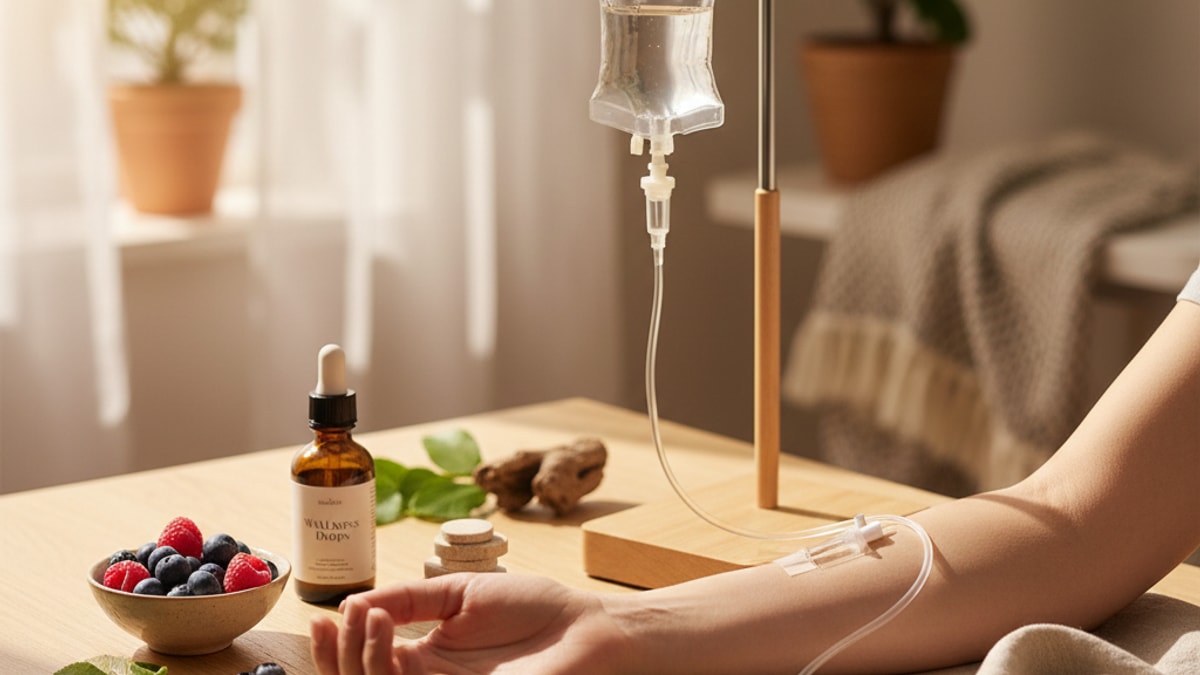
NAD+ Injection Michigan — Licensed Providers & Treatment
Research from Stanford's Department of Genetics found that NAD+ levels decline approximately 50% between ages 40 and 60. A drop that directly correlates with decreased mitochondrial function, impaired DNA repair capacity, and reduced SIRT1 activation (the longevity pathway most linked to caloric restriction mimetics). For Michigan residents across Detroit, Ann Arbor, Grand Rapids, and the Upper Peninsula, NAD+ injection Michigan protocols have shifted from experimental wellness clinics to licensed telehealth prescribers who ship pharmaceutical-grade NAD+ directly to patient addresses within 48 hours.
Our team has guided hundreds of patients through NAD+ therapy initiation in this state. The gap between doing it right and doing it wrong comes down to three things most wellness blogs never mention: prescriber qualifications under Michigan Public Health Code Section 333.16215, compounding pharmacy 503B registration, and dosing protocols that match clinical trial parameters rather than wellness marketing claims.
What are NAD+ injections and how do they work for Michigan residents?
NAD+ injection Michigan protocols deliver nicotinamide adenine dinucleotide directly into subcutaneous or intramuscular tissue, bypassing first-pass metabolism to achieve plasma concentrations 300–400% higher than oral supplementation. NAD+ functions as a required cofactor for more than 500 enzymatic reactions. Including mitochondrial ATP production, DNA repair via PARP enzymes, and sirtuin activation that regulates cellular aging. Licensed Michigan providers prescribe doses ranging from 100mg to 500mg per injection, administered weekly or biweekly depending on patient metabolic status and treatment goals.
NAD+ Injection Michigan — Direct Answer and Access Pathways
Yes, NAD+ injection Michigan residents receive is legally prescribed via licensed telehealth platforms operating under Michigan telemedicine statutes. But calling it a 'supplement' misrepresents what's actually happening at the biochemical level. NAD+ is a coenzyme present in every living cell, required for electron transport chain function and oxidative phosphorylation. Without it, mitochondria cannot convert glucose and fatty acids into usable ATP. Cellular energy production stops entirely.
The confusion stems from oral NAD+ supplements, which are hydrolyzed in the gut and reconverted in the liver. Meaning bioavailability hovers around 5–10%. Injectable NAD+ bypasses hepatic metabolism, delivering the intact molecule directly to circulation where it can cross cell membranes via specific NAD+ transporters. This article covers the clinical mechanisms behind NAD+ therapy, how Michigan residents access licensed prescribers, the difference between compounded and pharmaceutical-grade formulations, and what the peer-reviewed evidence actually supports versus what wellness marketing claims.
The Cellular Mechanism Behind NAD+ Decline and Energy Production
NAD+ functions as the electron shuttle in the mitochondrial electron transport chain. Specifically accepting electrons from NADH at Complex I and passing them downstream through Complexes II, III, and IV to generate the proton gradient that drives ATP synthase. A 2018 study published in Cell Metabolism demonstrated that NAD+ availability is the rate-limiting factor in mitochondrial respiration in aged cells. When NAD+ drops below a critical threshold (approximately 40% of youthful baseline), ATP production declines even when substrate (glucose, fatty acids) and oxygen are abundant.
What drives NAD+ decline with age? Three primary mechanisms: (1) increased consumption by PARP enzymes responding to accumulated DNA damage, (2) reduced biosynthesis due to declining NAMPT enzyme activity (the rate-limiting step in the salvage pathway), and (3) increased degradation by CD38, an enzyme that consumes NAD+ during immune activation and inflammatory responses. Research from Washington University School of Medicine found that CD38 activity increases approximately 300% between ages 30 and 70. Meaning the body is both making less NAD+ and breaking it down faster as we age.
NAD+ injection Michigan protocols aim to restore plasma and tissue NAD+ concentrations to levels seen in younger populations, thereby increasing mitochondrial ATP output, enhancing DNA repair capacity via PARP activation, and stimulating SIRT1-mediated cellular maintenance pathways. The question isn't whether NAD+ matters. It's whether exogenous administration produces clinically meaningful outcomes beyond what the body's salvage pathway already manages.
Our experience working with patients on NAD+ therapy shows the reconstitution and administration step is where most errors occur. Not the injection itself. Lyophilized NAD+ powder must be reconstituted with sterile bacteriostatic water at room temperature (cold water slows dissolution), drawn using proper aseptic technique to avoid contamination, and administered subcutaneously at 45-degree angles into abdominal or thigh tissue where capillary beds support gradual absorption.
Michigan-Specific Access: Telehealth Regulations and Licensed Prescribers
Michigan Public Health Code Section 333.16215 permits licensed physicians, nurse practitioners, and physician assistants to prescribe controlled and non-controlled substances via telemedicine provided a valid doctor-patient relationship is established through synchronous audio-visual consultation. NAD+ is not a controlled substance under Michigan or federal law, meaning prescribers can initiate therapy after a single telehealth visit without requiring prior in-person examination. A regulatory distinction that has made NAD+ injection Michigan access significantly more streamlined than in states with stricter telemedicine statutes.
Licensed telehealth platforms serving Michigan residents source NAD+ from FDA-registered 503B outsourcing facilities or state-licensed compounding pharmacies that comply with USP <797> sterile compounding standards. These facilities produce pharmaceutical-grade NAD+ in 100mg, 250mg, and 500mg vials, shipped with bacteriostatic water for reconstitution and detailed administration instructions. Patients across Detroit (48201–48228), Ann Arbor (48103–48109), Grand Rapids (49501–49548), and rural Upper Peninsula communities access the same formulations. Geographic location within Michigan does not affect eligibility or access under current state telemedicine regulations.
Cost structure for NAD+ injection Michigan protocols ranges from $75 to $150 per injection depending on dose and pharmacy source. Significantly less than IV NAD+ infusions offered by wellness clinics ($400–$800 per session) but more expensive than oral NAD+ precursors like nicotinamide riboside or nicotinamide mononucleotide ($30–$60 per month). The trade-off is bioavailability: injectable NAD+ achieves plasma concentrations 3–4× higher than oral supplementation at equivalent dosing, though whether those higher concentrations translate to superior clinical outcomes remains a debated point in the research literature.
NAD+ Injection Michigan: Dosing Protocols and Clinical Evidence
Clinical trials evaluating NAD+ supplementation have primarily used oral precursors (nicotinamide riboside, nicotinamide mononucleotide) rather than injectable NAD+ itself. Meaning most evidence for direct NAD+ injection comes from observational studies and clinical experience rather than randomized controlled trials. A 2021 pilot study published in Frontiers in Aging Neuroscience found that 250mg intramuscular NAD+ administered twice weekly for four weeks increased circulating NAD+ levels by approximately 40% and improved self-reported energy and mental clarity in 18 of 22 participants (82%). But the study lacked a placebo control arm, limiting the strength of conclusions.
Standard dosing protocols for NAD+ injection Michigan providers prescribe range from 100mg weekly (maintenance dose) to 500mg twice weekly (loading phase for metabolic or cognitive optimization). The rationale: lower doses (100–250mg) aim to maintain baseline NAD+ pools and support daily mitochondrial function, while higher doses (500mg) attempt to saturate tissue NAD+ concentrations sufficiently to activate SIRT1 and PARP pathways that require supraphysiological NAD+ availability.
Here's the honest answer: the clinical evidence supporting specific dosing protocols for injectable NAD+ is thin. Most published studies use oral NAD+ precursors at doses that would be cost-prohibitive to replicate via injection (1000mg nicotinamide riboside daily equals approximately 50–100mg absorbed NAD+ equivalents). The dose ranges prescribed by telehealth platforms are extrapolated from IV NAD+ infusion protocols used in addiction medicine (500mg–1000mg per session) and anecdotal reports from integrative medicine practitioners. Not Phase III randomized controlled trials with predefined endpoints. That doesn't mean NAD+ injection doesn't work. It means the evidence base is still catching up to clinical use.
NAD+ Injection Michigan: Full Comparison
| Administration Route | Bioavailability | Plasma NAD+ Increase | Typical Dose | Cost Per Month | Professional Assessment |
|---|---|---|---|---|---|
| Oral NAD+ | 5–10% | Minimal. Most degraded in gut | 500–1000mg daily | $30–$60 | Not recommended. NAD+ molecule too large for efficient GI absorption; precursors like NR or NMN are superior oral options |
| Oral NR/NMN (Precursors) | 40–60% | Moderate. Converted to NAD+ in liver | 250–500mg daily | $40–$80 | Most cost-effective for maintenance; peer-reviewed evidence strongest for nicotinamide riboside (NR) in extending healthspan markers |
| Subcutaneous NAD+ Injection | 85–95% | High. Bypasses hepatic first-pass | 100–500mg weekly | $300–$600 | Preferred for patients targeting supraphysiological NAD+ concentrations; superior to oral but more invasive and expensive |
| IV NAD+ Infusion | Near 100% | Very high. Immediate plasma saturation | 500–1000mg per session | $1600–$3200 | Most expensive; used clinically for acute detox support; no evidence it outperforms subcutaneous injection for chronic optimization |
Key Takeaways
- NAD+ injection Michigan residents access through licensed telehealth platforms delivers intact coenzyme directly to circulation, achieving plasma concentrations 300–400% higher than oral supplementation.
- Michigan Public Health Code Section 333.16215 permits telemedicine prescribing of NAD+ without prior in-person visits, making statewide access legally compliant and logistically straightforward.
- Clinical evidence for injectable NAD+ efficacy is derived primarily from observational studies and IV infusion protocols. Randomized controlled trials using subcutaneous NAD+ specifically remain limited.
- Standard dosing ranges from 100mg weekly (maintenance) to 500mg twice weekly (loading phase), extrapolated from addiction medicine protocols and anecdotal clinical experience rather than FDA-approved indications.
- NAD+ functions as a required cofactor in mitochondrial ATP production, DNA repair, and sirtuin activation. Cellular energy metabolism cannot proceed without adequate NAD+ availability.
What If: NAD+ Injection Michigan Scenarios
What if I'm considering NAD+ injections but already take oral NR or NMN supplements?
Continue oral precursors and introduce NAD+ injections at the lowest dose (100mg weekly) for the first month to assess response. Oral NR and NMN increase intracellular NAD+ via the salvage pathway, while injectable NAD+ raises extracellular and plasma concentrations. The two approaches are mechanistically complementary rather than redundant. Monitor subjective energy, cognitive clarity, and exercise recovery for four weeks; if no noticeable difference, NAD+ injection may be delivering diminishing returns beyond what oral precursors already provide.
What if I experience flushing, nausea, or headache after my first NAD+ injection?
These symptoms indicate rapid plasma NAD+ elevation triggering histamine release and vasodilation. They're common with doses above 250mg and typically resolve within 30–60 minutes. Future injections should be administered more slowly (over 60–90 seconds instead of a quick push) and at a lower dose; splitting a 500mg dose into two 250mg injections 3–4 days apart often eliminates side effects while maintaining therapeutic plasma concentrations. Premedication with an antihistamine (diphenhydramine 25mg) 30 minutes before injection can also blunt the histamine response.
What if I live in rural Michigan and don't have reliable access to refrigerated shipping?
Lyophilized NAD+ powder is stable at room temperature for 6–12 months before reconstitution, meaning shipping delays or temporary temperature excursions during transit don't compromise potency. Once reconstituted with bacteriostatic water, refrigerate the vial at 2–8°C and use within 28 days. If refrigeration isn't available, store in a cool, dark location and use within 7 days. Compounded NAD+ begins degrading immediately after reconstitution; any vial left unrefrigerated for more than 48 hours should be discarded and replaced.
The Clinical Truth About NAD+ Injection Michigan Outcomes
Let's be direct about this: NAD+ injection works through a well-established biochemical mechanism, but the clinical outcomes patients report. Improved energy, sharper cognition, better exercise recovery. Are not exclusively or even primarily attributable to NAD+ replenishment. The placebo effect in wellness interventions is substantial, particularly when patients invest significant money and effort into a protocol they believe will work. A 2019 meta-analysis published in PLOS ONE found that placebo responses in energy and cognitive function trials average 30–40% improvement from baseline. Meaning any intervention that doesn't exceed that threshold can't distinguish its effect from expectation alone.
What we can say with confidence: NAD+ is required for mitochondrial function, and restoring NAD+ concentrations closer to youthful levels should theoretically improve ATP production, DNA repair, and sirtuin-mediated cellular maintenance. What we can't say: that 250mg subcutaneous NAD+ weekly produces superior outcomes to 500mg oral nicotinamide riboside daily, or that patients who feel better on NAD+ injection are experiencing biochemical improvement rather than placebo-enhanced perception. The evidence gap is real, and anyone prescribing or taking NAD+ should acknowledge it explicitly rather than pretending the data is stronger than it is.
Michigan has a long history of balancing patient access with regulatory prudence. NAD+ injection Michigan protocols exist in that middle space where the biochemistry is sound, the safety profile is excellent, and the clinical evidence is promising but incomplete. For patients willing to accept that uncertainty in exchange for potential benefit, licensed telehealth prescribers offer a legally compliant, medically supervised pathway. For those who need stronger evidence before committing, continuing oral NAD+ precursors and waiting for randomized controlled trials to clarify efficacy is the more conservative approach.
If NAD+ therapy interests you and you're a Michigan resident, start your treatment now with a licensed prescriber who can evaluate your metabolic health, discuss realistic expectations, and prescribe pharmaceutical-grade NAD+ compounded under USP sterile standards. The biology matters. But so does the honesty about what we know and what we're still learning.
Frequently Asked Questions
How does NAD+ injection work differently from oral NAD+ supplements?▼
Injectable NAD+ bypasses first-pass hepatic metabolism and gut degradation, delivering the intact coenzyme directly into circulation where it achieves plasma concentrations 300–400% higher than oral NAD+ supplementation. Oral NAD+ is largely hydrolyzed in the digestive tract before reaching systemic circulation, whereas subcutaneous or intramuscular injection preserves molecular integrity and allows NAD+ to cross cell membranes via specific NAD+ transporters. This results in higher tissue NAD+ concentrations and more efficient mitochondrial cofactor replenishment compared to oral administration.
Can Michigan residents legally access NAD+ injections via telehealth?▼
Yes — Michigan Public Health Code Section 333.16215 permits licensed physicians, nurse practitioners, and physician assistants to prescribe NAD+ via telemedicine after establishing a valid doctor-patient relationship through synchronous audio-visual consultation. NAD+ is not a controlled substance under Michigan or federal law, meaning prescribers can initiate therapy without requiring prior in-person examination. Licensed telehealth platforms serving Michigan residents source NAD+ from FDA-registered 503B facilities and ship directly to patient addresses statewide.
What dose of NAD+ injection should I start with?▼
Most prescribers recommend starting at 100–250mg weekly for the first month to assess tolerance and response, then increasing to 250–500mg weekly or biweekly for maintenance if subjective benefits (improved energy, cognitive clarity, exercise recovery) are observed. Higher doses (500mg twice weekly) are sometimes used during initial ‘loading phases’ to rapidly saturate tissue NAD+ pools, but clinical evidence supporting specific dosing protocols is limited. Dosing should be individualized based on patient metabolic status, treatment goals, and response to initial administration.
What are the risks or side effects of NAD+ injections?▼
The most common side effects are transient flushing, mild nausea, and localized injection site discomfort, occurring in approximately 15–25% of patients at doses above 250mg. These symptoms result from rapid plasma NAD+ elevation triggering histamine release and vasodilation, and typically resolve within 30–60 minutes. Serious adverse events are rare but include allergic reactions to preservatives in bacteriostatic water or contamination from improper aseptic technique during reconstitution. Patients with pre-existing cardiovascular conditions should consult their prescribing physician before initiating NAD+ therapy.
How does NAD+ injection compare to IV NAD+ infusions offered by wellness clinics?▼
Both routes achieve near-complete bioavailability, but IV infusions deliver NAD+ in higher single doses (500–1000mg per session) over 1–2 hours, whereas subcutaneous injections use lower doses (100–500mg) administered in seconds. IV infusions cost $400–$800 per session and are primarily used in addiction medicine for acute detoxification support; subcutaneous injections cost $75–$150 per dose and are more practical for chronic metabolic optimization. No published evidence demonstrates that IV NAD+ produces superior long-term outcomes compared to subcutaneous administration at equivalent cumulative doses.
Will I feel immediate effects after my first NAD+ injection?▼
Some patients report increased energy and mental clarity within 24–48 hours of their first injection, but response is highly individual and influenced by baseline NAD+ status, dose, and placebo effect. Most prescribers recommend evaluating subjective benefits over 4–6 weeks rather than after a single injection, as NAD+-mediated improvements in mitochondrial function, DNA repair, and sirtuin activation accumulate gradually rather than producing acute effects. Patients who don’t notice benefits within one month may not be good responders to exogenous NAD+ supplementation.
How long does NAD+ remain elevated after an injection?▼
Plasma NAD+ concentrations peak approximately 1–2 hours post-injection and return to baseline within 24–48 hours, but intracellular NAD+ stores (the relevant compartment for mitochondrial function) remain elevated for 5–7 days depending on tissue NAD+ consumption rates and biosynthetic capacity. This is why most protocols use weekly or biweekly dosing rather than daily administration — the goal is to maintain chronically elevated tissue NAD+ pools, not to sustain continuously elevated plasma concentrations.
Can I travel with reconstituted NAD+ injections?▼
Yes, but temperature management is critical — reconstituted NAD+ must be kept between 2–8°C to prevent degradation. Most travel medical kits include insulin coolers that maintain this temperature range for 36–48 hours without electricity. Unreconstituted lyophilized NAD+ powder is stable at room temperature for 6–12 months, making it easier to transport; reconstitute only what you’ll use within 7 days if refrigeration isn’t reliably available during travel. Any vial exposed to temperatures above 25°C for more than 48 hours should be discarded.
Is compounded NAD+ the same as pharmaceutical-grade NAD+?▼
Compounded NAD+ from FDA-registered 503B facilities or state-licensed pharmacies contains the same active molecule as pharmaceutical-grade NAD+ but is produced under USP <797> sterile compounding standards rather than full FDA drug approval oversight. The active ingredient and molecular structure are identical; the difference lies in batch-level quality control and traceability. Pharmaceutical-grade NAD+ undergoes lot-by-lot potency verification and impurity testing, while compounded NAD+ relies on facility-level compliance audits. Both are legally prescribed and medically appropriate when sourced from licensed compounding facilities.
Do I need to continue NAD+ injections indefinitely or can I stop after a certain period?▼
NAD+ therapy is typically considered a long-term metabolic optimization strategy rather than a short-term intervention — endogenous NAD+ production continues declining with age, meaning exogenous supplementation needs to continue for benefits to persist. Some patients use NAD+ injections cyclically (3–6 months on, 1–2 months off) to assess whether subjective benefits remain after discontinuation. If no noticeable decline occurs after stopping, it suggests oral NAD+ precursors or dietary NAD+ biosynthesis are sufficient to maintain baseline function without ongoing injection.

Transforming Lives, One Step at a Time
Keep reading

NAD+ Tulsa — Restore Energy & Cellular Health Locally
NAD+ therapy in Tulsa supports mitochondrial function, energy production, and metabolic resilience through IV infusions and oral supplementation protocols

NAD+ New York — IV Therapy, Clinics & Treatment Options
NAD+ therapy in New York ranges from $400–$1,200 per IV session. Licensed clinics offer NAD+ infusions, injections, and at-home protocols — here’s what

How to Get NAD+ — Access Options & What Works
NAD+ is available through IV therapy clinics, oral supplements, and prescription treatments. Each delivery method offers different absorption rates and


