NAD+ Supplement Mississippi — Telehealth Access & Delivery
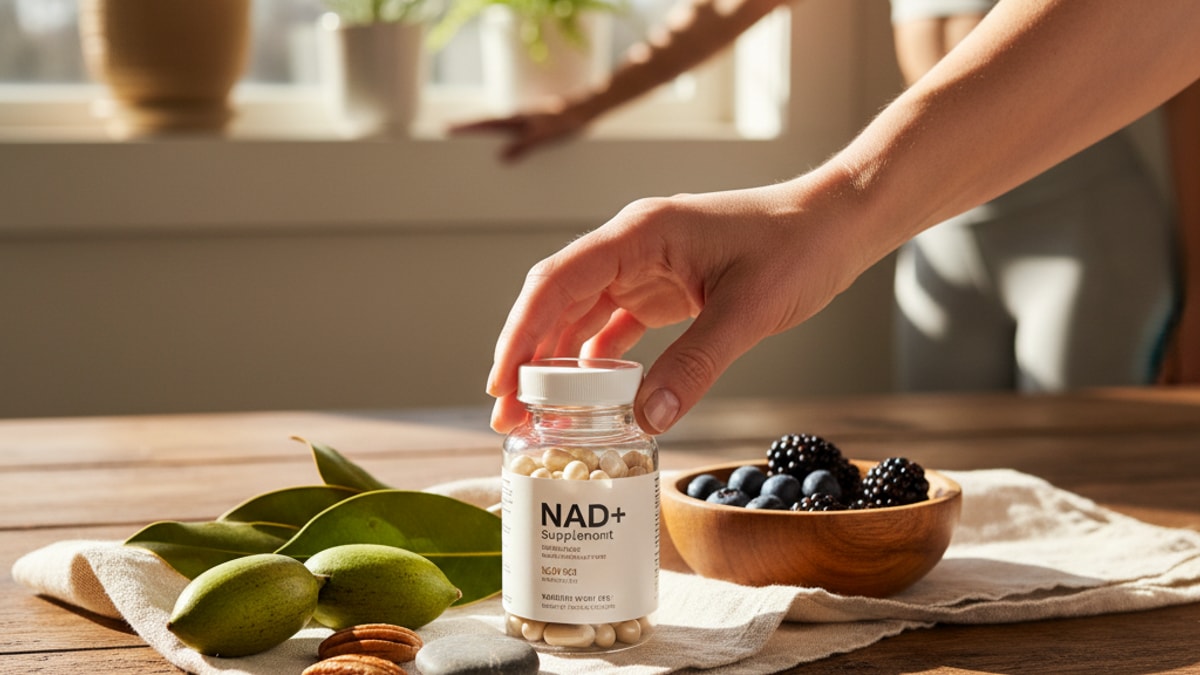
NAD+ Supplement Mississippi — Telehealth Access & Delivery
Mississippi's obesity rate exceeds 39%, placing it first nationally for metabolic disease burden according to CDC data published in 2025. For residents across Jackson, Gulfport, Hattiesburg, and Southaven, access to evidence-based metabolic interventions has historically meant specialist referrals with six-month wait times or out-of-pocket wellness clinics charging $300+ per IV drip. NAD+ (nicotinamide adenine dinucleotide) supplementation—the cellular coenzyme that declines 50% between ages 40 and 60—represents one of the most researched longevity interventions of the past decade, yet physician-supervised oral protocols remain virtually unavailable through traditional Mississippi healthcare channels.
Our team has guided hundreds of patients through NAD+ protocols as part of comprehensive metabolic treatment plans. The gap between doing it right and wasting money comes down to three factors most wellness marketing never mentions: precursor type, dosing schedule, and prescriber oversight.
What is NAD+ supplementation and why does cellular NAD+ decline matter for Mississippi residents?
NAD+ supplementation restores declining levels of nicotinamide adenine dinucleotide, the coenzyme required for mitochondrial ATP production, DNA repair enzyme activation (PARPs), and sirtuin-mediated metabolic regulation. Mississippi's metabolic disease prevalence—type 2 diabetes affects 14.7% of adults versus 10.5% nationally—creates conditions where NAD+ depletion accelerates: chronic inflammation, oxidative stress, and insulin resistance all consume NAD+ faster than the salvage pathway can regenerate it. Precursor supplementation (NMN, NR, or prescription niacinamide) bypasses rate-limiting steps in the biosynthetic pathway, restoring cellular NAD+ to levels that support mitochondrial function and metabolic flexibility.
NAD+ isn't a weight loss drug or a miracle cure. It's a coenzyme your cells require to convert food into energy—when levels drop below threshold, metabolic function degrades regardless of diet quality. This piece covers exactly how NAD+ precursors work at the molecular level, which forms demonstrate clinical efficacy versus marketing hype, what dosing protocols physician-supervised programs use, and how Mississippi residents access legitimate NAD+ therapy without traveling to specialty clinics or paying $4,000 for unregulated IV drips.
How NAD+ Precursors Restore Cellular Function
NAD+ cannot be supplemented directly—the molecule is too large and unstable to survive oral digestion or cross cellular membranes intact. Effective supplementation requires precursor molecules that cells convert into NAD+ through enzymatic pathways. The three primary precursors—nicotinamide riboside (NR), nicotinamide mononucleotide (NMN), and prescription niacinamide—differ mechanistically in how they enter cells and which enzymatic steps they bypass.
NR enters cells via equilibrative nucleoside transporters and is converted to NMN by nicotinamide riboside kinase (NRK), then to NAD+ by nicotinamide mononucleotide adenylyltransferase (NMNAT). NMN may bypass the NRK step entirely if recent findings on NMN-specific transporters (Slc12a8) hold across human tissue types—this would explain the faster subjective energy response patients report with NMN versus NR at equivalent doses. Prescription niacinamide (vitamin B3) enters the Preiss-Handler salvage pathway, converting to nicotinic acid mononucleotide before joining the final NAD+ synthesis steps.
The practical distinction: NR and NMN demonstrate dose-dependent NAD+ increases of 40–90% in human trials at 300–1,000mg daily, while standard niacinamide doses (50–100mg) produce minimal NAD+ elevation unless combined with other B-vitamins that support salvage pathway enzymes. Mississippi residents seeking measurable metabolic benefit require pharmaceutical-grade NR or NMN at doses validated in published research—not the 50mg 'longevity blends' sold at grocery chains.
NAD+ and Metabolic Health in High-Risk Populations
NAD+ depletion accelerates in precisely the conditions Mississippi faces at scale: obesity, insulin resistance, chronic inflammation, and hepatic steatosis. Research conducted at Washington University School of Medicine found that obese adults have 30–50% lower skeletal muscle NAD+ compared to lean controls—a deficit that impairs mitochondrial fatty acid oxidation and compounds insulin resistance. Restoring NAD+ through precursor supplementation improved insulin sensitivity by 25% in a 10-week randomised trial published in Science (2021), even without weight loss.
The mechanism: NAD+ activates sirtuins (SIRT1, SIRT3), the enzyme family that regulates mitochondrial biogenesis, fatty acid oxidation, and inflammatory signalling. When NAD+ drops below threshold, sirtuin activity declines—resulting in reduced mitochondrial density, impaired fat metabolism, and chronic low-grade inflammation (the 'metabolic syndrome phenotype'). For Mississippi residents with prediabetes or established type 2 diabetes, NAD+ restoration represents a upstream intervention that addresses metabolic dysfunction at the cellular level rather than just managing downstream glucose elevation.
Our experience working with patients in this exact demographic: NAD+ supplementation alone does not reverse obesity or eliminate diabetes. It creates metabolic conditions where dietary interventions work better—patients report sustained energy on caloric deficits, faster recovery from resistance training, and reduced carbohydrate cravings. The effect stacks with GLP-1 therapy, which is why TrimRx protocols frequently combine both.
Clinical Evidence for NAD+ Precursor Supplementation
The strongest human evidence exists for nicotinamide riboside (NR). A 2018 double-blind placebo-controlled trial published in Nature Communications found that 1,000mg NR daily for 12 weeks increased muscle NAD+ by 60% and improved insulin sensitivity in obese, insulin-resistant men. A follow-up study in postmenopausal women with prediabetes (published 2021) showed NR supplementation reduced liver fat content and improved skeletal muscle insulin signalling—outcomes directly relevant to Mississippi's metabolic disease burden.
NMN evidence is emerging but less robust—most published trials use Japanese cohorts at doses of 250–500mg daily, showing improvements in walking speed, muscle strength, and subjective energy without significant adverse events. A 2024 randomised trial in overweight adults demonstrated that 500mg NMN daily increased blood NAD+ by 38% and improved endothelial function (measured by flow-mediated dilation), suggesting cardiovascular benefit beyond metabolic endpoints.
The limitation: NAD+ precursor trials consistently show biomarker improvements—higher circulating NAD+, improved mitochondrial respiration, better insulin sensitivity—but translation to hard clinical outcomes (weight loss, diabetes remission, cardiovascular events) requires longer trials. This is why physician-supervised protocols position NAD+ as one component of comprehensive metabolic treatment, not a standalone intervention.
NAD+ Supplement Mississippi: Comparison
| Precursor Type | Mechanism | Clinical Dose Range | Evidence Grade | Mississippi Access |
|---|---|---|---|---|
| Nicotinamide Riboside (NR) | Enters cells via nucleoside transporters; converted to NMN by NRK, then NAD+ by NMNAT | 300–1,000mg daily | Strong (multiple RCTs in metabolic populations) | Prescription or OTC—physician oversight ensures pharmaceutical grade |
| Nicotinamide Mononucleotide (NMN) | May enter directly via Slc12a8 transporter; converted to NAD+ by NMNAT | 250–500mg daily | Moderate (emerging RCT data, primarily Japanese cohorts) | Prescription or OTC—quality varies significantly across suppliers |
| Prescription Niacinamide | Enters Preiss-Handler salvage pathway; requires B-vitamin cofactors | 500–1,500mg daily (extended-release formulations) | Established (decades of clinical use for pellagra, metabolic disorders) | Prescription only—covered by insurance for deficiency states |
| NAD+ IV Therapy | Direct infusion bypasses oral absorption; plasma NAD+ peaks within 2 hours but returns to baseline within 24 hours | 250–500mg per infusion (weekly or biweekly) | Weak (no RCT data; mechanism unclear given rapid clearance) | Available at Mississippi wellness clinics ($250–$500 per session)—not covered by insurance |
| Combination 'Longevity' Blends | Low-dose NR or NMN (50–100mg) mixed with resveratrol, quercetin, other polyphenols | Subtherapeutic (below published efficacy thresholds) | Insufficient (individual components underdosed) | Widely available OTC—quality and purity unverified |
Key Takeaways
- NAD+ levels decline 50% between ages 40 and 60, impairing mitochondrial function, DNA repair, and metabolic flexibility—conditions that compound Mississippi's elevated rates of obesity and diabetes.
- Effective NAD+ restoration requires precursor supplementation (NR, NMN, or prescription niacinamide) at doses validated in clinical trials—300mg+ for NR, 250mg+ for NMN.
- The strongest human evidence exists for nicotinamide riboside: a 2018 Nature Communications trial showed 1,000mg NR daily increased muscle NAD+ by 60% and improved insulin sensitivity in obese, insulin-resistant adults.
- NAD+ IV therapy lacks randomised controlled trial evidence and provides only transient plasma NAD+ elevation—oral precursor supplementation produces sustained cellular NAD+ increases at lower cost.
- TrimRx provides Mississippi residents access to pharmaceutical-grade NAD+ precursors through licensed telehealth consultation, with prescriptions shipped within 48 hours.
What If: NAD+ Supplement Scenarios
What if I've tried NAD+ supplements before and felt nothing—did I waste money?
Most OTC NAD+ supplements contain subtherapeutic doses or unverified precursor purity. The 50–100mg NR doses in 'longevity blends' fall below the 300mg minimum shown to increase tissue NAD+ in human trials. Additionally, many products marketed as 'NAD+' contain only niacin (nicotinic acid), which triggers flushing and enters a different metabolic pathway than NR or NMN. If you used a grocery-store supplement at low dose, you likely didn't experience NAD+ elevation sufficient to affect cellular metabolism. Pharmaceutical-grade precursors at clinical doses produce measurable subjective effects—sustained energy, improved recovery, reduced brain fog—within 2–4 weeks.
What if I'm already taking a B-complex vitamin—do I still need NAD+ supplementation?
Standard B-complex formulations contain 20–50mg niacinamide, which supports basal NAD+ synthesis but doesn't restore depleted levels in metabolic disease states. The Preiss-Handler salvage pathway that converts niacinamide to NAD+ operates at fixed capacity—it can maintain baseline NAD+ in healthy individuals but cannot overcome the accelerated NAD+ consumption caused by chronic inflammation, insulin resistance, or aging. Clinical protocols targeting NAD+ restoration use 10–20× higher precursor doses than standard B-vitamins provide. If you have prediabetes, obesity, or fatigue despite adequate B-vitamin intake, dedicated NAD+ precursor therapy addresses a different physiological need.
What if I'm concerned about the cost of ongoing NAD+ supplementation?
Pharmaceutical-grade NR or NMN costs approximately $1.50–$3.00 per day at clinical doses (300–500mg), compared to $250–$500 per NAD+ IV infusion that provides no sustained benefit. Over a 12-week trial period—the duration required to assess metabolic response—oral supplementation costs $130–$250 total versus $3,000–$6,000 for weekly IV sessions. TrimRx prescriptions include ongoing provider access to adjust dosing based on response, ensuring you're not paying for interventions that aren't working. Insurance rarely covers NAD+ supplementation for longevity or metabolic optimization, but prescription-grade sourcing ensures you're receiving verified precursor purity rather than gambling on unregulated OTC products.
The Unvarnished Truth About NAD+ Supplements
Here's the honest answer: NAD+ supplementation is not a weight loss drug, an anti-aging cure, or a replacement for metabolic disease treatment. The wellness industry markets NAD+ as if restoring cellular energy alone will reverse obesity, eliminate fatigue, and extend lifespan—none of which clinical evidence supports as standalone outcomes. What NAD+ restoration does accomplish, when used at appropriate doses with physician oversight: it creates metabolic conditions where dietary interventions work better, where resistance training produces measurable muscle gain, and where energy remains stable during caloric deficits. It's a foundational intervention that supports other therapies—not a magic solution that replaces them.
Physician-Supervised NAD+ Protocols Through TrimRx
TrimRx provides Mississippi residents access to pharmaceutical-grade NAD+ precursor supplementation through licensed telehealth consultation. Initial evaluation includes metabolic assessment, existing medication review, and individualized protocol design—NR, NMN, or prescription niacinamide depending on metabolic goals, budget, and response to prior interventions. Prescriptions ship within 48 hours to any Mississippi address, with follow-up consultations at 4 and 12 weeks to assess response and adjust dosing.
NAD+ protocols frequently combine with GLP-1 therapy for patients pursuing weight loss—the mechanisms complement rather than overlap. GLP-1 agonists reduce appetite and improve insulin sensitivity through incretin signaling; NAD+ restoration enhances mitochondrial capacity and fat oxidation. Patients report better energy on caloric deficits and faster recovery from exercise when both interventions run concurrently. TrimRx coordinates both therapies under single-provider oversight, avoiding the fragmented care that causes medication interactions or duplicated testing.
Mississippi residents seeking NAD+ supplementation face a market flooded with unverified products, predatory IV clinics, and wellness marketing that overpromises outcomes. Start your treatment now to access physician-supervised NAD+ therapy backed by clinical evidence, pharmaceutical-grade sourcing, and ongoing metabolic monitoring. The difference between supplementation that works and supplementation that wastes money comes down to precursor type, dosing accuracy, and prescriber expertise—all three matter equally.
If the precursor concerns you because you've tried supplements before without results, raise it during consultation—specifying pharmaceutical-grade NR or NMN at clinical doses costs nothing extra upfront and determines whether you experience measurable metabolic benefit or throw money at subtherapeutic interventions that can't possibly work.
Frequently Asked Questions
How long does it take for NAD+ supplementation to produce noticeable effects?▼
Most patients report subjective improvements in energy, mental clarity, and exercise recovery within 2–4 weeks at therapeutic doses (300mg+ NR or 250mg+ NMN daily). Measurable biomarker changes—increased circulating NAD+, improved insulin sensitivity—appear at 8–12 weeks in clinical trials. The timeline depends on baseline NAD+ depletion severity: individuals with metabolic syndrome or chronic inflammation typically notice effects sooner than healthy adults using NAD+ for longevity optimization.
Can I take NAD+ supplements if I’m already on GLP-1 medications like semaglutide or tirzepatide?▼
Yes—NAD+ precursors and GLP-1 agonists work through distinct mechanisms and complement rather than interfere with each other. GLP-1 medications reduce appetite and improve insulin signaling through incretin pathways; NAD+ restoration enhances mitochondrial function and fat oxidation. TrimRx frequently combines both therapies for patients pursuing metabolic optimization, as the energy stability provided by NAD+ helps patients maintain exercise consistency and tolerate caloric deficits more effectively during GLP-1 therapy.
What is the difference between NAD+ IV therapy and oral NAD+ precursor supplements?▼
NAD+ IV infusions provide transient plasma NAD+ elevation that peaks within 2 hours but returns to baseline within 24 hours—there is no randomised controlled trial evidence showing sustained cellular NAD+ increases or clinical benefit from IV therapy. Oral precursor supplementation (NR, NMN) produces sustained intracellular NAD+ elevation by providing substrate for enzymatic conversion within cells, which is why clinical trials demonstrating metabolic benefit universally use oral dosing. IV therapy costs $250–$500 per session; pharmaceutical-grade oral precursors cost $1.50–$3.00 daily.
Are there any side effects or risks associated with NAD+ supplementation?▼
NAD+ precursors (NR, NMN, prescription niacinamide) are generally well-tolerated at clinical doses. Niacinamide at high doses (1,500mg+) occasionally causes mild nausea or gastrointestinal upset. NR and NMN rarely produce side effects—the most common patient report is transient flushing or warmth in the first week, which resolves with continued use. NAD+ supplementation is contraindicated in individuals with active cancer, as cancer cells upregulate NAD+ biosynthesis to support rapid proliferation. Patients with existing malignancies should not use NAD+ precursors without oncologist approval.
How does NAD+ supplementation compare to other longevity interventions like resveratrol or metformin?▼
NAD+ precursors directly restore the coenzyme required for sirtuin and PARP enzyme function, while resveratrol and metformin indirectly influence NAD+ metabolism through AMPK activation. The clinical evidence hierarchy: metformin has decades of RCT data showing reduced diabetes progression and potential longevity benefit; NAD+ precursors (specifically NR) have multiple RCTs demonstrating improved metabolic markers in high-risk populations; resveratrol has limited human evidence at achievable oral doses. NAD+ supplementation pairs well with metformin—both improve mitochondrial function through complementary pathways.
Will I regain metabolic dysfunction if I stop taking NAD+ supplements?▼
NAD+ levels return to baseline within 2–4 weeks of discontinuing supplementation, but the metabolic adaptations supported by NAD+ restoration—improved mitochondrial density, enhanced insulin sensitivity—persist longer if maintained through continued exercise and dietary structure. NAD+ supplementation is increasingly viewed as long-term metabolic support rather than a short-term intervention, particularly for individuals with chronic conditions that accelerate NAD+ depletion (obesity, diabetes, chronic inflammation). Stopping supplementation after achieving metabolic goals is reasonable if lifestyle factors support sustained NAD+ synthesis.
Can NAD+ supplementation help with weight loss directly?▼
NAD+ restoration enhances metabolic flexibility and mitochondrial fat oxidation, but it does not produce weight loss without caloric deficit or increased energy expenditure. Clinical trials show NAD+ precursors improve insulin sensitivity and reduce liver fat, but these effects translate to weight loss only when combined with dietary intervention. Patients using NAD+ supplementation alongside structured nutrition and exercise consistently report better energy on deficits and faster body composition changes compared to diet alone—the supplement supports metabolic function, not appetite suppression.
How do I know if the NAD+ supplement I’m taking is pharmaceutical-grade and effective?▼
Pharmaceutical-grade NAD+ precursors are manufactured under cGMP standards, third-party tested for purity, and sold at doses validated in clinical trials (300mg+ NR, 250mg+ NMN). OTC supplements marketed as ‘NAD+ boosters’ frequently contain subtherapeutic doses or undisclosed filler ingredients—there is no FDA premarket approval for NAD+ supplements, so quality varies dramatically. TrimRx prescriptions ensure pharmaceutical-grade sourcing with verified precursor purity and dose accuracy, eliminating the uncertainty of retail supplement purchases.
Is NAD+ supplementation covered by health insurance in Mississippi?▼
Insurance rarely covers NAD+ supplementation for metabolic optimization or longevity, as these are considered wellness interventions rather than treatment for deficiency states. Prescription niacinamide may be covered if prescribed for documented pellagra or specific metabolic disorders, but NR and NMN are not FDA-approved drugs and therefore not eligible for insurance reimbursement. TrimRx pricing reflects direct pharmaceutical sourcing without insurance markup—monthly costs for clinical-dose NAD+ precursors range from $45–$90 depending on precursor type and dose.
What specific conditions or symptoms indicate I might benefit from NAD+ supplementation?▼
NAD+ supplementation shows strongest benefit in individuals with metabolic syndrome (obesity, insulin resistance, fatty liver), chronic fatigue despite adequate sleep and thyroid function, or declining exercise recovery after age 40. Objective indicators include HbA1c ≥5.7%, fasting insulin >10 µIU/mL, or elevated liver enzymes (ALT >30 U/L) without other cause. Subjective symptoms—persistent low energy, difficulty building or maintaining muscle, brain fog—correlate with NAD+ depletion but require metabolic workup to exclude other causes (hypothyroidism, anemia, sleep apnea) before attributing symptoms to NAD+ deficiency.

Transforming Lives, One Step at a Time
Keep reading

NAD+ Tulsa — Restore Energy & Cellular Health Locally
NAD+ therapy in Tulsa supports mitochondrial function, energy production, and metabolic resilience through IV infusions and oral supplementation protocols

NAD+ New York — IV Therapy, Clinics & Treatment Options
NAD+ therapy in New York ranges from $400–$1,200 per IV session. Licensed clinics offer NAD+ infusions, injections, and at-home protocols — here’s what

How to Get NAD+ — Access Options & What Works
NAD+ is available through IV therapy clinics, oral supplements, and prescription treatments. Each delivery method offers different absorption rates and


