How to Split Wegovy Pen: Safety, Risks, and Better Options

Table of Contents
- Introduction
- Understanding the Design of the Wegovy® Pen
- Why Splitting a Wegovy® Pen Is Not Recommended
- The Risks of the “Transfer” Method
- Safer Alternatives for Dose Flexibility
- How to Navigate the TrimRx Program
- Why Professional Supervision Matters
- Comparing GLP-1 Delivery Systems
- The Role of Compounded Medications in Weight Management
- Addressing the Emotional Weight of the Journey
- Conclusion
- FAQ
Introduction
Finding a rhythm with your weight loss journey can feel like a triumph, but logistical hurdles like medication shortages or high costs often create unexpected stress. Many people prescribed Wegovy® (semaglutide) find themselves wondering if there is a way to make their prescription last longer or adjust their dosage manually. This search for flexibility often leads to the question of how to split Wegovy pen doses. At TrimRx, we understand that managing a long-term health plan requires both clinical safety and practical sustainability.
This article will explain the mechanical design of the Wegovy® delivery system, the significant medical risks associated with attempting to split single-use pens, and the differences between various GLP-1 (glucagon-like peptide-1) delivery methods. While the desire to split doses is understandable due to costs or supply issues, attempting to split a Wegovy® pen is unsafe and medically discouraged; instead, individuals should seek professional guidance for legitimate alternatives.
Quick Answer: You cannot safely split a Wegovy® pen. Unlike multi-dose pens, Wegovy® is an autoinjector designed for a single, “all-or-nothing” discharge. Attempting to split the dose compromises medication sterility and dosing accuracy, posing serious health risks.
Understanding the Design of the Wegovy® Pen
To understand why splitting is a problem, it is essential to look at how the device is built. Wegovy® is a GLP-1 receptor agonist, a type of medication that mimics a hormone naturally produced in the gut. This hormone helps regulate appetite and blood sugar. Because the medication must be injected into the subcutaneous fat (the layer of fat just under the skin), the delivery device is a critical part of the treatment.
Single-Dose Autoinjectors
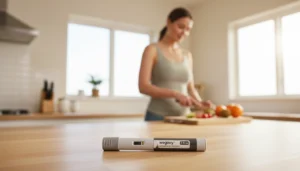
The Wegovy® pen is a single-dose autoinjector. This means the needle is hidden inside the device, and the entire volume of medication is released at once when the pen is pressed against the skin. There is no manual dial or “clicker” to control the amount of liquid released. The mechanism is spring-loaded and designed to empty the internal chamber completely in a single application.
Comparison to Multi-Dose Pens
Many patients confuse Wegovy® with Ozempic®, another semaglutide-based medication used for type 2 diabetes. Ozempic® pens are multi-dose devices that allow users to attach a new needle and “dial” a specific dose for each injection. Because Wegovy® lacks this dial, the mechanical process of stopping the flow of medication mid-injection is physically impossible without breaking the device.
For additional context, read this guide on how to split Wegovy doses safely and effectively.
Why Splitting a Wegovy® Pen Is Not Recommended
The medical community and manufacturers strongly advise against any attempt to split or “dose-down” a Wegovy® pen. When individuals try to bypass the mechanical design of the autoinjector, they introduce several layers of risk that can lead to ineffective treatment or physical harm.
Loss of Sterility and Infection Risk
The most significant danger in attempting to split a dose is the loss of sterility. Wegovy® pens do not contain preservatives because they are intended to be used and discarded immediately. If someone attempts to “spray” the medication into a separate vial to divide it into multiple syringes, the liquid is exposed to the air and potential surface contaminants.
Subcutaneous injections must be sterile to prevent abscesses, skin infections, or more severe systemic infections. Once the medication leaves the sealed environment of the autoinjector, it is no longer considered safe for future use.
Inaccurate Dosing
Precision is vital when using GLP-1 medications. These drugs are powerful and require a specific titration schedule—a process of slowly increasing the dose over several months to minimize side effects. Attempting to manually split a dose often results in receiving too much or too little medication.
- Too much medication: Can lead to severe gastrointestinal distress, including intense nausea, vomiting, and dehydration.
- Too little medication: Can stall your progress and prevent the medication from reaching the therapeutic levels needed to support weight loss.
For more information about individualized dose adjustments, explore this guide to semaglutide dosing and personalized treatment.
Mechanical Failure
The autoinjector is a finely tuned instrument. Trying to stop the injection halfway through or dismantle the pen to access the internal reservoir will likely break the mechanism. This often results in the loss of the entire dose, which is a costly and frustrating mistake.
Key Takeaway: Wegovy® pens are engineered as closed, single-use systems. Any attempt to extract the medication into other containers destroys the sterile environment and makes accurate dosing impossible, potentially leading to serious infection or side effects.
The Risks of the “Transfer” Method
Some online communities suggest a “transfer method,” where the user discharges the Wegovy® pen into a sterile glass vial and then uses insulin syringes to draw smaller doses. While this may seem like a logical workaround, it is fraught with clinical dangers.
- Lack of Preservatives: As mentioned, Wegovy® liquid is not formulated for multi-day storage outside its original pen. Without preservatives like phenol or metacresol, bacteria can grow rapidly in the vial.
- Light and Temperature Sensitivity: Semaglutide is sensitive to light and temperature. Transferring it to a new container can degrade the peptide, making it less effective.
- Air Bubbles and Volume Loss: Significant amounts of the medication can be lost during the transfer process, sticking to the sides of the vial or the syringe, further complicating dose accuracy.
Note: If you are struggling with the side effects of your current dose or the cost of your prescription, always consult your healthcare provider before making any changes to how you administer your medication.
Safer Alternatives for Dose Flexibility
If you find that the single-dose nature of Wegovy® is not meeting your needs—whether due to a need for a smaller dose to manage side effects or a desire for a different delivery format—there are legitimate medical pathways to explore. Through our platform at TrimRx, we connect individuals with licensed providers who can help navigate these options safely.
Compounded Semaglutide
For many, compounded semaglutide offers the flexibility that a standard autoinjector lacks. Compounded medications are prepared by pharmacists to meet the specific needs of an individual patient.
- Dosing Control: Compounded semaglutide is often provided in a multi-dose vial. This allows you to draw the exact amount prescribed by your doctor into a syringe, making it much easier to adjust doses under medical supervision.
- Access: During periods of branded medication shortages, compounded versions provide a consistent alternative.
- Quality Standards: While compounded medications are not FDA-approved, the medications we facilitate are prepared and shipped by FDA-registered, inspected compounding pharmacies.
Oral Semaglutide Options
Some individuals prefer to avoid needles altogether. Oral formats of semaglutide are available and can be a more convenient option for those who have difficulty with the injection process or the “all-or-nothing” nature of the Wegovy® pen.
For a broader overview of starting treatment, read what to expect from your first semaglutide dose.
Personalized Support Supplements
Managing the transition between doses or dealing with the common side effects of GLP-1 therapy can be supported by non-prescription options. At TrimRx, we offer quick-access supplements like GLP-1 Daily Support and Weight Loss Boost. These are designed to help support the body’s natural pathways and manage nutritional needs while on a weight loss program. These do not require a doctor’s consultation and can be purchased directly to complement your existing routine.
How to Navigate the TrimRx Program
If you are currently frustrated with the limitations of a Wegovy® pen, the best next step is to transition to a program that offers more personalized oversight. We provide a telehealth-first approach that removes the need for waiting rooms and in-person visits. You can complete a free eligibility assessment to begin reviewing your options.
Step 1: Take the Free Assessment Quiz / This initial step gathers your health history, BMI, and weight loss goals to determine your eligibility for various programs.
Step 2: Consult with a Licensed Provider / A provider will review your profile and discuss which medication—whether branded or compounded—is best suited for your specific needs and lifestyle.
Step 3: Receive Your Personalized Plan / Once a prescription is issued, your medication is shipped directly from a licensed pharmacy to your door, including all necessary supplies and clear instructions on how to dose safely.
Step 4: Ongoing Specialist Support / You have 24/7 access to a dedicated team to answer questions about side effects, dosing, or lifestyle changes.
Why Professional Supervision Matters
The temptation to split doses often stems from a desire to take control of one’s health journey. However, true control comes from working with clinical experts who understand the pharmacology of these medications.
Managing the Titration Schedule
A “titration schedule” is the process of gradually increasing your dose of semaglutide. This is done to help your body acclimate to the drug, which mimics a hormone that slows down digestion. If you attempt to split a pen and get the dosage wrong, you may experience “dumping syndrome” or severe nausea because your body wasn’t ready for that specific amount of medication.
Learn more about how semaglutide titration works before making any changes to your treatment plan.
Monitoring for Side Effects
Common side effects of semaglutide include:
- Nausea and vomiting
- Diarrhea or constipation
- Abdominal pain
- Fatigue
A licensed provider can help you determine if these symptoms are a normal part of the adjustment period or if your dosage needs to be professionally modified. They can also provide guidance on using supportive supplements to mitigate these issues.
Ensuring Long-Term Success
Sustainable weight loss is rarely about a single medication alone. It involves metabolic health, nutritional support, and consistent monitoring. TrimRx emphasizes a holistic view, ensuring that the medication is just one tool in a larger, personalized program designed for your long-term success.
Bottom line: Attempting to split a Wegovy® pen is a high-risk gamble with your health. The safest and most effective way to manage your dosage is through a supervised medical program that uses the correct delivery systems for your needs.
Comparing GLP-1 Delivery Systems
When deciding on a treatment path, it helps to see how the delivery systems differ. This comparison can help you understand why some people prefer compounded options over the standard Wegovy® autoinjector.
| Feature | Wegovy® Pen | Compounded Semaglutide |
|---|---|---|
| Device Type | Single-dose autoinjector | Multi-dose vial and syringe |
| Dosing Flexibility | None (fixed dose) | High (under medical guidance) |
| Sterility | Sealed until use | Maintained by patient using alcohol swabs |
| Needle Visibility | Hidden | Visible (insulin-style syringe) |
| Preservatives | None | Typically included for multi-use |
| Provider Oversight | Required | Required |
The Role of Compounded Medications in Weight Management
Because Wegovy® (and its counterpart Zepbound®) have faced significant supply chain issues, many patients have turned to compounded alternatives. It is important to clarify the status of these medications. Compounded semaglutide and compounded tirzepatide are not FDA-approved. However, they are vital tools in the healthcare landscape, especially during drug shortages.
When you use a platform like TrimRx, you are connected with pharmacies that meet rigorous safety standards. These pharmacies are FDA-registered and inspected, ensuring that the compounded medication you receive is high-quality and prepared according to a specific medical prescription. This allows for the “dose splitting” or “dose adjustment” that patients often seek, but done legally, safely, and accurately by a professional.
Addressing the Emotional Weight of the Journey
We know that the frustration of a “missing dose” or a high monthly cost can feel like a personal setback. It is easy to feel desperate when a tool that is finally working for you becomes difficult to access or manage. However, your safety is the most important factor in achieving your goals.
Weight loss is a marathon, not a sprint. Taking a shortcut by splitting a pen might seem like a temporary fix, but the risk of an infection or a severe adverse reaction can set you back much further than a delayed dose ever would. Our mission at TrimRx is to help individuals embrace healthier lifestyles through science, empathy, and a transparent, personalized approach. We are here to provide the support and the safe alternatives you need to stay on track without compromising your well-being.
Myth: Splitting a Wegovy® pen is a common and safe way to save money. Fact: Splitting a single-dose autoinjector is medically unsafe, destroys sterility, and leads to inaccurate dosing. Safe alternatives exist through licensed compounding pharmacies and personalized telehealth programs.
Conclusion
In summary, while the question of how to split Wegovy pen is common, the answer is a definitive warning: do not attempt it. The mechanical design of the Wegovy® autoinjector does not allow for partial dosing, and the risks of contamination and incorrect administration are too high. If you need more flexibility in your dosing or are looking for a more sustainable way to manage your weight loss treatment, a personalized program is the answer.
TrimRx stands for science-backed, empathetic support that prioritizes your safety. By choosing a supervised telehealth program, you gain access to the right medications—dispensed in the correct format—with the constant guidance of medical professionals. This ensures your weight loss journey is not only successful but safe.
Take the next step toward a safer, more personalized weight loss plan:
- Take our free assessment quiz to see if a prescription program is right for you.
- Explore our quick-access supplements like Weight Loss Boost for metabolic support.
FAQ
Can I use the same Wegovy® pen for two doses?
No, you cannot use a Wegovy® pen for two doses. It is a single-use autoinjector that releases the entire medication amount in one click and cannot be “recharged” or stopped. Reusing a needle or attempting to split the liquid poses a high risk of infection and incorrect dosing.
Why does Wegovy® use a single-dose pen instead of a multi-dose one?
Wegovy® is designed as a single-dose autoinjector to ensure patient safety and ease of use, as it requires no manual “dialing” of doses. Because the liquid does not contain preservatives, a single-use design prevents the growth of bacteria that could occur if a vial were opened and stored over several weeks.
Is it safe to transfer Wegovy® medication into a sterile vial?
It is not considered safe to transfer Wegovy® into a vial. This process exposes the medication to air and contaminants, and since the formula lacks preservatives, it can quickly become unsafe for injection. Additionally, the peptide can degrade when exposed to light or improper temperatures during the transfer.
What should I do if my Wegovy® dose is too high?
If you feel your current Wegovy® dose is causing unmanageable side effects, do not try to split the pen yourself. Instead, contact a provider through a free eligibility assessment to discuss a “dose-down” strategy or explore compounded semaglutide options which allow for more precise, smaller adjustments in a multi-dose vial format.
Disclaimer: This content is for informational purposes only and does not constitute medical advice. It is not intended to diagnose, treat, cure, or prevent any disease or condition. Individual results may vary. Always consult a qualified healthcare professional before starting any weight loss program or medication.

Transforming Lives, One Step at a Time
Keep reading
Can the Wegovy Pill Hold the Weight You Lost on Semaglutide Injections?
Most likely yes, once you reach the maintenance dose. The risk is not the destination but the trip: switching means restarting titration on the…

Wegovy Alternatives: What Else Works for Weight Loss
If Wegovy isn’t working out, the strongest alternative is tirzepatide (Zepbound), which tends to produce more weight loss, followed by other GLP-1 options and…

VK2735 vs Wegovy: Investigational Contender vs Proven Semaglutide
VK2735 and Wegovy sit at different stages of development. VK2735, an investigational drug from Viking Therapeutics, comes in both injectable and oral forms and…


