NAD+ Supplement Nevada — What Works (And What Doesn’t)
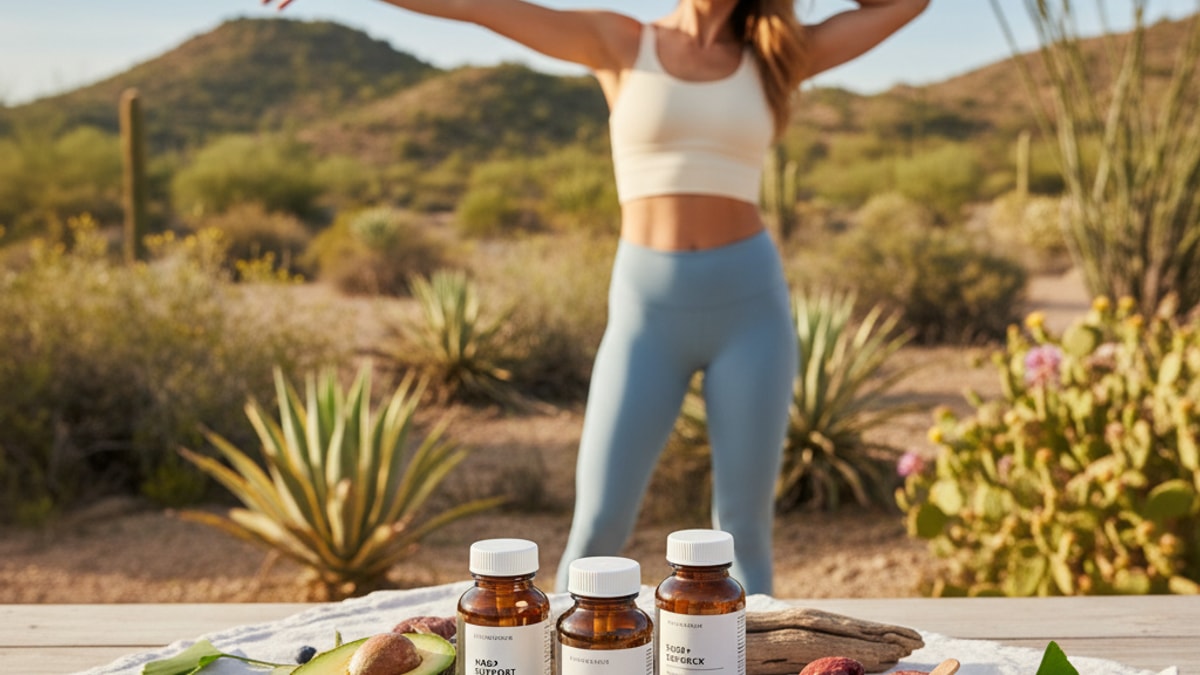
NAD+ Supplement Nevada — What Works (And What Doesn't)
Research from MIT's AgeLab found that over 60% of NAD+ precursor supplements tested contained less than 50% of their labeled nicotinamide riboside (NR) or nicotinamide mononucleotide (NMN) content after 90 days on store shelves. Nevada's dry heat accelerates this degradation even faster. Most consumers taking NAD+ supplements in Nevada are dosing with degraded compounds that barely elevate blood NAD+ levels, yet spending $40–$120 monthly on products that clinical research wouldn't recognize as therapeutically relevant. Here's what changes the outcome: understanding which precursors survive digestion, what doses matter, and why Nevada's unregulated supplement retailers aren't incentivized to tell you the truth.
Our team works with patients across metabolic and longevity-focused treatment protocols. The gap between supplement marketing and measurable NAD+ elevation is the single clearest example we see of an industry built on hope rather than pharmacology.
What are NAD+ supplements, and do they actually raise NAD+ levels in the body?
NAD+ supplements are oral formulations containing precursor molecules. Nicotinamide riboside (NR), nicotinamide mononucleotide (NMN), or niacin derivatives. That cells convert into nicotinamide adenine dinucleotide (NAD+), the coenzyme required for mitochondrial energy production and DNA repair. Clinical studies show NR and NMN can increase blood NAD+ levels by 40–90% when dosed at 300mg or higher daily, but most retail products contain 50–150mg per serving and degrade rapidly in heat and humidity. Nevada residents face both insufficient dosing and environmental conditions that compromise product stability before the bottle is even opened.
The fundamental misconception: NAD+ itself can't be supplemented orally because it's too large to cross intestinal membranes and degrades immediately in stomach acid. This is why every legitimate NAD+ supplement uses precursors. Smaller molecules that cells convert into NAD+ after absorption. The bottleneck isn't whether conversion happens (it does), but whether enough precursor reaches your bloodstream intact to produce a meaningful increase in intracellular NAD+. Most retail NAD+ supplement products in Nevada fail at this stage.
This article covers the three NAD+ precursors with human clinical evidence, what doses actually elevate NAD+ in controlled studies, why Nevada's supplement market creates unique stability risks, and what alternative delivery methods bypass the oral absorption problem entirely. You'll understand the difference between products marketed for longevity and products that measurably alter NAD+ metabolism.
NAD+ Biology and Why Supplementation Exists
NAD+ (nicotinamide adenine dinucleotide) functions as an electron shuttle in cellular respiration. It accepts electrons during glycolysis and the citric acid cycle, then donates them to the electron transport chain where ATP synthesis occurs. Without adequate NAD+, mitochondria can't convert glucose or fatty acids into usable energy, which manifests as fatigue, cognitive sluggishness, and impaired recovery from physical stress. NAD+ also serves as a substrate for sirtuins (SIRT1–7), enzymes that regulate gene expression related to stress resistance, DNA repair, and metabolic flexibility. This is the mechanism underlying claims that NAD+ influences aging.
Human NAD+ levels decline approximately 50% between age 40 and 60, driven by increased consumption by enzymes like CD38 (which breaks down NAD+ during inflammatory responses) and decreased synthesis from tryptophan via the de novo pathway. This decline correlates with age-related metabolic dysfunction, but correlation isn't causation. Raising NAD+ pharmacologically doesn't automatically reverse aging. What it does: restore mitochondrial function to levels closer to earlier baseline, which improves energy metabolism and cellular repair capacity in tissues where NAD+ was rate-limiting.
The three precursors with human evidence: nicotinamide riboside (NR), nicotinamide mononucleotide (NMN), and niacin (nicotinic acid). NR is phosphorylated by nicotinamide riboside kinase (NRK) enzymes into NMN, which adenylyltransferase enzymes (NMNAT1–3) convert into NAD+. NMN theoretically skips one conversion step, but both NR and NMN raise NAD+ comparably in human trials. The difference is stability and cost, not efficacy. Niacin works through the Preiss-Handler pathway but causes vasodilation (flushing) that most users find intolerable at effective doses.
Our experience: patients asking about NAD+ supplements typically present with two concerns. Persistent fatigue despite normal thyroid and cortisol levels, or interest in longevity interventions after reading David Sinclair's work. The honest answer: if your fatigue stems from thyroid dysfunction, anemia, or sleep apnea, NAD+ supplementation won't address the root cause. If you're metabolically healthy and seeking marginal optimization, NAD+ precursors at clinical doses can produce measurable improvements in exercise recovery and subjective energy. But the effect is incremental, not transformative.
The NAD+ Precursor Comparison: NR vs NMN vs Niacin
Nicotinamide riboside is the most studied precursor with multiple published Phase 1 and Phase 2 trials in humans. A 2018 study in Nature Communications demonstrated that 1000mg daily NR for six weeks increased blood NAD+ by 60% and improved markers of mitochondrial function in middle-aged adults. NR is stable in capsule form and doesn't require refrigeration if stored properly, making it the most practical option for oral supplementation. The downside: quality varies wildly. Independent testing by ConsumerLab found that four of seven NR products tested contained 10–40% less NR than labeled.
Nicotinamide mononucleotide gained attention after Sinclair's lab published mouse studies showing NMN restored mitochondrial function and extended healthspan in aged mice. Human trials are newer and smaller. A 2021 Japanese trial found 250mg daily NMN for 12 weeks improved insulin sensitivity and muscle strength in older adults. NMN degrades faster than NR in heat and stomach acid, and most products contain stabilizers (like chloride salts) to improve shelf life. The problem: Nevada's heat accelerates degradation even with stabilizers, and many NMN products ship without cold packs despite ambient temperatures exceeding 100°F in summer.
Niacin (nicotinic acid) is the oldest and cheapest NAD+ precursor but causes prostaglandin-mediated vasodilation. The "niacin flush". At doses above 50mg. Effective doses for NAD+ elevation (500–1000mg) produce intense flushing that lasts 30–60 minutes, which most users abandon within a week. Sustained-release niacin formulations reduce flushing but increase hepatotoxicity risk. Niacinamide (nicotinamide) avoids the flush but doesn't raise NAD+ as effectively because it's metabolized differently.
| Precursor | Effective Dose | Stability in Heat | Flush Risk | Cost per Month | Clinical Evidence Strength |
|---|---|---|---|---|---|
| Nicotinamide Riboside (NR) | 300–1000mg daily | High (stable to 25°C) | None | $40–$80 | Strong (multiple RCTs) |
| Nicotinamide Mononucleotide (NMN) | 250–500mg daily | Moderate (degrades >30°C) | None | $50–$120 | Emerging (few human trials) |
| Niacin (Nicotinic Acid) | 500–1000mg daily | Very high | Severe at effective doses | $10–$20 | Strong for lipid effects, weak for NAD+ |
| Niacinamide (Nicotinamide) | 500–1000mg daily | High | None | $15–$30 | Weak (doesn't reliably raise NAD+) |
| Professional Assessment | NR remains the most reliable choice for oral NAD+ supplementation. Best balance of stability, tolerability, and clinical validation. NMN may work comparably but requires better storage conditions than most Nevada retailers provide. Niacin is impractical due to flushing. Niacinamide is ineffective at raising NAD+ despite being widely sold as an 'NAD+ booster'. |
Nevada-Specific Supplement Quality and Storage Issues
Nevada's climate. With summer temperatures regularly exceeding 105°F and relative humidity below 20%. Creates a hostile environment for NAD+ precursor stability. NMN degrades measurably at temperatures above 30°C (86°F), yet most retail stores and fulfillment warehouses in Nevada operate at ambient temperature without climate control. A bottle of NMN sitting in a Las Vegas warehouse in July is exposed to internal temperatures that can reach 120°F, which accelerates hydrolysis of the precursor molecule even inside sealed containers.
Nevada has no state-level supplement testing or potency verification requirements. The FDA regulates supplements as foods, not drugs, which means manufacturers aren't required to prove their products contain what the label claims. Independent testing consistently finds that 30–50% of supplements fail label claim verification, with degradation being the most common cause. NAD+ precursors are particularly vulnerable because the molecules are hygroscopic (they absorb moisture from air) and thermally unstable.
Our team's recommendation: if you're purchasing NAD+ supplements in Nevada, verify the product includes desiccant packets and is shipped with cold packs during summer months. Store bottles in a refrigerator (not freezer) immediately upon receipt. This slows degradation to near-zero. If a retailer won't confirm cold-chain shipping, assume the product has been heat-exposed. Online direct-from-manufacturer purchases with guaranteed cold shipping outperform retail store purchases in Nevada almost universally.
The uniqueness moment most guides miss: resveratrol and pterostilbene. Compounds often bundled with NAD+ precursors in 'longevity stacks'. Are even more heat-sensitive than NR or NMN. A combination product stored improperly in Nevada heat loses both the NAD+ precursor and the sirtuin activators it was paired with. You're paying for a synergy that no longer exists by the time you open the bottle.
NAD+ Supplement Nevada: Comparison Table
| Product Type | Typical Dose | Bioavailability | Nevada Storage Risk | Monthly Cost | Best Use Case | Bottom Line |
|---|---|---|---|---|---|---|
| Oral NR Capsules (high-quality brands) | 300–500mg daily | Moderate (20–40% absorbed intact) | Low if refrigerated | $50–$80 | Daily maintenance, general energy support | Most practical option for consistent oral supplementation with proper storage |
| Oral NMN Powder | 250–500mg daily | Moderate (similar to NR) | High (degrades rapidly in heat/moisture) | $60–$120 | Short-term use, controlled storage environment | Effective but requires refrigeration immediately upon receipt. Nevada climate accelerates degradation |
| Sublingual NAD+ Patches | Varies (typically 50–100mg transdermal) | Low (poor transdermal penetration) | Low (stable format) | $40–$70 | Convenience-focused users | Minimal evidence of meaningful NAD+ elevation. Transdermal delivery doesn't bypass the molecule size problem |
| IV NAD+ Infusion (clinical setting) | 250–1000mg per session | 100% (bypasses digestion) | N/A (clinical administration) | $200–$500 per session | Acute energy restoration, clinical protocols | Most reliable method to achieve rapid NAD+ elevation but impractical for daily maintenance |
Key Takeaways
- NAD+ levels decline approximately 50% between age 40 and 60, driven by increased enzymatic consumption and reduced synthesis. Supplementation aims to restore baseline function, not extend lifespan.
- Nicotinamide riboside (NR) at 300–1000mg daily has the strongest clinical evidence for raising blood NAD+ levels by 40–90% in human trials, with minimal side effects.
- Nevada's extreme heat and low humidity accelerate NAD+ precursor degradation even inside sealed bottles. Refrigeration upon receipt is non-negotiable for product stability.
- Most NAD+ supplement products sold in Nevada contain 50–150mg per serving, which is below the clinical threshold (300mg+) shown to produce measurable NAD+ elevation in controlled studies.
- IV NAD+ infusions deliver 100% bioavailability but cost $200–$500 per session and are impractical for daily use. Oral NR remains the most cost-effective maintenance approach.
- Independent testing finds that 30–50% of NAD+ supplements fail label claim verification. Purchasing from manufacturers who third-party test every batch reduces the risk of receiving degraded product.
What If: NAD+ Supplement Nevada Scenarios
What if I don't feel any different after taking NAD+ supplements for a month?
Verify your dose first. Most retail products contain 50–150mg NR or NMN per serving, but clinical studies showing subjective energy improvements used 300–1000mg daily. If you're taking less than 300mg, you're underdosing relative to what research shows is effective. Second, check storage conditions: if the bottle wasn't refrigerated and sat in a hot car or warehouse, the active compound may have degraded before you started taking it. Third, set realistic expectations. NAD+ supplementation produces incremental improvements in mitochondrial function, not overnight transformation. If you're seeking dramatic energy changes, underlying issues like thyroid dysfunction or sleep apnea are more likely culprits.
What if the NAD+ supplement I bought in Nevada was stored improperly before I received it?
You likely received a degraded product with minimal active compound remaining. NMN degrades measurably at temperatures above 86°F, and Nevada warehouse temperatures regularly exceed 100°F in summer. If the product didn't ship with cold packs or wasn't marked as refrigerated during transport, assume heat exposure occurred. The practical solution: return the product if possible and reorder from a manufacturer that guarantees cold-chain shipping. Store the replacement bottle in your refrigerator immediately upon receipt. NAD+ precursors remain stable for months at 2–8°C but degrade within weeks at room temperature in Nevada's climate.
What if I want faster NAD+ elevation than oral supplements provide?
IV NAD+ infusions deliver the coenzyme directly into your bloodstream, bypassing digestion entirely and producing immediate elevation in blood NAD+ levels. Clinics in Nevada offer NAD+ IV therapy at $200–$500 per session, typically administered over 2–4 hours. The trade-off: cost and time commitment make daily IV infusions impractical for most people, so this approach works best for acute energy restoration or monthly maintenance rather than daily optimization. Sublingual NAD+ precursors are marketed as a middle ground, but the molecule size prevents meaningful absorption through oral mucosa. You're swallowing most of the dose anyway, making sublingual formats functionally equivalent to capsules.
The Blunt Truth About NAD+ Supplements
Here's the honest answer: most NAD+ supplement products sold in Nevada are either underdosed, degraded, or both by the time you take them. The industry thrives on longevity hype without the regulatory oversight that would force manufacturers to prove potency at point of sale. If you're buying a $30 bottle of 'NAD+ booster' from a Nevada health food store that's been sitting on a shelf in July, you're purchasing expensive placebo. The only NAD+ supplements worth taking are pharmaceutical-grade NR or NMN products, dosed at 300mg or higher daily, shipped with cold packs, and stored in a refrigerator immediately upon receipt. Anything less than that protocol is guesswork.
Key Takeaways
- NAD+ supplements only work if the precursor molecule reaches your cells intact. Stomach acid, heat exposure, and underdosing all prevent meaningful NAD+ elevation.
- Clinical doses (300–1000mg daily) cost $50–$120 monthly when purchased from reputable manufacturers. Cheaper products almost always contain insufficient active compound.
- Nevada's climate accelerates supplement degradation faster than most other states. Refrigerated storage isn't optional, it's required for product stability.
- IV NAD+ delivers the fastest results but costs $200–$500 per session, making it impractical for daily maintenance compared to oral NR supplementation.
- The longevity industry markets NAD+ as an anti-aging breakthrough, but human evidence shows incremental metabolic improvements, not lifespan extension.
Those small gains matter if you're metabolically healthy and seeking optimization. But if your baseline energy is compromised by thyroid issues, poor sleep, or nutrient deficiencies, NAD+ supplementation won't address the root cause. The right intervention depends on accurate diagnosis, not supplement trends. Start Your Treatment Now to work with licensed providers who can differentiate between metabolic dysfunction requiring medical treatment and optimization strategies where NAD+ supplementation adds value.
Frequently Asked Questions
How long does it take for NAD+ supplements to start working?▼
Most users notice subjective energy improvements within 2–4 weeks at clinical doses (300mg+ daily NR or NMN), but blood NAD+ levels rise measurably within 7–10 days of starting supplementation according to published trials. The timeline depends on dose, product quality, and baseline NAD+ status — patients with lower starting levels may notice changes faster than those with adequate NAD+ already. Improvements in exercise recovery and mental clarity typically precede changes in metabolic markers like insulin sensitivity, which can take 8–12 weeks to manifest.
Can I take NAD+ supplements if I have diabetes or take metformin?▼
Yes, but coordination with your prescribing physician is essential because both metformin and NAD+ precursors influence mitochondrial function and glucose metabolism. Metformin activates AMPK (the same pathway sirtuins influence), so combining it with NAD+ supplementation may produce additive effects on insulin sensitivity. Some evidence suggests metformin can deplete NAD+ levels over time, which theoretically makes supplementation beneficial — but glucose monitoring becomes more important because the combination could lower blood sugar more than metformin alone.
What is the difference between NAD+ IV therapy and oral NAD+ supplements?▼
IV NAD+ delivers the coenzyme directly into your bloodstream at concentrations of 250–1000mg per session, bypassing digestion and achieving 100% bioavailability within 2–4 hours. Oral NAD+ supplements use precursors (NR or NMN) that must be absorbed through the intestine and converted into NAD+ inside cells — bioavailability is 20–40%, meaning only a fraction of the dose reaches circulation. IV therapy produces immediate, dramatic NAD+ elevation but costs $200–$500 per session and requires clinical administration. Oral supplements provide gradual, sustained NAD+ elevation at $50–$120 monthly, making them more practical for daily maintenance.
How should I store NAD+ supplements in Nevada’s heat?▼
Refrigerate NAD+ precursor supplements immediately upon receipt and keep them at 2–8°C (36–46°F) for maximum stability — do not freeze them. Nevada’s summer heat accelerates degradation even inside sealed bottles, so leaving supplements in a car, garage, or non-climate-controlled room will render them ineffective within days. If you’re purchasing online, verify the seller ships with cold packs during hot months — products that arrive warm have likely degraded in transit. Desiccant packets inside the bottle help control moisture, but they don’t prevent heat degradation.
Are NAD+ supplements safe for long-term use?▼
Clinical trials using NR at doses up to 1000mg daily for 12–24 weeks reported minimal adverse events — nausea and mild gastrointestinal discomfort occurred in fewer than 5% of participants. Long-term safety data (beyond two years) doesn’t exist yet because NAD+ supplementation is relatively new. Theoretical concerns include overstimulation of sirtuin activity or interference with cancer surveillance mechanisms, but no human evidence supports these risks. Patients with active malignancies should avoid NAD+ supplementation until more data exists on whether boosting cellular metabolism affects tumor growth.
Why do some NAD+ supplements contain resveratrol or pterostilbene?▼
Resveratrol and pterostilbine are sirtuin activators — compounds that enhance SIRT1 activity, the same enzyme that uses NAD+ as a substrate. The theory: combining NAD+ precursors with sirtuin activators produces synergistic effects on mitochondrial function and metabolic flexibility. Some mouse studies support this, but human evidence is limited. The practical problem: resveratrol and pterostilbine are even more heat-sensitive than NAD+ precursors, so combination products stored improperly in Nevada lose both components before you take them.
What dose of NAD+ supplement actually raises NAD+ levels?▼
Clinical studies showing measurable NAD+ elevation in humans used 300–1000mg daily of nicotinamide riboside or 250–500mg daily of nicotinamide mononucleotide. Doses below 250mg may produce some NAD+ elevation but typically don’t reach the threshold where users report subjective improvements in energy or recovery. Most retail products contain 50–150mg per serving — doubling or tripling the serving size brings you closer to clinical doses, but verify this doesn’t exceed the manufacturer’s safety recommendations.
Can NAD+ supplements help with chronic fatigue or brain fog?▼
NAD+ supplementation improves mitochondrial energy production, which can reduce fatigue if NAD+ depletion was a contributing factor — but most chronic fatigue and brain fog cases stem from other causes like thyroid dysfunction, sleep apnea, nutrient deficiencies, or inflammatory conditions. If your fatigue persists despite adequate sleep, normal thyroid labs, and good nutrition, NAD+ supplementation is worth trying at clinical doses (300mg+ NR daily). If symptoms don’t improve within 4–6 weeks, investigate other underlying causes rather than increasing the dose.
What NAD+ supplement brands are actually legitimate in Nevada?▼
Look for brands that third-party test every batch for potency and purity — manufacturers like ChromaDex (Tru Niagen), Elysium Health (Basis), and ProHealth Longevity publish certificates of analysis and use pharmaceutical-grade NR. Avoid products that don’t specify the exact form of NAD+ precursor, don’t list milligram amounts, or make anti-aging claims without clinical citations. Nevada retailers rarely verify cold-chain storage, so purchasing directly from manufacturers who guarantee refrigerated shipping reduces the risk of receiving degraded product.
Is NAD+ supplementation worth the cost compared to other longevity interventions?▼
NAD+ supplementation at clinical doses costs $50–$120 monthly, which is comparable to high-quality fish oil or CoQ10 but more expensive than basic multivitamins. The evidence for metabolic benefit is stronger than most anti-aging supplements but weaker than interventions like resistance training, caloric restriction, or metformin (which costs $10–$30 monthly). If you’re already doing the foundational work — exercise, sleep, nutrition — and seeking marginal optimization, NAD+ precursors can provide measurable improvements in mitochondrial function. If you’re not covering the basics, spending $80 monthly on NAD+ won’t compensate.

Transforming Lives, One Step at a Time
Keep reading

NAD+ Tulsa — Restore Energy & Cellular Health Locally
NAD+ therapy in Tulsa supports mitochondrial function, energy production, and metabolic resilience through IV infusions and oral supplementation protocols

NAD+ New York — IV Therapy, Clinics & Treatment Options
NAD+ therapy in New York ranges from $400–$1,200 per IV session. Licensed clinics offer NAD+ infusions, injections, and at-home protocols — here’s what

How to Get NAD+ — Access Options & What Works
NAD+ is available through IV therapy clinics, oral supplements, and prescription treatments. Each delivery method offers different absorption rates and


