Can You Drink Wine on Wegovy? What You Need to Know
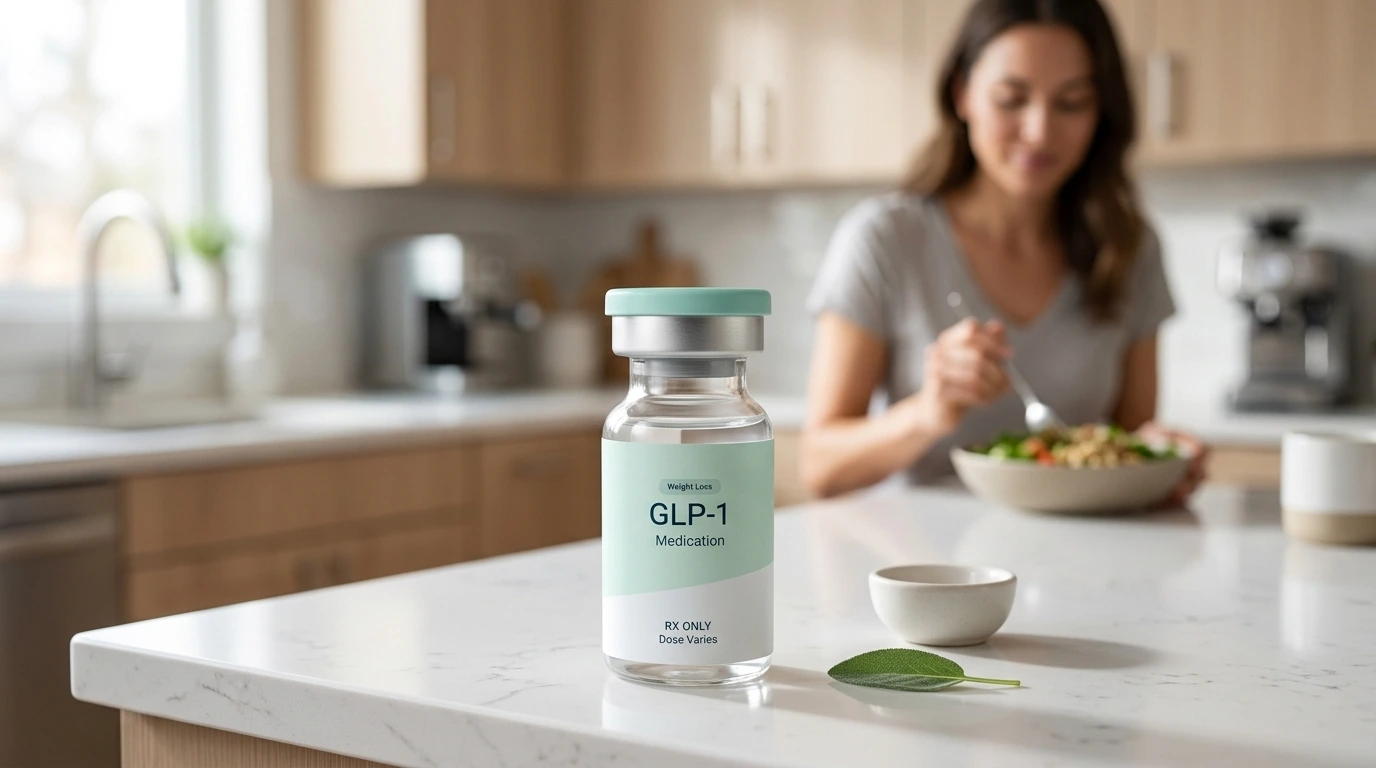
Table of Contents
- Introduction
- How Wegovy and Alcohol Interact in the Body
- Managing Side Effects and Digestive Comfort
- The “GLP-1 Effect” on Cravings
- Potential Safety Concerns
- How Wine Impacts Weight Loss Results
- Tips for Drinking Wine Safely on Wegovy
- Navigating Social Situations Without Alcohol
- The Role of a Personalized Program
- Step-by-Step: How to Introduce Wine Mindfully
- Conclusion
- FAQ
Introduction
Starting a weight loss journey often involves re-evaluating long-standing habits, including how we socialise and unwind. For many, a glass of wine at the end of the day or during a dinner party is a cherished ritual. However, when you begin a medication like Wegovy®, questions about how it interacts with alcohol naturally arise. At TrimRx, we believe that understanding the physiological changes happening in your body is the first step toward making informed, healthy choices. This article will explore the relationship between semaglutide—the active ingredient in Wegovy®—and alcohol, specifically wine. We will cover how the medication changes your body’s response to alcohol, the potential side effects to watch for, and how a personalized program can help you navigate these lifestyle adjustments. While having a glass of wine is generally not strictly forbidden, there are critical safety and efficacy factors you should consider before pouring a drink, and if you want to see whether a medically guided path is right for you, you can take the free assessment quiz.
How Wegovy and Alcohol Interact in the Body
To understand if you can drink wine on Wegovy®, it is helpful to first understand how the medication works. Wegovy® is a GLP-1 receptor agonist (glucagon-like peptide-1). This means it mimics a natural hormone in your body that regulates appetite and blood sugar. It works primarily by slowing down “gastric emptying”—the speed at which food leaves your stomach—and by sending signals to your brain that you are full.
When you introduce wine into this equation, several things happen. Because your stomach is emptying more slowly, the alcohol you consume may sit in your stomach for a longer period. For some, this can lead to increased irritation of the stomach lining. For others, it might mean that the “buzz” from the alcohol feels different or takes longer to manifest, which can lead to overconsumption if you are not careful. If you want a deeper look at this topic, our guide on alcohol on semaglutide and treatment results covers the broader interaction in more detail.
Furthermore, both GLP-1 medications and alcohol affect your blood sugar levels. Wegovy® encourages your pancreas to release insulin when blood sugar is high and reduces the amount of sugar your liver produces. Alcohol can also lower blood sugar by interfering with the liver’s ability to release glucose into the bloodstream. When combined, the risk of hypoglycemia (low blood sugar) can increase, which may cause dizziness, shakiness, or confusion.
Key Takeaway: Wegovy® slows down digestion and alters blood sugar regulation, which can change how your body processes and reacts to wine.
Managing Side Effects and Digestive Comfort
One of the most common reasons people choose to limit wine while on a GLP-1 program is the exacerbation of gastrointestinal side effects. Wegovy® is known to cause nausea, bloating, and occasional heartburn as the body adjusts to the medication. Wine, particularly varieties with high acidity or high sugar content, can significantly worsen these symptoms.
Nausea and Heartburn
Wine is acidic. When your digestion is already slowed by medication, that acid can sit in the stomach longer, potentially leading to acid reflux or a “sour” stomach. If you are already experiencing mild nausea as a side effect of your treatment, even a small glass of wine might push that feeling into active discomfort.
Dehydration Risks
Alcohol is a diuretic, meaning it encourages the body to lose fluids. Staying hydrated is one of the most important aspects of managing side effects on a weight loss medication. Dehydration can lead to headaches, fatigue, and constipation—a common issue for those on GLP-1s. Drinking wine can make it harder to maintain the hydration levels your body needs to process the medication effectively.
The Impact of Sugar
Many wines, especially sweet whites or dessert wines, contain significant amounts of residual sugar. High sugar intake can cause “dumping” symptoms or sudden spikes and crashes in blood sugar, which often lead to increased nausea or lethargy when combined with the metabolic changes induced by semaglutide.
The “GLP-1 Effect” on Cravings
An interesting phenomenon reported by many individuals on GLP-1 medications is a spontaneous decrease in the desire to drink alcohol. Research suggests that GLP-1 receptors are not just in the gut, but also in the areas of the brain responsible for reward and dopamine release.
By modulating these reward pathways, medications like Wegovy® may reduce the “reward” feeling you get from a glass of wine. You might find that you simply don’t crave it as much, or that you lose interest after just a few sips. This “quieting” of the brain’s reward system is a significant part of how these medications support sustainable weight management. If you want to understand the broader science behind that shift, our explainer on how GLP-1 works for weight loss is a helpful companion read.
Quick Answer: While you can technically drink wine on Wegovy®, most people find they have a lower tolerance, increased side effects like nausea, and a naturally reduced desire for alcohol.
Potential Safety Concerns
While the occasional glass of wine is usually considered acceptable by many healthcare providers, there are more serious safety concerns to be aware of.
Pancreatitis Risk
There is a rare but documented risk of pancreatitis (inflammation of the pancreas) associated with GLP-1 medications. Chronic or heavy alcohol consumption is also a leading cause of pancreatitis. Combining the two can theoretically increase the stress on this organ. If you have a history of pancreatic issues, your provider will likely advise you to avoid alcohol entirely while on a weight loss medication.
Masking Hypoglycemia
As mentioned earlier, both wine and Wegovy® can lower blood sugar. The symptoms of low blood sugar—such as dizziness and slurred speech—can mimic the effects of being intoxicated. This makes it difficult for you or those around you to recognize if you are experiencing a medical issue or just feeling the effects of the alcohol.
Liver Health
For those using a weight loss program to address metabolic health, the liver is already working hard to process fat stores and manage medication. Adding the task of filtering alcohol can put extra strain on the liver. Through the TrimRx platform, we encourage patients to prioritize liver health as a foundation for long-term metabolic success.
How Wine Impacts Weight Loss Results
Beyond the clinical safety and side effects, there is the practical matter of weight loss. Alcohol provides “empty calories”—calories that offer no nutritional value. A standard five-ounce glass of wine contains roughly 120 to 150 calories.
Metabolic Interference When you consume alcohol, your body prioritizes breaking it down because it views alcohol as a toxin. While your liver is busy processing the wine, it temporarily stops burning fat and sugar. If you are drinking wine regularly, you may find that your weight loss plateaus, even if you are eating very little.
Lowered Inhibitions One of the secondary effects of wine is the lowering of inhibitions. This often leads to “snacking” or making food choices that don’t align with your health goals. When your medication is working to suppress your appetite, alcohol can override those signals, leading to overeating.
Nutritional Gaps If you are eating significantly less because of your medication, every calorie you consume needs to count toward your nutritional needs. Replacing nutrient-dense food with wine can lead to vitamin and mineral deficiencies over time. We often suggest supplements like GLP-1 Daily Support to help bridge these gaps, but the best approach is always to prioritize whole foods over liquid calories.
Tips for Drinking Wine Safely on Wegovy
If you choose to have wine while on your weight loss journey, doing so mindfully can help minimize risks and discomfort.
- Wait for your body to adjust: Do not drink alcohol during your first few weeks of treatment or immediately after a dosage increase. Give your body time to stabilize.
- The “One Glass” Rule: Limit yourself to one small glass of wine. Because of the slowed gastric emptying, one glass may feel like two or three.
- Hydrate between sips: For every sip of wine, drink a full glass of water. This helps prevent dehydration and slows down your consumption rate.
- Choose dry over sweet: Opt for dry wines like Pinot Noir, Sauvignon Blanc, or Brut sparkling wines. These have less residual sugar and may be easier on your blood sugar and stomach.
- Never drink on an empty stomach: Ensure you have had a protein-rich meal before having a glass of wine. This helps buffer the stomach lining and stabilizes blood sugar.
- Listen to your body: If you feel nauseous, dizzy, or simply “off” after a few sips, stop. Your body is giving you clear signals that it isn’t enjoying the interaction.
Bottom line: Moderation and timing are essential; drinking wine on Wegovy® is possible for some, but it requires a very cautious and intentional approach to avoid side effects.
Navigating Social Situations Without Alcohol
Because your relationship with wine might change while on a weight loss program, it is helpful to have a plan for social events. Many people find that they enjoy “mocktails” or sparkling water with a splash of bitters or lime. These options allow you to hold a glass and participate in the social ritual without the physiological drawbacks of alcohol.
If you are concerned about how to handle questions from friends about why you aren’t drinking, remember that your health journey is personal. You can simply state that you are focusing on a new wellness routine or that alcohol hasn’t been sitting well with you lately. Often, people are less observant of what is in your glass than you might think.
The Role of a Personalized Program
Weight loss is not a one-size-fits-all process. The way your body reacts to a glass of wine while on a GLP-1 will be different from someone else’s. This is why a personalized approach is so vital. We provide a platform where you can connect with licensed providers who take your entire health profile into account—including your lifestyle habits and goals.
By participating in a structured program, you aren’t just getting a prescription; you are getting a roadmap for how to live your life while on the medication. This includes guidance on nutrition, hydration, and yes, how to handle social drinking. Our Weight Loss Boost supplement is another tool that can be used alongside a healthy lifestyle to support energy levels as your body undergoes these metabolic shifts.
Key Takeaway: Success on a GLP-1 journey often involves lifestyle adjustments that go beyond just the medication, including re-evaluating your relationship with alcohol.
Step-by-Step: How to Introduce Wine Mindfully
If you are curious about how wine will affect you, follow these steps to test your tolerance safely:
Step 1: Consult your provider. Before consuming any alcohol, it is smart to complete a free assessment quiz so you can review your situation with a healthcare team.
Step 2: Choose a “safe” night. Pick an evening where you have no major responsibilities the next day, in case you experience significant nausea or fatigue.
Step 3: Eat a balanced meal first. Focus on lean protein and fiber to slow the absorption of the alcohol and protect your stomach.
Step 4: Start with a half-portion. Pour a 2-ounce or 3-ounce taster instead of a full glass and sip it slowly over the course of an hour.
Step 5: Monitor your reaction. Pay close attention to how you feel over the next 24 hours. Note any changes in digestion, sleep quality, or energy levels.
Conclusion
Can you drink wine on Wegovy®? The answer is generally yes, but with significant caveats. For most individuals, the goal of a weight loss program is to foster a healthier, more vibrant life. While wine can be a part of that in moderation, the physiological changes brought on by GLP-1 medications mean that your body’s “rules” for alcohol have changed. You may experience increased nausea, a higher risk of low blood sugar, and a natural decrease in cravings.
At TrimRx, we are committed to being your partner in this transition. We offer science-backed, empathetic support to help you navigate everything from medication management to lifestyle choices. By focusing on a personalized, medically supervised plan, you can reach your goals while still feeling your best. If you are ready to see how a tailored program can support your metabolic health, the best next step is to take our free assessment quiz to explore your options.
FAQ
Will wine stop Wegovy from working?
Wine does not stop the medication from physically working in your body, but it can hinder your results. Alcohol contains empty calories and can slow down your metabolism, potentially leading to slower weight loss or plateaus if consumed frequently.
Why do I feel sick after just one glass of wine?
Wegovy® slows down your digestion, meaning the wine and its acids stay in your stomach longer. This can trigger or worsen common side effects like nausea, acid reflux, and bloating, making even small amounts of alcohol feel uncomfortable.
Is it dangerous to drink wine while on a GLP-1?
For most people, a small amount of wine is not dangerous, but there are risks to consider. These include an increased risk of hypoglycemia (low blood sugar) and a potential strain on the pancreas or liver, so it is vital to discuss your alcohol consumption with a healthcare provider.
Can I drink wine if I am taking compounded semaglutide?
The interaction between alcohol and semaglutide is based on the active ingredient itself, regardless of whether it is a branded or compounded version. If you are still deciding whether a prescription path is appropriate, a free assessment quiz can help you take the next step, and you should follow the same precautions of moderation, hydration, and monitoring for side effects with any semaglutide treatment.
Disclaimer: This content is for informational purposes only and does not constitute medical advice. It is not intended to diagnose, treat, cure, or prevent any disease or condition. Individual results may vary. Always consult a qualified healthcare professional before starting any weight loss program or medication.

Transforming Lives, One Step at a Time
Keep reading
Wegovy Alternatives: What Else Works for Weight Loss
If Wegovy isn’t working out, the strongest alternative is tirzepatide (Zepbound), which tends to produce more weight loss, followed by other GLP-1 options and…

VK2735 vs Wegovy: Investigational Contender vs Proven Semaglutide
VK2735 and Wegovy sit at different stages of development. VK2735, an investigational drug from Viking Therapeutics, comes in both injectable and oral forms and…

Mazdutide vs Wegovy: How the Two Compare
Mazdutide and Wegovy are both injectable weight-loss drugs, but they are worlds apart on availability. Mazdutide, a dual glucagon and GLP-1 agonist, is approved…


