Does Mounjaro Help With Water Retention?
Introduction
Waking up to a “puffy” face or feeling like your rings are suddenly too tight can be a frustrating experience, especially when you are working hard on your health. Many people starting a weight loss journey find themselves constantly battling the scale, only to realize the fluctuations they see are often due to fluid shifts rather than fat. If you are taking or considering Mounjaro® for weight management, you might wonder if this medication can provide some relief from that heavy, swollen feeling.
At TrimRx, we understand that weight loss is more than just a number; it is about how you feel in your skin every day. In this article, we will examine the relationship between Mounjaro and fluid balance, look at what the clinical data says about edema, and explore how metabolic changes can influence “water weight.” While Mounjaro is not a diuretic, its impact on inflammation and insulin may lead to noticeable changes in how your body manages fluids. If you are exploring prescription weight loss care, you can complete a free eligibility assessment.
Understanding Mounjaro and How It Works
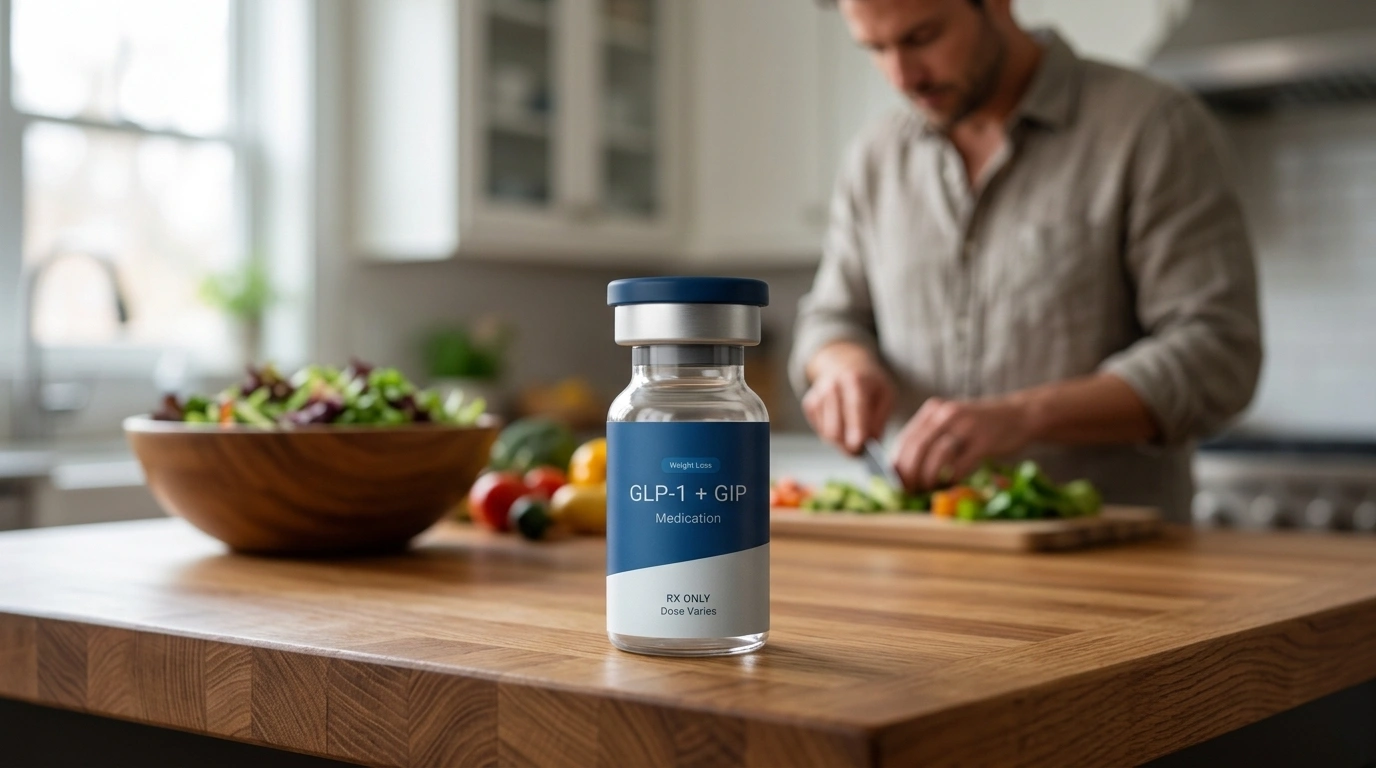
Mounjaro (tirzepatide) is a medication that represents a significant shift in how we approach metabolic health. It belongs to a class of drugs known as dual GIP and GLP-1 receptor agonists. To understand if it helps with water retention, it is important to first understand what these two hormones do in the body. For more background, read this overview of how GLP-1 medications work.
The Role of GLP-1
Glucagon-like peptide-1 (GLP-1) is a hormone naturally produced in your gut. It tells your brain when you are full and slows down how quickly your stomach empties. This hormone also helps your pancreas release the right amount of insulin when your blood sugar is high. By mimicking this hormone, the medication helps reduce “food noise” and keeps you satisfied longer after eating.
The Role of GIP
Glucose-dependent insulinotropic polypeptide (GIP) is the second hormone tirzepatide mimics. GIP also helps with insulin secretion but has additional effects on how your body stores and breaks down fat. The combination of these two pathways makes tirzepatide particularly effective for both blood sugar control and weight management.
Key Takeaway: Mounjaro works by mimicking two hormones that regulate appetite, blood sugar, and fat metabolism, providing a dual approach to metabolic health.
Does Mounjaro Help With Water Retention?
The short answer is that Mounjaro is not a diuretic and is not prescribed to treat water retention (medically known as edema). However, many people report feeling “less puffy” or seeing a significant drop in weight during the first few weeks of treatment. This is usually due to the way the body responds to improved metabolic function rather than a direct effect on fluid excretion.
What Clinical Trials Say
In major clinical studies like the SURPASS and SURMOUNT programs, researchers tracked thousands of participants. Interestingly, water retention or peripheral edema was not listed as a common side effect of the medication. This distinguishes it from older classes of diabetes medications, such as thiazolidinediones, which are known to cause significant fluid buildup.
The Role of Inflammation
Chronic inflammation often goes hand-in-hand with insulin resistance and carrying excess weight. This inflammation can cause the body to hold onto extra fluid in the tissues. Because GLP-1 medications have been shown to help lower systemic inflammation, some individuals may notice a reduction in the “puffiness” they previously experienced. When inflammation goes down, the body often releases the excess fluid it was holding as a protective measure.
Insulin and Sodium
High levels of insulin (hyperinsulinemia) can signal the kidneys to hold onto more sodium. Where sodium goes, water follows. By improving insulin sensitivity and lowering overall insulin levels, Mounjaro may indirectly help the kidneys release excess sodium and the water that comes with it. This is a common reason why people see a “whoosh” of weight loss in the early stages of treatment.
The “Water Weight” Drop in the First Month
One of the most common experiences for new users is a rapid drop in weight during the first two to four weeks. While it is exciting to see the scale move quickly, it is important to have realistic expectations. For additional context, read what water weight loss can mean on the scale.
The glycogen connection.
Your body stores energy in the form of glycogen, which is kept in your muscles and liver. Glycogen is chemically bonded to water. For every gram of glycogen your body stores, it also stores about three to four grams of water. When you begin a medication like Mounjaro and start eating fewer calories or fewer carbohydrates, your body uses up its glycogen stores. As that glycogen is burned for energy, the water attached to it is released and excreted.
Is this “real” weight loss?
While this initial drop is primarily water weight, it is still a positive sign. It indicates that your body is moving out of a storage state and beginning to use its reserves. However, this is why many people see their weight loss slow down after the first month. Once the excess water and glycogen are gone, the body begins the slower process of burning fat tissue.
Quick Answer: Mounjaro does not directly treat water retention, but it may help reduce it indirectly by improving insulin sensitivity, lowering inflammation, and causing the body to shed water-bound glycogen stores during the initial phase of weight loss.
Distinguishing Between Bloating and Water Retention
It is common for people to use the terms “bloating” and “water weight” interchangeably, but they are actually two different issues. Because Mounjaro affects the digestive system, it is important to know which one you are experiencing. This guide to tirzepatide-related bloating offers more detail.
What is Bloating?
Bloating usually refers to gas or pressure in the gastrointestinal tract. Because Mounjaro slows down gastric emptying (how fast food leaves the stomach), food stays in your system longer. This can lead to a feeling of fullness, distension in the upper abdomen, or gas.
What is Water Retention?
True water retention (edema) happens in the tissues outside of the digestive tract. You will typically notice this in your ankles, feet, hands, or face. If you press your finger into a swollen area and it leaves a temporary “pit” or indentation, that is a sign of true fluid retention.
| Feature | Bloating | Water Retention (Edema) |
|---|---|---|
| Location | Abdomen/Stomach | Ankles, feet, hands, face |
| Feeling | Tightness, gas, “stuffed” feeling | Heaviness, puffiness, tight jewelry |
| Timing | Often worse after eating | Often worse at the end of the day |
| Mounjaro Link | Common side effect of slow digestion | Not a typical side effect |
Managing Fluid Balance While on Your Journey
Even if the medication is helping your metabolic health, you can take active steps to manage your fluid balance and feel your best. At TrimRx, we encourage a holistic approach that supports your body through every stage of the program. You can also review these hydration strategies for tirzepatide treatment.
Prioritize Hydration
It may seem counterintuitive to drink more water when you feel like you are holding onto it, but hydration is key. If you are dehydrated, your body will actually hold onto water as a survival mechanism. Furthermore, Mounjaro can cause side effects like nausea or diarrhea, which can lead to fluid loss. Aim for a consistent intake throughout the day.
Watch Sodium and Potassium
Sodium causes the body to retain water, while potassium helps the body excrete it. If you have been eating more processed foods or salty snacks, you may see a temporary spike on the scale. Focus on whole foods like leafy greens, avocados, and lean proteins which are naturally lower in sodium and higher in potassium.
Keep Moving
Physical activity is one of the best ways to keep fluid moving through your lymphatic system. Even a 20-minute walk can help prevent fluid from pooling in your lower legs and ankles.
Next steps for managing fluid:
- Drink at least 80–100 ounces of water daily.
- Monitor your salt intake, especially in the evening.
- Elevate your feet if you notice swelling after a long day.
- Track your measurements (waist, hips) rather than just the scale.
When Swelling Is a Concern
While Mounjaro is generally well-tolerated, new or worsening swelling should never be ignored. In some cases, fluid retention can be a sign of an underlying medical condition that is unrelated to your weight loss medication. For more information about medication-related symptoms, review this tirzepatide side effects management guide.
Potential red flags.
If you experience sudden, severe swelling in one leg only, it could be a sign of a blood clot (DVT). Symmetrical swelling in both legs accompanied by shortness of breath could indicate a problem with the heart or kidneys. If you notice these symptoms, you should contact a healthcare provider immediately.
Kidney health.
GLP-1 medications can occasionally affect kidney function, especially if a patient becomes severely dehydrated due to gastrointestinal side effects. If you notice a significant decrease in how much you are urinating, or if you have persistent swelling in your face and eyes, seek medical advice to ensure your kidneys are functioning properly.
Note: Always consult with a licensed healthcare professional if you experience persistent or painful swelling, as this requires a clinical diagnosis to rule out serious health issues.
The TrimRx Approach to Personalized Care
We believe that every weight loss journey is unique. Success is not just about the medication; it is about the support system and the personalization behind the treatment. TrimRx provides a telehealth-first experience that connects you with licensed providers who can help you navigate questions about side effects, fluid shifts, and progress.
Our programs are designed to be comprehensive. When you take our free assessment quiz, we look at your health history and goals to determine the best path forward. Whether you are prescribed Compounded Tirzepatide or another GLP-1 medication, you receive a program that includes the medication, medical consultations, and ongoing support.
We also offer specialized supplements for those who want to optimize their results. Our GLP-1 Daily Support is designed to provide the nutrients your body needs while on a reduced-calorie diet, helping you maintain energy and balance throughout your treatment.
How to Get Started
If you are tired of the cycle of “fad diets” and are looking for a science-backed approach to metabolic health, taking the first step is simple.
The TrimRx Process:
- Step 1: Take the Assessment. Complete our online quiz to share your medical history and weight loss goals.
- Step 2: Provider Review. A licensed healthcare provider will review your profile to see if a GLP-1 medication is right for you.
- Step 3: Personalized Program. If eligible, you will receive a personalized treatment plan.
- Step 4: Direct Shipping. Your medication is shipped from an FDA-registered, inspected compounding pharmacy directly to your door.
- Step 5: Ongoing Support. Access our team 24/7 for any questions regarding your dosage, side effects, or progress.
If you are looking for additional energy support during weight loss, you can explore the Weight Loss Boost supplement.
Conclusion
While Mounjaro is not a dedicated treatment for water retention, the metabolic improvements it facilitates often lead to a reduction in systemic puffiness and the shedding of “water weight.” By improving insulin sensitivity and reducing inflammation, the medication helps your body find a healthier fluid balance. It is important to distinguish between the common side effect of digestive bloating and the more rare occurrence of true tissue swelling.
Our mission at TrimRx is to provide you with the tools, medication, and clinical expertise needed to achieve sustainable results. We are here to support you as you move past the frustrations of fluid fluctuations and toward a healthier, more vibrant life.
Key Takeaway: Focus on the long-term trend of your health markers rather than daily fluid shifts. With the right support and a personalized plan, the “puffiness” of the past can become a distant memory.
Ready to see if a personalized program is right for you? Take our free assessment quiz today.
FAQ
Does Mounjaro act as a diuretic?
No, Mounjaro is not a diuretic and does not work by forcing the kidneys to excrete water. Any fluid loss seen on the medication is typically a secondary effect of using up glycogen stores or improving insulin levels.
Why did I lose 5 pounds in my first week on Mounjaro?
Rapid weight loss in the first week is almost always due to the loss of “water weight.” As your body begins to process blood sugar more efficiently and uses up stored glycogen, the water attached to those stores is released and eliminated.
Can Mounjaro cause swelling in the ankles?
Peripheral edema (swelling of the ankles) is not a common side effect of Mounjaro. If you experience new or worsening swelling in your extremities, it is important to consult a healthcare provider to rule out heart, liver, or kidney issues.
How can I tell the difference between bloating and water weight?
Bloating is a digestive issue that feels like gas or pressure in your stomach, often occurring after meals. Water weight (edema) is fluid trapped in your body’s tissues, usually visible as puffiness in the face, hands, or lower legs. For more information about symptoms and hydration, read this tirzepatide side effects guide.
Is a personalized GLP-1 program right for me?
The first step is to share your health history and weight loss goals through a provider-reviewed assessment. You can see if you qualify for a personalized program.
Disclaimer: This content is for informational purposes only and does not constitute medical advice. It is not intended to diagnose, treat, cure, or prevent any disease or condition. Individual results may vary. Always consult a qualified healthcare professional before starting any weight loss program or medication.

Transforming Lives, One Step at a Time
Keep reading

Mounjaro Alternatives: What Else to Consider
If Mounjaro isn’t the right fit, the closest alternatives are other GLP-1 medications, chiefly semaglutide (Ozempic for diabetes, Wegovy for weight), along with a…

Mounjaro vs Zepbound: Same Drug, Two Brands
Like their semaglutide counterparts, Mounjaro and Zepbound are the same medication (tirzepatide) sold under two names for two purposes: Mounjaro is approved for type…

Retatrutide vs Mounjaro: Triple Agonist vs Dual Agonist
The core difference between retatrutide and Mounjaro comes down to how many hormone targets each hits: retatrutide activates three receptors, while Mounjaro (tirzepatide) activates…


