What Helps Sulfur Burps From Mounjaro: Relief and Prevention
Introduction
Starting a weight loss journey is often met with excitement, but unexpected side effects can quickly dampen that enthusiasm. One of the most common—and arguably most unpleasant—complaints among those taking Mounjaro® is the onset of “sulfur burps.” These are belches that carry a distinct odor of rotten eggs, often appearing shortly after a dose increase. While they are usually harmless, the social discomfort and physical annoyance they cause are very real. At TrimRx, we understand that managing these side effects is a critical part of staying consistent with your health goals. This article will explain why these burps happen, what helps sulfur burps from Mounjaro, and how you can adjust your routine to find relief. If you’re considering a prescription program, you can also take the free assessment quiz to see whether a medically supervised plan is the right fit for you.
Why Mounjaro Causes Sulfur Burps
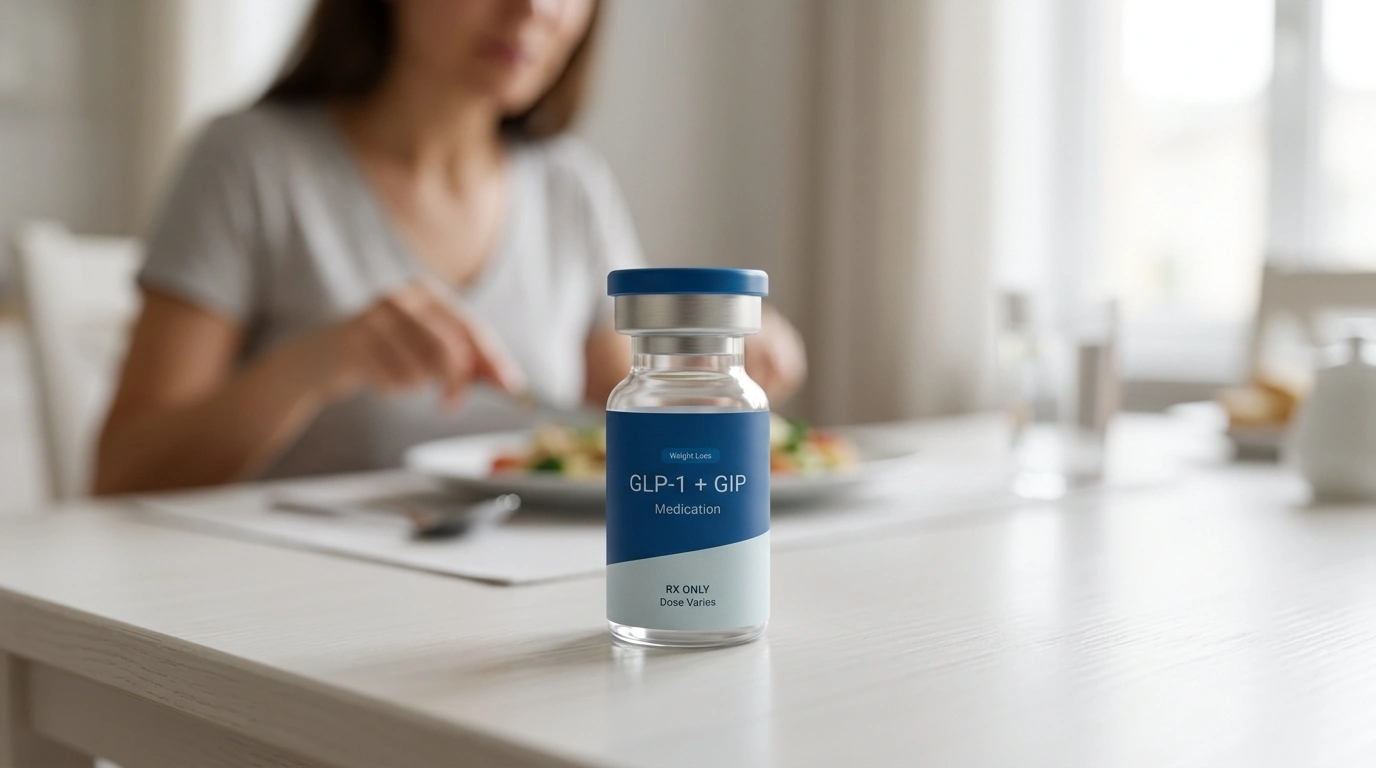
To understand how to stop sulfur burps, you first need to understand why they occur. Mounjaro® (tirzepatide) belongs to a class of medications known as GLP-1 and GIP receptor agonists. These medications mimic natural hormones in your body that regulate appetite and blood sugar. One of the primary ways they help with weight loss is by slowing down “gastric emptying.”
Gastric emptying is simply the speed at which food moves from your stomach into your small intestine. By slowing this process, the medication helps you feel full for a longer period. However, when food sits in the stomach for an extended time, it begins to break down differently. Bacteria in the gut ferment the food, and as a byproduct, they produce hydrogen sulfide gas. This gas is what creates that signature “rotten egg” smell. For a deeper dive into the mechanism, our GLP-1 sulfur burps guide explains the connection in more detail.
The Role of Hydrogen Sulfide
Hydrogen sulfide is a gas naturally produced in the digestive tract when sulfur-containing compounds are broken down. Under normal circumstances, food moves through the system quickly enough that gas doesn’t build up to a noticeable degree. When digestion slows down significantly—as it does with Mounjaro® or other GLP-1 medications like Wegovy® or Ozempic®—the gas accumulates. When you eventually burp to release the pressure, the smell is released as well.
Key Takeaway: Sulfur burps are a result of slowed digestion, which allows food to ferment longer in the stomach and produce hydrogen sulfide gas.
Dietary Strategies for Relief
Diet is the most significant factor in managing sulfur burps. Since the gas is produced from sulfur compounds in your food, reducing your intake of high-sulfur items can directly lower the odor. If you want a broader look at food choices while using tirzepatide, the Mounjaro diet guide is a helpful companion piece.
Identifying High-Sulfur Foods
Many healthy foods are naturally high in sulfur. While you do not need to eliminate them forever, you may want to limit them during the first few weeks of treatment or whenever you increase your dosage.
- Protein Sources: Red meat, poultry, fish, and especially eggs are high in sulfur-containing amino acids.
- Cruciferous Vegetables: Broccoli, Brussels sprouts, cabbage, cauliflower, and kale are notorious for causing gas.
- Alliums: Onions, garlic, leeks, and shallots contain high levels of sulfur compounds.
- Dairy Products: Milk, cheese, and yogurt can contribute to fermentation and gas buildup.
- Specific Legumes: Beans, lentils, and peas are often difficult to digest even without medication.
Prioritizing Easy-to-Digest Foods
Switching to a “low-residue” or easily digestible diet can help move things along more quickly. Focus on lean proteins that are easier for the stomach to process and vegetables that are less likely to cause gas. Our how to eat when taking Mounjaro guide goes deeper into meal planning that fits a slowed digestive system.
- Lean Proteins: White fish or lean ground turkey are often better tolerated than fatty steaks or whole eggs.
- Simple Carbohydrates: White rice, potatoes (peeled), and oats are generally gentle on the stomach.
- Low-Sulfur Produce: Carrots, cucumbers, squash, and fruits like bananas or melons are usually safe options.
Bottom line: Temporarily reducing high-sulfur foods like eggs and broccoli can significantly decrease the intensity and frequency of foul-smelling burps.
Changing Your Eating Habits
It is not just about what you eat, but also how you eat. Since the medication slows your stomach down, you have to change your behavior to match your new digestive speed.
Small, Frequent Meals
The traditional “three large meals a day” approach rarely works well on GLP-1 medications. When you put a large volume of food into a stomach that is processing slowly, you create a “backlog.” This backlog is the perfect environment for gas production. Instead, aim for five or six small snacks or “mini-meals” throughout the day. This keeps the volume low and allows your stomach to keep up.
The Importance of Chewing
Digestion begins in the mouth. When you chew your food thoroughly, you break it down into smaller particles and mix it with saliva, which contains digestive enzymes. This makes the stomach’s job much easier. Additionally, eating slowly prevents you from swallowing excess air. Swallowed air adds to the volume of gas in your stomach, leading to more frequent burping.
Avoid Late-Night Eating
Lying down with food in your stomach is a recipe for digestive distress. Gravity helps move food through the digestive tract. When you lie down, that help is gone, and the slowed digestion of Mounjaro® becomes even more apparent. Try to finish your last meal at least three hours before you go to bed to give your stomach a head start.
Lifestyle Adjustments for Digestive Support
Beyond food, several lifestyle changes can support your metabolic health and reduce the severity of gastrointestinal side effects.
Stay Hydrated
Water is essential for every step of digestion. It helps dissolve minerals and nutrients, making them more accessible to the body, and it keeps the contents of your stomach moving. Dehydration can lead to constipation, which further slows down the entire digestive system, making sulfur burps even worse. Aim for at least 80 to 100 ounces of water a day, but avoid carbonated beverages, as the bubbles will only increase your need to burp.
Post-Meal Movement
A gentle 10 to 15-minute walk after eating can do wonders for gastric motility. Physical activity stimulates the muscles in your digestive tract, encouraging food to move from the stomach into the small intestine. This reduces the time food spends fermenting and producing gas.
Injection Timing and Placement
While there is no definitive clinical rule, many patients report that their side effects vary based on when and where they inject their medication. Some find that injecting in the evening allows the most intense “peak” of the medication to happen while they are asleep. Others find that injecting in the thigh or arm rather than the stomach reduces gastrointestinal side effects. You should always consult your healthcare provider before changing your injection routine.
Natural and Over-the-Counter Remedies
If dietary and lifestyle changes are not enough, there are several remedies that can provide more immediate relief. If you want a fuller overview of symptom patterns and management, our tirzepatide side effects guide is a useful next read.
Herbal Teas
Certain herbs are known for their “carminative” properties, meaning they help the body expel gas and soothe the digestive lining.
- Ginger Tea: Ginger is famous for reducing nausea, but it also helps speed up gastric emptying.
- Peppermint Tea: Peppermint helps relax the muscles of the digestive tract, which can help gas move through more easily.
- Chamomile Tea: This is a gentle way to reduce inflammation in the gut and soothe an upset stomach.
Over-the-Counter (OTC) Options
Several non-prescription medications can help manage the symptoms of excess gas and acidity.
- Simethicone (e.g., Gas-X): This medication works by breaking up large gas bubbles into smaller ones that are easier to pass. It is generally safe to use alongside GLP-1 medications.
- Bismuth Subsalicylate (e.g., Pepto-Bismol): This is often cited by patients as the most effective remedy for the “rotten egg” smell specifically. It can help neutralize the odor of the gas, though it should be used sparingly.
- Digestive Enzymes: Taking a broad-spectrum digestive enzyme before meals can help break down proteins and fats more efficiently, reducing the raw material available for fermentation.
Note: Always speak with a pharmacist or your healthcare provider before starting new OTC medications to ensure they do not interfere with your treatment plan.
Managing the “Peak” Side Effects
Sulfur burps are rarely constant. For most people, they follow a predictable pattern. They are usually at their worst 24 to 48 hours after an injection, or during the first week of a new, higher dosage. If you want to understand why side effects often shift over time, see our article on Will Side Effects of Mounjaro Go Away?.
The Dose Escalation Phase
When you start a program like the ones offered through TrimRx, you typically begin on a low “starter” dose. This allows your body to adjust to the medication. As the dose increases every four weeks, your digestive system has to recalibrate. If sulfur burps become unbearable after a dose increase, your provider may suggest staying at the lower dose for an extra month to give your body more time to adapt.
Tracking Triggers
Keeping a simple log of what you eat and when your sulfur burps occur can help you identify your specific triggers. You might find that you can handle eggs just fine, but red meat causes issues. Or you might notice that the burps only happen if you eat a large dinner. Tracking these patterns allows for a more personalized approach to your management.
When to Seek Medical Attention
While sulfur burps are generally a benign side effect of slowed digestion, they can sometimes be a sign of a more significant issue.
Red Flag Symptoms
You should contact a licensed healthcare provider if your sulfur burps are accompanied by any of the following:
- Severe Abdominal Pain: Intense cramping or sharp pain that does not go away.
- Intractable Vomiting: If you cannot keep any fluids or food down for more than 24 hours.
- Signs of Dehydration: Extreme thirst, dark urine, or dizziness.
- Persistent Diarrhea or Constipation: If your bowel habits change drastically and do not normalize within a few days.
- Fever or Chills: This could indicate an infection or a more serious complication like pancreatitis.
Ruling Out Other Conditions
In some cases, the medication may be highlighting an underlying issue like GERD (Gastroesophageal Reflux Disease) or an H. pylori infection. A provider can help determine if the sulfur burps are purely a side effect of the Mounjaro® or if another condition needs treatment.
The TrimRx Approach to Sustainable Success
We believe that weight loss is about more than just a prescription; it is about the support system that surrounds it. Our personalized programs are designed to help you navigate these common side effects with confidence. By providing 24/7 access to specialists and medical supervision, we ensure that you are never left wondering “is this normal?” or “what should I do next?” For readers who want daily nutritional support during treatment, the GLP-1 Daily Support supplement is another option to consider.
Our telehealth platform connects you with licensed providers who can adjust your program based on how your body is responding. Whether that means modifying your titration schedule or providing specific nutritional guidance, we are committed to making your journey as comfortable as possible. If you want energy support during weight loss, the Weight Loss Boost supplement may also fit into your broader routine.
Step-by-Step: How to Manage a Sulfur Burp Flare-Up
If you are currently experiencing an episode of sulfur burps, follow these steps:
- Stop high-sulfur foods immediately. Cut out eggs, dairy, and cruciferous veggies for the next 48 hours.
- Hydrate with flat water. Sip water slowly throughout the day. Avoid soda or sparkling water.
- Try a natural aid. Drink a warm cup of ginger or peppermint tea.
- Move gently. Go for a short walk around the block or do some light stretching.
- Consult your provider. If the burps persist, reach out to your team at TrimRx to discuss a potential dose adjustment or OTC remedy recommendation.
Summary of Relief Strategies
Managing sulfur burps requires a multi-pronged approach. You cannot simply wait for them to go away; you must actively support your digestive system as it adapts to the medication.
| Strategy Type | Action Items |
|---|---|
| Dietary Changes | Limit eggs, red meat, and onions. Focus on lean protein and white rice. |
| Eating Habits | Eat 5-6 small meals. Chew food until it is a paste. Stop eating 3 hours before bed. |
| Hydration | Drink 80+ oz of flat water. Avoid carbonated drinks and straws. |
| Physical Activity | Take a 15-minute walk after every meal. |
| Remedies | Use ginger tea, peppermint oil, or OTC gas relief after consulting a provider. |
Conclusion
Sulfur burps can be an embarrassing and frustrating hurdle, but they do not have to derail your progress. Most patients find that as their body becomes accustomed to the medication, these side effects naturally diminish. By implementing the dietary and lifestyle changes outlined above, you can significantly reduce the impact of hydrogen sulfide gas on your daily life. Our mission is to help you reach your goals through a transparent, science-backed, and empathetic approach. At TrimRx, we are here to provide the clinical expertise and ongoing support you need to navigate every stage of your metabolic health journey.
If you are ready to take the next step toward a healthier version of yourself with a team that supports you through every side effect and milestone, we invite you to begin your journey with us today.
Explore our personalized programs and see if a medically supervised weight loss plan is the right fit for your health history and goals.
FAQ
How long do sulfur burps usually last on Mounjaro?
For most individuals, sulfur burps are temporary and occur most frequently during the first few weeks of treatment or immediately following a dose increase. They typically subside within a few days to a few weeks as the digestive system adapts to the medication’s effect on gastric emptying. For a fuller look at symptom timing and adjustment, see our Tirzepatide side effects guide.
Can I take Gas-X or Pepto-Bismol with Mounjaro?
Many patients find relief using over-the-counter gas remedies like simethicone (Gas-X) or bismuth subsalicylate (Pepto-Bismol). While these are generally considered safe to use alongside GLP-1 medications, you should always consult your healthcare provider or a pharmacist before starting any new medication to ensure there are no contraindications specific to your health profile.
Are sulfur burps a sign that the medication is working?
In a way, yes. Sulfur burps are a byproduct of slowed gastric emptying, which is one of the primary mechanisms Mounjaro® uses to promote weight loss and blood sugar control. However, the absence of sulfur burps does not mean the medication is ineffective; many people experience the benefits of the drug without this specific side effect. If you want help figuring out whether a prescription program fits your health history, you can take the free assessment quiz.
Is there a specific food that causes “rotten egg” burps instantly?
While it varies by person, eggs, dairy, and red meat are the most common “instant” triggers because they are naturally high in sulfur-containing amino acids. When these proteins sit in a slowed digestive tract, bacteria break them down into hydrogen sulfide gas, leading to the characteristic smell.
Disclaimer: This content is for informational purposes only and does not constitute medical advice. It is not intended to diagnose, treat, cure, or prevent any disease or condition. Individual results may vary. Always consult a qualified healthcare professional before starting any weight loss program or medication.

Transforming Lives, One Step at a Time
Keep reading

Mounjaro Alternatives: What Else to Consider
If Mounjaro isn’t the right fit, the closest alternatives are other GLP-1 medications, chiefly semaglutide (Ozempic for diabetes, Wegovy for weight), along with a…

Mounjaro vs Zepbound: Same Drug, Two Brands
Like their semaglutide counterparts, Mounjaro and Zepbound are the same medication (tirzepatide) sold under two names for two purposes: Mounjaro is approved for type…

Retatrutide vs Mounjaro: Triple Agonist vs Dual Agonist
The core difference between retatrutide and Mounjaro comes down to how many hormone targets each hits: retatrutide activates three receptors, while Mounjaro (tirzepatide) activates…


