What Foods Not to Eat on Zepbound for Best Results
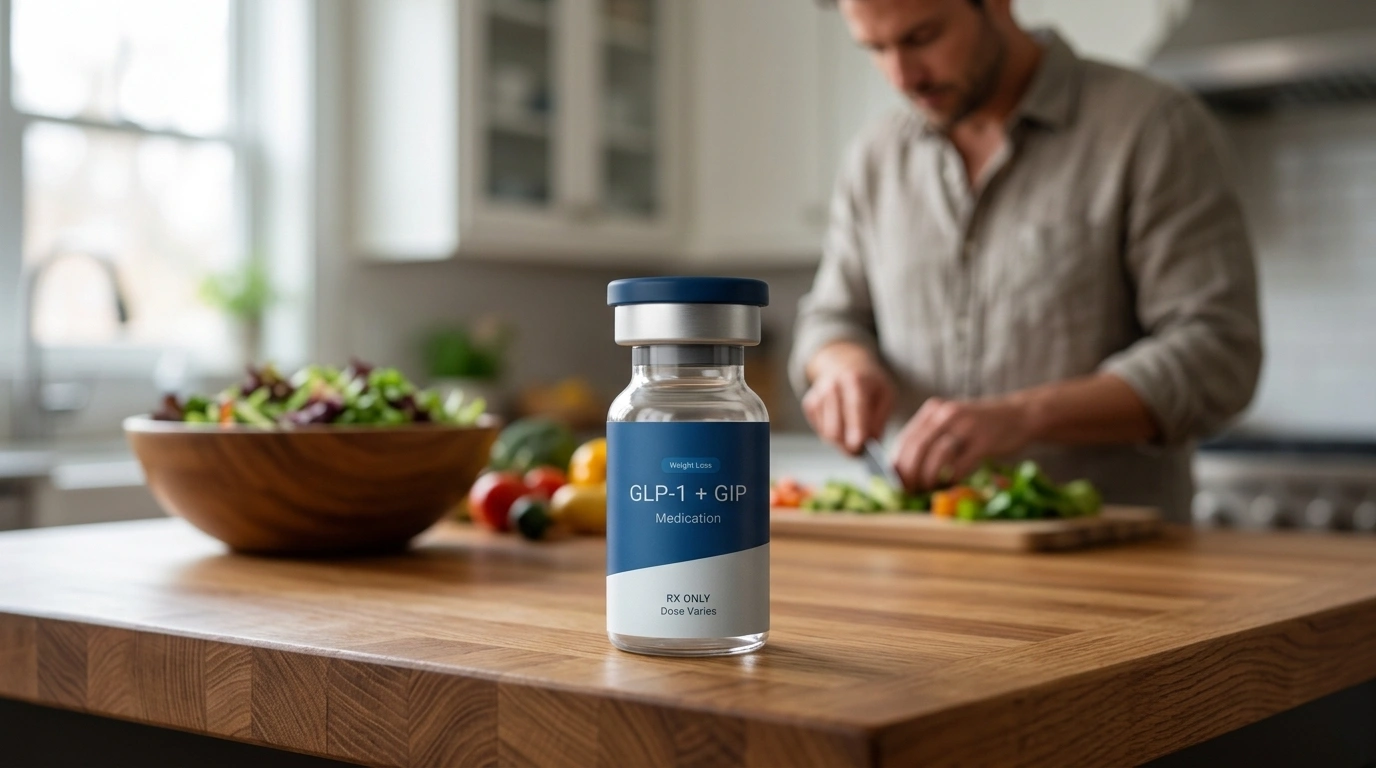
Table of Contents
- Introduction
- How Your Medication Affects Digestion
- High-Fat and Fried Foods
- Sugary Foods and Refined Carbohydrates
- Alcohol and Its Impact
- Foods That Cause Gas and Bloating
- Managing Spicy Foods
- Why Portion Sizes Matter More Than Ever
- What to Focus on Instead
- The Role of a Personalized Program
- Step-by-Step: How to Transition Your Diet
- When to Consult Your Healthcare Provider
- Conclusion
- FAQ
Introduction
Starting a weight loss journey with a dual-hormone medication often brings a sense of hope and excitement. However, that optimism can quickly turn to frustration when a routine meal leads to unexpected nausea, bloating, or “sulfur burps.” Many people find that the way they used to eat simply doesn’t align with how their body functions while taking this medication. At TrimRx, we focus on helping you navigate these transitions with clarity and clinical insight.
If you want to see whether a personalized program is a fit for your situation, you can take the free assessment quiz to get started.
Understanding what foods not to eat on Zepbound® is more than just a list of restrictions; it is about learning how to work with your body’s new biological rhythm. This medication changes how you digest food and how your brain perceives hunger. For a deeper look at why nausea happens on these medications, our guide on managing nausea on GLP-1 is a helpful companion read. By making intentional dietary adjustments, you can significantly reduce side effects and maximize your progress toward your health goals. This guide will help you identify which foods to avoid and why they might cause issues during your treatment.
How Your Medication Affects Digestion
To understand why certain foods cause distress, it is important to understand the mechanism of tirzepatide, the active ingredient in Zepbound®. This medication is a dual agonist, meaning it mimics two natural hormones in the body: glucagon-like peptide-1 (GLP-1) and glucose-dependent insulinotropic polypeptide (GIP).
One of the primary ways these hormones support weight loss is through a process called delayed gastric emptying. In plain English, this means the medication slows down the speed at which food leaves your stomach and enters your small intestine. If you are wondering whether a personalized program is the right fit for you, you can take the free assessment quiz to get started. While this helps you feel full for much longer, it also means that whatever you eat stays in your stomach for an extended period.
Quick Answer: On Zepbound, you should generally avoid high-fat fried foods, heavily processed sugars, alcohol, and excessive carbonated beverages. Because the medication slows digestion, these items stay in the stomach longer, often leading to severe nausea, reflux, and bloating.
High-Fat and Fried Foods
High-fat foods are perhaps the most common trigger for side effects when using a GLP-1/GIP medication. Under normal circumstances, fat is already one of the slowest macronutrients to digest. When you add a medication that further slows the stomach’s transit time, high-fat meals can sit in the digestive tract for an uncomfortable amount of time.
Fried Fast Food
Deep-fried items like french fries, fried chicken, and onion rings are often saturated in oils that are difficult for the body to process quickly. If you want a more detailed breakdown of nausea triggers and how to handle them, what to do for nausea from Zepbound is a useful read. When these sit in a “slowed” stomach, they can lead to intense “grease-heavy” nausea and oily stools. Many individuals report that the smell alone becomes a deterrent after a few weeks of treatment.
Heavy Sauces and Creamy Dressings
It isn’t just the main course that causes issues; often, it’s the hidden fats. Cream-based pasta sauces, heavy gravies, and high-fat salad dressings (like ranch or blue cheese) can contribute a high volume of fat in a small serving. These can trigger acid reflux or “heartburn” because the stomach is working overtime to break down the lipids while the exit path is slowed.
Fatty Meats
Greasy cuts of beef, bacon, and sausage should be limited. While protein is essential during your journey, the high saturated fat content in these specific cuts can lead to significant bloating. Opting for leaner proteins like chicken breast, turkey, or white fish is usually a much safer bet for your digestive comfort.
Sugary Foods and Refined Carbohydrates
While Zepbound® helps regulate blood sugar, consuming large amounts of refined sugar can lead to a “rollercoaster” effect that leaves you feeling ill.
Sugary Beverages
Sodas, sweetened iced teas, and high-sugar energy drinks can cause a rapid spike in blood glucose. If you want a deeper explanation of how tirzepatide affects nausea, the guide on why tirzepatide causes nausea explains the mechanism in more detail. Even though the medication is working to manage this, the sheer volume of sugar can cause “dumping-like” symptoms in some people, including dizziness, sweating, and rapid heart rate. Furthermore, the carbonation in many of these drinks adds a layer of gas that can be very painful when digestion is slow.
Ultra-Processed Snacks
Cookies, crackers, and white bread are broken down into simple sugars very quickly. These foods offer very little nutritional value (empty calories) and can contribute to the constipation that many patients experience. Because the medication reduces your overall appetite, every bite you take should ideally contribute to your nutrition. Processed snacks take up valuable space without providing the fiber or protein your body needs to thrive.
Key Takeaway: Because your stomach empties slower, heavy or sugary foods ferment or sit longer, which is the primary cause of the “sulfur burps” and nausea many experience. Focus on nutrient density over caloric volume.
Alcohol and Its Impact
Alcohol is another category that requires caution. There are several reasons why alcohol may not pair well with your weight loss program.
1. Blood Sugar Fluctuations: Both tirzepatide and alcohol affect how your liver releases glucose. Combining them can sometimes lead to hypoglycemia (low blood sugar), which may cause shakiness, confusion, or fatigue.
2. Gastric Irritation: Alcohol is a known irritant to the stomach lining. When it sits in the stomach longer due to delayed emptying, it has more time to cause irritation, which can exacerbate the nausea already associated with the medication.
3. Empty Calories and Inhibitions: Alcohol provides calories without nutrients. Additionally, it can lower your inhibitions, making it more likely that you will reach for the high-fat or sugary foods you are trying to avoid.
If you choose to drink, it is best to do so in moderation and ensure you are staying well-hydrated with water simultaneously.
Foods That Cause Gas and Bloating
While many vegetables are healthy, some are notorious for causing gas. When your digestive system is moving slowly, that gas can become trapped, leading to sharp pains and a feeling of extreme fullness.
Cruciferous Vegetables
Vegetables like broccoli, cauliflower, cabbage, and Brussels sprouts are incredibly healthy but contain a complex sugar called raffinose. This sugar is hard to break down. If these vegetables sit in the stomach or upper intestine too long, they can produce significant gas. You don’t have to eliminate them entirely, but many people find that cooking them thoroughly (rather than eating them raw) makes them much easier to tolerate.
Carbonated Drinks
We briefly mentioned soda, but even sparkling water can be an issue. The “bubbles” are carbon dioxide gas. In a stomach that isn’t emptying at a normal rate, this gas has nowhere to go but up (reflux) or to stay put (bloating). For another practical guide on food choices during this adjustment period, what to eat on Mounjaro nausea offers helpful examples. Many people find that switching to flat water with lemon or electrolytes significantly improves their daily comfort.
Managing Spicy Foods
Spicy foods are a “hit or miss” for those on weight loss medications. Some people find no difference, while others experience immediate regret. The capsaicin in spicy peppers can irritate the esophageal sphincter—the valve that keeps stomach acid down. Since Zepbound® keeps food and acid in the stomach longer, spicy meals are much more likely to cause painful acid reflux or a burning sensation in the chest.
If you enjoy spice, try “dialing it back” a few notches and see how your body reacts before committing to a very spicy meal.
Why Portion Sizes Matter More Than Ever
It isn’t just what you eat, but how you eat. One of the most common mistakes is trying to eat the same portion sizes you were accustomed to before starting the medication.
Myth: I can still eat a full “normal” dinner if I haven’t eaten all day. Fact: Eating a large volume of food at once—even “healthy” food—will likely cause pain or vomiting. Your stomach physically cannot move a large volume of food as quickly as it used to.
The Importance of “Mindful Topping”
On this medication, your “full” signal may arrive much sooner than you expect. It is often helpful to:
- Eat slowly and chew your food thoroughly.
- Stop eating as soon as you feel a sense of “neutrality” rather than waiting to feel “stuffed.”
- Use smaller plates to help visualize appropriate portions.
What to Focus on Instead
Knowing what foods not to eat on Zepbound is only half the battle. To maintain your energy and muscle mass, you need to focus on what to eat.
- Lean Protein: This is the most critical component. Protein helps preserve lean muscle mass as you lose weight. Focus on chicken, fish, tofu, beans, and low-fat Greek yogurt.
- Hydration: Dehydration is a major cause of fatigue and headaches on these medications. Aim for consistent water intake throughout the day.
- Soluble Fiber: Foods like oats, peeled apples, and carrots can help keep your digestion moving without causing excessive gas.
- Electrolytes: Sometimes, water isn’t enough. A daily electrolyte supplement can help maintain the balance of minerals in your body, especially if you are experiencing side effects like diarrhea or increased urination.
At TrimRx, we often recommend support that helps bridge the nutritional gaps that can occur when your appetite is significantly reduced. This ensures your body gets the baseline nutrients it needs even on days when you don’t feel like eating much.
The Role of a Personalized Program
Every individual reacts differently to medication. While one person might find they can tolerate small amounts of fried food, another might find that even a bite of a doughnut causes a day of nausea. This is why a “one-size-fits-all” approach to weight loss often fails.
Our program at TrimRx is designed around the idea of personalization. By connecting you with licensed healthcare providers who specialize in metabolic health, we ensure that your journey is medically supervised and tailored to your specific needs. If you are ready to see whether this approach fits your goals, you can take the free assessment quiz to begin. We provide the tools—from access to medications like compounded tirzepatide to ongoing specialist support—to help you navigate these dietary changes.
Bottom line: Success on Zepbound® requires a partnership between the medication and your lifestyle. Avoiding high-fat, high-sugar, and gas-producing foods is the fastest way to minimize side effects and feel your best during the process.
Step-by-Step: How to Transition Your Diet
If you are just starting your program or are about to increase your dosage, follow these steps to protect your digestive health:
- Step 1: Audit your pantry. Remove high-fat “trigger” foods and ultra-processed snacks that might tempt you when you’re tired.
- Step 2: Prioritize protein. Plan every meal around a lean protein source to ensure you are protecting your muscle mass.
- Step 3: Slow down your meals. Practice putting your fork down between bites to give your brain time to receive the “fullness” signal from your gut.
- Step 4: Track your reactions. Keep a simple food log for the first few weeks. Note any time you feel nauseous and look for patterns in what you ate 2–4 hours prior.
- Step 5: Stay hydrated. Carry a water bottle everywhere and consider an electrolyte boost if you feel sluggish.
When to Consult Your Healthcare Provider
While mild nausea and changes in bowel habits are common, they should not be debilitating. If you experience severe abdominal pain, persistent vomiting, or an inability to keep liquids down, it is essential to contact your healthcare provider immediately. These could be signs of more serious complications that require medical attention.
Through the TrimRx platform, you have 24/7 access to specialists who can help you determine if your symptoms are a normal part of the adjustment period or if your treatment plan needs to be modified. If you are still deciding whether a personalized program is right for you, you can take the free assessment quiz as a simple next step. Never suffer in silence; adjustments to dosage or timing can often resolve persistent side effects.
Conclusion
The journey toward a healthier weight is a marathon, not a sprint. Medications like Zepbound® are powerful tools, but they work best when supported by a diet that respects your body’s new digestive pace. By avoiding high-fat, sugary, and heavily processed foods, you can avoid the most common pitfalls of GLP-1 and GIP therapy.
Our mission is to help you embrace a healthier lifestyle through science and empathy. Whether you are looking for medical supervision, personalized treatment plans, or high-quality support, we are here to guide you every step of the way. If you’re ready to see how a personalized program can change your approach to weight loss, the first step is simple and starts with understanding your unique health profile. You can take the free assessment quiz whenever you are ready.
Key Takeaway: Dietary choices are the primary lever you can pull to control side effects. Prioritize hydration and lean protein to feel your best while the medication does its work.
FAQ
Why does Zepbound make me feel nauseous after eating fried food?
The medication slows down your stomach’s emptying process, meaning heavy, greasy foods sit in your stomach much longer than usual. This “backlog” of difficult-to-digest fat causes the stomach to produce more acid and can lead to feelings of intense nausea or indigestion. If you want a closer look at practical food strategies for this situation, what helps with nausea on tirzepatide may help.
Can I drink coffee while taking this medication?
Most people can tolerate coffee, but be mindful of what you add to it. Large amounts of heavy cream or sugary syrups can trigger the same side effects as other high-fat/high-sugar foods. Additionally, because caffeine can be dehydrating, ensure you are drinking extra water to compensate.
Are there any healthy foods that I should avoid?
Even some healthy foods can cause issues if they are high in fiber or gas-producing. Raw cruciferous vegetables (like broccoli) and beans can cause significant bloating and gas because they move through the digestive tract slowly. You may find it easier to tolerate these foods if they are cooked thoroughly or consumed in smaller portions. For more on diet adjustments during treatment, managing nausea on GLP-1 is a helpful companion guide.
How do I know if I’m not eating enough?
If you feel extreme fatigue, dizziness, or notice your hair thinning, you may not be getting enough calories or protein. It is important to work with a provider to ensure you are hitting your nutritional targets even when your appetite is low. A personalized program can help you stay on track, so take the free assessment quiz if you want to see whether that support is a fit for you.
Disclaimer: This content is for informational purposes only and does not constitute medical advice. It is not intended to diagnose, treat, cure, or prevent any disease or condition. Individual results may vary. Always consult a qualified healthcare professional before starting any weight loss program or medication.

Transforming Lives, One Step at a Time
Keep reading

Kids’ Birthday Party on Zepbound
If you have young children, birthday parties are a regular part of life: your own child’s, and the steady stream of classmates’ parties most…
Water Aerobics on Zepbound
For people with painful knees, hips, or backs, water aerobics and pool exercise are often the first kind of exercise that feels possible. The…

New Year’s Eve on Zepbound
New Year’s Eve is built around staying up late. There is usually a big dinner or a party spread, drinks through the evening, champagne…


