Glutathione Injection Arizona — What to Know Before You
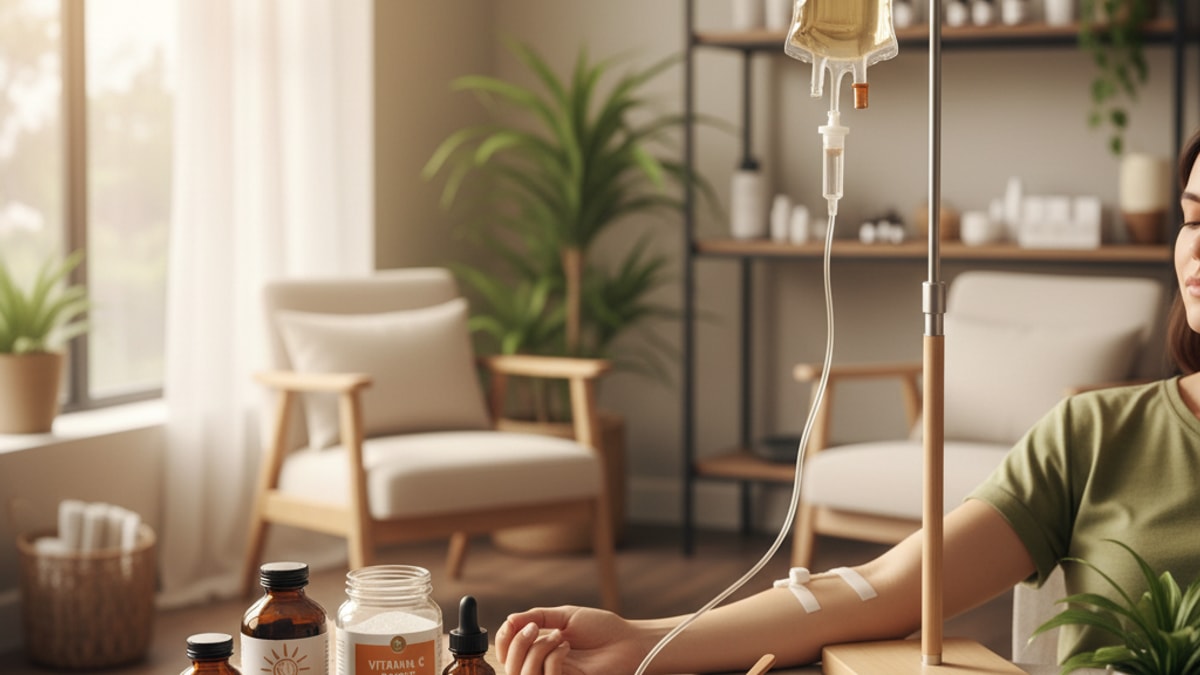
Glutathione Injection Arizona — What to Know Before You Start
Arizona's medical spa industry grew 32% between 2020 and 2024, with injectable glutathione becoming one of the most requested aesthetic treatments statewide. Phoenix and Scottsdale alone account for more than 400 licensed facilities offering glutathione infusions and injections. But here's what most patients discover too late: the clinical evidence supporting glutathione for skin lightening, anti-aging, or detoxification is remarkably thin compared to what marketing materials suggest. Injectable glutathione does raise plasma glutathione levels temporarily. Studies confirm that. But whether those elevated levels translate into visible skin changes or meaningful health outcomes remains contested in peer-reviewed literature.
Our team has reviewed hundreds of patient protocols and provider claims across Arizona's telehealth and in-person glutathione injection landscape. The gap between doing it right and doing it wrong comes down to three factors most guides never mention: sourcing quality (compounded vs pharmaceutical-grade), dosing frequency that matches actual half-life data, and realistic outcome expectations grounded in what clinical trials actually show.
What are glutathione injections, and how do they work in the body?
Glutathione injections deliver reduced L-glutathione (GSH). A tripeptide composed of glutamine, cysteine, and glycine. Directly into muscle tissue or subcutaneously, bypassing first-pass hepatic metabolism that degrades oral glutathione by up to 80%. Once in circulation, glutathione functions as the body's primary endogenous antioxidant, neutralizing reactive oxygen species (ROS) and supporting Phase II liver detoxification pathways. Proponents claim injectable glutathione lightens skin by inhibiting tyrosinase, the enzyme that catalyzes melanin production, though melanin suppression typically requires doses of 600–1200mg administered 1–3 times weekly for 8–12 weeks. And even then, clinical response is highly variable.
The most common misconception about glutathione injection is that higher plasma levels automatically translate into better clinical outcomes. That's not how antioxidant homeostasis works. The body tightly regulates intracellular glutathione through synthesis and recycling pathways. Flooding the system with exogenous glutathione doesn't proportionally increase tissue levels because uptake is rate-limited by gamma-glutamyl transpeptidase activity at the cell membrane. This article covers how glutathione injections are legally accessed across Arizona, what realistic outcomes look like based on published trial data, and what preparation and storage mistakes negate therapeutic benefit entirely.
How Glutathione Injection Works — Mechanism and Bioavailability
Glutathione exists in two forms: reduced (GSH, the active form) and oxidized (GSSG, the spent form). Injectable formulations deliver reduced L-glutathione, which enters systemic circulation within 15–30 minutes of intramuscular or subcutaneous administration. Plasma glutathione peaks at approximately 60 minutes post-injection and returns to baseline within 3–4 hours. The half-life in circulation is roughly 90 minutes, which is why protocols claiming 'lasting benefits' from a single monthly injection don't align with pharmacokinetic reality.
The proposed skin-lightening mechanism involves competitive inhibition of tyrosinase, the rate-limiting enzyme in melanogenesis. Glutathione binds copper cofactors required for tyrosinase activity, theoretically reducing melanin synthesis in melanocytes. A 2017 review published in the Journal of Dermatological Science noted that while in vitro studies confirm tyrosinase inhibition at high glutathione concentrations, human trials have produced inconsistent results. Some showing modest lightening after 12 weeks at 600mg twice weekly, others showing no measurable change. Genetic variation in tyrosinase expression and baseline melanin density likely explains this variability.
The antioxidant claim is more straightforward: glutathione neutralizes hydrogen peroxide, lipid peroxides, and peroxynitrite through enzymatic and non-enzymatic pathways. It regenerates other antioxidants like vitamins C and E, maintaining cellular redox balance. But here's the clinical limitation. While injectable glutathione does raise plasma levels acutely, there's no strong evidence that this translates into improved markers of oxidative stress (like malondialdehyde or 8-OHdG) in healthy individuals. The benefit is clearer in conditions of glutathione depletion. Acetaminophen toxicity, for example. But using it as a preventive antioxidant in otherwise healthy people lacks robust trial support.
Arizona Legal Access — Prescribing, Compounding, and Telehealth Rules
Glutathione injection is classified as a prescription medication when administered parenterally. It cannot be sold over-the-counter or self-administered without a licensed prescriber's order. Arizona Revised Statutes Title 32, Chapter 18 governs medical practice and prescribing authority. Licensed physicians (MD, DO), nurse practitioners with prescriptive authority, and physician assistants under collaborative agreement can all legally prescribe injectable glutathione for off-label use. Off-label prescribing is fully legal in Arizona as long as the provider has established a bona fide patient relationship. Telemedicine platforms satisfy this requirement if they include synchronous audio-visual consultation before issuing the prescription.
Compounded glutathione is the most common formulation available through Arizona providers. Compounding pharmacies registered under Arizona State Board of Pharmacy rules (or FDA-registered 503B outsourcing facilities shipping into Arizona) prepare glutathione from bulk active pharmaceutical ingredients (APIs). These preparations are not FDA-approved finished drug products. They're legally manufactured under USP standards but lack the batch-level oversight of branded pharmaceuticals. Quality variance is the primary risk: a 2019 FDA inspection sweep found labeling discrepancies in 18% of sampled compounded injectables, though no major safety issues were reported.
Telehealth access expanded significantly post-2020. Arizona Medical Board guidance permits telemedicine prescribing for non-controlled substances (glutathione is non-scheduled) after an initial audio-visual consultation. Patients can access glutathione prescriptions remotely through licensed platforms, with the medication shipped directly from compounding pharmacies to the patient's address. Cost through telehealth typically ranges from $80–$150 per 1200mg dose, compared to $200–$400 per treatment at medical spas offering in-person injections.
Dosing, Administration, and Storage Protocols
Standard glutathione injection protocols range from 600mg to 1800mg per dose, administered 1–3 times weekly depending on clinical goal. Skin-lightening protocols typically use 1200mg twice weekly for 8–12 weeks, then taper to weekly maintenance. Intramuscular injection into the gluteal or deltoid muscle is most common. Subcutaneous administration is also effective but may cause localized irritation at higher doses. Intravenous push (IV glutathione) delivers higher peak plasma levels but requires medical facility administration and doesn't meaningfully improve clinical outcomes compared to IM injection for most indications.
Reconstitution of lyophilized glutathione powder requires bacteriostatic water or sterile water for injection. Once reconstituted, the solution must be refrigerated at 2–8°C and used within 28 days. Glutathione oxidizes rapidly at room temperature, converting GSH to inactive GSSG. Any temperature excursion above 25°C for more than 2 hours compromises potency. Pre-mixed glutathione solutions (if provided by the compounding pharmacy) must remain refrigerated throughout shipping and storage. Cold chain integrity is non-negotiable.
Injection technique matters more than most patients realize. Using a 1–1.5 inch, 22–25 gauge needle for IM administration ensures proper muscle penetration. Aspirating before injecting (pulling back on the plunger to check for blood return) is no longer standard practice per CDC guidelines, but ensuring you're not in a vein is still important. If blood enters the syringe, withdraw and reposition. Rotate injection sites to prevent tissue irritation and lipodystrophy. Dispose of needles in an FDA-cleared sharps container. Arizona state law prohibits disposal of sharps in household trash.
Glutathione Injection Comparison — Routes and Formulations
| Route | Bioavailability | Peak Plasma Time | Practical Advantage | Professional Assessment |
|---|---|---|---|---|
| Intramuscular (IM) | 80–90% (bypasses first-pass) | 30–60 minutes | Self-administered at home, no IV access required, stable plasma elevation for 3–4 hours | Optimal for sustained dosing protocols. Best balance of convenience and pharmacokinetics |
| Subcutaneous (SQ) | 75–85% (slower absorption) | 60–90 minutes | Easier injection technique, less painful than IM, suitable for smaller volumes | Effective for maintenance dosing but may cause localized skin irritation at doses >800mg |
| Intravenous (IV) | 100% (immediate) | 5–15 minutes | Highest peak plasma concentration, no injection site reaction | Requires medical facility administration. No clinical advantage for routine protocols, significantly higher cost |
| Oral | 10–20% (extensive degradation) | Not clinically relevant | Over-the-counter availability, no injection required | Poor bioavailability makes oral glutathione ineffective for raising systemic levels. Supplementation may support endogenous synthesis but doesn't match injectable efficacy |
Key Takeaways
- Injectable glutathione bypasses first-pass metabolism, achieving 80–90% bioavailability compared to 10–20% from oral supplementation. Intramuscular and subcutaneous routes are clinically equivalent for standard dosing protocols.
- Arizona law permits licensed providers (MD, DO, NP, PA) to prescribe glutathione off-label via telemedicine after synchronous audio-visual consultation. Compounded formulations are legal but lack FDA batch-level oversight.
- Standard skin-lightening protocols use 1200mg twice weekly for 8–12 weeks, though clinical trial evidence for efficacy is inconsistent. Genetic variation in tyrosinase expression and baseline melanin density affect individual response.
- Reconstituted glutathione must be refrigerated at 2–8°C and used within 28 days. Any temperature excursion above 25°C for more than 2 hours causes irreversible oxidation to inactive GSSG.
- Plasma glutathione peaks at 60 minutes post-injection and returns to baseline within 3–4 hours due to a 90-minute half-life. Protocols claiming sustained benefits from monthly dosing don't align with pharmacokinetic data.
What If: Glutathione Injection Scenarios
What if I miss a scheduled injection dose — do I double up the next time?
No. Administer the missed dose as soon as you remember if fewer than 4 days have passed, then resume your regular schedule. If more than 4 days have passed, skip the missed dose entirely and continue with the next scheduled injection. Doubling doses doesn't compensate for the missed pharmacokinetic window and increases the risk of localized injection site reactions without improving clinical outcomes. Plasma glutathione levels reset to baseline within 24 hours of a missed dose. The cumulative effect of glutathione protocols depends on consistent dosing frequency, not dose stacking.
What if the reconstituted glutathione solution turns yellowish or cloudy?
Discard it immediately. Color change or cloudiness indicates oxidation to GSSG (inactive form) or bacterial contamination. Reduced L-glutathione solutions should be clear and colorless. Oxidation occurs when the vial is exposed to light, air, or temperatures above 8°C for extended periods. Even if the solution is within the 28-day use window, visible discoloration means the active compound has degraded. Using oxidized glutathione won't harm you, but it's pharmacologically inert. You're injecting expensive saline at that point.
What if I experience injection site pain or swelling after administration?
Mild localized pain and small hematomas are normal, especially with IM injections into the deltoid or gluteal muscle. Apply ice for 10 minutes immediately after injection to reduce inflammation, and rotate injection sites with each dose. If swelling exceeds 2 inches in diameter, becomes warm to the touch, or is accompanied by fever, contact your prescribing provider. This could indicate cellulitis or abscess formation requiring antibiotic treatment. Persistent injection site reactions may indicate subcutaneous leakage during IM administration. Ensure you're using a needle long enough to reach muscle tissue (1–1.5 inches for most adults).
The Clinical Truth About Glutathione Injection Efficacy
Here's the honest answer: the marketing claims surrounding glutathione injection far outpace the clinical evidence. Yes, injectable glutathione raises plasma glutathione levels. That's pharmacologically established. But the leap from 'higher plasma glutathione' to 'visibly lighter skin' or 'detoxified liver' or 'anti-aging benefits' is not supported by high-quality randomized controlled trials. A 2020 systematic review in the International Journal of Dermatology analyzed 14 studies on glutathione for skin lightening and found that only 3 met basic methodological standards. And even those showed modest, inconsistent results.
The mechanism makes biological sense in theory: glutathione inhibits tyrosinase, reduces oxidative stress, and supports Phase II detoxification. But the body's regulatory feedback loops mean that flooding the system with exogenous glutathione doesn't proportionally increase tissue concentrations. Intracellular glutathione is synthesized and recycled through tightly controlled pathways. Uptake from plasma is rate-limited by membrane transport. This is why some patients see modest skin lightening after 12 weeks at high doses while others see no change. Genetic variation in transport efficiency and tyrosinase expression determines response.
For detoxification claims, the evidence is even weaker. Healthy livers produce 8–10 grams of glutathione daily through endogenous synthesis. Adding 1200mg twice weekly via injection is a drop in that metabolic bucket. Glutathione injections make sense in acute depletion states (acetaminophen overdose, severe oxidative stress from chemotherapy), but using them as a preventive 'detox' treatment in otherwise healthy people lacks mechanistic justification. The liver doesn't need exogenous glutathione to function. It needs the amino acid precursors (cysteine, glycine, glutamine) to maintain endogenous production.
Glutathione injection isn't a scam. But the expectations patients bring based on social media testimonials and medical spa marketing are rarely grounded in what the published literature actually demonstrates. If you're considering it, approach it as an experimental intervention with modest, unpredictable effects. Not a guaranteed cosmetic transformation.
Most patients considering glutathione injection assume the primary risk is injection technique or sterility. It's not. The real failure mode is storage integrity. A single temperature excursion during shipping or at-home refrigeration can denature the entire supply, turning pharmaceutical-grade glutathione into inert solution. Unlike many peptides, glutathione oxidizes rapidly at room temperature. The reduced form (GSH) converts to oxidized glutathione (GSSG) within 6–8 hours at 25°C, and that reaction is irreversible. No home testing method can detect this degradation. The solution remains clear, and the vial looks identical.
Another point most providers gloss over: glutathione injection protocols for skin lightening often require 16–24 weeks of consistent dosing to see measurable results, and those results reverse within 8–12 weeks of stopping. This isn't a one-time treatment. It's a maintenance protocol with ongoing cost and commitment. The patients who report dramatic lightening are typically starting from higher baseline melanin density and maintaining strict sun avoidance throughout treatment. If you're expecting visible change in 4–6 weeks or planning to stop after achieving your desired tone, you're setting yourself up for disappointment.
Finally, most patients underestimate the importance of syringe quality and needle gauge. Using insulin syringes (which are designed for subcutaneous injection of small volumes) for 1200mg IM glutathione injections is a common mistake. The needle is too short to reach muscle tissue in most adults, resulting in subcutaneous deposition that causes irritation and reduces absorption. A proper IM injection requires a 1–1.5 inch needle (22–25 gauge) and a 3ml Luer-lock syringe. If your provider ships pre-filled insulin syringes for 'convenience,' you're likely not getting an intramuscular injection at all.
Frequently Asked Questions
How long does it take for glutathione injections to show visible skin lightening results?▼
Clinical trials using 1200mg doses twice weekly report modest skin tone changes after 8–12 weeks in some patients, though response is highly variable. Melanin reduction depends on genetic factors like tyrosinase expression and baseline melanin density — some patients see measurable lightening within 10 weeks, while others show no visible change after 16 weeks. Results typically reverse within 8–12 weeks of stopping treatment, as melanin production resumes at baseline levels without ongoing tyrosinase inhibition.
Can I get glutathione injections prescribed through telemedicine in Arizona?▼
Yes — Arizona Medical Board regulations permit licensed providers (MD, DO, NP, PA) to prescribe non-controlled medications like glutathione via telemedicine after a synchronous audio-visual consultation. Compounded glutathione is then shipped directly from FDA-registered 503B facilities or state-licensed pharmacies to your address. Telehealth glutathione costs typically range from $80–$150 per 1200mg dose, compared to $200–$400 for in-person medical spa injections.
What is the difference between compounded and pharmaceutical-grade glutathione injections?▼
Compounded glutathione is prepared by state-licensed pharmacies or FDA-registered 503B facilities from bulk APIs under USP standards — it’s legally manufactured but not an FDA-approved finished drug product. Pharmaceutical-grade glutathione (rare in the US market) undergoes full FDA batch-level review and standardized potency testing. Both contain the same active molecule (reduced L-glutathione), but compounded versions lack the traceability and recall infrastructure of FDA-approved products. Quality variance is the primary risk with compounded formulations.
What are the most common side effects of glutathione injections?▼
Localized injection site pain, mild swelling, and small hematomas occur in 15–25% of patients, especially with intramuscular administration. Systemic side effects are rare but include allergic reactions (rash, itching, dyspnea) in fewer than 2% of cases. Abdominal cramping and mild nausea are occasionally reported with doses above 1500mg. Serious adverse events like anaphylaxis or Stevens-Johnson syndrome are exceedingly rare but documented in case reports — patients with known sulfur sensitivity should use glutathione with caution.
How should I store reconstituted glutathione injections at home?▼
Reconstituted glutathione must be refrigerated at 2–8°C immediately after mixing with bacteriostatic water and used within 28 days. Store the vial in the main refrigerator compartment (not the door, where temperature fluctuates), and protect it from light by wrapping the vial in aluminum foil. Any temperature excursion above 25°C for more than 2 hours causes irreversible oxidation — the reduced form (GSH) converts to inactive GSSG. Pre-mixed solutions shipped from compounding pharmacies require cold chain integrity throughout transit.
Is intramuscular or subcutaneous injection better for glutathione?▼
Intramuscular (IM) injection achieves slightly faster absorption and higher peak plasma levels (80–90% bioavailability, peak at 30–60 minutes) compared to subcutaneous (75–85%, peak at 60–90 minutes). For standard 1200mg doses, the clinical difference is negligible — both routes produce sustained plasma elevation for 3–4 hours. IM is preferred for volumes above 1ml and in patients with minimal subcutaneous fat. Subcutaneous injection is easier to self-administer but may cause more localized irritation at higher doses.
Will I regain my original skin tone if I stop glutathione injections?▼
Yes — skin tone typically reverts to baseline within 8–12 weeks of discontinuing treatment. Glutathione inhibits tyrosinase activity while present in the system, but it doesn’t permanently alter melanocyte function or melanin synthesis pathways. Once plasma glutathione returns to endogenous levels (within 24 hours of the last injection), tyrosinase activity resumes, and melanin production returns to genetically determined baseline. Maintaining lightened skin tone requires ongoing treatment.
Can glutathione injections help with liver detoxification or alcohol-related liver damage?▼
Glutathione plays a critical role in Phase II liver detoxification, and IV glutathione is used clinically for acetaminophen overdose and severe oxidative stress conditions. However, evidence supporting injectable glutathione as a preventive detox treatment in healthy individuals is weak — the liver produces 8–10 grams of glutathione daily through endogenous synthesis, and adding 1200mg twice weekly doesn’t meaningfully impact that pool in the absence of depletion. For alcohol-related liver damage, glutathione may support recovery in conjunction with abstinence, but it’s not a standalone treatment.
What is the correct needle size and injection technique for intramuscular glutathione?▼
Use a 1–1.5 inch needle (22–25 gauge) attached to a 3ml Luer-lock syringe for proper IM administration. Inject into the deltoid (upper arm), ventrogluteal (hip), or dorsogluteal (buttock) muscle at a 90-degree angle to the skin. Clean the injection site with alcohol for 30 seconds and allow it to dry before inserting the needle. Inject slowly over 10–15 seconds, withdraw the needle, and apply pressure with gauze. Rotate injection sites with each dose to prevent tissue irritation and lipodystrophy.
Are there any medical conditions that make glutathione injections unsafe?▼
Patients with documented sulfur or sulfite hypersensitivity should avoid glutathione injections due to the cysteine component, which contains a sulfur group. Asthma patients may experience bronchospasm in rare cases, particularly with IV administration. Pregnant or breastfeeding women should avoid glutathione injections due to lack of safety data — no controlled trials have evaluated fetal or neonatal outcomes. Patients on chemotherapy should consult their oncologist before starting glutathione, as some regimens rely on oxidative stress for tumor cell death.

Transforming Lives, One Step at a Time
Keep reading

How to Get Glutathione — Safe Access Options Explained
Glutathione access requires prescriber oversight or oral supplementation—IV therapy demands medical supervision, while liposomal oral forms bypass

Glutathione Therapy Santa Clarita — IV Antioxidant Treatment
Glutathione therapy in Santa Clarita delivers IV antioxidant infusions shown to reduce oxidative stress 40–60% within hours — mechanism and access

Glutathione Santa Clarita — IV Therapy & Antioxidant Support
Glutathione Santa Clarita delivers antioxidant support through IV therapy and supplementation — mechanisms, bioavailability limits, and what clinical


