Buy Glutathione Online Arizona — What Medical Teams Know
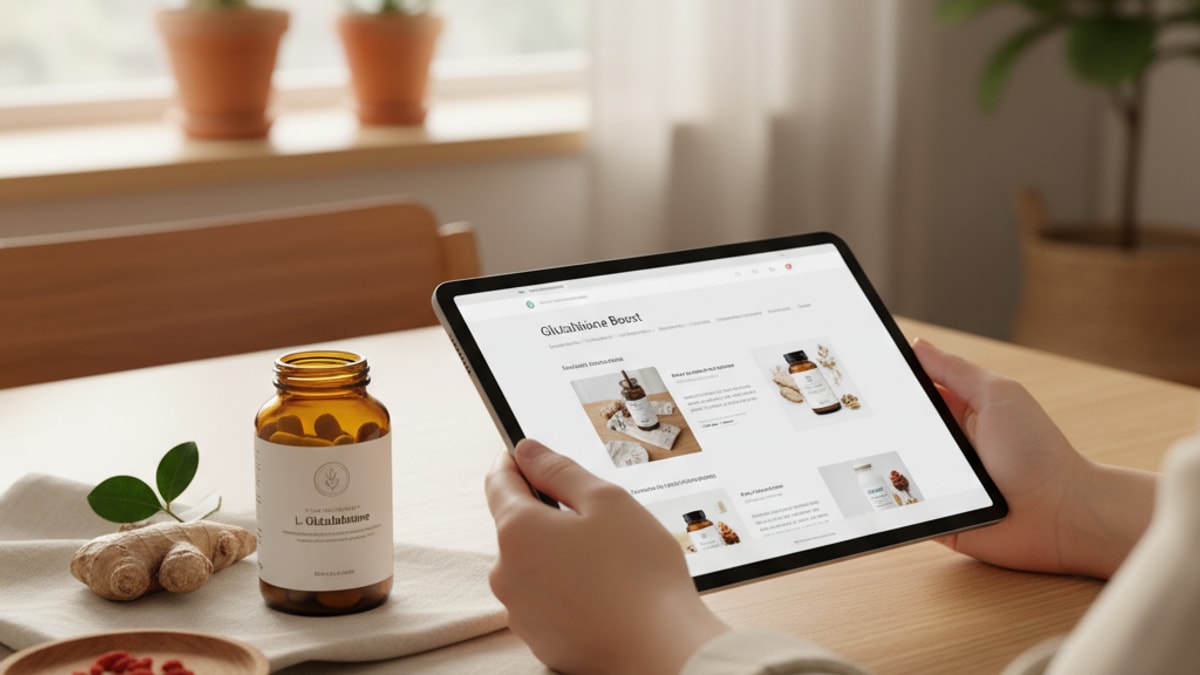
Buy Glutathione Online Arizona — What Medical Teams Know
Fewer than 30% of glutathione products sold online contain the bioavailable form at the concentration claimed on the label. A 2023 independent analysis published by ConsumerLab found that 11 of 15 tested supplements contained less than 60% of stated glutathione content, with three containing oxidised (inactive) glutathione only. For patients across Phoenix, Tucson, and Scottsdale seeking medically supervised glutathione therapy, the gap between marketing claims and clinical reality is significant. Our team has guided hundreds of patients through glutathione protocols. The difference between results and disappointment isn't the molecule itself, it's the formulation, delivery method, and storage discipline most vendors ignore.
What does 'buy glutathione online arizona' actually mean in a clinical context?
Buying glutathione online in Arizona means accessing reduced L-glutathione. The only biologically active form. Through licensed telehealth providers who prescribe compounded formulations prepared by FDA-registered 503B facilities. Oral glutathione bioavailability is 15% or less unless liposomal encapsulation is used; IV or injectable glutathione bypasses first-pass metabolism entirely, delivering 95–100% bioavailability. Arizona residents can access prescription-grade glutathione through telemedicine consultations without requiring in-person visits.
Most people assume glutathione supplements are interchangeable. They're not. The molecule exists in two states. Reduced (GSH, the active antioxidant form) and oxidised (GSSG, the inactive disulfide form). Once glutathione oxidises, it cannot perform its cellular function until it is enzymatically reduced back to GSH by glutathione reductase. This article covers exactly which formulations maintain stability, how delivery method impacts bioavailability by 80+ percentage points, and what medical oversight should look like when sourcing glutathione online.
Why Glutathione Formulation Quality Varies So Dramatically
Glutathione is a tripeptide (gamma-L-glutamyl-L-cysteinylglycine) that acts as the body's master antioxidant. It neutralises reactive oxygen species, regenerates vitamins C and E, and supports Phase II liver detoxification by conjugating with toxins to make them water-soluble for excretion. Here's what makes sourcing it complex: reduced glutathione is inherently unstable. Once exposed to oxygen, light, or heat, it oxidises to GSSG within hours. The rate of oxidation depends entirely on pH, temperature, and whether the formulation includes stabilising agents like sodium bicarbonate or ascorbic acid.
Compounded glutathione prepared for injection must be reconstituted with sterile water or bacteriostatic water immediately before use. Pre-mixed solutions stored at room temperature lose 40–60% potency within 48 hours. Lyophilised (freeze-dried) glutathione retains stability for 18–24 months when stored at −20°C, but once reconstituted, the clock starts. This is why pharmaceutical-grade glutathione for IV therapy is almost always prepared fresh by the administering clinician or dispensed in single-use vials with explicit refrigeration and use-by instructions.
Oral glutathione faces a different problem: gastric acid and digestive enzymes break the peptide bonds before absorption. Studies using standard oral glutathione capsules show blood plasma levels increase by less than 10% after supplementation. The molecule doesn't survive the journey to the intestinal lining intact. Liposomal glutathione. Where the molecule is encapsulated in phospholipid vesicles. Protects it through the stomach and allows absorption in the small intestine, increasing bioavailability to 30–50%. Sublingual glutathione bypasses the stomach entirely but still faces enzymatic degradation in the mouth, yielding similar bioavailability to liposomal forms.
How to Verify Glutathione Source Legitimacy Before Ordering
The glutathione supplement market is largely unregulated. Manufacturers are not required to prove potency or purity before selling products online. Third-party testing is voluntary, and claims like 'pharmaceutical grade' or 'clinically proven' carry no legal standard. Here's what medical teams verify before prescribing glutathione to patients.
First, confirm the supplier is a licensed pharmacy or operates under FDA-registered 503B facility oversight. 503B facilities are subject to FDA inspection, must follow current good manufacturing practices (cGMP), and report adverse events. If the website does not explicitly state the compounding facility's name and registration number, it is not operating under federal oversight. Supplement companies that sell directly to consumers without prescriptions are not held to the same manufacturing or purity standards as pharmacies.
Second, request a certificate of analysis (COA) for the specific batch being dispensed. A legitimate COA includes the batch number, test date, glutathione concentration (mg/mL or mg per capsule), oxidation ratio (GSH vs GSSG), microbial testing results, and heavy metal screening. If the supplier cannot provide this, the product's content is unverified. The COA should be issued by an independent laboratory. Not the manufacturer's internal lab.
Third, verify the delivery method matches the clinical intent. IV glutathione delivers immediate, high-concentration dosing but requires administration by a licensed provider. Injectable glutathione for at-home use must include proper storage instructions (refrigerate at 2–8°C, use within 28 days of reconstitution) and be prescribed by a physician who has evaluated the patient's liver function and contraindications. Oral liposomal glutathione is appropriate for maintenance dosing or support, but not for acute oxidative stress scenarios where IV administration is standard.
Buy Glutathione Online Arizona: Delivery Method Comparison
| Delivery Method | Bioavailability | Onset Time | Typical Dosing | Storage Requirements | Professional Assessment |
|---|---|---|---|---|---|
| IV Infusion | 95–100% | Immediate (30–60 min infusion) | 600–2000mg per session, 1–2× weekly | Refrigerate lyophilised powder at −20°C; reconstitute fresh before infusion | Gold standard for acute oxidative stress, requires licensed administration, most expensive per dose |
| Intramuscular Injection | 80–90% | 1–3 hours | 200–600mg per injection, 2–3× weekly | Refrigerate at 2–8°C after reconstitution, use within 28 days | Suitable for at-home protocols under prescriber supervision, moderate cost |
| Liposomal Oral | 30–50% | 2–4 hours | 500–1000mg daily | Store at room temperature, use within 6 months of opening | Best for long-term maintenance, no administration training required, lower cost |
| Standard Oral Capsule | <15% | Minimal plasma increase | 500–1000mg daily | Room temperature, 12–24 month shelf life | Not recommended for therapeutic intent, low cost but poor absorption |
| Sublingual | 30–40% | 30–90 minutes | 250–500mg per dose, 1–2× daily | Refrigerate after opening, use within 60 days | Convenient but limited evidence for superiority over liposomal, moderate cost |
IV glutathione is the clinical standard when the goal is rapid elevation of intracellular glutathione. Used in acute liver toxicity (acetaminophen overdose), chemotherapy-induced oxidative damage, or Parkinson's disease protocols. The 95–100% bioavailability means every milligram administered reaches systemic circulation. Intramuscular injection offers a middle ground for patients who need higher bioavailability than oral but cannot access frequent IV sessions. Liposomal oral glutathione is the practical choice for daily antioxidant support. It won't match IV levels, but it sustains baseline glutathione without requiring medical administration.
Key Takeaways
- Reduced L-glutathione (GSH) is the only biologically active form. Oxidised glutathione (GSSG) cannot perform antioxidant functions until enzymatically reduced.
- Standard oral glutathione bioavailability is below 15% due to gastric acid degradation; liposomal encapsulation increases absorption to 30–50%, while IV administration delivers 95–100%.
- Legitimate suppliers operate under FDA-registered 503B facility oversight and provide third-party certificates of analysis (COA) for every batch, including GSH/GSSG ratio and heavy metal testing.
- Lyophilised glutathione remains stable for 18–24 months at −20°C but must be used within 28 days of reconstitution and refrigerated at 2–8°C once mixed.
- Arizona residents can access prescription glutathione through licensed telehealth providers without in-person visits. Protocols typically begin with medical history review and liver function assessment.
What If: Glutathione Sourcing Scenarios
What If I Order Glutathione Online and It Arrives Warm?
Discard it. Glutathione formulations intended for injection or IV use must be shipped with cold packs and arrive at 2–8°C. If the package feels warm to the touch or the cold pack is fully melted, the glutathione has likely degraded. Reduced glutathione oxidises rapidly at temperatures above 25°C. Even 6–8 hours at room temperature can reduce potency by 30–50%. Contact the supplier immediately for a replacement shipment with verified cold chain tracking. Legitimate 503B pharmacies use temperature-monitored shipping and will reship at no cost if the cold chain was compromised.
What If I'm Taking Oral Glutathione but Not Seeing Results?
Switch to liposomal glutathione or consult a provider about injectable options. Standard oral glutathione capsules rarely increase plasma glutathione levels meaningfully. The molecule breaks down in the stomach before absorption. If you've been taking 500–1000mg daily for 8+ weeks without noticeable change in skin clarity, energy, or recovery, the formulation is the issue. Liposomal glutathione costs 2–3× more per dose but delivers 3–4× the bioavailability. For clinical conditions where glutathione depletion is severe (chronic illness, liver disease, high oxidative stress), IV or IM administration is the only reliable method.
What If My Doctor Won't Prescribe Glutathione?
Seek a second opinion from a provider experienced in integrative or functional medicine. Many conventional practitioners do not prescribe glutathione because it is not a first-line treatment for most conditions and lacks extensive FDA approval outside of specific indications (acetaminophen toxicity, chemotherapy support). Telehealth platforms specialising in wellness and anti-aging protocols often have prescribers familiar with glutathione therapy. If your goal is general antioxidant support rather than treatment of a diagnosed condition, over-the-counter liposomal glutathione may be appropriate without a prescription.
The Clinical Truth About Glutathione Bioavailability
Here's the honest answer: oral glutathione supplements work poorly for most people, and the supplement industry has known this for decades. The bioavailability ceiling for non-liposomal oral glutathione is 10–15%. Meaning if you take a 500mg capsule, your body absorbs roughly 50–75mg at best. The rest is degraded in the stomach or excreted. Liposomal formulations improve this to 30–50%, which is better but still far below what IV administration delivers.
The marketing around oral glutathione often references 'master antioxidant' status and cellular benefits without addressing the absorption problem. If your goal is therapeutic glutathione elevation. Meaning you want measurable increases in intracellular GSH for liver support, immune function, or neurological conditions. Oral supplementation is not the route. IV glutathione is the clinical standard for a reason: it bypasses the digestive system entirely and delivers the full dose to tissues that need it. Injectable glutathione for at-home use is the middle ground, offering 80–90% bioavailability with proper reconstitution and administration technique.
If you're going to buy glutathione online in Arizona, the formulation and delivery method matter more than the brand name. Spend money on liposomal or injectable glutathione from a verified 503B pharmacy. Or save it and focus on supporting endogenous glutathione production through diet (cysteine-rich foods, selenium, NAC supplementation) and reducing oxidative stressors.
For patients in Phoenix, Tucson, and across Arizona who want medically supervised glutathione therapy, TrimRx provides telehealth consultations with licensed providers who can prescribe compounded glutathione formulations and guide proper administration. The protocol begins with a health history review, liver function assessment, and a discussion of realistic outcomes based on the delivery method you choose. If glutathione therapy aligns with your health goals, the prescription is sent to an FDA-registered 503B facility and shipped directly to your address with cold chain verification.
The difference between effective glutathione supplementation and throwing money at oxidised powder in a capsule is straightforward: verify the supplier operates under federal oversight, confirm third-party testing for every batch, choose a delivery method that matches your clinical need, and follow storage instructions precisely. Glutathione works. But only when the formulation, dosing, and administration are handled correctly.
Frequently Asked Questions
Can I buy prescription glutathione online in Arizona without seeing a doctor in person?▼
Yes — Arizona telemedicine regulations allow licensed providers to prescribe compounded glutathione after a synchronous audio-visual consultation. The prescriber reviews your medical history, current medications, and liver function status before issuing a prescription. The compounded glutathione is then prepared by an FDA-registered 503B pharmacy and shipped directly to your address with cold chain packaging.
What is the difference between reduced glutathione and oxidised glutathione?▼
Reduced glutathione (GSH) is the biologically active form that acts as an antioxidant by donating electrons to neutralise free radicals. Oxidised glutathione (GSSG) is the inactive disulfide form that results after GSH has been oxidised — it must be enzymatically reduced back to GSH by glutathione reductase before it can function again. Supplements and IV formulations should specify ‘reduced L-glutathione’ to confirm the active form is present.
How much does glutathione therapy cost in Arizona?▼
IV glutathione sessions typically cost $150–$300 per infusion depending on dosage (600–2000mg) and clinic location. Compounded injectable glutathione for at-home use ranges from $80–$150 per month for a standard protocol (200–600mg, 2–3 times weekly). Liposomal oral glutathione costs $40–$80 per month for 500–1000mg daily dosing. Insurance rarely covers glutathione therapy unless prescribed for FDA-approved indications like acetaminophen toxicity.
What are the side effects of glutathione supplementation?▼
Glutathione is generally well-tolerated, but IV infusions can cause transient flushing, headache, or nausea during administration — slowing the infusion rate typically resolves these symptoms. High-dose IV glutathione (above 1500mg per session) occasionally causes abdominal cramping or loose stools due to the sulfur content. Oral glutathione rarely causes side effects beyond mild digestive discomfort. Patients with sulfite sensitivity or G6PD deficiency should not use glutathione without medical supervision.
How long does it take for glutathione to work?▼
IV glutathione produces immediate plasma elevation — patients often report subjective effects (improved energy, skin clarity) within 2–4 sessions over 1–2 weeks. Liposomal oral glutathione requires 4–8 weeks of consistent daily dosing to produce noticeable changes in oxidative stress markers or skin appearance. Standard oral glutathione has minimal measurable effect even after 12 weeks due to poor bioavailability.
Can glutathione lighten skin tone?▼
Glutathione inhibits tyrosinase, the enzyme responsible for melanin synthesis, which is why high-dose IV glutathione protocols (1200–2400mg weekly) are used for skin lightening in some countries. Clinical studies show measurable reduction in melanin index after 8–12 weeks of consistent IV administration. The effect is reversible — melanin production returns to baseline once glutathione therapy is discontinued. This use is controversial and not FDA-approved in the United States.
Is glutathione safe for long-term use?▼
Glutathione has been used in clinical settings for decades with an established safety profile — no serious adverse events have been reported in long-term studies of IV or oral supplementation at standard therapeutic doses. The body naturally produces glutathione endogenously, and supplementation does not suppress internal production. However, chronic high-dose IV glutathione (above 2000mg weekly) should be monitored by a physician, as effects on mineral balance and kidney function are not fully characterised in long-term studies.
What should I look for in a certificate of analysis for glutathione?▼
A legitimate COA includes the batch number, test date, glutathione concentration (mg/mL or mg per unit), GSH to GSSG ratio (should be >95% reduced form), microbial contamination testing (sterility for injectables), heavy metal screening (lead, arsenic, mercury below detectable limits), and the name of the independent testing laboratory. If the COA is issued by the manufacturer’s internal lab rather than a third-party facility, it carries less verification weight.
Can I take glutathione while pregnant or breastfeeding?▼
There is insufficient clinical data on glutathione supplementation during pregnancy or lactation to establish safety. Glutathione plays a critical role in fetal development and is naturally present in breast milk, but therapeutic dosing via IV or high-dose oral supplementation has not been studied in pregnant populations. Most prescribers advise against elective glutathione therapy during pregnancy unless medically indicated (such as acetaminophen overdose treatment).
How do I store reconstituted glutathione at home?▼
Once lyophilised glutathione is reconstituted with bacteriostatic water, it must be refrigerated at 2–8°C and used within 28 days. Store the vial in the back of the refrigerator where temperature is most stable — not in the door, where temperature fluctuates. Do not freeze reconstituted glutathione, as freezing can denature the peptide structure. If the solution develops cloudiness, discoloration, or particulate matter, discard it immediately.

Transforming Lives, One Step at a Time
Keep reading

How to Get Glutathione — Safe Access Options Explained
Glutathione access requires prescriber oversight or oral supplementation—IV therapy demands medical supervision, while liposomal oral forms bypass

Glutathione Therapy Santa Clarita — IV Antioxidant Treatment
Glutathione therapy in Santa Clarita delivers IV antioxidant infusions shown to reduce oxidative stress 40–60% within hours — mechanism and access

Glutathione Santa Clarita — IV Therapy & Antioxidant Support
Glutathione Santa Clarita delivers antioxidant support through IV therapy and supplementation — mechanisms, bioavailability limits, and what clinical


