Why Do People Gain Weight After Stopping Zepbound
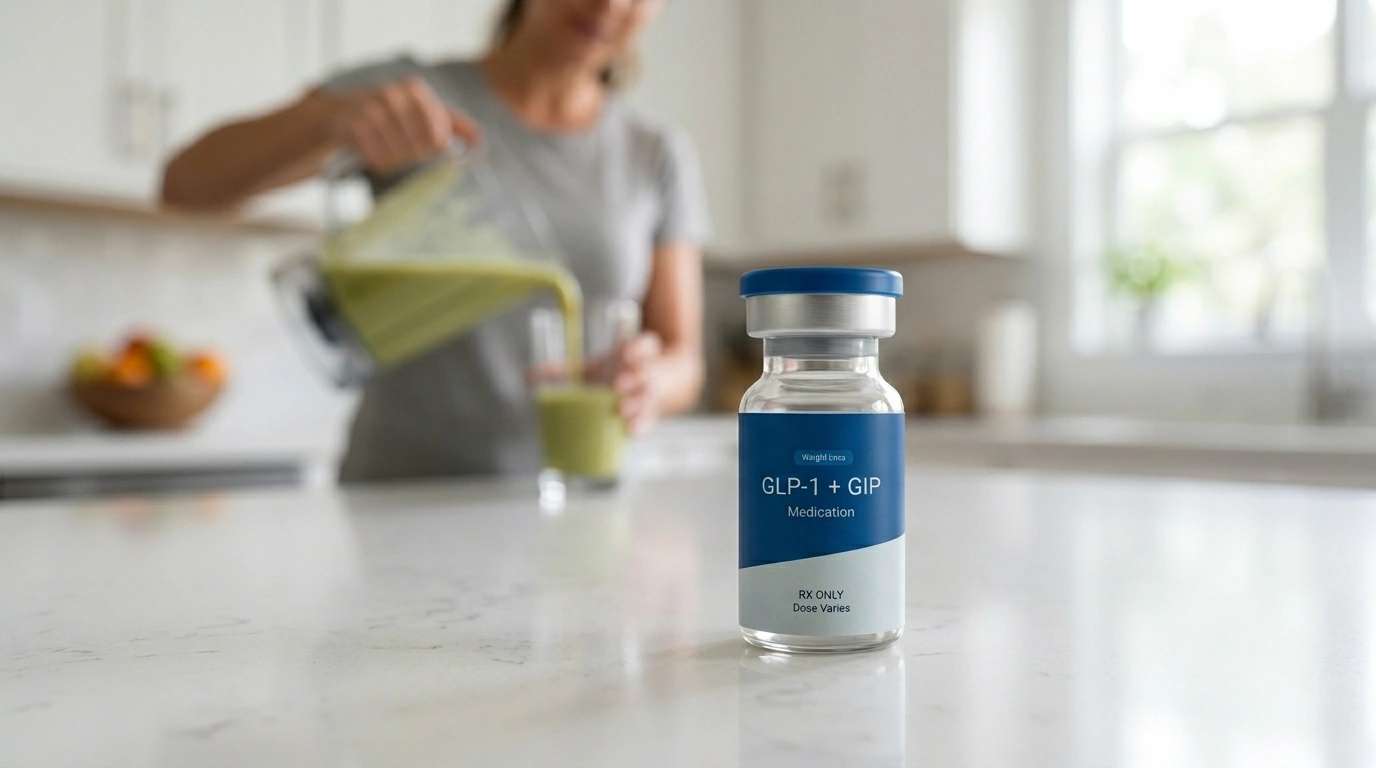
Table of Contents
- Introduction
- The Biological Reality of Weight Management
- Why the Weight Returns: The “Food Noise” Factor
- Metabolic Adaptation and the “Set Point”
- Clinical Findings on Weight Regain
- How to Minimize Regain After Stopping
- The Role of Personalized Support
- Supplements for the Transition
- Steps to Take Before You Stop
- Understanding the “Chronic Disease” Model
- How TrimRx Supports Your Journey
- Conclusion
- FAQ
Introduction
Finding a weight loss solution that finally works can feel like a massive weight has been lifted—both literally and figuratively. However, for many individuals using Zepbound®, a common anxiety begins to surface as they reach their goal weight: “What happens when I stop?” The fear of the “rebound” or regaining the weight is a valid concern that many of our community members share. At TrimRx, we believe that understanding the biological “why” behind weight regain is the first step in creating a sustainable, long-term plan for health. This article will explore the physiological mechanisms of weight regain after discontinuing GLP-1 and GIP receptor agonists, the role of metabolic adaptation, and how a personalized approach to maintenance can help you preserve your results. Successful weight management is a lifelong journey, not a temporary destination. If you want a practical overview of that transition, start with our stopping Zepbound transition guide.
The Biological Reality of Weight Management
To understand why weight often returns after stopping a medication like Zepbound®, it is essential to first understand how the body views weight. The human body has evolved over millennia to survive periods of famine. To our biology, losing a significant amount of weight looks like a threat to survival. When you lose weight, your body often triggers “compensatory mechanisms” designed to pull you back to your previous weight, often referred to as your “set point.”
Zepbound® is a branded medication that contains the active ingredient tirzepatide. It is a dual agonist, meaning it mimics two natural hormones in the body: glucagon-like peptide-1 (GLP-1) and glucose-dependent insulinotropic polypeptide (GIP). These hormones work together to regulate appetite, slow stomach emptying, and improve how the body processes sugar and fat. While the medication is active in your system, it effectively “mutes” the biological signals that tell you to eat more and store more energy.
The Role of GIP and GLP-1
GLP-1 (Glucagon-like peptide-1) is a hormone produced in the gut that signals the brain to feel full. It also slows down gastric emptying, meaning food stays in your stomach longer, helping you feel satisfied with smaller portions. GIP (Glucose-dependent insulinotropic polypeptide) is another hormone that, when combined with GLP-1, appears to enhance the body’s ability to break down fats and regulate blood sugar more effectively than GLP-1 alone.
When an individual takes this medication, these synthetic hormones are present at much higher levels than the body naturally produces. This creates a powerful environment for weight loss. However, these medications do not “fix” the underlying metabolic pathways permanently. Instead, they manage them. When the medication is discontinued, the synthetic hormonal support disappears, and the body’s natural, often “louder” signals for hunger and fat storage return.
Quick Answer: Weight regain after stopping Zepbound® occurs because the medication manages the chronic biological drivers of obesity rather than curing them. When the medication is removed, hunger hormones return to their baseline, and the body’s natural “set point” attempts to return the individual to their previous weight.
Why the Weight Returns: The “Food Noise” Factor
One of the most profound effects reported by individuals on tirzepatide is the disappearance of “food noise.” Food noise refers to the constant, intrusive thoughts about food, cravings, and the internal “chatter” that makes it difficult to stop eating or to choose healthier options. If that mental quiet sounds familiar, our food noise and GLP-1 explainer breaks down why it matters so much.
Research suggests that this noise is a biological signal, not a lack of willpower. For many people with obesity, the brain’s reward centers and hunger signals are hyper-reactive. Zepbound® calms this reactivity. When the medication is stopped, the food noise often returns, sometimes with greater intensity. This is because the body is attempting to “rescue” itself from what it perceives as a state of starvation (the weight loss).
The Return of Ghrelin
As weight is lost, the body often increases the production of ghrelin, known as the “hunger hormone.” Simultaneously, levels of leptin, the hormone that tells the brain you have enough fat stored and are full, tend to decrease. This hormonal imbalance creates a “perfect storm” for weight regain. While on the medication, these signals are suppressed. Without it, the individual may feel a level of hunger that is physically and mentally difficult to ignore, leading to an increase in caloric intake.
Metabolic Adaptation and the “Set Point”
The human body is remarkably efficient at maintaining homeostasis. When you lose weight, your resting metabolic rate (RMR)—the number of calories your body burns just to stay alive—often drops. This is known as metabolic adaptation. If you’re interested in how that slowdown can show up on the scale, see our Zepbound plateau explanation.
Why does RMR drop?
- Less Mass: A smaller body requires less energy to move and maintain.
- Efficiency: The body becomes more “efficient” at using energy because it wants to conserve what it has.
- Muscle Loss: During rapid weight loss, some individuals may lose muscle mass along with fat. Since muscle is more metabolically active than fat, losing it slows the metabolism further.
When someone stops taking Zepbound®, they may find that they are now burning significantly fewer calories than they were before they started their weight loss journey. If they return to the eating habits they had previously, or even if they eat a “normal” amount of food, they may be in a caloric surplus because their metabolism has not yet adjusted to the new weight.
Key Takeaway: Obesity is increasingly recognized by the medical community as a chronic, relapsing disease. Just as blood pressure medication is used to manage hypertension long-term, GLP-1 and GIP medications are often intended for long-term use to keep metabolic signals in balance.
Clinical Findings on Weight Regain
Clinical studies have provided a clear picture of what happens when tirzepatide is discontinued. In major clinical trials, participants were monitored after stopping the medication to see how their bodies responded.
In one notable study, participants who took tirzepatide for 36 weeks achieved significant weight loss. At that point, one group continued the medication while the other group was switched to a placebo. The group that switched to the placebo regained a substantial portion of the weight they had lost over the following year, while the group that stayed on the medication continued to maintain or lose more weight. For a deeper look at what the research shows after stopping treatment, our tirzepatide discontinuation research summary is a helpful companion read.
What these studies tell us:
- Weight regain is not a personal failure; it is a predictable biological response.
- The medication is most effective when viewed as a long-term management tool.
- Transitioning off the medication requires a highly structured plan to mitigate the body’s natural urge to regain weight.
How to Minimize Regain After Stopping
While the risk of regain is high, it is not an absolute certainty for everyone. Some individuals may be able to maintain their weight through a combination of lifestyle changes, tapering, or metabolic support. However, this must be done under the guidance of a healthcare provider.
The Importance of Tapering
Abruptly stopping a GLP-1 or GIP medication can lead to a sudden surge in hunger and a rapid return of food noise. Some providers may suggest a “tapering” approach, where the dosage is slowly reduced over time. This may allow the body more time to adjust its natural hormone production and give the individual time to reinforce the behavioral habits they developed while on the medication.
Preserving Muscle Mass
One of the best defenses against a slowing metabolism is maintaining and building muscle mass. Resistance training (lifting weights or using bodyweight exercises) is critical during and after a weight loss journey. By preserving muscle, you keep your resting metabolic rate higher, which makes it easier to maintain a caloric balance once the medication is stopped.
Prioritizing Protein and Fiber
When the medication no longer slows down your digestion, you must rely on nutrition to provide satiety.
- Protein: Takes longer to digest and triggers the release of natural satiety hormones.
- Fiber: Adds bulk to the diet and slows digestion, helping to mimic the gastric slowing effects of the medication.
Bottom line: Stopping Zepbound® without a transition plan often leads to weight regain because the medication was providing a hormonal “floor” for your metabolism. To succeed without it, you must focus on muscle preservation and aggressive hunger management through nutrition.
The Role of Personalized Support
Every metabolism is different. A “one-size-fits-all” approach to stopping a weight loss medication is rarely successful. This is where a platform like TrimRx can offer significant value. We connect individuals with licensed healthcare providers who understand the nuances of GLP-1 and GIP therapy.
Our approach focuses on a personalized program that considers your medical history, your goals, and your unique metabolic profile. Whether you are currently on a branded medication like Zepbound® and looking for long-term support, or you are considering alternatives like Compounded Tirzepatide, we provide the tools needed for sustainable success. If you’re not sure whether a prescription program is the right next step, you can take the free assessment quiz to see what fits your situation.
Compounded Alternatives and Long-Term Access
For many, the decision to stop Zepbound® is not a choice but a necessity due to cost, insurance changes, or supply shortages. Compounded Tirzepatide can be a more accessible way for some patients to continue their treatment. While compounded medications are not FDA-approved in the same way branded drugs are, they provide an option for those who need to maintain their progress under the supervision of a provider. If you want more detail on how that transition can look, our weight regain after tirzepatide guide covers the practical considerations.
Supplements for the Transition
During the weight loss journey or when transitioning to a maintenance phase, supporting your body’s nutritional needs is vital. We offer quick-access supplements that do not require a prescription or a medical quiz.
GLP-1 Daily Support is designed specifically for individuals on GLP-1 or GIP therapies. It helps provide the essential nutrients that might be lacking when caloric intake is low and supports overall metabolic health. Additionally, Weight Loss Boost can provide supplemental support for energy and metabolism as you navigate your journey.
Steps to Take Before You Stop
If you are considering stopping your medication, do not do so alone. Follow these steps to ensure you have the best chance of maintaining your hard-earned results.
- Step 1: Consult your provider. / Discuss your reasons for stopping and ask for a structured tapering or maintenance plan.
- Step 2: Evaluate your nutrition. / Ensure you are hitting protein and fiber targets to manage hunger naturally.
- Step 3: Increase resistance training. / Focus on building muscle to support your resting metabolic rate.
- Step 4: Monitor your “food noise.” / Be honest about the return of cravings and have a plan in place to address them before they lead to significant regain.
Note: It is critical to consult with a licensed healthcare professional before making any changes to your medication schedule. Stopping “cold turkey” can lead to uncomfortable gastrointestinal symptoms and a rapid return of appetite.
Understanding the “Chronic Disease” Model
The most important shift in thinking is moving away from the idea that weight loss medications are a “quick fix.” If we treat obesity as a chronic condition—similar to how we treat asthma or Type 2 diabetes—the idea of long-term medication use becomes more understandable.
We don’t expect someone to stop their blood pressure medication once their pressure is normal and expect it to stay that way forever. The medication is what is keeping the pressure normal. For many people, GLP-1 and GIP medications work the same way. They provide the biological environment necessary for the body to maintain a healthy weight.
How TrimRx Supports Your Journey
Our mission at TrimRx is to help individuals embrace healthier lifestyles through a transparent, science-backed approach. We understand that the fear of regaining weight is one of the biggest hurdles in weight management. That is why our platform is designed to provide ongoing support, not just a one-time prescription.
Through our telehealth-first model, you have 24/7 access to specialists who can help you navigate dosage changes, side effect management, and the eventual transition to maintenance. We provide a comprehensive service that includes doctor consultations and lab work, ensuring that your program is always tailored to your body’s changing needs. If you’re thinking about whether ongoing treatment is appropriate, complete the intake quiz before you make a decision.
Key Takeaway: Sustainable weight loss is about more than just a number on the scale; it is about metabolic health. By focusing on a personalized program that includes medical supervision and nutritional support, you can break the cycle of “yo-yo” dieting.
Conclusion
Weight regain after stopping Zepbound® is a biological response to the loss of hormonal regulation. When the medication is discontinued, hunger hormones increase, metabolic rate may slow, and the intrusive “food noise” often returns. However, understanding these mechanisms allows you to prepare. By focusing on muscle preservation, tapering under medical supervision, and utilizing personalized support from TrimRx, you can create a strategy for long-term health. Our goal is to empower you with the science and empathy needed to maintain your results for life. If you want to see whether a treatment plan makes sense for you now, see if you qualify with the free assessment quiz.
FAQ
Why does “food noise” come back so quickly after stopping Zepbound®?
Food noise returns because the medication is no longer presence to suppress the brain’s hunger and reward signals. Without the synthetic GLP-1 and GIP hormones, your body’s natural ghrelin levels rise, signaling the brain to seek out energy-dense foods to “protect” against the weight loss it has experienced. For more context, the food noise and GLP-1 article explains the mental side of that shift.
Can I maintain my weight loss after stopping a GLP-1 medication with just diet and exercise?
While it is possible for some, clinical data shows that a majority of individuals regain weight when they stop the medication because the underlying metabolic drivers remain. Success without medication requires an extremely high level of consistency with high-protein nutrition, resistance training, and careful monitoring of caloric intake to match a potentially slower metabolism.
Is it better to stay on a low “maintenance” dose forever?
For many patients, a low maintenance dose is the most effective way to prevent weight regain while minimizing side effects. Obesity is often a chronic condition that requires long-term management; your healthcare provider can help determine the lowest effective dose to keep your metabolic health on track without continuing active weight loss. If you’re unsure whether continuing treatment is appropriate, take the intake quiz here.
Will I regain all the weight I lost?
Not necessarily, but studies show that many people regain a significant portion (often two-thirds or more) within a year of stopping. The amount of regain depends on individual biology, how much muscle mass was maintained, and whether the individual has a structured transition plan that includes behavioral and nutritional changes. Our maintenance and regain guide breaks down what that can look like in practice.
Disclaimer: This content is for informational purposes only and does not constitute medical advice. It is not intended to diagnose, treat, cure, or prevent any disease or condition. Individual results may vary. Always consult a qualified healthcare professional before starting any weight loss program or medication.

Transforming Lives, One Step at a Time
Keep reading

Why Is There a Bruise Where I Injected My Zepbound?
A bruise means a small blood vessel was disturbed under the skin and blood spread into the surrounding tissue. It is one of the…

My Zepbound Pen Won’t Click Past a Certain Dose
Start by checking which device you are holding, because the answer depends entirely on that. Zepbound has commonly been supplied in the United States…
Zepbound Alternatives: Your Options Compared
If Zepbound isn’t the right fit, the main alternative is semaglutide (sold as Wegovy), which produces slightly less weight loss but works similarly, along…


