Is Zepbound Safe for Heart Patients? What the Research Shows
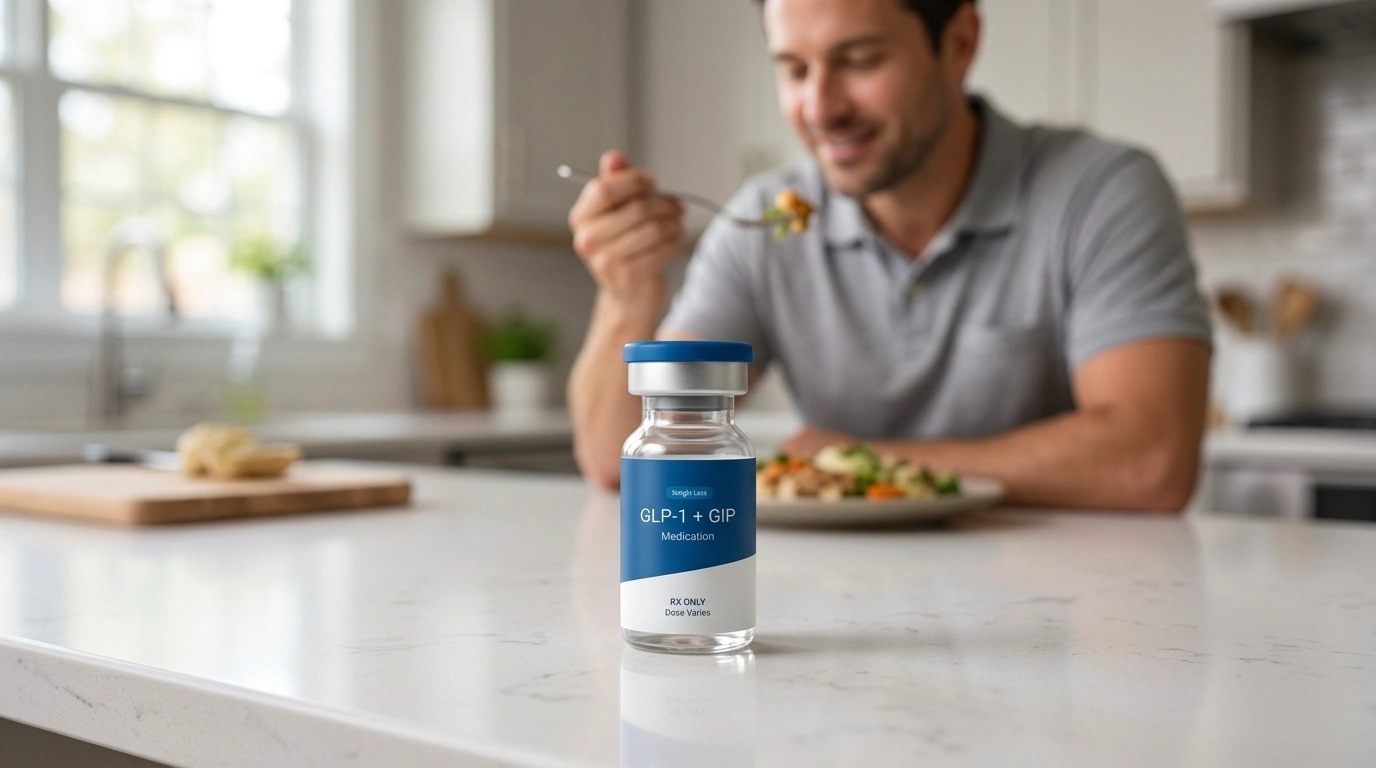
Table of Contents
- Introduction
- Understanding Zepbound and How it Works
- The Connection Between Weight Loss and Heart Health
- What Research Says About Tirzepatide and Cardiovascular Safety
- Potential Cardiac Side Effects to Discuss With a Provider
- Who Should Exercise Extra Caution?
- The Importance of Medical Supervision and Titration
- How Personalized Telehealth Programs Enhance Safety
- Supporting Your Heart During Weight Loss
- Branded vs. Compounded Options for Heart Patients
- Myths vs. Facts About GLP-1s and the Heart
- Taking the Next Step Safely
- Bottom Line on Heart Safety
- FAQ
Introduction
Managing weight while navigating a heart condition can feel like walking a tightrope. You want to improve your health, but you may worry that new medications might put extra stress on your cardiovascular system. If you have been researching Zepbound®, a medication recently approved for chronic weight management, you are likely wondering if it is a safe option for your specific situation. At TrimRx, we believe that informed patients make the best decisions for their health. This article explores the relationship between tirzepatide (the active ingredient in Zepbound) and heart health, looking at what current clinical trials suggest and how a personalized medical approach can help manage potential risks. Whether you are dealing with high blood pressure or other cardiac concerns, we aim to provide the clarity you need to discuss these options with a healthcare professional.
For additional background, you can read our overview of how Zepbound may affect cardiovascular health.
Understanding Zepbound and How it Works
Before looking at heart safety, it is helpful to understand what Zepbound is and how it functions in the body. This medication belongs to a class of drugs known as dual receptor agonists. Specifically, it mimics two hormones naturally produced by the human body: glucagon-like peptide-1 (GLP-1) and glucose-dependent insulinotropic polypeptide (GIP).
When these hormones are activated, they work together to regulate your appetite and how your body processes sugar. The GLP-1 component helps slow down stomach emptying, which makes you feel full for a longer period. It also signals the brain to reduce hunger cues. The GIP component is thought to complement these effects by further improving how the body breaks down fat and sugar.
For many individuals, this dual action leads to more significant weight loss than older medications that only target a single hormone pathway. However, because these hormones affect various systems in the body, including the heart and blood vessels, medical supervision is essential for anyone with a history of cardiac issues.
You can also review this explanation of how GLP-1 medications work for weight management.
The Connection Between Weight Loss and Heart Health
For the majority of people, losing excess weight is one of the most effective ways to support heart health. Obesity is often a primary driver of cardiovascular disease. It puts physical strain on the heart, increases the risk of high blood pressure, and contributes to unhealthy cholesterol levels.
When a person loses a significant amount of weight through a supervised program like those we support, the benefits to the heart can be substantial. Research suggests that even a 5% to 10% reduction in body weight can lead to:
- Lowered blood pressure readings, reducing the risk of stroke and heart attack.
- Improved lipid profiles, including lower triglycerides and “bad” LDL cholesterol.
- Reduced systemic inflammation, which is a known contributor to heart disease.
- Better blood sugar control, which protects the blood vessels from damage.
Because of these benefits, many cardiologists are increasingly interested in how medications like tirzepatide can be used as a tool for heart disease prevention.
For more on this topic, explore weight loss medications and cardiovascular benefits.
What Research Says About Tirzepatide and Cardiovascular Safety
The safety profile of Zepbound for heart patients is largely based on clinical trials conducted during its development. While the medication was initially approved for weight loss, the manufacturer has been specifically studying its impact on the heart.
In major clinical trials, such as the SURMOUNT program, researchers monitored thousands of participants for cardiovascular events. The data generally showed that tirzepatide did not increase the risk of major adverse cardiovascular events, such as heart attack or stroke. In fact, many participants saw improvements in their cardiovascular risk factors as a direct result of their weight loss.
Key Takeaway: Clinical evidence to date suggests that tirzepatide is generally safe from a cardiovascular standpoint for most individuals, often leading to improved heart health markers through significant weight reduction.
Furthermore, recent studies have looked at the use of tirzepatide in patients with specific conditions like heart failure with preserved ejection fraction (HFpEF). Preliminary results in these areas have been promising, suggesting that the medication may help improve exercise capacity and quality of life for certain heart patients. However, it is important to remember that every heart condition is unique.
If you are considering a prescription program, you can complete a free eligibility assessment so a licensed provider can review your health profile.
Potential Cardiac Side Effects to Discuss With a Provider
While the overall outlook is positive, medications that influence the GLP-1 and GIP pathways can have side effects that specifically involve the heart. These are usually mild, but they require careful monitoring, especially if you have a pre-existing condition.
For a closer look at one commonly discussed concern, read about Zepbound and heart palpitations.
Increased Resting Heart Rate
One of the most commonly noted cardiovascular effects of tirzepatide and similar medications is a slight increase in resting heart rate. On average, clinical trial participants saw an increase of about 1 to 3 beats per minute. For most people, this is not clinically significant. However, if you have a history of tachycardia (a fast heart rate) or certain types of arrhythmias, this is something your doctor will need to consider before starting the program.
Blood Pressure Changes
While most people experience a decrease in blood pressure as they lose weight, some may experience fluctuations during the early stages of treatment. Rapid changes in weight and fluid balance can sometimes lead to orthostatic hypotension, which is a sudden drop in blood pressure when you stand up. This can cause dizziness or lightheadedness, which may be a concern for those already taking blood pressure medications.
For related guidance, see whether Zepbound can be taken with high blood pressure.
Dehydration and Electrolyte Balance
Digestive side effects like nausea, vomiting, or diarrhea are common when starting a GLP-1 or GIP medication. If these side effects are severe, they can lead to dehydration. For a heart patient, dehydration is a serious concern because it can affect electrolyte levels—such as potassium and magnesium—which are critical for maintaining a steady heart rhythm.
Learn more about hydration during a GLP-1 weight loss program.
Who Should Exercise Extra Caution?
Not every heart patient is a candidate for Zepbound right away. Certain conditions require a more conservative approach or may mean that these medications are not appropriate for you. You should have a detailed conversation with your cardiologist or primary care provider if you have:
- A history of severe or unstable heart failure.
- A recent heart attack or stroke (typically within the last 3 to 6 months).
- Cardiac arrhythmias that are not well-controlled.
- Severe kidney disease, which can be exacerbated by dehydration.
Our personalized approach ensures that we take your full medical history into account. By taking the free assessment quiz, you provide the necessary information for a licensed provider to determine if a prescription program is the right fit for your health profile.
The Importance of Medical Supervision and Titration
One of the most effective ways to maintain safety while taking Zepbound or its compounded alternatives is through slow titration. Titration is the process of starting at a very low dose and gradually increasing it over several months.
This slow start allows your body—and your heart—to adjust to the medication. It minimizes the risk of severe digestive side effects and allows a provider to monitor your heart rate and blood pressure as the dosage changes. This is a core part of our philosophy at TrimRx. We don’t believe in a one-size-fits-all dosage; we believe in a program that moves at the speed of your body’s needs.
Note: Never attempt to increase your dosage faster than recommended by your healthcare provider. Doing so significantly increases the risk of side effects that could impact your cardiovascular stability.
How Personalized Telehealth Programs Enhance Safety
Telehealth has changed the way heart patients can access weight loss support. In the past, you might have had to wait weeks for an in-person appointment, only to spend a few minutes with a doctor. Our platform facilitates a different experience.
By using a telehealth-first model, we provide:
- Thorough Pre-Screening: The initial assessment quiz is designed to catch potential red flags in your medical history before you ever start a medication.
- Continuous Access: You have 24/7 access to a team of specialists. If you notice a change in your heart rate or feel dizzy, you can reach out for guidance immediately.
- Lab Work Coordination: Monitoring metabolic markers and kidney function is essential for heart patients. We help coordinate the necessary labs to ensure your body is responding well to the treatment.
- Consistency: Our program includes shipping and doctor consultations in one consistent package, so you never have to worry about gaps in your care or unexpected fees.
Supporting Your Heart During Weight Loss
Taking medication is only one part of the equation. To truly protect your heart while on a weight loss program, you should focus on several supportive lifestyle habits.
Hydration and Electrolytes
As mentioned, dehydration is a risk. We recommend drinking plenty of water throughout the day. For heart patients, adding an electrolyte supplement may be beneficial, but you should check with your doctor first, as some electrolytes can interact with heart medications like ACE inhibitors or diuretics.
Nutrient-Dense Eating
When you are eating less, every bite counts. Focusing on lean proteins, healthy fats, and high-fiber vegetables supports heart health and helps maintain muscle mass during weight loss. If you find it difficult to get all your nutrients due to a reduced appetite, GLP-1 Daily Support can help fill the gaps.
Monitoring Your Stats
We often encourage our participants to keep a simple log of their weight, blood pressure, and resting heart rate. Having this data ready for your telehealth consultations allows your provider to make more informed decisions about your dosage and overall progress.
Gradual Physical Activity
Exercise is vital for heart health, but it should be started gradually. If you haven’t been active, start with short walks. As the weight comes off and your energy increases, you can work with your provider to develop a more robust cardiovascular routine.
Energy Support During Weight Loss
If reduced food intake leaves you feeling low on energy, Weight Loss Boost offers an option to explore with your broader weight management plan.
Branded vs. Compounded Options for Heart Patients
When discussing weight loss medications, you will hear about branded options like Zepbound®, Wegovy®, Mounjaro®, and Ozempic®. These are FDA-approved for specific uses, such as chronic weight management or type 2 diabetes. While these are excellent options, they can sometimes face supply shortages.
This is where compounded medications come into play. Compounded Semaglutide and Compounded Tirzepatide are prepared by specialized pharmacies. It is important to understand the following:
- Compounded medications are NOT FDA-approved. While the active ingredients are well-studied, the specific compounded mixture has not gone through the same FDA brand-name approval process.
- Quality Matters: We only work with FDA-registered and inspected compounding pharmacies to ensure high standards of preparation and safety.
- Accessibility: Compounding allows patients to access treatment even when branded medications are on backorder, ensuring consistency in their weight loss program.
Whether you use a branded medication or a compounded version, the clinical mechanism remains the same, and the need for heart-health monitoring is equally important.
Myths vs. Facts About GLP-1s and the Heart
Myth: Weight loss drugs are “speed” and will give me a heart attack.
Fact: Unlike older weight loss pills that were stimulants, GLP-1 and GIP medications are hormonal analogs. They do not work by overstimulating the central nervous system, and research generally shows a neutral or positive impact on major heart events.
Myth: If I have high blood pressure, I can’t take Zepbound.
Fact: High blood pressure is often a reason to consider these medications. Losing weight is a primary treatment for hypertension. Most patients find their blood pressure improves while on the program, though medications may need to be adjusted by a doctor.
Myth: The heart rate increase is dangerous.
Fact: For most people, a slight increase in heart rate is harmless and similar to the effect of a brisk walk. However, it should be monitored by a professional to ensure it stays within a safe range for your specific condition.
Taking the Next Step Safely
If you are a heart patient, the question isn’t just “is it safe,” but “is it right for me?” The answer depends on your unique medical history, your current medications, and your weight loss goals.
At TrimRx, we are committed to a science-backed and empathetic approach. We understand the anxieties that come with managing a heart condition, and our platform is designed to provide the medical oversight necessary for a safe experience. By combining modern technology with clinical expertise, we help you navigate the complexities of GLP-1 and GIP treatments without the stress of traditional waiting rooms.
Losing weight can be a transformative step for your cardiovascular health. With the right support, the right medication, and a personalized plan, you can work toward a healthier heart and a more vibrant life.
To explore whether a personalized prescription program may be appropriate for you, find out if GLP-1 medications may be right for you.
Bottom Line on Heart Safety
Current evidence suggests that medications like Zepbound offer a favorable safety profile for many heart patients, primarily because the benefits of weight loss often outweigh the minor risks of the medication itself. However, because of potential effects on heart rate and the risk of dehydration, these drugs should only be used under the close supervision of a licensed healthcare provider who can monitor your cardiac status throughout your journey.
FAQ
Can I take Zepbound if I am on blood pressure medication?
Yes, many people take Zepbound while on blood pressure medication, but it requires close monitoring. As you lose weight, your blood pressure may naturally drop, which could require your doctor to lower the dosage of your hypertension medication to prevent it from falling too low.
Does Zepbound cause heart palpitations?
Some users report feeling heart palpitations, which may be related to the slight increase in resting heart rate caused by the medication. While often harmless, any new or worsening palpitations should be reported to your healthcare provider immediately to rule out other underlying cardiac issues. Our guide to Zepbound heart palpitations and what to do provides additional context.
Is tirzepatide better for the heart than semaglutide?
Both medications have shown significant cardiovascular benefits in clinical trials, largely due to the weight loss they facilitate. Some recent studies suggest tirzepatide might offer slightly greater improvements in certain metabolic markers, but both are considered effective tools for reducing weight-related heart risks.
How does dehydration from Zepbound affect the heart?
Dehydration can lead to a decrease in blood volume and an imbalance of essential electrolytes like potassium, which the heart needs to beat regularly. If you experience severe nausea or vomiting on the medication, it is vital to stay hydrated and consult your provider to prevent heart strain. You can review these hydration strategies for people using GLP-1 medications.
Disclaimer: This content is for informational purposes only and does not constitute medical advice. It is not intended to diagnose, treat, cure, or prevent any disease or condition. Individual results may vary. Always consult a qualified healthcare professional before starting any weight loss program or medication.

Transforming Lives, One Step at a Time
Keep reading

Kids’ Birthday Party on Zepbound
If you have young children, birthday parties are a regular part of life: your own child’s, and the steady stream of classmates’ parties most…
Water Aerobics on Zepbound
For people with painful knees, hips, or backs, water aerobics and pool exercise are often the first kind of exercise that feels possible. The…

New Year’s Eve on Zepbound
New Year’s Eve is built around staying up late. There is usually a big dinner or a party spread, drinks through the evening, champagne…


