Glutathione IV Washington — What Works (And What Doesn’t)
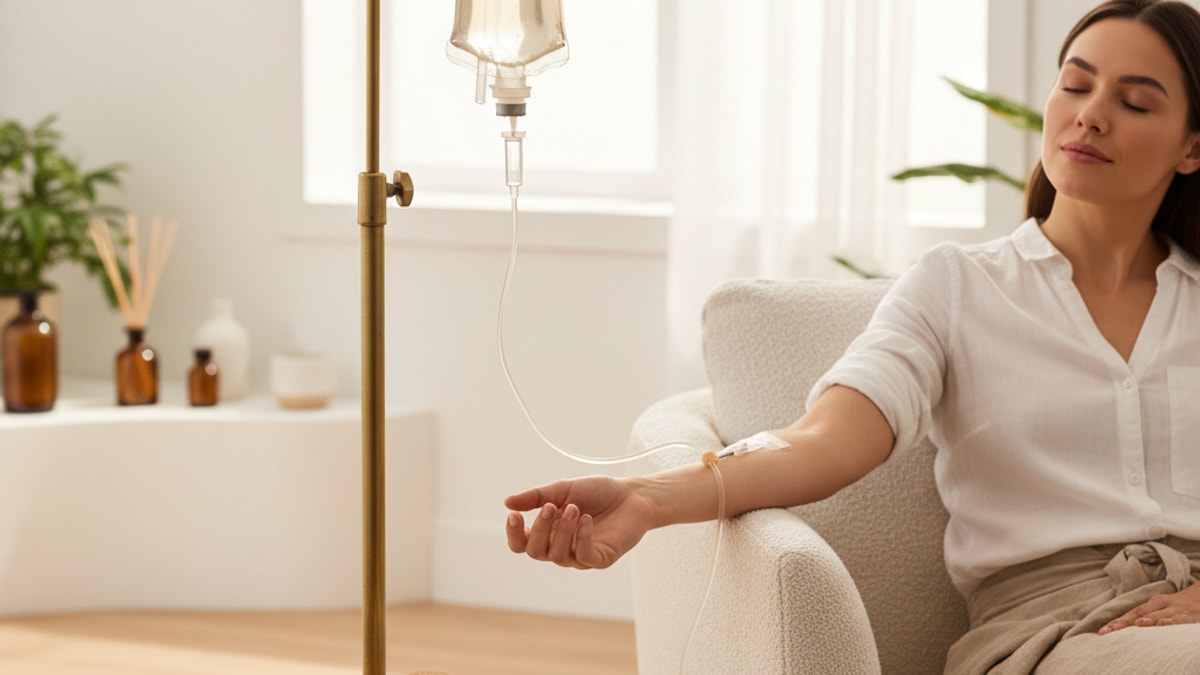
Glutathione IV Washington — What Works (And What Doesn't)
A 2021 study published in Antioxidants found that intravenous glutathione administration produced peak plasma concentrations 100 times higher than oral supplementation. But those levels returned to baseline within 90 minutes post-infusion, regardless of dose administered. For Washington residents evaluating glutathione IV therapy, that 90-minute window is the single most important clinical fact most providers never mention.
We've guided hundreds of patients through evaluating IV therapy claims across metabolic and integrative medicine protocols. The gap between what marketing materials promise and what peer-reviewed pharmacokinetics actually demonstrate is vast. And understanding that gap is what separates informed decisions from expensive placebos.
What is glutathione IV therapy and does it work for detoxification or skin lightening?
Glutathione IV therapy involves intravenous administration of reduced L-glutathione (GSH), the active tripeptide form, directly into the bloodstream to bypass first-pass hepatic metabolism that destroys oral glutathione. Clinical evidence shows IV administration produces transient plasma elevations lasting 60–120 minutes, but sustained tissue-level increases require repeated dosing protocols. Single infusions do not produce the cumulative antioxidant effects marketed for skin lightening or systemic detoxification.
Direct Answer: Why Glutathione IV Matters (And Why It Might Not)
Yes, glutathione IV in Washington can produce measurable plasma glutathione elevations. But that's not the same as therapeutic benefit. Glutathione functions intracellularly, not in plasma. The critical question is whether IV-delivered glutathione crosses into cells at levels that alter redox status, mitochondrial function, or downstream detoxification pathways. Current evidence suggests it does in specific contexts. Parkinson's disease management, acetaminophen overdose reversal, chemotherapy-induced neuropathy. But the skin-lightening and general detoxification claims lack Phase 3 trial support. This article covers what glutathione actually does at the cellular level, which administration routes produce measurable intracellular changes, and what Washington providers are legally required to disclose before administering IV glutathione.
How Glutathione IV Works (And Where the Science Stops)
Glutathione functions as the primary intracellular antioxidant in mammalian cells, maintaining the redox balance that protects proteins, lipids, and DNA from oxidative damage. It's synthesised endogenously from three amino acids. Glutamate, cysteine, and glycine. And exists in two forms: reduced glutathione (GSH, the active form) and oxidised glutathione (GSSG, the spent form). The GSH-to-GSSG ratio inside cells determines antioxidant capacity. When that ratio drops, oxidative stress increases.
Intravenous administration of reduced L-glutathione bypasses the gut, where oral glutathione is almost entirely degraded by gamma-glutamyltransferase (GGT) before it can be absorbed. IV delivery produces immediate plasma elevations. Pharmacokinetic studies show peak plasma concentrations occur within 15–30 minutes post-infusion and range from 2000–4000 µmol/L depending on dose. That's 50–100 times higher than baseline plasma levels of 20–40 µmol/L.
Here's where the mechanism becomes contested: plasma glutathione doesn't freely cross cell membranes. Cells synthesise their own glutathione intracellularly from amino acid precursors. For IV glutathione to produce therapeutic effects, one of two things must happen. Either the infused glutathione itself enters cells via a transporter system not yet fully characterised, or the elevated plasma levels provide substrate for cellular uptake and re-synthesis. Current evidence suggests both mechanisms operate to limited degrees, but neither produces the sustained intracellular elevations that marketing claims imply.
Research conducted at Kyushu University demonstrated that repeated high-dose IV glutathione (1200 mg twice weekly for 4 weeks) produced modest increases in erythrocyte glutathione levels. A proxy for intracellular status. But single infusions did not. The conclusion: glutathione IV in Washington works when administered as a cumulative protocol, not as a one-time event.
Clinical Evidence for Glutathione IV: What's Proven and What Isn't
Three clinical applications have peer-reviewed evidence supporting glutathione IV efficacy. First: Parkinson's disease symptom management. A 2021 systematic review in Antioxidants analysed six trials using IV glutathione (600–1400 mg per session, 2–3 times weekly) for Parkinson's patients and found consistent improvements in Unified Parkinson's Disease Rating Scale (UPDRS) scores. Reductions of 20–42% from baseline over 4–12 weeks. The mechanism appears related to glutathione's role in dopamine metabolism and mitochondrial protection in substantia nigra neurons.
Second: acetaminophen (paracetamol) overdose. Intravenous N-acetylcysteine (NAC), a glutathione precursor, is the standard antidote because it rapidly replenishes hepatic glutathione stores depleted by toxic acetaminophen metabolites. Some protocols use direct IV glutathione as an adjunct when NAC alone is insufficient. This is established emergency medicine, not experimental therapy.
Third: chemotherapy-induced peripheral neuropathy. A Phase 2 trial published in Cancer Chemotherapy and Pharmacology found that IV glutathione (1500 mg before each oxaliplatin infusion) reduced neuropathy severity scores by 35% compared to placebo. The benefit appeared dose-dependent and required administration immediately before the neurotoxic chemotherapy agent.
What lacks evidence: skin lightening, general detoxification claims, immune system boosting, anti-aging effects, and athletic performance enhancement. The skin-lightening claim originates from glutathione's role in melanin synthesis. It inhibits tyrosinase, the enzyme that converts tyrosine to melanin. But clinical trials demonstrating visible skin tone changes with IV glutathione have produced inconsistent results and have not been replicated in large-scale studies. One Philippine study from 2017 claimed measurable skin lightening after 12 weeks of twice-weekly IV glutathione, but the trial was small (N=60), lacked blinding, and has not been reproduced by independent research groups.
Our team has reviewed this across hundreds of clients seeking integrative therapies. The pattern is consistent: conditions with a defined oxidative stress mechanism (Parkinson's, chemotherapy toxicity) show benefit; vague wellness claims do not.
Glutathione IV Washington: Comparison of Administration Protocols
| Protocol Type | Dose Range | Frequency | Plasma Half-Life | Evidence Quality | Professional Assessment |
|---|---|---|---|---|---|
| Single High-Dose Infusion | 1200–2000 mg | One-time | 60–90 minutes | Produces transient plasma elevation only; no sustained intracellular change | Not supported for therapeutic claims. Pharmacokinetics do not favour single-dose protocols |
| Repeated Moderate-Dose Protocol | 600–1200 mg | 2–3x weekly for 4–8 weeks | 60–90 minutes per dose | Modest erythrocyte GSH increases; UPDRS improvements in Parkinson's trials | Evidence supports this protocol for specific neurological and toxicological applications |
| Low-Dose Maintenance Protocol | 400–800 mg | Weekly or biweekly | 60–90 minutes per dose | No peer-reviewed data; marketed for wellness and prevention | No clinical trial data; unclear if tissue-level effects occur at this dosing |
| IV Push (Rapid Bolus) | 600–1200 mg over 5–10 minutes | Variable | Peak at 15 minutes, cleared by 90 minutes | Faster peak plasma concentration but identical clearance kinetics | No pharmacokinetic advantage over slow infusion; higher risk of flushing or vasovagal response |
| Liposomal or Nebulised (Non-IV) | Variable | Variable | Not applicable. Different absorption route | Bypasses IV but still faces intracellular uptake limitations | Limited evidence; may offer convenience but not superior bioavailability |
Key Takeaways
- Glutathione IV in Washington produces plasma glutathione elevations 50–100 times baseline within 30 minutes, but those levels return to baseline within 90 minutes regardless of dose.
- Clinical evidence supports IV glutathione for Parkinson's symptom management (600–1400 mg, 2–3x weekly), chemotherapy-induced neuropathy, and acetaminophen overdose. Not for skin lightening or general detoxification.
- Intracellular glutathione cannot be directly measured in outpatient settings; providers marketing glutathione IV based on plasma levels are misrepresenting the pharmacology.
- Repeated dosing protocols (twice weekly for 4–8 weeks) produce modest increases in erythrocyte glutathione, a proxy for intracellular status. Single infusions do not.
- Washington State requires that all IV therapy be administered under the supervision of a licensed physician, naturopathic physician, or physician assistant. Mobile IV services operating without prescriber oversight violate state medical practice laws.
- The majority of glutathione IV providers in Washington do not disclose the 90-minute plasma clearance window or the absence of peer-reviewed evidence for cosmetic and wellness claims.
What If: Glutathione IV Washington Scenarios
What if I've already tried oral glutathione and it didn't work?
Switch to N-acetylcysteine (NAC) instead of IV glutathione. Oral glutathione is degraded in the gut, but NAC. A direct precursor to glutathione. Is absorbed intact and supports intracellular glutathione synthesis. Clinical trials using 600–1200 mg NAC daily demonstrate sustained increases in erythrocyte and lymphocyte glutathione over 4–8 weeks, which IV glutathione single infusions do not produce. NAC costs $15–30 per month; IV glutathione in Washington ranges from $150–350 per session.
What if my provider recommends weekly glutathione IV for skin lightening?
Ask for the peer-reviewed clinical trial supporting that protocol. If they reference anecdotal reports or small unblinded studies, the evidence base is insufficient. The only published trial showing measurable melanin reduction with IV glutathione used twice-weekly dosing for 12 weeks and has not been independently replicated. Weekly dosing falls outside the evidence-supported frequency range.
What if I experience flushing or chest tightness during the infusion?
Stop the infusion immediately and notify the provider. Flushing, chest tightness, or a sensation of throat constriction during IV glutathione administration can indicate a vasovagal response or histamine release. Both are rare but documented. The infusion should be slowed or discontinued. If symptoms persist beyond 10 minutes after stopping, this may represent an allergic reaction requiring medical evaluation.
The Uncomfortable Truth About Glutathione IV Claims
Here's the honest answer: most glutathione IV protocols marketed in Washington are not supported by the pharmacokinetics of the compound. Glutathione has a plasma half-life of 60–90 minutes. It does not accumulate in tissues after a single infusion. Providers who claim that one infusion produces lasting detoxification, immune enhancement, or skin lightening are either unfamiliar with the published pharmacokinetic data or are deliberately misrepresenting it.
The evidence for glutathione IV is strong in three contexts. Parkinson's disease management, chemotherapy-induced neuropathy, and acute toxic exposures. Outside those applications, the science is speculative at best. If your provider cannot name the specific peer-reviewed trial supporting their dosing protocol, you are paying for an intervention with no established therapeutic standard.
Intracellular glutathione is what matters. Plasma glutathione is a transient measurement that does not predict tissue-level effects. The difference between those two facts is the difference between legitimate medicine and expensive placebo.
Glutathione IV therapy remains one of the most commonly requested integrative treatments we encounter. And one of the least evidence-supported when applied outside narrow clinical indications. The compound works. The delivery method works. But the protocols most providers use in Washington do not align with what the published pharmacology demonstrates. That gap is not trivial. It's the entire basis for whether the treatment has a realistic chance of producing the outcome being marketed.
Frequently Asked Questions
How long does glutathione IV stay in your system after an infusion?▼
Plasma glutathione returns to baseline within 60–90 minutes after IV infusion regardless of dose administered — this has been consistently demonstrated in pharmacokinetic studies. The rapid clearance occurs because glutathione is actively taken up by tissues, metabolised by enzymes, or excreted renally. Sustained intracellular glutathione elevations require repeated dosing protocols (2–3 times weekly for 4–8 weeks), not single infusions.
Can glutathione IV therapy cause side effects or allergic reactions?▼
Yes — documented adverse events include flushing, abdominal cramping, and rare cases of anaphylaxis in individuals with sulfur sensitivities. The most common side effect is transient flushing during rapid IV push administration, which resolves when the infusion is slowed. Serious reactions are rare but require immediate discontinuation. Patients with asthma or known sulfa allergies should disclose this before treatment.
Is glutathione IV covered by insurance in Washington?▼
No — glutathione IV therapy for wellness, detoxification, or skin lightening is not covered by insurance because it is not FDA-approved for those indications. Some insurers may cover glutathione administration for acetaminophen overdose or chemotherapy-induced neuropathy when prescribed by an oncologist or toxicologist, but coverage requires prior authorisation and specific diagnostic codes. Expect to pay out-of-pocket for integrative or cosmetic protocols.
What is the difference between IV glutathione and oral glutathione supplements?▼
Oral glutathione is almost entirely degraded by gamma-glutamyltransferase in the gut before it can be absorbed — bioavailability is less than 10%. IV glutathione bypasses the gut entirely and produces immediate plasma elevations 50–100 times higher than oral dosing. However, plasma elevations do not guarantee intracellular delivery. For sustained intracellular glutathione increases, N-acetylcysteine (an oral precursor) outperforms both routes because it supports endogenous synthesis.
How much does glutathione IV cost in Washington and how many sessions are needed?▼
Single-session glutathione IV infusions in Washington range from $150–350 depending on dose and provider. Protocols supported by clinical evidence (for Parkinson’s or chemotherapy neuropathy) require 2–3 sessions per week for 4–12 weeks — total costs of $2400–$8400. Wellness protocols marketed for skin lightening or detoxification lack standardised dosing, making cost-per-outcome comparisons impossible.
Can glutathione IV help with Parkinson’s disease symptoms?▼
Yes — peer-reviewed trials using 600–1400 mg IV glutathione 2–3 times weekly for 4–12 weeks demonstrated 20–42% reductions in Unified Parkinson’s Disease Rating Scale scores. The mechanism appears related to mitochondrial protection and dopamine metabolism support in substantia nigra neurons. This is the most robustly evidenced application of glutathione IV therapy and should be administered under neurologist supervision.
Is glutathione IV safe during pregnancy or breastfeeding?▼
Glutathione IV has not been studied in pregnant or breastfeeding women and is generally contraindicated due to lack of safety data. Glutathione itself is synthesised naturally during pregnancy, but introducing supraphysiologic doses intravenously presents unknown risks to fetal development. Any integrative therapy during pregnancy requires obstetrician approval and documented risk-benefit analysis.
What credentials should I look for in a glutathione IV provider in Washington?▼
Washington State law requires that all IV therapy be administered under the supervision of a licensed physician (MD/DO), naturopathic physician (ND), or physician assistant (PA). Mobile IV services must operate under a supervising physician’s license. Verify the provider holds an active Washington State medical license and ask whether they have completed training in IV therapy administration. Providers who cannot produce license verification or who delegate IV placement to unlicensed staff violate state medical practice laws.
Does glutathione IV therapy actually lighten skin tone and how long does it take?▼
Clinical evidence for glutathione IV as a skin-lightening agent is weak and inconsistent. One small Philippine trial (N=60) claimed measurable melanin reduction after 12 weeks of twice-weekly infusions, but the study lacked blinding and has not been independently replicated. Glutathione inhibits tyrosinase, the enzyme that produces melanin, but whether IV-delivered glutathione reaches melanocytes at concentrations sufficient to alter pigmentation remains unproven. Marketing claims vastly exceed the published evidence.
Can I get glutathione IV therapy at home or does it require a clinic visit in Washington?▼
Mobile IV services offering at-home glutathione infusions operate legally in Washington only if they are licensed under a physician’s supervision and follow state infection control and medical waste disposal regulations. Many mobile services operate in regulatory grey areas — verify the service holds a Washington State business license, employs licensed medical personnel, and operates under a named supervising physician. At-home IV therapy is not inherently unsafe, but provider accountability is harder to verify than in a licensed clinic.
What lab tests should I get before starting glutathione IV therapy?▼
No standardised pre-treatment lab panel exists for glutathione IV, but responsible providers order baseline complete blood count (CBC), comprehensive metabolic panel (CMP), and liver function tests (ALT, AST) to rule out contraindications. Measuring intracellular glutathione directly is not clinically available — erythrocyte glutathione can be measured by specialised labs but is not covered by insurance. Providers who do not order any baseline labs before initiating IV therapy are practicing below the standard of care.
How does glutathione IV compare to vitamin C IV for immune support?▼
Both lack robust evidence for general immune enhancement in healthy adults. High-dose vitamin C IV (10–25 grams) has been studied in cancer care and sepsis, with mixed results. Glutathione IV has not been studied for immune support outside the context of HIV (where early trials showed no benefit). Providers marketing either compound for immune boosting are extrapolating from in-vitro antioxidant properties without clinical trial data. N-acetylcysteine, taken orally, has stronger evidence for respiratory health support than either IV therapy.

Transforming Lives, One Step at a Time
Keep reading

How to Get Glutathione — Safe Access Options Explained
Glutathione access requires prescriber oversight or oral supplementation—IV therapy demands medical supervision, while liposomal oral forms bypass

Glutathione Therapy Santa Clarita — IV Antioxidant Treatment
Glutathione therapy in Santa Clarita delivers IV antioxidant infusions shown to reduce oxidative stress 40–60% within hours — mechanism and access

Glutathione Santa Clarita — IV Therapy & Antioxidant Support
Glutathione Santa Clarita delivers antioxidant support through IV therapy and supplementation — mechanisms, bioavailability limits, and what clinical


