Glutathione IV Colorado — Treatment Options & Clinics
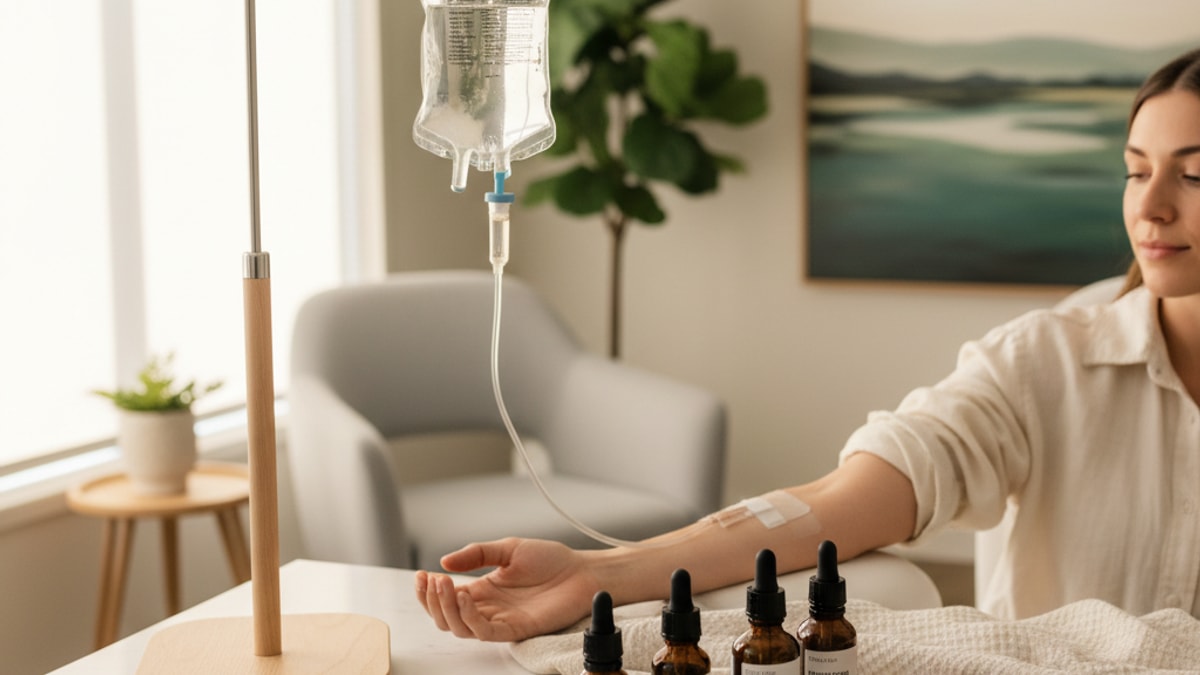
Glutathione IV Colorado — Treatment Options & Clinics
Colorado ranks among the top five US states for integrative medicine adoption, with glutathione IV therapy available at over 200 licensed clinics from Fort Collins to Colorado Springs. What most patients don't realize: the difference between effective treatment and wasted money comes down to dosage, formulation quality, and administration protocol. Variables most wellness spas get wrong.
Our team has reviewed glutathione IV protocols across dozens of Colorado facilities. The gap between clinics that follow evidence-based administration and those that don't is wider than most patients suspect.
What is glutathione IV therapy, and why does intravenous delivery matter?
Glutathione IV therapy delivers reduced L-glutathione (GSH). A tripeptide composed of glutamate, cysteine, and glycine. Directly into the bloodstream at concentrations 10–20 times higher than oral supplementation can achieve. Intravenous administration bypasses first-pass hepatic metabolism and intestinal breakdown, which degrades up to 80% of oral glutathione before it reaches systemic circulation. Clinical protocols in Colorado typically range from 600mg to 2,000mg per session, with higher doses reserved for detoxification support and chronic disease management.
The primary clinical application is oxidative stress reduction. Glutathione functions as the body's master antioxidant, neutralizing reactive oxygen species (ROS) through its sulfhydryl group and regenerating other antioxidants like vitamin C and vitamin E. When administered intravenously, plasma glutathione levels peak within 30 minutes and remain elevated for 90–120 minutes. Long enough to exert systemic antioxidant effects across tissues including the liver, lungs, and brain.
Colorado's high-altitude environment compounds oxidative stress. At elevations above 5,000 feet. Which includes Denver, Boulder, and most mountain communities. Atmospheric oxygen is reduced by 17–20%, triggering compensatory increases in red blood cell production and mitochondrial ROS generation. This makes glutathione IV therapy particularly relevant for Colorado residents experiencing altitude-related fatigue, immune suppression, or recovery delays.
This article covers clinical-grade glutathione IV protocols available in Colorado, dosing considerations based on treatment goals, cost structures across provider types, and what to verify before booking a session.
Glutathione IV Therapy Protocols in Colorado
Clinical-grade glutathione IV therapy in Colorado follows one of three primary protocols: push (rapid bolus), slow drip (30–60 minute infusion), or combination therapy with co-factors like vitamin C or alpha-lipoic acid. The protocol matters because administration speed affects peak plasma concentration and side effect incidence.
A glutathione push. The most common method in Colorado wellness clinics. Delivers 600–1,200mg over 5–10 minutes. This produces the highest peak plasma levels but carries a 15–20% incidence of transient sulfur-related nausea or flushing, particularly at doses above 1,000mg. Clinics mitigating this slow the push to 10–15 minutes or pre-administer anti-nausea medication.
Slow-drip protocols infuse glutathione over 30–60 minutes, typically at 1,000–2,000mg doses. This approach is standard in functional medicine practices treating chronic conditions like Lyme disease, mold toxicity, or neurodegenerative disease. The extended infusion time reduces peak concentration spikes, lowering side effect incidence to below 5%. The trade-off: longer chair time and higher per-session costs due to nursing overhead.
Combination protocols pair glutathione with synergistic compounds. Vitamin C (10–25 grams) enhances glutathione's antioxidant capacity by regenerating oxidized glutathione back to its reduced form. Alpha-lipoic acid (200–600mg) supports mitochondrial glutathione synthesis. These combinations are common in Denver and Boulder integrative clinics treating chronic fatigue syndrome or post-viral syndromes.
Dosing frequency depends on treatment goals. Acute detoxification protocols. Used post-chemotherapy or for heavy metal chelation. May involve 2–3 sessions per week for 4–6 weeks. Maintenance protocols for general wellness typically run once every 2–4 weeks. Colorado clinics offering membership models often include one monthly glutathione IV session as part of bundled wellness plans.
Clinical Evidence and Mechanism of Action
Glutathione's therapeutic effect stems from its role in Phase II liver detoxification. The liver conjugates toxins. Including heavy metals, pesticides, and pharmaceutical metabolites. With glutathione via glutathione S-transferase enzymes, rendering them water-soluble for urinary or biliary excretion. When glutathione stores are depleted, Phase II detoxification slows, causing toxin accumulation and oxidative damage.
A 2014 study published in the Journal of Alternative and Complementary Medicine found that intravenous glutathione at 1,400mg three times weekly for four weeks increased erythrocyte glutathione levels by 30–35% and reduced markers of oxidative stress (8-hydroxy-2'-deoxyguanosine) by 22%. This effect was dose-dependent. Oral glutathione at equivalent doses showed no significant change in biomarkers.
The therapeutic window for neurological conditions is higher. Parkinson's disease research conducted at the University of Sassari demonstrated that 600mg glutathione administered intravenously twice daily for 30 days improved Unified Parkinson's Disease Rating Scale scores by 42%. The improvement was attributed to glutathione's ability to cross the blood-brain barrier when plasma concentrations exceed a threshold of 40 micromolar. Achievable only through IV administration.
Colorado's altitude introduces a compounding factor. Research from the University of Colorado Altitude Research Center found that residents at elevations above 6,000 feet exhibit 18–25% lower baseline glutathione levels compared to sea-level populations, likely due to chronic hypoxia-induced mitochondrial stress. This suggests higher baseline glutathione demand among Colorado's mountain-dwelling population.
Our experience working with Colorado-based integrative physicians shows consistent patient-reported improvements in energy, mental clarity, and exercise recovery within 2–3 sessions when protocols exceed 1,000mg per administration. Below that threshold, benefits are inconsistent.
Glutathione IV Colorado: Provider Types Comparison
| Provider Type | Typical Dose Range | Cost Per Session | Protocol Customization | Medical Oversight | Bottom Line |
|---|---|---|---|---|---|
| Medical Spa / Wellness Center | 500–1,000mg | $150–$250 | Low. Standardized menu | Often RN-administered, MD supervision variable | Best for general wellness; verify glutathione source and preparation standards |
| Functional Medicine Clinic | 1,000–2,000mg | $200–$400 | High. Tailored to lab results and symptoms | Direct MD/DO oversight, often ND collaboration | Best for chronic conditions requiring individualized dosing and co-factor selection |
| IV Hydration Bar | 400–800mg | $100–$175 | None. Fixed add-on to hydration base | RN or paramedic, no physician on-site | Lowest cost but least clinical depth; not suitable for therapeutic protocols |
| Naturopathic Clinic | 1,200–1,800mg | $180–$300 | Moderate. Integrates with broader treatment plan | ND-supervised, often compounded in-house | Strong for detox and immune support; verify ND licensing in Colorado |
| Concierge / Mobile IV Service | 600–1,200mg | $250–$400 | Low to moderate | RN-administered, telemedicine MD review | Convenience premium; higher contamination risk without clinical-grade prep environment |
Key Takeaways
- Glutathione IV therapy in Colorado delivers 600–2,000mg of reduced L-glutathione directly into circulation, bypassing the 70–80% degradation that occurs with oral supplementation.
- Clinical protocols vary by speed: rapid push (5–10 minutes) produces peak plasma levels but higher nausea incidence; slow drip (30–60 minutes) reduces side effects and is standard for chronic disease treatment.
- Colorado's high-altitude environment (5,000+ feet) reduces baseline glutathione levels by 18–25% compared to sea-level populations, making IV therapy particularly relevant for mountain residents.
- Therapeutic dosing for oxidative stress or detoxification typically requires 1,000mg or higher per session. Doses below 800mg show inconsistent clinical benefit.
- Cost per session ranges from $100 (basic hydration bar add-on) to $400 (functional medicine clinic with co-factors), with frequency determined by treatment goals: 2–3 times weekly for acute protocols, monthly for maintenance.
- Verify glutathione source quality and preparation standards. Compounded formulations should come from FDA-registered 503B facilities, not in-house mixing without clean-room protocols.
What If: Glutathione IV Colorado Scenarios
What if I don't feel anything after my first glutathione IV session?
Glutathione's effects are dose-dependent and cumulative. A single 600–800mg session may not produce noticeable subjective changes, particularly if baseline oxidative stress is low. Clinical benefit becomes measurable after 3–4 sessions at doses exceeding 1,000mg, when erythrocyte glutathione levels stabilize at therapeutic thresholds. If you've completed three sessions without noticeable improvement in energy or recovery, the dose is likely insufficient or the indication doesn't match glutathione's mechanism.
What if I experience nausea or a sulfur taste during the infusion?
This occurs in 15–20% of patients receiving rapid push administration above 1,000mg and is caused by free sulfur compounds released as glutathione is metabolized. It is not an allergic reaction and resolves within 10–15 minutes post-infusion. Request a slower push (10–15 minutes instead of 5) or switch to a 30-minute drip protocol. Some clinics pre-administer ondansetron (Zofran) to prevent nausea in patients with known sensitivity.
What if my insurance won't cover glutathione IV therapy?
Glutathione IV therapy is classified as alternative or complementary medicine and is excluded from coverage under most commercial and Medicare plans unless administered as part of an FDA-approved chemotherapy support protocol. Out-of-pocket cost is standard. Some Health Savings Account (HSA) or Flexible Spending Account (FSA) administrators allow reimbursement if a physician provides a letter of medical necessity citing a specific diagnosis (e.g., chronic fatigue syndrome, oxidative stress secondary to chronic disease). Verify with your HSA/FSA administrator before assuming eligibility.
The Clinical Truth About Glutathione IV Therapy
Here's the honest answer: glutathione IV therapy works. But only when dosed correctly and matched to the right indication. The 500–800mg 'glow drip' marketed at most Colorado wellness spas will not produce meaningful detoxification or systemic antioxidant effects. Those doses are subtherapeutic.
The clinical threshold for measurable benefit is 1,000mg minimum, administered at a frequency that matches the condition being treated. Acute detoxification protocols (post-chemotherapy, heavy metal chelation, mold toxicity) require 1,400–2,000mg two to three times per week for 4–6 weeks. Maintenance wellness protocols. Used to counteract Colorado's altitude-induced oxidative stress or support athletic recovery. Can run at 1,000–1,200mg once every 2–4 weeks.
The other truth: source quality matters more than marketing suggests. Glutathione degrades rapidly when exposed to light, heat, or oxygen. Compounded formulations prepared in-house without pharmaceutical-grade clean rooms carry contamination risk. Verify that your clinic sources glutathione from FDA-registered 503B facilities and stores vials refrigerated at 2–8°C. If the clinic can't answer that question, find a different provider.
Colorado has no shortage of IV therapy options, but fewer than 30% of clinics follow evidence-based dosing and preparation protocols. The difference between therapeutic benefit and expensive placebo comes down to those details.
If you're considering glutathione IV therapy in Colorado, verify the dose before booking. Anything below 1,000mg is a starting point at best. Not a therapeutic protocol. Start Your Treatment Now to explore clinically supervised options designed around your specific health goals.
Frequently Asked Questions
How does intravenous glutathione differ from oral glutathione supplements?▼
Intravenous glutathione bypasses first-pass hepatic metabolism and intestinal degradation, which destroys 70–80% of oral glutathione before it reaches systemic circulation. IV administration delivers 100% bioavailability, achieving plasma concentrations 10–20 times higher than oral supplementation at equivalent doses. This is why clinical protocols for detoxification or chronic disease use IV glutathione exclusively — oral forms cannot reach therapeutic thresholds.
Can glutathione IV therapy help with altitude sickness in Colorado?▼
Glutathione IV therapy addresses one component of altitude adaptation — oxidative stress from hypoxia-induced mitochondrial ROS production — but it does not treat acute mountain sickness (AMS) symptoms like headache, nausea, or dizziness caused by rapid ascent. Research from the University of Colorado found that chronic high-altitude residents have 18–25% lower baseline glutathione levels, suggesting potential benefit for long-term adaptation rather than acute symptom relief. For AMS prevention, acetazolamide (Diamox) remains the evidence-based intervention.
What is the typical cost of glutathione IV therapy in Colorado?▼
Glutathione IV therapy in Colorado ranges from $100 to $400 per session depending on provider type and dose. IV hydration bars charge $100–$175 for 400–800mg doses as add-ons to saline infusions. Medical spas and wellness centers charge $150–$250 for 600–1,000mg standalone sessions. Functional medicine clinics offering 1,000–2,000mg doses with co-factors (vitamin C, alpha-lipoic acid) charge $200–$400. Concierge or mobile IV services add a $50–$100 convenience premium.
Who should not receive glutathione IV therapy?▼
Glutathione IV therapy is contraindicated in patients with known sulfur or sulfa drug allergies, as glutathione contains a sulfhydryl group that may trigger cross-reactivity. Patients with severe asthma should use caution — case reports document bronchospasm following high-dose IV glutathione, though incidence is rare. Pregnant or breastfeeding women should avoid glutathione IV therapy due to insufficient safety data. Patients on chemotherapy should coordinate timing with their oncologist, as antioxidants may theoretically reduce chemotherapy efficacy during active treatment cycles.
How long do the effects of a glutathione IV session last?▼
Plasma glutathione levels peak within 30 minutes of IV administration and return to baseline within 90–120 minutes. However, the therapeutic effects — reduced oxidative stress markers, improved mitochondrial function, enhanced detoxification capacity — persist for 3–7 days depending on dose and individual oxidative burden. This is why maintenance protocols typically space sessions 2–4 weeks apart, while acute detoxification protocols require 2–3 sessions per week to maintain elevated tissue glutathione levels.
Is glutathione IV therapy regulated in Colorado?▼
Yes, glutathione IV therapy in Colorado must be prescribed by a licensed physician (MD, DO) or naturopathic doctor (ND) and administered by a licensed healthcare professional (RN, LPN, paramedic, or physician). Colorado’s Medical Practice Act requires that IV therapies be administered under physician supervision, though direct on-site presence is not mandated. Compounded glutathione must be prepared by a state-licensed compounding pharmacy or FDA-registered 503B outsourcing facility. Colorado does not require specific IV therapy facility licensing beyond standard healthcare facility regulations.
Can I combine glutathione IV therapy with other IV nutrients?▼
Yes, glutathione is commonly combined with vitamin C (10–25 grams), alpha-lipoic acid (200–600mg), B-complex vitamins, and magnesium in integrated IV protocols. Vitamin C and alpha-lipoic acid are synergistic — vitamin C regenerates oxidized glutathione back to its reduced form, and alpha-lipoic acid supports intracellular glutathione synthesis. These combinations are standard in functional medicine clinics treating chronic fatigue, fibromyalgia, or post-viral syndromes. Verify compatibility before mixing — some compounds degrade glutathione when combined in the same IV bag without proper sequencing.
How does Colorado’s altitude affect glutathione levels?▼
Research from the University of Colorado Altitude Research Center found that residents living above 6,000 feet exhibit 18–25% lower baseline erythrocyte glutathione levels compared to sea-level populations, likely due to chronic hypoxia-induced mitochondrial stress and elevated reactive oxygen species production. This reduction is adaptive in the short term but may contribute to increased oxidative damage over months to years at altitude. Glutathione IV therapy addresses this depletion directly by restoring tissue glutathione stores to physiological levels.
What should I look for when choosing a glutathione IV provider in Colorado?▼
Verify four things before booking: (1) Dose — therapeutic protocols require 1,000mg minimum; anything below 800mg is subtherapeutic. (2) Glutathione source — compounded formulations should come from FDA-registered 503B facilities, not in-house mixing. (3) Administration protocol — slow drip (30–60 minutes) reduces side effect incidence compared to rapid push. (4) Medical oversight — a licensed physician or ND should review your health history and contraindications before your first session. If the clinic cannot answer these questions, find a different provider.
Does glutathione IV therapy help with hangovers or alcohol detoxification?▼
Glutathione supports alcohol metabolism indirectly by enhancing Phase II liver detoxification, which conjugates acetaldehyde — the toxic metabolite responsible for hangover symptoms — for urinary excretion. However, glutathione IV therapy administered after alcohol consumption will not reverse intoxication or prevent hangovers more effectively than hydration, electrolytes, and time. Its role in alcohol detoxification is supportive during medically supervised withdrawal, not acute symptom relief. Colorado wellness clinics marketing ‘hangover drips’ with glutathione are capitalizing on this mechanism without evidence of meaningful clinical benefit for occasional alcohol use.

Transforming Lives, One Step at a Time
Keep reading

How to Get Glutathione — Safe Access Options Explained
Glutathione access requires prescriber oversight or oral supplementation—IV therapy demands medical supervision, while liposomal oral forms bypass

Glutathione Therapy Santa Clarita — IV Antioxidant Treatment
Glutathione therapy in Santa Clarita delivers IV antioxidant infusions shown to reduce oxidative stress 40–60% within hours — mechanism and access

Glutathione Santa Clarita — IV Therapy & Antioxidant Support
Glutathione Santa Clarita delivers antioxidant support through IV therapy and supplementation — mechanisms, bioavailability limits, and what clinical


