Does Zepbound Cause Muscle Aches? What to Know
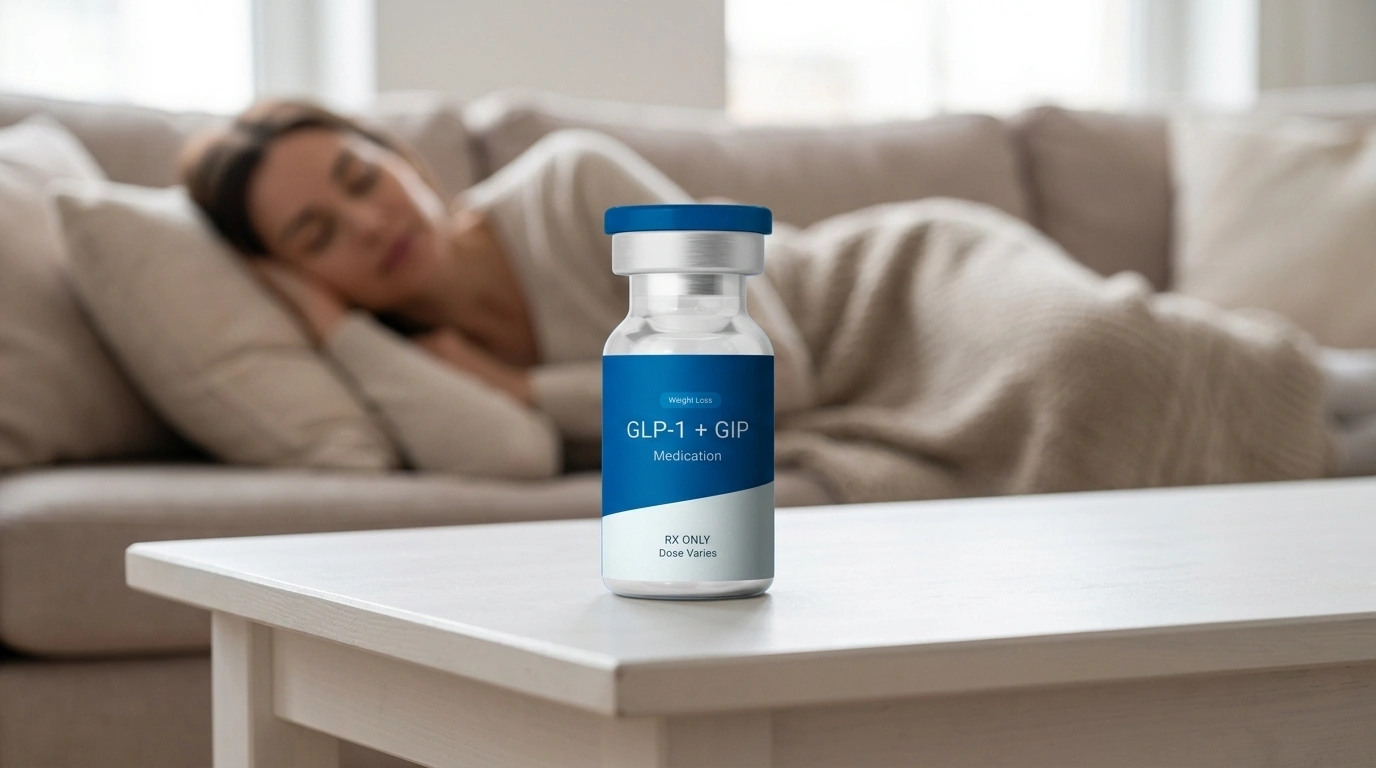
Table of Contents
- Introduction
- Understanding Zepbound and Its Mechanism
- Do Muscle Aches Appear in Clinical Data?
- Potential Causes of Muscle Aches During Treatment
- Managing Aches and Pains Effectively
- When to Contact a Healthcare Provider
- The Role of Personalized Support
- The Connection Between Supplements and Side Effect Management
- How to Get Started with a Supervised Program
- Bottom Line: Is the Discomfort Worth the Result?
- FAQ
Introduction
Starting a new medical weight loss journey often brings a mix of excitement and questions about how your body will adapt. While many people are familiar with the digestive changes associated with medications like Zepbound®, some individuals report less common symptoms, such as muscle aches or generalized body soreness. At TrimRx, we believe that understanding these physical responses is the first step toward a more comfortable and sustainable health transformation.
If you are wondering whether prescription treatment is the right fit, you can take the free assessment quiz. This post will explore whether muscle aches are a documented side effect of Zepbound®, why they might occur, and how you can manage them while staying on track with your goals. We will also discuss the role of hydration, nutrition, and professional guidance in navigating these symptoms. Understanding the connection between your medication and your musculoskeletal system can help you feel more empowered as you work toward a healthier lifestyle.
Understanding Zepbound and Its Mechanism
Zepbound® is a branded prescription medication that contains the active ingredient tirzepatide. It is the first medication in its class to act as a dual receptor agonist. This means it mimics two naturally occurring hormones in the body: glucagon-like peptide-1 (GLP-1) and glucose-dependent insulinotropic polypeptide (GIP).
For a broader look at the medication class, you can also read our what is GLP-1 overview. The GLP-1 component helps regulate appetite by signaling the brain that you are full and slowing down the rate at which the stomach empties. The GIP component is thought to further improve how the body breaks down sugar and fats. Together, these mechanisms help individuals achieve a significant calorie deficit without the intense hunger cues that often sabotage traditional dieting efforts.
While this dual action is highly effective for weight management, it also introduces a complex set of metabolic changes. As the body adjusts to new hormonal signals and a different rate of nutrient absorption, various systems—including the musculoskeletal system—may react in unexpected ways.
Do Muscle Aches Appear in Clinical Data?
When looking at the clinical trials for Zepbound®, the most frequently reported side effects are gastrointestinal in nature. These include nausea, diarrhea, vomiting, and constipation. However, a smaller percentage of participants in clinical studies did report “musculoskeletal pain” or general body aches.
Quick Answer: While not as common as digestive issues, muscle aches and back pain are reported by some individuals taking Zepbound®. These symptoms are often mild to moderate and may occur as the body adjusts to the medication or as a secondary result of rapid weight loss and dehydration.
It is important to distinguish between direct side effects of the medication and indirect symptoms caused by lifestyle changes. For many, the “aches” felt during the first few weeks of treatment are not caused by the medication attacking muscle tissue, but rather by the body’s systemic transition into a state of weight loss.
Potential Causes of Muscle Aches During Treatment
If you are experiencing muscle discomfort while taking Zepbound®, several factors could be at play. Identifying the root cause is essential for finding the right solution.
Dehydration and Electrolyte Imbalance
One of the most common reasons for muscle cramping and soreness during GLP-1 or GIP treatment is dehydration. These medications can significantly reduce your thirst drive. If you are eating less and drinking less, your body may lack the fluids necessary to keep muscle fibers lubricated and functioning correctly.
For a deeper look at hydration and weight loss, see our hydration for health guide. Furthermore, a decrease in food intake can lead to a lower intake of essential minerals like magnesium, potassium, and sodium. These electrolytes are responsible for muscle contraction and relaxation. When they are out of balance, you might experience “charley horses,” late-night leg cramps, or a general feeling of heaviness and aching in the limbs.
Rapid Metabolic Shifts and Inflammation
As your body begins to burn stored fat for energy, it undergoes a significant metabolic shift. This process can sometimes trigger a temporary inflammatory response. Some researchers suggest that as fat cells shrink, they release cytokines (signaling proteins) that can cause a mild, flu-like feeling, including dull muscle or joint aches. This is often a sign that the body is working hard to reorganize its energy stores.
Changes in Posture and Weight Distribution
Rapid weight loss changes how you carry yourself. As you lose pounds from your midsection or lower body, your center of gravity shifts. This requires different muscle groups to work harder to maintain your posture. For an individual who has carried extra weight for several years, these subtle shifts can lead to lower back pain or leg soreness as the musculoskeletal system recalibrates to a lighter frame.
For another helpful perspective on this topic, read our back pain and Zepbound guide.
Muscle Mass Loss (Sarcopenia)
When the body is in a significant calorie deficit, there is a risk that it will break down muscle tissue for energy alongside fat. This is known as muscle wasting or sarcopenia. Muscles that are being broken down often feel weak, fatigued, and achy. Ensuring adequate protein intake and engaging in resistance training are vital steps to protect your lean muscle mass during your journey.
You can also explore our protein and weight loss article for more support on preserving lean tissue.
Managing Aches and Pains Effectively
Most cases of muscle soreness associated with weight loss medications can be managed with proactive lifestyle adjustments. If you are part of a program like those offered through TrimRx, you have access to a support system that can help you fine-tune these habits.
Prioritize Hydration with Electrolytes Drinking plain water is often not enough when your appetite is low. Aim to include an electrolyte supplement or a pinch of sea salt and lemon in your water to ensure your muscles are getting the minerals they need.
Increase Protein Intake To prevent muscle breakdown, aim for a high-protein diet. Protein provides the amino acids necessary to repair and maintain muscle fibers. If you find it difficult to eat enough solid protein, consider a high-quality protein shake as a supplement.
Gentle Movement and Stretching While it may feel counterintuitive to move when you are achy, gentle stretching or walking can improve circulation. Better blood flow helps deliver nutrients to tired muscles and flushes out metabolic waste products.
Monitor Your Dosage Sometimes, muscle aches can be a sign that the dosage is being increased too quickly for your body to adapt. Your healthcare provider can help you determine if a slower titration schedule is necessary to minimize discomfort.
For additional support during treatment, our GLP-1 Daily Support supplement is designed to help fill nutrient gaps during reduced calorie intake.
Key Takeaway: Muscle aches on Zepbound® are frequently secondary symptoms related to dehydration, electrolyte loss, or rapid changes in body composition rather than a direct toxic effect of the medication.
When to Contact a Healthcare Provider
While mild muscle soreness is often a temporary hurdle, there are certain situations where you should seek medical advice immediately.
Note: If you experience severe, localized muscle pain, extreme weakness, or dark-colored urine, contact a doctor right away. These can be signs of rare but serious conditions like rhabdomyolysis (the breakdown of muscle tissue) or severe dehydration.
You should also consult your provider if:
- The pain prevents you from performing daily activities.
- The aches are accompanied by a high fever or rash.
- The discomfort does not improve with hydration and rest.
- You experience significant joint swelling.
Always remember that your telehealth provider is there to ensure your safety. They can order lab work to check your kidney function and electrolyte levels to rule out any underlying issues.
The Role of Personalized Support
Navigating the side effects of medications like Zepbound® is much easier when you aren’t doing it alone. We focus on providing a telehealth-first experience that prioritizes your comfort and safety. By connecting you with licensed providers who understand the nuances of GLP-1 and GIP therapies, we help you manage the transition smoothly.
If you are ready to see whether prescription treatment is a fit for your goals, you can complete the free assessment quiz. Our programs are designed to be comprehensive. This means we don’t just focus on the prescription; we look at your entire health profile. If you are struggling with muscle aches, our team can offer guidance on nutrition and hydration strategies tailored to your specific needs. This personalized approach ensures that you aren’t just losing weight, but doing so in a way that preserves your strength and vitality.
The Connection Between Supplements and Side Effect Management
For many individuals, adding targeted supplements can alleviate the secondary symptoms of weight loss medications. For example, our GLP-1 Daily Support supplement is designed to provide the body with essential nutrients that might be lacking during a period of reduced calorie intake.
Supplements that focus on magnesium or vitamin D can also play a role in supporting muscle health. Magnesium, in particular, is well-known for its ability to relax muscles and prevent cramping. When combined with a medically supervised program, these tools help create a “safety net” for your body as it undergoes significant change.
How to Get Started with a Supervised Program
If you are concerned about side effects like muscle aches but are ready to take the next step in your weight loss journey, a structured program is the best path forward. Here is how you can begin with us:
- Take the Assessment: Complete our free health quiz to provide information about your medical history, goals, and any current symptoms.
- Consult with a Provider: A licensed healthcare professional will review your profile to determine if a GLP-1 or GIP medication is right for you.
- Receive Your Personalized Plan: If eligible, your provider will create a treatment plan.
- Ongoing Support: You will have access to specialists who can help you manage side effects, adjust your plan, and celebrate your progress.
If you’re ready to move forward, take the free assessment quiz.
Bottom Line: Is the Discomfort Worth the Result?
For the vast majority of people, the muscle aches associated with Zepbound® are temporary and manageable. They are often a sign that the body is adjusting to a new metabolic “normal.” By staying hydrated, focusing on protein, and working closely with a clinical team, you can move past these initial hurdles.
At TrimRx, our mission is to help you embrace a healthier lifestyle through science and empathy. We understand that weight loss is a physical and emotional process. Our goal is to provide the transparent, personalized support you need to reach your goals without feeling overwhelmed by the journey.
If you want to explore a broader overview of treatment effects, you may also find our tirzepatide side effects guide helpful.
Bottom line: Muscle aches are a possible but generally manageable side effect of Zepbound® that often respond well to increased hydration, electrolyte balance, and consistent protein intake under medical supervision.
FAQ
Is it normal to feel like I have the flu after my first Zepbound injection?
Some users report a “flu-like” feeling, including body aches and fatigue, shortly after their first dose or a dose increase. This is usually a systemic response to the medication’s hormonal changes and often subsides within 24 to 48 hours as the body adapts. If the feeling persists or is accompanied by a high fever, you should contact your healthcare provider.
Can Zepbound cause back pain?
Yes, back pain is occasionally reported by individuals taking Zepbound®. This may be due to changes in posture as weight is lost rapidly or could be related to how the kidneys process the medication if the user is not staying sufficiently hydrated. It is important to monitor the location and intensity of the pain and discuss it with a clinical professional.
How can I prevent muscle loss while taking Zepbound?
To protect your muscles while losing weight, it is essential to consume adequate protein and engage in regular resistance training. For more context on lean tissue support, read our muscle and metabolic health article. These actions signal to your body that it should preserve muscle tissue and focus on burning fat stores instead.
Do muscle aches on Zepbound go away?
In most cases, yes. Muscle aches are typically most noticeable during the initial titration phase when the body is first introduced to the medication or when the dosage is increased. Once your body reaches a steady state and your lifestyle habits (like hydration) are optimized, these aches generally resolve on their own.
Disclaimer: This content is for informational purposes only and does not constitute medical advice. It is not intended to diagnose, treat, cure, or prevent any disease or condition. Individual results may vary. Always consult a qualified healthcare professional before starting any weight loss program or medication.

Transforming Lives, One Step at a Time
Keep reading

Why Is There a Bruise Where I Injected My Zepbound?
A bruise means a small blood vessel was disturbed under the skin and blood spread into the surrounding tissue. It is one of the…

My Zepbound Pen Won’t Click Past a Certain Dose
Start by checking which device you are holding, because the answer depends entirely on that. Zepbound has commonly been supplied in the United States…
Zepbound Alternatives: Your Options Compared
If Zepbound isn’t the right fit, the main alternative is semaglutide (sold as Wegovy), which produces slightly less weight loss but works similarly, along…


