Is Zepbound Single Dose Pen? Administration and Safety
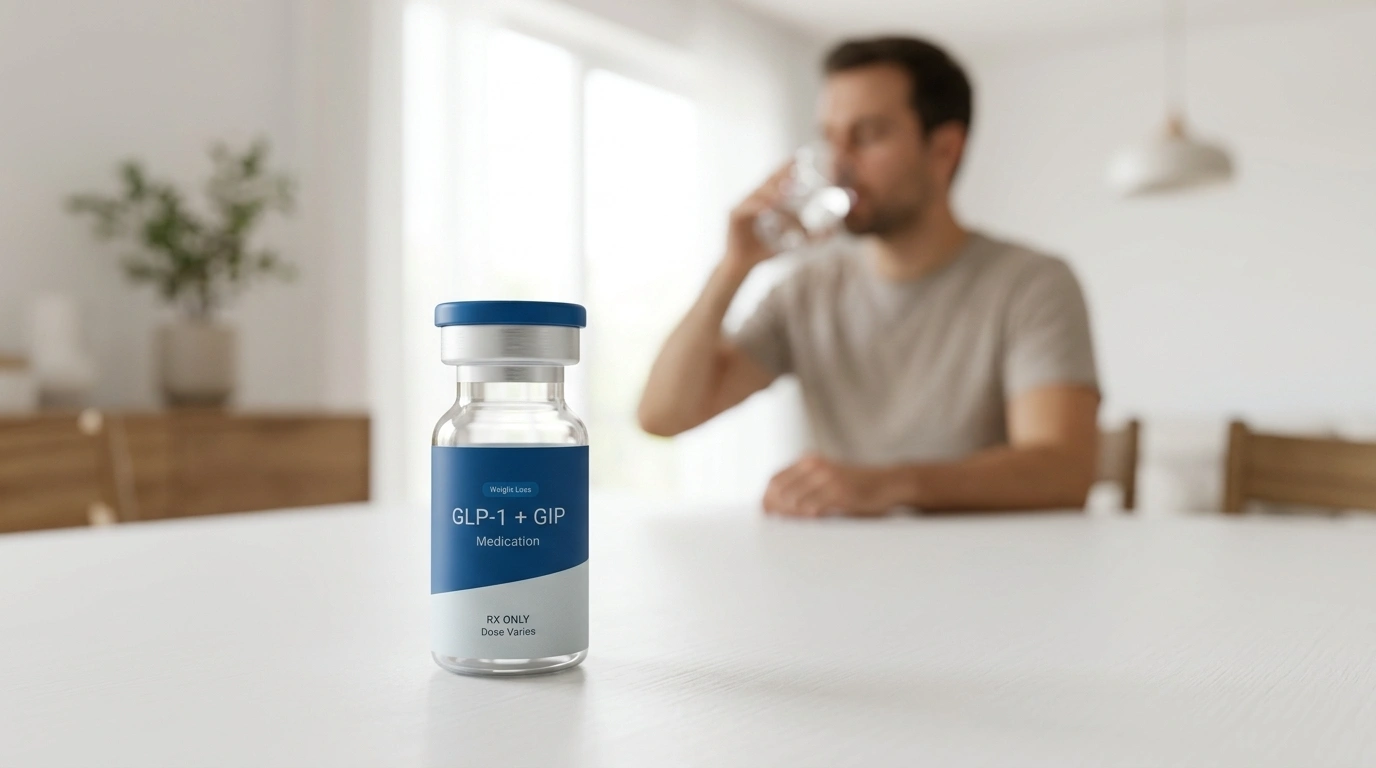
Table of Contents
- Introduction
- Understanding the Zepbound Single-Dose Pen
- The Benefits of a Single-Use Delivery System
- How Tirzepatide Supports Weight Loss
- Comparing Branded and Compounded Options
- Step-By-Step Injection Guidance
- Storage and Handling Requirements
- Navigating the Telehealth Path with TrimRx
- Managing Common Side Effects
- Optimizing Your Results
- Conclusion
- FAQ
Introduction
Starting a new medical weight loss journey often brings a mix of excitement and technical questions. For many, the first concern isn’t just about the medication’s effectiveness, but rather the practicalities of how to use it. If you have been prescribed Zepbound® (tirzepatide), you might be looking at the box and wondering about the delivery system. Specifically, is the Zepbound pen a single-dose device, or can it be used multiple times? At TrimRx, we believe that understanding the tools of your treatment is just as important as the treatment itself. Navigating the world of GLP-1 and GIP medications can feel complex, but clarity on administration helps ensure safety and confidence. This post covers everything you need to know about the single-dose pen design, how it functions, and the role of tirzepatide in modern weight management. We aim to provide the clinical clarity you need to manage your health effectively and sustainably.
Understanding the Zepbound Single-Dose Pen
Quick Answer: Yes, the Zepbound® pen is a single-dose, pre-filled medical device. Each pen contains exactly one dose of medication and is designed to be used once and then immediately discarded in a sharps container.
The design of the Zepbound® pen is centered on patient convenience and dose accuracy. Unlike some other injectable medications that require you to “dial” a dose on a multi-use pen, this device is pre-set. Each pen comes from the manufacturer with a specific strength of tirzepatide already loaded inside. Tirzepatide is a dual-acting receptor agonist that mimics two natural hormones in the body: glucagon-like peptide-1 (GLP-1) and glucose-dependent insulinotropic polypeptide (GIP). These hormones work together to regulate appetite and blood sugar.
The single-dose design serves a specific purpose. It eliminates the need for the patient to measure the liquid or attach a needle. The needle is already integrated into the device and is hidden from view until the injection occurs. This is particularly helpful for individuals who may feel anxious about needles. Because the pen is discarded after one use, there is a significantly lower risk of needle contamination or dosing errors.
For additional context on how the device compares with other delivery formats, see this guide to Zepbound single-dose pens and vials.
Key Components of the Pen
The device consists of a base cap, a lock ring, and an injection button. The base cap protects the hidden needle until you are ready to use it. The lock ring is a safety feature that prevents the injection button from being pressed accidentally. Once the lock is turned to the “unlock” position, the device is active. The injection button triggers the internal spring mechanism that delivers the medication into the subcutaneous (under the skin) fat layer.
The Benefits of a Single-Use Delivery System
When a medication is delivered via a single-dose pen, it simplifies the daily or weekly routine for the patient. For those balancing a busy lifestyle, the “one and done” nature of the device reduces the mental load of tracking how many doses are left in a single unit.
Precision is the primary advantage. Medical providers prescribe specific dosages of tirzepatide, such as 2.5mg, 5mg, or 10mg. With a single-dose pen, there is no risk of accidentally turning a dial to the wrong number. You simply use the pen that matches your current prescription.
Safety and sterility are also heightened. Every time a needle is reused or a vial is punctured multiple times, the risk of introducing bacteria increases. A single-dose, factory-sealed pen ensures that the needle and the medication remain sterile until the exact moment of delivery. Furthermore, because the needle retracts or stays hidden within the device after use, the risk of accidental needle sticks during disposal is greatly reduced.
Key Takeaway: The single-dose pen design prioritizes user safety and dosing accuracy by removing the need for manual measurement or needle handling, making it an ideal choice for home administration.
How Tirzepatide Supports Weight Loss
Understanding the delivery system is only half the battle; it is equally important to understand what is inside the pen. Zepbound® contains tirzepatide, a molecule that has changed the landscape of metabolic health.
Tirzepatide is a dual agonist. While older medications often targeted only the GLP-1 receptor, tirzepatide targets both GLP-1 and GIP receptors. GLP-1 (glucagon-like peptide-1) is a hormone released in the gut that tells the brain you are full and slows down the rate at which your stomach empties. GIP (glucose-dependent insulinotropic polypeptide) also influences appetite and how the body breaks down sugar and fat.
By activating both pathways, tirzepatide may support more significant weight loss than single-agonist medications. It helps the body respond more efficiently to insulin, reduces cravings, and promotes a feeling of satiety that lasts throughout the week. This biological support makes it easier for individuals to stick to a reduced-calorie diet and healthy lifestyle changes.
If you are considering whether a prescription weight loss program may be appropriate for you, you can complete a free eligibility assessment.
Comparing Branded and Compounded Options
While the branded Zepbound® pen is a well-known delivery method, it is not the only way to access tirzepatide. Many patients explore different avenues based on availability and personalized health needs. At TrimRx, we focus on providing a personalized experience that connects individuals with licensed providers who can determine the best course of action.
Branded Pens
The branded pens are manufactured by Eli Lilly and are FDA-approved for chronic weight management. They are widely recognized for their ease of use but can sometimes face supply chain shortages. These pens are always single-dose and cannot be refilled.
Compounded Tirzepatide
Compounded tirzepatide is another option that some patients use, especially when branded versions are in short supply. Compounded medications are not FDA-approved. However, they are prepared and shipped by FDA-registered, inspected compounding pharmacies.
Instead of a single-dose pen, compounded tirzepatide is typically provided in a multi-dose vial. The patient uses a sterile, single-use syringe to draw the specific dose prescribed by their healthcare provider. While this requires a bit more manual effort than a pre-filled pen, it allows for more flexible dosing schedules as determined by a clinician.
For more detail on proper medication handling, review this tirzepatide storage and travel guide.
Myth: A single-dose pen can be “reset” to use a second time if liquid is still visible.
Fact: The pen is designed for one-time use only. The internal spring mechanism locks after the first deployment. Any attempt to reuse the pen can result in injury or an ineffective dose.
Step-By-Step Injection Guidance
Using a single-dose pen for the first time can be intimidating. Following a standardized process ensures that you receive the full dose safely. We recommend performing your injection on the same day each week, at a time that is convenient for you.
Step 1: Prepare your supplies and injection site.
Gather one pen, an alcohol swab, and a sharps container. Choose an injection site—common areas include the abdomen (at least two inches from the belly button), the front of the thighs, or the back of the upper arm. Clean the skin with the alcohol swab and let it air dry.
Step 2: Inspect the medication and unlock the pen.
Check the expiration date on the side of the pen. Look through the clear window to ensure the liquid is clear and colorless or slightly yellow. If it is cloudy or has particles, do not use it. Pull the base cap off and throw it away. Do not put the cap back on, as this could damage the needle. Turn the lock ring to the “unlock” icon.
Step 3: Perform the injection.
Place the base of the pen flat against your skin at the cleaned injection site. Press and hold the purple injection button. You will hear a loud click, which signifies the start of the injection. Continue holding the pen against your skin. You will hear a second click a few seconds later. This indicates the injection is complete. You will also see a gray plunger in the window.
For more guidance on site selection and injection technique, read this guide to where to give a tirzepatide shot.
Step 4: Dispose of the device.
Remove the pen from your skin and place it immediately into a sharps disposal container. Do not throw the pen in the regular household trash. If there is a tiny drop of blood at the site, you can press a cotton ball against it, but do not rub the area.
Storage and Handling Requirements
To maintain the efficacy of tirzepatide, proper storage is essential. The medication is sensitive to temperature and light.
Refrigeration is the standard. You should store your Zepbound® pens in the refrigerator between 36°F and 46°F (2°C to 8°C). Keep them in their original carton to protect them from light. Do not store the pens in the freezer; if a pen becomes frozen, it must be discarded, as the extreme cold can break down the protein structure of the medication.
Room temperature flexibility. If you are traveling or cannot access a refrigerator, the pens can be kept at room temperature (up to 86°F or 30°C) for up to 21 days. If the pens are not used within those 21 days of being at room temperature, they should be disposed of properly. Always ensure the pen is not left in a hot car or in direct sunlight.
Navigating the Telehealth Path with TrimRx
The journey toward sustainable weight loss is rarely a straight line. It requires a combination of the right biological support, medical oversight, and personal commitment. At TrimRx, we aim to bridge the gap between clinical expertise and modern convenience. Our platform is designed to help you access personalized treatment programs from the comfort of your home.
When you choose a telehealth-first approach, you bypass the traditional hurdles of waiting rooms and scheduling conflicts. Instead, you participate in a comprehensive process that includes:
- A Free Assessment Quiz: This initial step helps us understand your health profile, goals, and medical history.
- Provider Consultation: We connect you with licensed healthcare professionals who review your information to determine if a GLP-1 or GIP medication, like tirzepatide, is appropriate for you.
- Ongoing Support: Weight loss is a marathon, not a sprint. We provide access to a dedicated team to answer questions about your program or medication.
- Personalized Programs: No two bodies are the same. Our programs are tailored to your specific needs, whether that involves compounded medications or branded options filled at your local pharmacy.
Our mission is to help individuals embrace healthier lifestyles through science and empathy. We provide a transparent, personalized approach to weight loss that removes hidden fees and simplifies the process.
When you are ready to learn whether a personalized treatment path may fit your goals, you can take the free assessment quiz.
Managing Common Side Effects
Like all medications, tirzepatide can cause side effects as the body adjusts to the hormonal changes. Most side effects are gastrointestinal in nature and tend to be mild to moderate.
Nausea and indigestion are the most frequently reported issues. Because the medication slows down gastric emptying, food stays in your stomach longer. This can lead to a feeling of fullness that sometimes crosses over into nausea. To manage this, many patients find that eating smaller, more frequent meals and avoiding high-fat or greasy foods helps significantly.
Constipation or diarrhea may also occur. Staying hydrated is vital when taking a GLP-1 or GIP receptor agonist. Water helps the digestive system function smoothly and can mitigate some of the discomfort associated with these changes.
For additional information, see this tirzepatide side effect and injection guide.
If you experience severe pain, persistent vomiting, or signs of an allergic reaction (such as a rash or difficulty breathing), you should contact your healthcare provider immediately. Always consult a professional before making changes to your dosing schedule or if you are concerned about how your body is reacting to the treatment.
Bottom line: While the Zepbound® single-dose pen is designed for ease of use, the medication inside requires careful management and professional oversight to ensure the best possible outcomes for your metabolic health.
Optimizing Your Results
Using the pen correctly is the first step, but “optimizing” your weight loss involves looking at the bigger picture. Medication is a powerful tool, but it works best when supported by lifestyle pillars.
Protein intake is crucial. When losing weight rapidly, the body can sometimes lose muscle mass along with fat. Consuming adequate protein helps preserve lean muscle, which is essential for maintaining a healthy metabolism.
Resistance training further supports muscle preservation. You don’t need to be a professional athlete; simple weight-bearing exercises or using resistance bands a few times a week can make a significant difference in how your body transforms.
Nutritional support can also play a role. Some individuals find that their appetite is so suppressed that they struggle to get all their necessary vitamins and minerals. In these cases, targeted supplements can help fill the gaps. We offer options like energy support during weight loss to help maintain nutrient balance during your program.
Conclusion
The Zepbound® single-dose pen is a sophisticated yet user-friendly tool designed to make weight management more accessible. By providing a pre-measured dose in a sterile, easy-to-use format, it removes many of the barriers associated with injectable medications. Whether you are using a branded pen or exploring other personalized options through our platform, the goal remains the same: achieving a healthier, more vibrant life through science-backed care.
At TrimRx, we are committed to being your partner in this process, offering a blend of clinical expertise and empathetic support. If you are ready to see how a personalized program can fit into your life, your next step is simple.
Take the next step in your journey:
Complete a free assessment quiz to see if you qualify for a personalized weight loss program. Our team is here to support you every step of the way, from your first consultation to your long-term success.
FAQ
Can I use the Zepbound pen more than once?
No, the Zepbound® pen is strictly a single-dose device. Once the injection button is pressed and the medication is delivered, the internal needle retracts or the mechanism locks, making it impossible to use again. Attempting to reuse a pen can lead to infection or injury and will not result in a second dose.
What should I do if I miss my weekly dose?
If you miss a dose of Zepbound®, take it as soon as you remember, provided that the next scheduled dose is more than 3 days (72 hours) away. If there are fewer than 3 days until your next dose, skip the missed dose entirely and resume your normal weekly schedule. Never take two doses at the same time to make up for a missed one.
Where is the best place to inject the Zepbound pen?
The recommended injection sites are the abdomen (at least two inches away from the navel), the front of the thighs, or the back of the upper arm (if someone else is administering it). It is important to rotate your injection site each week to prevent skin irritation or the buildup of scar tissue.
For more injection-site guidance, explore this tirzepatide injection location guide.
Does the Zepbound pen need to stay in the refrigerator?
Yes, for long-term storage, Zepbound® pens should be kept in the refrigerator. However, they can be kept at room temperature for up to 21 days if necessary. If you are traveling, ensure the pen does not get too hot or freeze, as extreme temperatures will damage the medication.
Disclaimer: This content is for informational purposes only and does not constitute medical advice. It is not intended to diagnose, treat, cure, or prevent any disease or condition. Individual results may vary. Always consult a qualified healthcare professional before starting any weight loss program or medication.

Transforming Lives, One Step at a Time
Keep reading

Massage on Zepbound: What to Know Before Your Appointment
A massage or a spa day should be relaxing. If you take Zepbound or compounded tirzepatide, a few simple steps make sure it is:…

College Move-In Day on Zepbound
Moving a child into college is one of the bigger days in a parent’s life. It is also physically demanding: a long drive, waiting…

Dental Hygienists on Zepbound
Dental hygiene is close, physical work. You see a patient roughly every hour, spend most of the day leaning over the chair, wear a…


