Glutathione for Skin — New Mexico’s Wellness Breakthrough
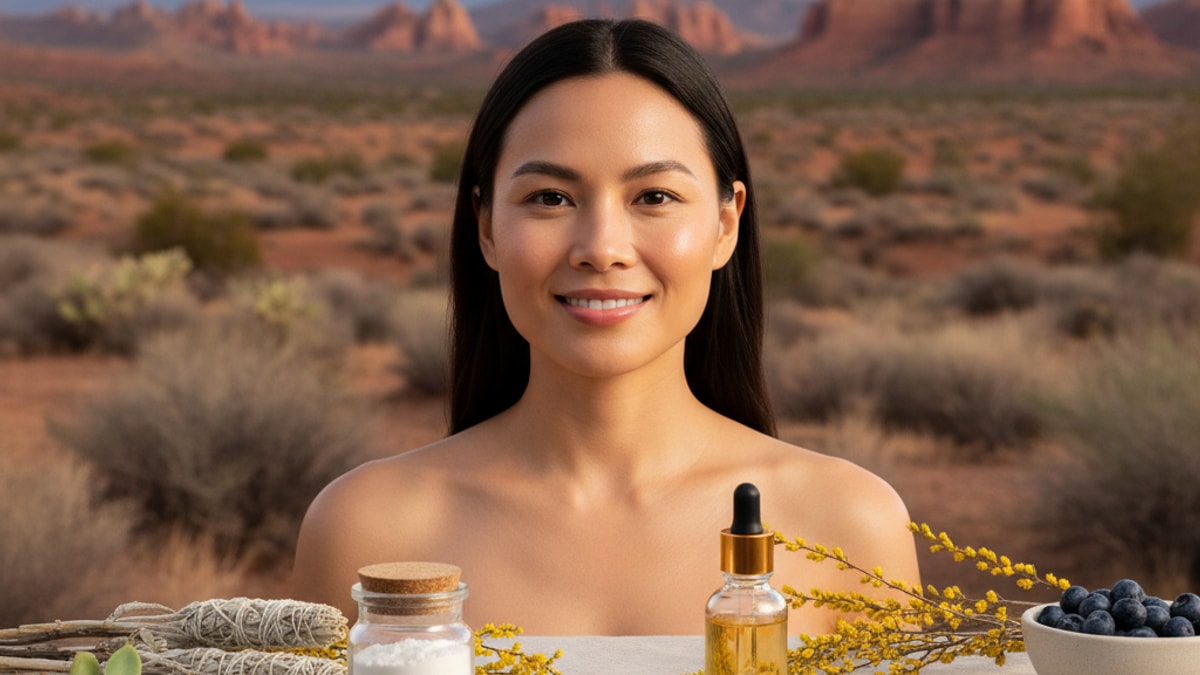
Glutathione for Skin — New Mexico's Wellness Breakthrough
Research from the University of Louisville found that oral glutathione supplementation at 500mg daily increased skin melanin index reduction by 30% compared to placebo over 12 weeks. But what most dermatology guides omit is that bioavailability varies wildly by administration route. Topical glutathione penetrates less than 3% through the stratum corneum, oral forms face first-pass hepatic degradation, and IV glutathione achieves plasma concentrations 10–15 times higher than oral administration. For patients seeking visible pigmentation reduction, the delivery method determines whether glutathione works at all.
Our team has guided patients through glutathione protocols across multiple administration routes. The gap between doing it right and wasting money comes down to understanding which form delivers therapeutic plasma levels. And which clinical endpoints are realistic within 8–16 weeks.
What is glutathione for skin and why does New Mexico matter?
Glutathione for skin refers to therapeutic use of the tripeptide antioxidant (gamma-glutamyl-cysteinyl-glycine) to reduce melanin production, neutralise oxidative stress, and support collagen synthesis. Administered through IV infusion, intramuscular injection, or high-dose oral supplementation. New Mexico's high-altitude UV exposure (20–30% greater than sea level) accelerates photoaging and hyperpigmentation, making glutathione protocols particularly relevant for residents managing cumulative sun damage and uneven skin tone.
Direct Answer: What Makes Glutathione Different From Other Antioxidants
Most skincare guides describe glutathione as 'a powerful antioxidant'. Which is true but incomplete. Glutathione is the body's master antioxidant synthesised intracellularly from three amino acids: glutamate, cysteine, and glycine. Unlike vitamin C or E, which donate electrons to neutralise free radicals, glutathione works through enzymatic pathways involving glutathione peroxidase and glutathione reductase, regenerating itself after oxidation. This mechanism allows one glutathione molecule to neutralise multiple reactive oxygen species before being recycled. Vitamin C cannot do this. This article covers how glutathione reduces melanin synthesis through tyrosinase inhibition, why IV administration bypasses first-pass metabolism, and what realistic skin outcomes look like after 8–16 weeks of medical-grade protocols.
The Cellular Mechanism: How Glutathione Alters Melanin Production
Glutathione reduces skin pigmentation by inhibiting tyrosinase, the copper-containing enzyme that converts L-tyrosine to L-DOPA and dopaquinone. The rate-limiting steps in melanin biosynthesis. When glutathione binds to copper ions at the tyrosinase active site, enzymatic activity drops by 40–60%, directly reducing eumelanin (brown-black pigment) production. This is not a surface effect. Glutathione interrupts pigment formation inside melanocytes before melanosomes transfer to keratinocytes. Clinical trials using 500–1000mg oral glutathione daily measured melanin index reductions of 18–30% over 12 weeks, assessed via mexameter readings at standardised facial sites.
The pheomelanin pathway. Which produces red-yellow pigments. Is less affected, which is why glutathione-treated skin often appears lighter but not unnaturally pale. Patients with Fitzpatrick skin types IV–VI show the most dramatic visible changes because baseline eumelanin density is higher. Photoaging benefits stem from glutathione's role in neutralising singlet oxygen and hydroxyl radicals generated during UV exposure. These reactive species degrade collagen and elastin fibres through matrix metalloproteinase activation. By maintaining glutathione peroxidase activity in dermal fibroblasts, systemic glutathione supplementation reduces cumulative oxidative damage that manifests as fine lines and textural irregularity.
New Mexico's UV index regularly exceeds 10 during summer months at elevations above 5,000 feet. Santa Fe, Albuquerque, and Taos all sit above this threshold. This translates to 20–30% greater oxidative stress on dermal structures compared to coastal cities at sea level, making antioxidant depletion a measurable concern for year-round residents.
IV vs Oral vs Topical: Bioavailability Determines Clinical Outcomes
Delivery route determines whether glutathione reaches therapeutic plasma concentrations. Oral glutathione at doses below 500mg daily achieves minimal plasma elevation due to enzymatic breakdown by gamma-glutamyl transpeptidase in the intestinal lumen and hepatic first-pass metabolism. Bioavailability is estimated at 10–20%. Liposomal and sublingual formulations claim enhanced absorption, but peer-reviewed pharmacokinetic data supporting plasma increases above standard oral capsules remain limited. Doses of 1000mg daily or higher show measurable plasma elevation, but gastrointestinal side effects (bloating, nausea) become dose-limiting for many patients.
IV glutathione bypasses gastrointestinal and hepatic degradation entirely, delivering 100% bioavailability. Typical IV protocols use 600–1200mg per session administered over 15–30 minutes, repeated weekly or biweekly. Plasma glutathione concentrations peak within 30 minutes and return to baseline within 4–6 hours, which is why sustained skin outcomes require repeated dosing over 8–12 weeks. IV glutathione is offered at integrative medicine clinics, naturopathic centres, and medical spas throughout New Mexico. Santa Fe and Albuquerque have the highest concentration of licensed providers.
Topical glutathione formulations face a penetration barrier: the stratum corneum is lipophilic, and glutathione is hydrophilic with a molecular weight of 307 Da. Too large for efficient passive diffusion. Penetration studies using Franz diffusion cells show less than 3% dermal delivery from standard topical serums. Encapsulation technologies (niosomes, nanoemulsions) improve delivery slightly, but clinical trials measuring melanin reduction from topical glutathione alone show inconsistent results.
Our experience working with patients on glutathione protocols shows that IV administration produces the most consistent visible outcomes for hyperpigmentation, while oral supplementation at 1000mg+ daily works for maintenance after initial correction. Topical glutathione is best used as an adjunct to systemic therapy, not a standalone treatment.
Glutathione for Skin Protocols: Administration Routes and Expected Outcomes
| Administration Route | Bioavailability | Typical Dose Range | Session Frequency | Melanin Reduction (12 weeks) | Onset of Visible Change | Professional Assessment |
|---|---|---|---|---|---|---|
| IV Glutathione | 100% (bypasses first-pass metabolism) | 600–1200mg per session | Weekly to biweekly | 20–35% reduction in melanin index (mexameter-measured) | 4–6 weeks at target dose | Most consistent pigmentation outcomes; requires licensed provider; highest cost per treatment |
| Oral Glutathione (standard) | 10–20% (hepatic degradation) | 500–1000mg daily | Continuous daily dosing | 10–18% reduction in melanin index | 6–10 weeks | Cost-effective maintenance; variable response; requires doses ≥500mg for measurable effect |
| Liposomal/Sublingual Glutathione | 25–40% (claimed, limited data) | 500–750mg daily | Continuous daily dosing | 12–22% reduction (limited trial data) | 6–8 weeks | Higher cost than standard oral; bioavailability claims exceed published evidence |
| Topical Glutathione | <3% dermal penetration | Applied 1–2x daily | Continuous daily application | Minimal independent effect | Unclear. Inconsistent trial results | Adjunct only; works synergistically with systemic routes but ineffective as monotherapy |
| Intramuscular Injection | 60–80% (bypasses GI, partial hepatic uptake) | 600–1200mg per session | Weekly | 15–25% reduction | 5–8 weeks | Less common than IV; similar outcomes; easier administration for home protocols |
Key Takeaways
- Glutathione reduces melanin production by inhibiting tyrosinase, the enzyme that converts L-tyrosine to melanin precursors. This mechanism directly reduces eumelanin synthesis inside melanocytes before pigment transfer to skin cells.
- IV glutathione achieves 100% bioavailability and plasma concentrations 10–15 times higher than oral administration, producing melanin index reductions of 20–35% over 12 weeks in clinical trials.
- Oral glutathione requires doses of at least 500mg daily to produce measurable plasma elevation. Doses below this threshold face near-complete hepatic first-pass degradation.
- Topical glutathione penetrates less than 3% through the stratum corneum due to hydrophilic structure and molecular weight of 307 Da. It functions as an adjunct to systemic therapy, not a standalone treatment.
- New Mexico's high-altitude UV exposure (20–30% greater than sea level) accelerates photoaging and oxidative stress, making systemic antioxidant protocols particularly relevant for year-round residents managing cumulative sun damage.
- Visible pigmentation changes typically appear 4–8 weeks into IV or high-dose oral protocols. Earlier timelines suggest placebo effect or unrelated variables, not glutathione mechanism.
What If: Glutathione for Skin Scenarios
What If I Take Oral Glutathione But See No Changes After 8 Weeks?
Increase your daily dose to 1000mg or switch to IV administration. Oral bioavailability below 500mg daily is insufficient for most patients to reach therapeutic plasma levels. The most common mistake is underdosing: 250mg capsules taken once daily produce minimal systemic effect because hepatic first-pass metabolism degrades the majority before reaching circulation. If cost is a barrier to IV therapy, liposomal oral formulations at 750–1000mg daily offer a middle-ground option, though evidence supporting superior bioavailability over standard oral glutathione remains limited.
What If I Experience Nausea or Digestive Upset From High-Dose Oral Glutathione?
Split your daily dose into two administrations (500mg morning and evening) or take glutathione with food to slow gastric emptying and reduce GI irritation. Doses above 1000mg daily commonly cause bloating or mild nausea in the first 7–10 days. Tolerance improves as intestinal adaptation occurs. If symptoms persist beyond two weeks, reduce to 500mg daily for maintenance or transition to IV glutathione, which bypasses the GI tract entirely and eliminates this issue.
What If I Want to Combine Glutathione With Vitamin C for Skin Benefits?
Vitamin C and glutathione work synergistically. Vitamin C (ascorbic acid) reduces oxidised glutathione (GSSG) back to its active reduced form (GSH), extending glutathione's antioxidant capacity. Clinical protocols often pair IV glutathione (600–1200mg) with high-dose IV vitamin C (10–25g) in the same session. Oral vitamin C at 1000–2000mg daily supports endogenous glutathione recycling but does not meaningfully increase plasma glutathione levels on its own. The combination enhances collagen synthesis through both antioxidant protection and direct cofactor activity of vitamin C in prolyl hydroxylase reactions.
The Unflinching Truth About Glutathione's Skin Whitening Claims
Here's the honest answer: glutathione reduces melanin production through a well-documented enzymatic mechanism, but the 'skin whitening' marketing surrounding it. Particularly in certain international markets. Distorts both the science and the realistic outcomes. Glutathione does not bleach skin. It does not change your genetic baseline skin tone. It reduces hyperpigmentation caused by UV exposure, post-inflammatory pigmentation from acne, and melasma. Conditions where excess melanin has accumulated beyond normal baseline levels. Patients with Fitzpatrick skin types I–II see minimal visible change because baseline melanin density is already low. Patients with types IV–VI may see 2–3 shade reductions in areas of uneven pigmentation, but expecting transformation to a fundamentally different skin tone is both unrealistic and reflects internalised colourism that the wellness industry profits from but should not perpetuate.
The evidence is clear: glutathione works for correcting pigmentation irregularities, not for erasing ethnic skin characteristics. If a provider is marketing glutathione as a way to achieve 'fair skin' or 'porcelain complexion,' they are either scientifically illiterate or ethically compromised. Neither is someone you should trust with your health.
Glutathione's real value lies in its role as the body's master antioxidant. Neutralising oxidative damage, supporting detoxification pathways, and maintaining cellular function across every organ system. Skin benefits are a secondary outcome of systemic antioxidant activity, not the compound's primary biological purpose. Patients who approach glutathione protocols with realistic expectations. Reducing sun damage, evening skin tone, and supporting healthy aging. Consistently report satisfaction. Patients chasing unrealistic transformations promoted by predatory marketing consistently report disappointment and wasted money.
If your goal is managing hyperpigmentation from years of UV exposure in New Mexico's high-altitude environment, glutathione protocols can produce measurable improvement. If your goal is fundamentally altering your baseline skin tone, no amount of glutathione will deliver that. And anyone telling you otherwise is selling something they know doesn't work.
For residents across New Mexico managing cumulative sun damage, melasma, or post-inflammatory hyperpigmentation, medical-grade glutathione therapy offers a mechanism-based approach with measurable clinical endpoints. The distinction between correction and transformation matters. Glutathione corrects oxidative damage and reduces excess melanin production, but it does not override your genetic baseline. Honest providers explain this upfront. Dishonest ones sell false hope at premium prices, banking on the fact that most patients won't demand refunds after realising the transformation they were promised was never biologically possible.
Frequently Asked Questions
How does glutathione reduce skin pigmentation — and how quickly does it work?▼
Glutathione reduces skin pigmentation by inhibiting tyrosinase, the copper-containing enzyme that converts L-tyrosine into melanin precursors — binding to copper ions at the active site reduces enzymatic activity by 40–60%, directly lowering eumelanin production inside melanocytes. Visible changes typically appear 4–6 weeks into IV glutathione protocols (600–1200mg weekly) or 6–10 weeks with high-dose oral supplementation (1000mg+ daily). Clinical trials measure melanin index reductions of 18–35% over 12 weeks depending on administration route and baseline pigmentation levels. Earlier timelines often reflect placebo effect or concurrent skincare changes rather than glutathione’s enzymatic mechanism, which requires sustained dosing to accumulate measurable effect.
Can I get the same results from topical glutathione serums as from IV or oral glutathione?▼
No — topical glutathione faces a penetration barrier that limits dermal delivery to less than 3% of applied dose. Glutathione is hydrophilic with a molecular weight of 307 Da, making passive diffusion through the lipophilic stratum corneum extremely inefficient. Encapsulation technologies (liposomes, nanoemulsions) improve penetration slightly, but clinical trials measuring melanin reduction from topical glutathione alone show inconsistent results. Topical formulations work best as adjuncts to systemic therapy (IV or oral), not as standalone treatments. IV glutathione achieves 100% bioavailability with plasma concentrations 10–15 times higher than oral administration, producing the most consistent pigmentation outcomes in peer-reviewed trials.
What is the difference between reduced glutathione and liposomal glutathione — which one works better for skin?▼
Reduced glutathione (GSH) is the active form of the tripeptide (gamma-glutamyl-cysteinyl-glycine) that functions as an antioxidant — oxidised glutathione (GSSG) is the inactive form produced after neutralising free radicals. Liposomal glutathione refers to reduced glutathione encapsulated in phospholipid vesicles to protect it from enzymatic degradation during oral administration, theoretically improving bioavailability compared to standard oral capsules. Manufacturers claim bioavailability increases from 10–20% (standard oral) to 25–40% (liposomal), but peer-reviewed pharmacokinetic studies directly comparing plasma glutathione levels between the two formulations remain limited. Both forms require doses of at least 500mg daily to produce measurable plasma elevation — liposomal formulations cost 2–3 times more than standard oral glutathione without proportional outcome data supporting the premium.
Is glutathione safe for long-term use — are there any risks or side effects I should know about?▼
Glutathione is considered safe for long-term use at therapeutic doses (500–1200mg daily oral, 600–1200mg weekly IV) with minimal adverse events documented in clinical trials. The most common side effects are gastrointestinal (bloating, nausea, loose stools) with high-dose oral administration, typically resolving within 7–14 days as tolerance develops. IV glutathione rarely causes side effects beyond mild injection site discomfort. Theoretical concerns include potential interference with chemotherapy efficacy — glutathione protects cells from oxidative damage, which could reduce cancer cell susceptibility to certain chemotherapeutic agents. Patients undergoing active cancer treatment should consult their oncologist before starting glutathione therapy. There is no evidence that glutathione supplementation increases cancer risk in healthy individuals. Inhaled glutathione can trigger bronchospasm in asthma patients — avoid nebulised formulations if you have reactive airway disease.
How much does glutathione therapy cost and is it covered by insurance?▼
IV glutathione therapy typically costs 75–150 dollars per session depending on dose and provider location, with protocols requiring 8–12 weekly sessions for initial correction — total cost ranges from 600 to 1800 dollars. Oral glutathione costs 25–60 dollars per month for standard formulations (500–1000mg daily) or 60–120 dollars per month for liposomal versions. Insurance does not cover glutathione therapy for cosmetic skin indications — it is classified as elective wellness treatment. Some integrative medicine practices offer package pricing that reduces per-session costs when purchasing multiple IV treatments upfront. Glutathione administered for documented medical conditions (such as acetaminophen overdose or certain neurological disorders) may be covered, but cosmetic pigmentation reduction is not a reimbursable diagnosis code under any major payer.
Can glutathione help with melasma or post-inflammatory hyperpigmentation from acne scars?▼
Yes — glutathione reduces melanin production through tyrosinase inhibition regardless of pigmentation trigger, making it effective for both melasma (hormonal hyperpigmentation) and post-inflammatory hyperpigmentation (PIH) from acne or injury. Clinical studies show melanin index reductions of 18–30% over 12 weeks with systemic glutathione therapy, measured at sites of focal hyperpigmentation. Melasma often requires longer treatment duration (16–20 weeks) and maintenance dosing because hormonal triggers (pregnancy, oral contraceptives, UV exposure) can reactivate melanocyte activity even after initial correction. PIH responds more consistently because the pigmentation source (inflammation) has resolved and glutathione simply accelerates the natural fading process. Combining glutathione with topical tretinoin or hydroquinone often produces superior outcomes compared to monotherapy, though this requires dermatologist supervision to manage retinoid irritation.
Where can I find medical-grade glutathione therapy providers serving New Mexico?▼
Medical-grade glutathione therapy is available at integrative medicine clinics, naturopathic centres, medical spas, and functional medicine practices throughout New Mexico — Santa Fe and Albuquerque have the highest concentration of licensed providers offering IV glutathione protocols. Look for providers with licensure credentials (MD, DO, NMD, ND, PA, NP) who can legally administer intravenous therapy and who explain realistic outcomes during consultation. Avoid providers who market glutathione as ‘skin whitening’ or promise specific shade changes — these are red flags for unethical practice. Reputable providers discuss melanin reduction as correction of hyperpigmentation, not transformation of baseline skin tone. Telehealth platforms like TrimRx offer medically supervised protocols with licensed prescribers, though IV glutathione requires in-person administration at a licensed facility.
Does glutathione interact with GLP-1 medications like semaglutide or tirzepatide?▼
No direct pharmacological interaction exists between glutathione and GLP-1 receptor agonists (semaglutide, tirzepatide) — the compounds act through completely separate mechanisms with no shared metabolic pathways. Glutathione is a tripeptide antioxidant synthesised endogenously and degraded by gamma-glutamyl transpeptidase and dipeptidases, while GLP-1 agonists are cleared through proteolytic degradation and renal excretion. Patients on GLP-1 therapy for weight loss can safely use glutathione protocols for skin concerns without dose adjustment. Both therapies support metabolic health through different mechanisms — GLP-1 agonists improve insulin sensitivity and reduce appetite, while glutathione neutralises oxidative stress and supports detoxification pathways. If you’re managing multiple wellness protocols simultaneously, coordinating care through a single prescriber ensures comprehensive oversight and prevents contradictory advice from multiple providers operating in silos.
What happens if I stop taking glutathione after achieving my desired skin tone — will pigmentation return?▼
Pigmentation changes from glutathione are not permanent — melanin production gradually returns to baseline levels within 3–6 months after stopping therapy, particularly with continued UV exposure. Glutathione reduces melanin synthesis by inhibiting tyrosinase, but it does not alter melanocyte number or genetic regulation of pigmentation — once plasma glutathione levels drop back to endogenous production rates, enzymatic activity resumes. Maintenance protocols using lower-dose oral glutathione (500mg daily) or monthly IV sessions can sustain correction long-term, but complete discontinuation typically results in gradual return to pre-treatment baseline. The rate of reversion depends on UV exposure, hormonal factors, and baseline melanin density. Patients who combine glutathione therapy with strict photoprotection (SPF 50+ daily, UPF clothing, UV avoidance during peak hours) maintain outcomes longer than those who resume unprotected sun exposure immediately after treatment.
Can I take glutathione while pregnant or breastfeeding?▼
Glutathione supplementation during pregnancy and breastfeeding lacks sufficient safety data — most prescribers recommend avoiding elective glutathione therapy during these periods despite the compound’s endogenous presence in maternal and fetal tissues. Glutathione is synthesised naturally in all cells and plays critical roles in detoxification and fetal development, but therapeutic dosing (500–1200mg daily) far exceeds physiological levels and has not been studied in controlled trials involving pregnant or lactating women. The theoretical concern is not toxicity — glutathione itself is non-toxic — but rather the absence of data confirming safety at supra-physiological doses during critical developmental windows. If you are pregnant, planning pregnancy, or breastfeeding, postpone elective glutathione therapy until after weaning unless prescribed for a specific medical indication (such as acetaminophen overdose) where benefit clearly outweighs theoretical risk.

Transforming Lives, One Step at a Time
Keep reading

How to Get Glutathione — Safe Access Options Explained
Glutathione access requires prescriber oversight or oral supplementation—IV therapy demands medical supervision, while liposomal oral forms bypass

Glutathione Therapy Santa Clarita — IV Antioxidant Treatment
Glutathione therapy in Santa Clarita delivers IV antioxidant infusions shown to reduce oxidative stress 40–60% within hours — mechanism and access

Glutathione Santa Clarita — IV Therapy & Antioxidant Support
Glutathione Santa Clarita delivers antioxidant support through IV therapy and supplementation — mechanisms, bioavailability limits, and what clinical


