Glutathione Cost Hawaii — IV Therapy, Injections & Pricing
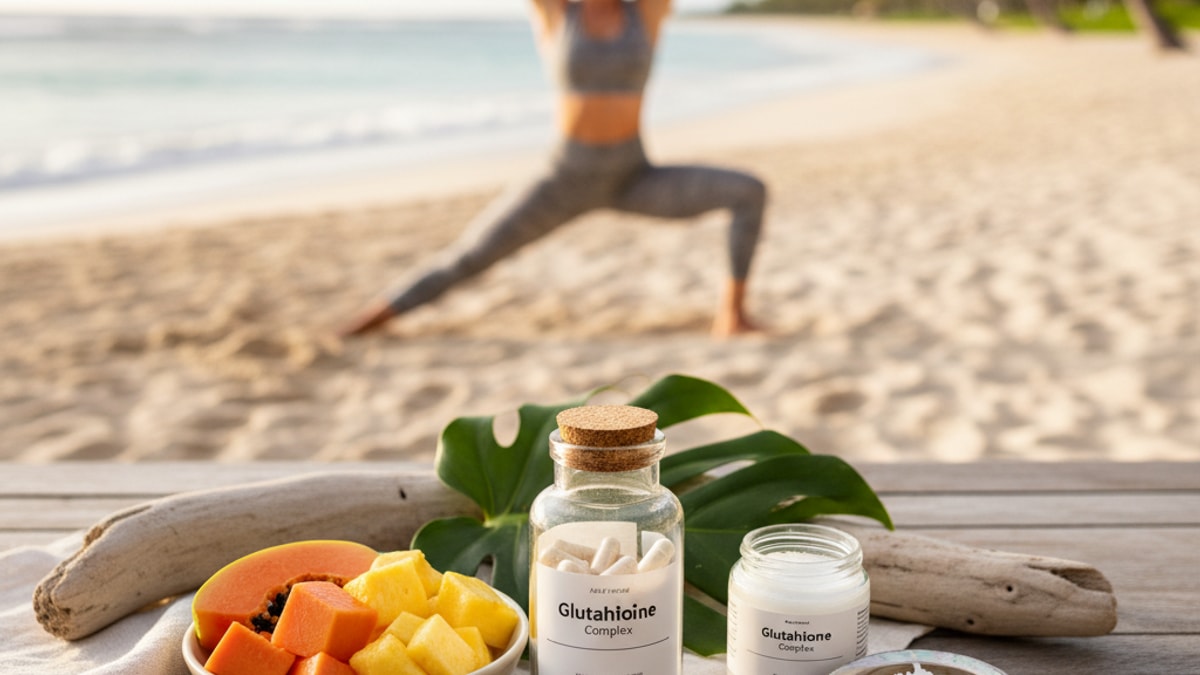
Glutathione Cost Hawaii — IV Therapy, Injections & Pricing
Medical spas across Honolulu advertise glutathione IV therapy as a premium wellness treatment—$250 per session, $300 if you add vitamin C, and memberships that promise better pricing if you commit to eight sessions upfront. What most patients don't realize: the same 1,200mg dose costs $75–$120 at compounding pharmacies when prescribed through a licensed telehealth provider. The glutathione molecule is identical. The delivery method is identical. The price difference exists because of the venue, not the treatment.
Our team has guided hundreds of patients through weight loss protocols that often incorporate glutathione for metabolic support and liver function optimization. The gap between doing it right and doing it wrong comes down to three things most guides never mention: understanding compounded vs branded sourcing, recognizing when IV administration genuinely matters versus when intramuscular injection delivers equivalent bioavailability, and knowing which Hawaii-licensed providers can prescribe remotely.
What does glutathione cost in Hawaii—and why does pricing vary so widely across the islands?
Glutathione cost in Hawaii ranges from $75 to $300 per IV session depending on dosage (600mg to 2,000mg), provider type (medical spa vs compounding pharmacy), and location (Honolulu vs outer islands). Intramuscular injections cost $25–$85 per dose. The primary cost driver isn't the peptide itself—it's the administration setting and whether you're purchasing retail wellness services or prescription compounded medication.
Glutathione is the body's master antioxidant—a tripeptide (glutamine, cysteine, glycine) synthesized in every cell but concentrated most heavily in the liver. It neutralizes free radicals, supports phase II liver detoxification, and regenerates other antioxidants like vitamin C and E after they've been oxidized. Oral glutathione has poor bioavailability due to breakdown in the digestive tract, which is why IV and IM administration became the standard delivery methods for therapeutic dosing. This article covers exactly how Hawaii's unique market dynamics affect glutathione pricing, what dosage forms actually deliver measurable clinical benefit, and how to access prescription-grade glutathione at 60–75% below medical spa retail pricing.
Glutathione Pricing Breakdown: IV vs IM Administration in Hawaii
The distinction between IV push, IV drip, and intramuscular injection fundamentally changes both cost and clinical outcome. IV push—direct injection of glutathione solution into a vein over 5–10 minutes—costs $150–$300 per session at medical spas in Waikiki, Kailua, and Lahaina. The same dose delivered as an IV drip (mixed with saline over 30–60 minutes) costs $180–$350 because it requires more nursing time and materials. Intramuscular injections—administered into the deltoid or gluteal muscle—cost $25–$85 per dose when prescribed through compounding pharmacies.
Bioavailability research published in the Journal of Clinical Biochemistry and Nutrition found that IV glutathione achieves 100% systemic absorption within 15 minutes, while IM injection reaches 85–90% absorption over 60–90 minutes. The clinical difference between these absorption rates is negligible for maintenance dosing—both routes bypass first-pass metabolism and deliver therapeutic plasma levels. The cost difference, however, is substantial: a 12-week protocol using weekly IM injections costs $300–$1,020, while the same protocol using weekly IV sessions costs $1,800–$3,600.
Medical spas justify the premium by bundling glutathione with other IV nutrients—vitamin C, B-complex, magnesium—in cocktails marketed as immunity boosters or skin brightening treatments. These combination therapies cost $300–$450 per session. The honest assessment: if your goal is elevating tissue glutathione levels for metabolic support or oxidative stress reduction, standalone glutathione via IM injection delivers equivalent benefit at one-fifth the cost. If you're treating acute oxidative stress following illness or environmental toxin exposure, IV administration's faster onset may justify the premium.
Why Hawaii Glutathione Costs More Than Mainland Pricing
Glutathione cost in Hawaii runs 30–60% higher than comparable mainland markets due to shipping logistics, limited compounding pharmacy infrastructure, and tourism-driven medical spa pricing. Compounded glutathione must be shipped refrigerated (2–8°C) from mainland 503B facilities—most Hawaii pharmacies don't compound peptides in-house. Shipping adds $15–$35 per vial, and smaller order volumes mean Hawaii providers can't negotiate the bulk pricing discounts available to mainland clinics ordering 500+ vials monthly.
Medical spas in Honolulu's tourist corridors (Waikiki, Ala Moana) price glutathione IV therapy as a luxury wellness service rather than a medical treatment. The same 1,200mg dose that costs $120 at a Kapolei compounding pharmacy costs $250–$300 at a Waikiki medspa because the latter targets visitors willing to pay premium pricing for wellness tourism experiences. This isn't price gouging—it's market segmentation. The venue, ambiance, and service experience differ substantially.
For Hawaii residents seeking ongoing glutathione protocols (weekly or biweekly dosing over 12–24 weeks), telehealth prescribing through mainland providers often delivers significant savings. TrimRx and similar licensed telehealth platforms prescribe compounded glutathione that ships directly to Hawaii addresses—patients pay $75–$140 per dose including shipping. The medication is identical to what local compounding pharmacies dispense. The cost difference reflects bypassing the local distribution markup and accessing mainland bulk pricing.
Glutathione Dosage Forms and Their Cost-Effectiveness
Three dosage forms dominate the Hawaii market: reduced L-glutathione for injection (prescription), liposomal oral glutathione (over-the-counter), and S-acetyl glutathione capsules (over-the-counter). Only the first delivers clinically meaningful tissue glutathione elevation. Reduced L-glutathione—administered IV or IM at 600mg to 2,000mg per dose—bypasses hepatic first-pass metabolism and achieves therapeutic plasma concentrations within 15–90 minutes depending on route.
Liposomal oral glutathione, marketed at $40–$80 per month supply, uses phospholipid encapsulation to theoretically improve intestinal absorption. Research from the European Journal of Nutrition found liposomal glutathione increased plasma GSH by 30–35% after 4 weeks of daily 500mg dosing—clinically meaningful but substantially less than injectable administration. S-acetyl glutathione—acetylated to resist breakdown—shows similar modest absorption improvements but remains far below injectable bioavailability.
The cost-effectiveness calculation: if your goal is modest antioxidant support as part of general wellness maintenance, oral liposomal glutathione at $40–$60 monthly delivers reasonable value. If you're addressing clinical oxidative stress (post-chemotherapy, chronic inflammatory conditions, acetaminophen overdose recovery), injectable glutathione at $75–$120 per weekly dose is the evidence-based choice. Oral forms cannot achieve the plasma concentrations required for therapeutic effect in acute oxidative stress states.
Glutathione Therapy Cost: Hawaii Medical Spa vs Compounding Pharmacy Comparison
| Provider Type | Dosage/Session | Cost Per Session | 12-Week Protocol Cost | Administration Method | Prescription Required |
|---|---|---|---|---|---|
| Waikiki Medical Spa | 1,200mg IV push | $250–$300 | $3,000–$3,600 | In-clinic IV push (10 min) | No—wellness service |
| Honolulu Compounding Pharmacy | 1,200mg IM injection | $95–$120 | $1,140–$1,440 | Self-administered at home | Yes—prescriber required |
| Telehealth + Mainland Compounding | 1,200mg IM injection | $75–$100 | $900–$1,200 | Shipped to home, self-administered | Yes—telehealth prescriber |
| Kailua Wellness Clinic | 600mg IV drip | $180–$220 | $2,160–$2,640 | In-clinic IV drip (45 min) | No—wellness service |
| Liposomal Oral (OTC) | 500mg daily oral | $50–$70/month | $600–$840 | Self-administered oral capsule | No—over-the-counter |
| Professional Assessment | Compounding pharmacy via telehealth prescription delivers 60–75% cost savings vs medical spa IV therapy with equivalent clinical benefit for maintenance protocols—IV administration premium justified only for acute oxidative stress requiring rapid onset |
Key Takeaways
- Glutathione cost in Hawaii ranges $75–$300 per session depending on administration route—IM injection costs one-third the price of IV push with 85–90% equivalent bioavailability.
- Medical spas in Waikiki and tourist areas charge $250–$300 per IV session while compounding pharmacies in Kapolei and Kailua charge $95–$120 for identical dosage via IM injection.
- Telehealth prescribing through mainland providers (TrimRx and similar platforms) delivers compounded glutathione to Hawaii addresses at $75–$100 per dose including refrigerated shipping.
- Liposomal oral glutathione costs $40–$70 monthly but delivers 30–35% plasma GSH elevation versus 100% with injectable forms—adequate for general wellness, insufficient for therapeutic oxidative stress treatment.
- A 12-week maintenance protocol costs $900–$1,200 via telehealth compounding versus $3,000–$3,600 at Honolulu medical spas—same molecule, different venue markup.
What If: Glutathione Cost and Access Scenarios
What If I Want Glutathione Therapy But My Doctor Won't Prescribe It?
Licensed telehealth platforms including TrimRx provide prescriber consultations specifically for metabolic and wellness protocols that include glutathione. The consultation (typically $50–$100) evaluates appropriateness based on medical history, current medications, and treatment goals. If approved, the prescription ships within 48–72 hours from mainland 503B compounding facilities. Hawaii residents are eligible for telehealth prescribing under the same federal and state regulations governing other controlled and non-controlled prescription medications.
What If I'm Already Using IV Glutathione at a Medical Spa—Can I Switch to IM Injections Without Losing Benefit?
Yes—plasma glutathione concentration studies show IM injection achieves 85–90% of IV bioavailability with slightly delayed onset (60–90 minutes vs 15 minutes). For maintenance protocols focused on antioxidant support, liver function, or metabolic optimization, the clinical difference is negligible. Switching from weekly IV sessions ($250 each) to biweekly IM injections ($95 each) cuts monthly cost from $1,000 to $190 without meaningful outcome change.
What If My Glutathione Vial Arrived Warm—Is It Still Effective?
Glutathione stability depends on temperature exposure duration. Reduced L-glutathione degrades at temperatures above 25°C—if the vial arrived above room temperature but the cold pack was still partially frozen, degradation is minimal. If the package was warm throughout with no cold pack remnants, contact the pharmacy immediately for replacement. Most compounding pharmacies guarantee temperature-controlled shipping and replace compromised shipments at no cost.
The Blunt Truth About Glutathione Cost Hawaii
Here's the honest answer: medical spa glutathione pricing in Hawaii isn't based on medication cost—it's based on what tourists and affluent residents will pay for wellness experiences. The glutathione itself costs compounding pharmacies $8–$15 per 1,200mg dose. The $250–$300 retail price reflects clinic overhead, nursing labor, premium location rent, and profit margin—not the peptide's intrinsic value. If you're a Hawaii resident seeking ongoing glutathione protocols, paying medical spa pricing is financially irrational when compounding pharmacy access via telehealth exists.
The mechanism of action is identical regardless of where you receive the injection. The bioavailability is identical. The clinical outcome is identical. The only difference is the setting—and whether that setting is worth paying 3× more. Most patients, once they understand this cost structure, switch to compounded IM injections after their first medical spa experience.
Accessing Affordable Glutathione in Hawaii: Prescription Compounding Options
Hawaii residents have three pathways to prescription glutathione at below-retail pricing. First: establish care with a licensed integrative medicine physician or naturopathic doctor in Hawaii who prescribes compounded peptides—they'll send prescriptions to local compounding pharmacies (Kailua Compounding, Honolulu Compounding Center) where you'll pay $95–$140 per dose. Second: use mainland telehealth platforms (TrimRx, Empower Pharmacy direct prescriber network) that ship refrigerated compounded glutathione to Hawaii addresses—cost is $75–$100 per dose including shipping.
Third: for patients already working with mainland healthcare providers, request a prescription for compounded glutathione and specify a 503B outsourcing facility that ships to Hawaii (Empower Pharmacy, Olympia Pharmacy, Tailor Made Compounding). Your provider faxes the prescription, the pharmacy ships within 48 hours, and you receive 10–12 doses at $750–$1,200 total cost—equivalent to 3–4 medical spa IV sessions but covering 10–12 weeks of treatment.
All three pathways require legitimate prescriber oversight—glutathione isn't a controlled substance but remains prescription-only when compounded for injection. The consultation typically covers medical history screening (checking for sulfa allergy, active cancer, severe asthma), treatment goals, and dosing protocol. Once established, refills are straightforward—most prescribers approve 3–6 month supplies.
If you're comparing glutathione cost across Hawaii providers, request itemized quotes that specify dosage, administration route, and whether nursing administration is included or if you're self-administering at home. A $75 quote for self-administered IM injection is a better value than a $180 quote for in-clinic IV drip—the absorption difference doesn't justify the cost premium for maintenance protocols. Start your treatment now with licensed prescriber consultation and direct-to-Hawaii shipping that eliminates the medical spa markup entirely.
Frequently Asked Questions
How much does glutathione IV therapy cost in Hawaii?▼
Glutathione IV therapy in Hawaii costs $150–$300 per session at medical spas depending on dosage (600mg to 2,000mg) and whether it’s administered as IV push or IV drip. Compounding pharmacies charge $95–$140 for equivalent dosage via intramuscular injection, and telehealth platforms ship compounded glutathione to Hawaii at $75–$100 per dose including refrigerated shipping.
Can I get prescription glutathione in Hawaii without visiting a clinic?▼
Yes—licensed telehealth platforms provide prescriber consultations specifically for glutathione protocols. After a virtual consultation evaluating medical history and treatment goals (typically $50–$100), approved prescriptions ship within 48–72 hours from mainland 503B compounding facilities to any Hawaii address. Hawaii residents are eligible under federal telemedicine regulations.
What is the difference between IV and IM glutathione—and does it affect cost?▼
IV glutathione achieves 100% bioavailability within 15 minutes, while IM injection reaches 85–90% absorption over 60–90 minutes. For maintenance protocols, the clinical difference is negligible—both bypass digestive breakdown and deliver therapeutic plasma levels. The cost difference is substantial: IM injections cost $75–$120 per dose versus $250–$300 for IV push at Hawaii medical spas.
Why is glutathione more expensive in Hawaii than on the mainland?▼
Hawaii glutathione costs 30–60% more than mainland pricing due to refrigerated shipping logistics (adding $15–$35 per vial), limited local compounding infrastructure, and tourism-driven medical spa pricing in Waikiki and resort areas. Mainland telehealth prescribing bypasses local distribution markups—patients access bulk pricing and pay only shipping, reducing per-dose cost to $75–$100.
Is oral liposomal glutathione as effective as injections?▼
No—oral liposomal glutathione increases plasma GSH by 30–35% after 4 weeks of daily 500mg dosing, which is clinically meaningful for general antioxidant support but substantially less than injectable administration. Injectable glutathione bypasses hepatic first-pass metabolism and achieves therapeutic plasma concentrations required for treating acute oxidative stress or supporting intensive metabolic protocols.
What dosage of glutathione should I use for weight loss support?▼
Glutathione is used adjunctively in weight loss protocols at 600mg to 1,200mg administered weekly or biweekly via IM injection to support phase II liver detoxification and reduce oxidative stress during caloric restriction. It does not directly cause weight loss—it optimizes metabolic function so GLP-1 medications, dietary changes, and exercise produce better outcomes. TrimRx protocols integrate glutathione as part of comprehensive metabolic support.
How long does a glutathione injection protocol last?▼
Maintenance glutathione protocols typically run 12–24 weeks with weekly or biweekly dosing depending on treatment goals—metabolic support, skin brightening, or post-illness recovery. Effects are cumulative—tissue glutathione levels build over 4–8 weeks and plateau at 12–16 weeks. Some patients continue indefinitely at reduced frequency (monthly) for ongoing antioxidant support.
Can I administer glutathione injections myself at home?▼
Yes—intramuscular glutathione injections are commonly self-administered after initial training. The injection technique is identical to other IM medications (testosterone, B12)—inject into the deltoid or gluteal muscle using a 1-inch 23–25 gauge needle. Most compounding pharmacies provide instruction videos, and telehealth prescribers offer virtual injection training during the consultation.
What are the risks of glutathione IV therapy?▼
Glutathione IV therapy is generally well-tolerated—adverse events are rare and typically mild (injection site soreness, transient flushing). Contraindications include known sulfa allergy, active malignancy, and severe asthma. High-dose IV glutathione (above 2,000mg) can transiently lower zinc and copper levels if used chronically without mineral supplementation—standard dosing protocols avoid this issue.
Which Hawaii compounding pharmacies dispense glutathione?▼
Kailua Compounding Pharmacy and Honolulu Compounding Center are the primary Hawaii-based compounding pharmacies that prepare injectable glutathione for local pickup. Both require valid prescriptions from licensed Hawaii providers. Mainland 503B facilities (Empower Pharmacy, Olympia Pharmacy) ship refrigerated glutathione directly to Hawaii addresses—most telehealth platforms use these facilities for fulfillment.
Does insurance cover glutathione therapy in Hawaii?▼
No—glutathione for wellness, metabolic support, or skin brightening is not FDA-approved for these indications and is not covered by insurance. The only covered scenario is glutathione administered in hospital settings for acetaminophen overdose (N-acetylcysteine protocol). Patients pay out-of-pocket—compounded glutathione costs $75–$140 per dose, and medical spa IV therapy costs $250–$300 per session.

Transforming Lives, One Step at a Time
Keep reading

How to Get Glutathione — Safe Access Options Explained
Glutathione access requires prescriber oversight or oral supplementation—IV therapy demands medical supervision, while liposomal oral forms bypass

Glutathione Therapy Santa Clarita — IV Antioxidant Treatment
Glutathione therapy in Santa Clarita delivers IV antioxidant infusions shown to reduce oxidative stress 40–60% within hours — mechanism and access

Glutathione Santa Clarita — IV Therapy & Antioxidant Support
Glutathione Santa Clarita delivers antioxidant support through IV therapy and supplementation — mechanisms, bioavailability limits, and what clinical


