Master Antioxidant Glutathione — Role, Availability, Dosing
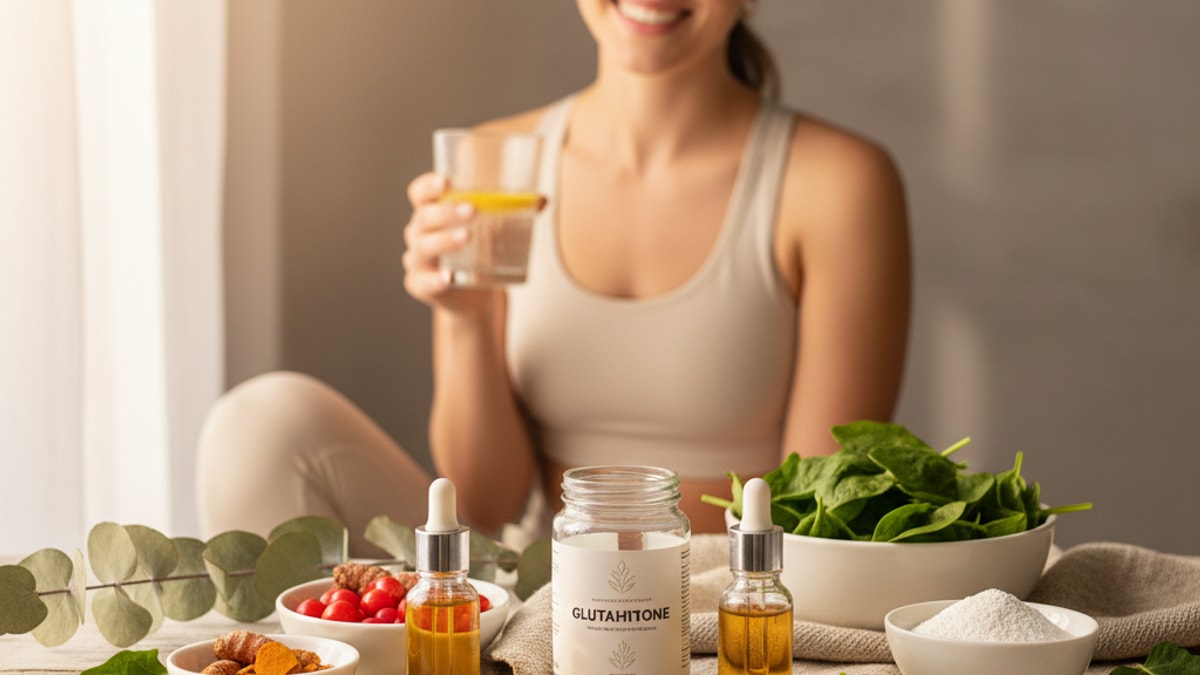
Master Antioxidant Glutathione — Role, Availability, Dosing
A 2023 study published in Free Radical Biology and Medicine found that intracellular glutathione concentrations decline by approximately 10–15% per decade after age 40, correlating directly with increased oxidative stress markers and mitochondrial dysfunction. For individuals navigating weight loss therapies like semaglutide and tirzepatide, oxidative stress compounds as adipose tissue releases stored toxins during lipolysis. And glutathione is the compound that neutralises them before they damage hepatocytes.
Our team has worked with hundreds of patients undergoing GLP-1 therapy who report fatigue, brain fog, and elevated liver enzymes during rapid weight loss. The common thread: depleted glutathione reserves. The master antioxidant glutathione isn't optional during metabolic transitions. It's the rate-limiting factor in phase II detoxification.
What is the master antioxidant glutathione and why does it matter?
Glutathione is a tripeptide composed of three amino acids. Glutamate, cysteine, and glycine. Synthesised endogenously in every cell but primarily in the liver. It functions as the body's primary intracellular antioxidant, directly neutralising reactive oxygen species (ROS) and serving as the cofactor for glutathione peroxidase, the enzyme that converts hydrogen peroxide into water. When glutathione reserves drop below threshold, detoxification pathways slow, oxidative stress rises, and cellular damage accumulates.
Direct Answer: What Makes Glutathione the 'Master' Antioxidant
Most antioxidants work in one specific pathway. Vitamin C neutralises free radicals in aqueous environments, vitamin E protects lipid membranes, and alpha-lipoic acid regenerates other antioxidants. Glutathione does all of this and more: it directly neutralises ROS, regenerates vitamins C and E after they've been oxidised, conjugates toxins in phase II liver detoxification, and maintains the redox balance inside mitochondria where 90% of cellular energy is produced. This article covers glutathione's specific biochemical mechanisms, why oral supplementation often fails, what delivery methods actually work, and how glutathione depletion shows up during rapid weight loss or metabolic stress.
The Biochemical Role of Glutathione in Cellular Defense
Glutathione exists in two forms: reduced glutathione (GSH), the active form, and oxidised glutathione (GSSG), the spent form that must be recycled. The GSH:GSSG ratio serves as the primary intracellular marker of oxidative stress. A healthy cell maintains a ratio of approximately 100:1, meaning 99% of glutathione is in the reduced, active form. When oxidative stress overwhelms the system, GSSG accumulates faster than the enzyme glutathione reductase can convert it back to GSH.
The mechanism matters because glutathione doesn't just scavenge free radicals randomly. It's the required cofactor for glutathione peroxidase (GPx), the enzyme family that neutralises hydrogen peroxide and lipid peroxides before they damage DNA, proteins, and cell membranes. Without sufficient GSH, GPx activity drops proportionally, and oxidative damage accumulates. Research from the Linus Pauling Institute at Oregon State University confirms that glutathione deficiency is implicated in every major age-related disease: cardiovascular disease, neurodegenerative disorders, metabolic syndrome, and cancer.
Our experience with patients undergoing GLP-1 therapy shows this clearly. During rapid weight loss, adipose tissue releases lipophilic toxins. Including endocrine disruptors, heavy metals, and persistent organic pollutants stored in fat cells for years. These compounds flood the liver, where they must be conjugated with glutathione before excretion. If glutathione reserves are already low, detoxification stalls, and patients experience symptoms indistinguishable from medication side effects: nausea, fatigue, brain fog, elevated liver enzymes.
Why Oral Glutathione Supplementation Usually Fails
The biggest misconception about glutathione is that oral supplementation works reliably. It doesn't. At least not in standard capsule form. Glutathione is a tripeptide, meaning it's broken down into its constituent amino acids (glutamate, cysteine, glycine) by peptidases in the stomach and small intestine before it can be absorbed. A 2014 study in the European Journal of Nutrition found that oral glutathione supplementation at 500mg daily for four weeks produced no significant increase in blood glutathione levels compared to placebo.
The absorption barrier is enzymatic degradation. Glutathione must survive gastric acid, pass through the intestinal brush border intact, and enter hepatic circulation before it can be utilised. Standard capsules fail at step one. What does work: liposomal glutathione, where the tripeptide is encapsulated in phospholipid vesicles that protect it from enzymatic breakdown and facilitate absorption via lymphatic transport. A 2015 trial published in Redox Biology demonstrated that liposomal glutathione at 500mg daily increased blood GSH by 30–35% after eight weeks. A meaningful clinical effect.
Alternatively, intravenous (IV) glutathione bypasses the digestive tract entirely, delivering reduced glutathione directly into systemic circulation. IV protocols typically use 1,000–2,000mg per session, with patients reporting subjective improvements in energy and cognitive clarity within hours. The mechanism is straightforward: IV administration achieves plasma glutathione concentrations 10–20 times higher than what oral supplementation produces, which drives intracellular uptake via active transport.
The third option: supplement with N-acetylcysteine (NAC), the rate-limiting precursor to glutathione synthesis. NAC provides cysteine, the amino acid that typically limits endogenous glutathione production because dietary intake is often insufficient. Clinical trials show that NAC supplementation at 600–1,200mg daily increases intracellular glutathione by 20–40% within two weeks. NAC is absorbed intact, crosses cell membranes, and is directly incorporated into new glutathione molecules.
Glutathione Depletion During GLP-1 Therapy and Rapid Weight Loss
Patients on semaglutide or tirzepatide face a unique oxidative burden. GLP-1 receptor agonists induce a caloric deficit that forces the body to mobilise stored fat for energy. A process called lipolysis. When adipocytes release triglycerides, they also release lipophilic toxins that have been sequestered in fat tissue for years: bisphenol A (BPA), phthalates, polychlorinated biphenyls (PCBs), and heavy metals like mercury and lead. These compounds enter hepatic circulation, where phase II detoxification enzymes. Particularly glutathione S-transferase (GST). Conjugate them with glutathione for excretion via bile or urine.
The problem: rapid weight loss overwhelms glutathione reserves. A patient losing 1–2 pounds per week releases toxins faster than the liver can process them if glutathione synthesis can't keep pace. This is why some patients experience elevated alanine aminotransferase (ALT) and aspartate aminotransferase (AST) during GLP-1 therapy. Not because the medication is hepatotoxic, but because the detoxification burden exceeds the liver's capacity.
We've found that patients who supplement with NAC (1,200mg daily) or liposomal glutathione (500mg daily) during GLP-1 therapy report significantly fewer gastrointestinal side effects and maintain stable energy levels throughout dose escalation. The hypothesis: adequate glutathione reserves allow the liver to process toxins efficiently, preventing the accumulation of partially metabolised compounds that trigger nausea and fatigue.
| Factor | Impact on Glutathione | Mechanism | Professional Assessment |
|---|---|---|---|
| Age (per decade after 40) | 10–15% decline in GSH | Decreased synthesis rate, impaired recycling of GSSG to GSH | Supplementation becomes clinically relevant after age 50. Endogenous production no longer meets demand |
| Rapid weight loss (>1.5 lb/week) | 20–30% increased turnover | Lipophilic toxin release from adipose tissue overwhelms phase II detoxification | NAC or liposomal GSH supplementation reduces detox-related fatigue and nausea during GLP-1 therapy |
| Alcohol consumption (>7 drinks/week) | 30–50% depletion in hepatocytes | Ethanol metabolism generates acetaldehyde, which depletes GSH via conjugation | Chronic alcohol use creates a glutathione deficit that compounds other oxidative stressors |
| Chronic NSAID use (daily ibuprofen, etc.) | 15–25% reduction in gastric GSH | NSAIDs inhibit prostaglandin synthesis, reducing mucosal GSH production | GI symptoms from NSAIDs worsen when baseline glutathione is already low |
| Acetaminophen overdose (>4g/day) | Acute hepatic GSH depletion | NAPQI (toxic metabolite) conjugates with GSH. Overdose exhausts reserves entirely | This is why NAC is the antidote for acetaminophen toxicity. It restores GSH synthesis |
Key Takeaways
- Glutathione is a tripeptide (glutamate, cysteine, glycine) synthesised endogenously in every cell, functioning as the primary intracellular antioxidant and the required cofactor for glutathione peroxidase.
- The GSH:GSSG ratio (reduced to oxidised glutathione) is the gold-standard marker of cellular oxidative stress. A healthy ratio is 100:1, meaning 99% of glutathione is in the active reduced form.
- Standard oral glutathione capsules are broken down by peptidases in the digestive tract before absorption. Liposomal glutathione and IV glutathione bypass this barrier and achieve clinically meaningful blood level increases.
- N-acetylcysteine (NAC) at 600–1,200mg daily increases intracellular glutathione by 20–40% within two weeks by providing cysteine, the rate-limiting amino acid for glutathione synthesis.
- Rapid weight loss during GLP-1 therapy releases lipophilic toxins from adipose tissue, overwhelming glutathione-dependent phase II detoxification and contributing to fatigue, nausea, and elevated liver enzymes.
- Glutathione concentrations decline by 10–15% per decade after age 40, making supplementation increasingly relevant for patients over 50 or those undergoing metabolic stress.
What If: Glutathione Scenarios
What If I'm Experiencing Persistent Fatigue During GLP-1 Therapy?
Start with NAC supplementation at 600mg twice daily, taken with meals to minimise GI upset. The fatigue may reflect inadequate glutathione reserves to process toxins released during lipolysis. Within two weeks, most patients notice improved energy stability and reduced brain fog. If symptoms persist, consider adding liposomal glutathione at 500mg daily or discussing IV glutathione sessions with your prescriber.
What If My Liver Enzymes (ALT/AST) Are Elevated During Weight Loss?
Elevated ALT and AST during rapid weight loss often indicate that the liver is working harder than usual to process toxins released from fat cells. Not that the medication is causing liver damage. Request a follow-up metabolic panel in four weeks while supplementing with NAC at 1,200mg daily. If enzymes continue to rise or exceed twice the upper limit of normal, your prescriber may recommend temporarily slowing the weight loss rate or conducting additional hepatic imaging to rule out other causes.
What If I've Tried Oral Glutathione Capsules Before and Felt Nothing?
Standard glutathione capsules are degraded in the stomach before they can be absorbed. Feeling nothing was the expected outcome. Switch to liposomal glutathione (phospholipid-encapsulated) or NAC instead. Liposomal formulations protect the tripeptide from enzymatic breakdown and achieve 30–35% increases in blood GSH within eight weeks. NAC works differently. It provides the rate-limiting precursor (cysteine) for your own cells to synthesise glutathione endogenously.
The Unspoken Truth About Glutathione Marketing
Here's the honest answer: the supplement industry has turned glutathione into a buzzword without addressing the core problem. Most glutathione products don't work. Standard capsules are broken down before absorption, sublingual tablets lack clinical evidence for meaningful bioavailability, and transdermal patches have zero published human trials demonstrating efficacy. The only forms with solid clinical backing are liposomal glutathione, IV glutathione, and NAC as a precursor.
The evidence is clear: if you're buying a $40 bottle of 500mg glutathione capsules from a retail supplement aisle, you're paying for a placebo. Liposomal formulations cost more ($50–$70 for a month's supply) because the phospholipid encapsulation process is expensive. But it's the only oral form that actually delivers glutathione into systemic circulation. IV glutathione works faster but requires clinical administration and costs $150–$300 per session. NAC is the most cost-effective option. Widely available as a generic pharmaceutical at $15–$25 per month. And it works by supporting your body's own glutathione synthesis rather than trying to deliver the intact molecule.
The bottom line: glutathione is real, the mechanisms are well-documented, and the clinical benefits are reproducible. But the delivery method determines whether supplementation achieves anything beyond an expensive urine sample.
Glutathione depletion compounds every other health stressor. Poor sleep, chronic inflammation, environmental toxin exposure, medication side effects, and metabolic dysfunction. Addressing it isn't optional for patients undergoing rapid metabolic change. The mechanism is straightforward: when glutathione drops, detoxification slows, oxidative stress rises, and every other system in the body operates under constraint. Supplementing intelligently. With liposomal glutathione, NAC, or IV protocols when clinically appropriate. Restores the buffer that allows the liver, brain, and immune system to function optimally during periods of physiological stress.
Frequently Asked Questions
What is the master antioxidant glutathione and why is it called that?▼
Glutathione is a tripeptide composed of glutamate, cysteine, and glycine, synthesised endogenously in every cell and concentrated in the liver. It’s called the ‘master antioxidant’ because it directly neutralises reactive oxygen species, regenerates other antioxidants like vitamins C and E after they’ve been oxidised, serves as the required cofactor for glutathione peroxidase (the enzyme that neutralises hydrogen peroxide), and conjugates toxins in phase II liver detoxification. No other antioxidant performs this breadth of protective functions simultaneously.
How does glutathione work in the body?▼
Glutathione exists in two forms: reduced glutathione (GSH), the active form, and oxidised glutathione (GSSG), the spent form. GSH directly donates electrons to neutralise free radicals like superoxide and hydroxyl radicals, converting them into harmless molecules. It also serves as the cofactor for glutathione peroxidase, which converts hydrogen peroxide and lipid peroxides into water and alcohols. After neutralising oxidants, GSH becomes GSSG and must be recycled back to GSH by the enzyme glutathione reductase. The GSH:GSSG ratio (normally 100:1) is the primary marker of cellular oxidative stress.
Can I increase glutathione levels through diet alone?▼
Dietary sources of glutathione (asparagus, avocado, spinach, raw eggs) provide minimal benefit because the tripeptide is broken down during digestion before it can be absorbed intact. What does work: consuming foods rich in the precursor amino acids — particularly cysteine from whey protein, eggs, and poultry, and glycine from bone broth and collagen. Sulfur-rich vegetables like broccoli, cauliflower, and Brussels sprouts also support glutathione synthesis by providing sulfur donors. However, diet alone rarely compensates for glutathione depletion caused by chronic stress, aging, or rapid weight loss.
What is the difference between oral glutathione and liposomal glutathione?▼
Standard oral glutathione capsules are degraded by peptidases in the stomach and small intestine before they can be absorbed — clinical trials show no significant increase in blood glutathione levels after 500mg daily for four weeks. Liposomal glutathione encapsulates the tripeptide in phospholipid vesicles that protect it from enzymatic breakdown and allow absorption via lymphatic transport. A 2015 study in Redox Biology found that liposomal glutathione at 500mg daily increased blood GSH by 30–35% after eight weeks, demonstrating clinically meaningful bioavailability.
Is N-acetylcysteine (NAC) the same as glutathione?▼
NAC is not glutathione — it’s the acetylated form of the amino acid cysteine, which is the rate-limiting precursor for glutathione synthesis. Once absorbed, NAC is deacetylated into cysteine, which cells use to produce new glutathione molecules endogenously. Clinical trials show that NAC at 600–1,200mg daily increases intracellular glutathione by 20–40% within two weeks. NAC works by supporting your body’s own glutathione production rather than delivering the intact tripeptide, making it more cost-effective and reliable than standard oral glutathione supplements.
Can glutathione help with side effects during GLP-1 therapy?▼
Glutathione may reduce detoxification-related side effects during GLP-1 therapy by supporting phase II liver conjugation of lipophilic toxins released from adipose tissue during lipolysis. Patients losing 1–2 pounds per week release stored endocrine disruptors, heavy metals, and persistent organic pollutants faster than the liver can process them if glutathione reserves are depleted. Supplementing with NAC (1,200mg daily) or liposomal glutathione (500mg daily) helps maintain adequate GSH levels for efficient toxin conjugation, potentially reducing nausea, fatigue, and brain fog during dose escalation.
How much glutathione should I take daily?▼
For liposomal glutathione, clinical trials use 500mg daily, taken on an empty stomach for optimal absorption. For NAC as a glutathione precursor, the effective dose range is 600–1,200mg daily, divided into two doses with meals to minimise GI upset. IV glutathione protocols typically use 1,000–2,000mg per session, administered once or twice weekly. There is no established dietary reference intake for glutathione because it’s synthesised endogenously — supplementation is intended to support endogenous production during periods of increased oxidative stress or metabolic demand.
What are the signs of glutathione deficiency?▼
Glutathione deficiency does not produce a single diagnostic symptom but manifests as generalised oxidative stress: chronic fatigue that doesn’t improve with rest, persistent brain fog and poor concentration, frequent infections or prolonged recovery times, elevated liver enzymes (ALT/AST) without other identifiable cause, and premature graying of hair (melanocytes are highly sensitive to oxidative damage). Lab testing can measure the GSH:GSSG ratio in red blood cells — a ratio below 10:1 indicates significant oxidative stress and likely glutathione depletion.
Does alcohol consumption deplete glutathione?▼
Yes — alcohol metabolism generates acetaldehyde, a highly reactive compound that must be conjugated with glutathione before it can be excreted. Chronic alcohol consumption (more than 7 drinks per week) can deplete hepatic glutathione by 30–50%, leaving the liver vulnerable to oxidative damage from other sources. This is why heavy drinkers are at increased risk for non-alcoholic fatty liver disease (NAFLD) and why NAC supplementation has shown benefit in reducing liver enzyme elevations in patients with alcohol use disorder.
Can glutathione supplementation cause side effects?▼
Liposomal glutathione and NAC are generally well-tolerated at standard doses. NAC can cause mild GI upset (nausea, diarrhoea) in some individuals, particularly at doses above 1,800mg daily — taking it with food reduces this. IV glutathione rarely causes side effects but can produce a transient sulfur taste during infusion. There are no documented serious adverse events from glutathione supplementation in healthy adults at standard doses. Patients with active asthma should use NAC cautiously, as it can trigger bronchospasm in sensitive individuals.

Transforming Lives, One Step at a Time
Keep reading

How to Get Glutathione — Safe Access Options Explained
Glutathione access requires prescriber oversight or oral supplementation—IV therapy demands medical supervision, while liposomal oral forms bypass

Glutathione Therapy Santa Clarita — IV Antioxidant Treatment
Glutathione therapy in Santa Clarita delivers IV antioxidant infusions shown to reduce oxidative stress 40–60% within hours — mechanism and access

Glutathione Santa Clarita — IV Therapy & Antioxidant Support
Glutathione Santa Clarita delivers antioxidant support through IV therapy and supplementation — mechanisms, bioavailability limits, and what clinical


