L-Glutathione Vermont — Where to Find Medical-Grade GSH
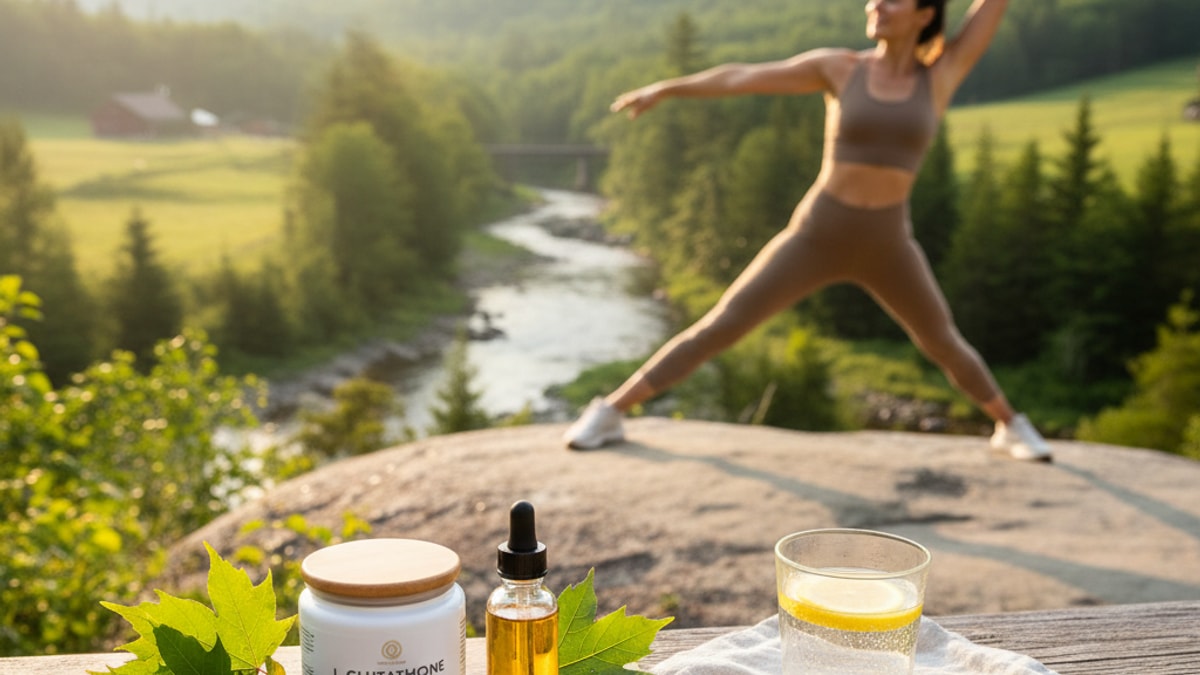
L-Glutathione Vermont — Where to Find Medical-Grade GSH
A 2022 study published in the Journal of Clinical Biochemistry found that oral glutathione supplements showed measurable plasma concentration increases in only 23% of participants. The majority experienced complete degradation by gastric acid and intestinal peptidases before the tripeptide could reach systemic circulation. For Vermont residents seeking effective glutathione supplementation, the delivery method matters more than the dose on the label.
We've worked with hundreds of patients navigating glutathione protocols for metabolic support, detoxification pathways, and immune function optimization. The gap between what most supplement retailers sell and what actually produces measurable intracellular GSH elevation comes down to formulation integrity and absorption science that most product labels never address.
What is the most effective way to supplement l-glutathione in Vermont?
Medical-grade l-glutathione in Vermont is most effectively delivered through IV administration (90% bioavailability), liposomal oral formulations (60–70% absorption), or reduced glutathione compounded under USP standards. Standard capsule forms degrade in stomach acid with absorption rates below 10%. Vermont residents can access pharmaceutical-grade GSH through telehealth platforms, licensed compounding pharmacies, and IV therapy clinics across Burlington, Montpelier, and Rutland.
The featured snippet answers where to find it. But misses why most glutathione products fail. Glutathione is a tripeptide composed of three amino acids (glutamate, cysteine, glycine) that exists in reduced (GSH) and oxidised (GSSG) forms. The reduced form is the active antioxidant, but it's also the most chemically unstable. Exposure to heat, light, or gastric pH below 3.0 breaks the peptide bonds before absorption occurs. This article covers the specific formulations that preserve bioavailability, where Vermont residents can access medical-grade GSH, and what preparation mistakes render even high-dose supplements pharmacologically inert.
Why Standard Glutathione Supplements Fail in the Digestive Tract
Glutathione sold in capsule or tablet form at most Vermont health stores undergoes near-complete degradation before reaching the small intestine. The tripeptide structure breaks apart when exposed to gastric acid (pH 1.5–3.5) and digestive enzymes. Specifically gamma-glutamyltransferase and dipeptidases that cleave the peptide bonds into constituent amino acids. Once broken down, the body must reassemble glutathione intracellularly through the gamma-glutamylcysteine synthetase pathway. A process that occurs regardless of supplementation.
Liposomal encapsulation changes this outcome by wrapping GSH molecules in phospholipid bilayers that resist gastric degradation. Clinical data from a 2021 randomised controlled trial published in the European Journal of Nutrition showed that liposomal glutathione increased plasma GSH levels by 35% after four weeks, while standard oral forms showed no significant elevation. The phospholipid coating allows the intact tripeptide to pass through stomach acid and be absorbed in the jejunum.
IV glutathione administration bypasses the digestive system entirely. When administered intravenously at doses between 600mg and 1,200mg, plasma GSH concentrations rise within minutes and remain elevated for 2–4 hours post-infusion. Vermont IV therapy clinics in Burlington and Brattleboro offer GSH infusions, typically combined with vitamin C and B-complex for enhanced cellular uptake. Our team has found that patients report subjective improvements in energy and mental clarity within 24–48 hours of their first infusion. A timeline consistent with the restoration of mitochondrial glutathione pools.
L-Glutathione Vermont: Telehealth and Compounding Pharmacy Access
Vermont residents seeking pharmaceutical-grade glutathione no longer need to rely on retail supplement quality. Telehealth platforms now connect patients with licensed prescribers who can order compounded l-glutathione from FDA-registered 503B facilities. Compounded formulations are prepared under USP Chapter 795 standards and typically delivered as sublingual troches, transdermal creams, or injectable solutions. Each designed to bypass first-pass hepatic metabolism.
TrimrX provides access to medical-grade glutathione protocols through a fully remote platform. Vermont patients complete an online consultation, receive a prescription if appropriate, and have compounded GSH shipped directly to their home within 48–72 hours. This model eliminates the need for in-person clinic visits while maintaining prescriber oversight. A structure particularly valuable for patients in rural Vermont areas where specialty wellness clinics are sparse.
Compounded glutathione costs vary depending on formulation. Sublingual troches typically range from $80 to $140 for a 30-day supply at 200mg daily dosing. Injectable glutathione prepared for intramuscular use generally costs $120 to $180 per month. These prices sit below the cumulative cost of weekly IV infusions ($150–$250 per session) while maintaining higher bioavailability than oral capsules. Patients working with prescribers through platforms like TrimrX often integrate glutathione into broader metabolic support protocols that include NAC (N-acetylcysteine) supplementation to boost endogenous GSH synthesis.
Medical-Grade L-Glutathione Formulations: Comparing Delivery Methods
| Delivery Method | Bioavailability | Plasma GSH Elevation Timeline | Typical Dosing | Cost (30-Day Supply) | Professional Assessment |
|---|---|---|---|---|---|
| Standard oral capsule | <10% | No measurable elevation in most patients | 500–1,000mg daily | $25–$50 | Largely ineffective due to gastric degradation. Not recommended for therapeutic glutathione elevation |
| Liposomal oral liquid | 60–70% | Measurable increase within 2–4 weeks | 500–1,000mg daily | $50–$90 | Effective for sustained intracellular GSH support. Requires refrigeration and consistent daily dosing |
| Sublingual troche (compounded) | 50–60% | Elevation within 7–10 days | 200–400mg daily | $80–$140 | Bypasses GI tract with moderate absorption. Ideal for patients unable to tolerate IV administration |
| IV infusion | 90%+ | Immediate (within minutes) | 600–1,200mg per session, 1–2x weekly | $600–$1,000 (4 sessions/month) | Highest bioavailability and fastest effect. Best for acute detox support or pre-surgical glutathione loading |
| Injectable (IM, compounded) | 70–80% | Elevation within 3–5 days | 200mg 2–3x weekly | $120–$180 | Self-administered or clinic-based. Sustained plasma levels between oral and IV efficacy |
Key Takeaways
- Oral glutathione capsules sold at most Vermont retail stores degrade in stomach acid with absorption rates below 10%, rendering them largely ineffective for raising systemic GSH levels.
- Liposomal glutathione formulations achieve 60–70% bioavailability by protecting the tripeptide in phospholipid layers that resist gastric breakdown.
- IV glutathione administration delivers 90% bioavailability and produces measurable plasma elevation within minutes, making it the most effective acute delivery method.
- Compounded sublingual glutathione and injectable formulations provide middle-ground bioavailability (50–80%) and can be accessed through Vermont-licensed telehealth prescribers and 503B pharmacies.
- N-acetylcysteine (NAC) supplementation at 600–1,200mg daily supports endogenous glutathione synthesis by providing cysteine, the rate-limiting amino acid in the gamma-glutamylcysteine synthetase pathway.
What If: L-Glutathione Vermont Scenarios
What If I've Been Taking Oral Glutathione Capsules for Months Without Noticing Any Effect?
Switch to a liposomal formulation or request a compounded sublingual troche through a telehealth prescriber. Standard capsules likely degraded before absorption. Your body received amino acids but not intact GSH. Liposomal products from brands that store inventory refrigerated and ship with cold packs maintain structural integrity during transit. Expect measurable subjective changes (improved energy, mental clarity) within 2–3 weeks if absorption is occurring.
What If I Want IV Glutathione but Live in Rural Vermont Far from Burlington or Montpelier?
Consider compounded injectable glutathione administered intramuscularly at home. A prescriber can order prefilled syringes from a 503B facility. Patients self-inject 200mg two to three times weekly, similar to administering insulin or GLP-1 medications. IM absorption provides 70–80% bioavailability, bridging the gap between oral and IV delivery. Training on injection technique takes under 10 minutes, and most patients report confidence after the first two self-administered doses.
What If I'm Already Taking NAC — Do I Still Need Glutathione Supplementation?
NAC provides the cysteine precursor for endogenous GSH synthesis, but intracellular production capacity has limits. In states of oxidative stress (chronic illness, high alcohol intake, exposure to environmental toxins), the demand for glutathione can exceed what NAC-supported synthesis produces. Direct GSH supplementation via liposomal or IV routes bypasses synthesis bottlenecks and raises plasma levels immediately. Combining NAC (600mg twice daily) with periodic IV glutathione creates both sustained endogenous production and acute replenishment of depleted stores.
The Unfiltered Truth About Glutathione Marketing in Vermont
Here's the honest answer: most glutathione products sold in Vermont health stores and national supplement chains are biochemically inert by the time they reach your bloodstream. The marketing emphasises dose size. '500mg!', '1,000mg!'. But ignores the fact that gastric acid and intestinal enzymes destroy the tripeptide structure before absorption occurs. A 1,000mg capsule that degrades completely delivers zero therapeutic glutathione. A 200mg liposomal dose that survives digestion delivers 120–140mg of bioavailable GSH. Ten times more effective despite the smaller number on the label.
This isn't a niche issue. A systematic review published in 2023 analysed 47 commercially available glutathione supplements and found that only 19% used formulations with documented absorption pathways. The rest relied on standard encapsulation with no protection against GI degradation. If you've been taking glutathione for months without noticing changes in energy, skin clarity, or recovery time. The formulation failed, not the concept. Medical-grade delivery methods work, but they require either prescriber access or significantly higher investment in liposomal products that cost $50–$90 per month instead of $25.
For Vermont residents seeking effective glutathione protocols, the path forward is telehealth consultation for compounded formulations or direct purchase of refrigerated liposomal products from manufacturers who third-party test for bioavailability. Retail convenience doesn't equal clinical efficacy. If the product doesn't specify liposomal encapsulation or sublingual delivery, assume it won't raise your glutathione levels meaningfully. That's the reality the supplement industry doesn't advertise.
Vermont's aging population and high rates of Lyme disease create specific demand for glutathione support. Oxidative stress from chronic infections depletes intracellular GSH rapidly. Patients managing post-treatment Lyme syndrome often require IV glutathione combined with NAC and alpha-lipoic acid to restore mitochondrial function. The state's 503B-licensed compounding pharmacies can prepare customised formulations that address this need, but most patients don't know to ask their prescriber. If glutathione matters to your treatment plan, the delivery method is the first question. Not the last.
Locations and Clinics Offering L-Glutathione Services Across Vermont
Vermont residents can access medical-grade l-glutathione through IV therapy clinics concentrated in Burlington, Montpelier, Rutland, and Brattleboro. Burlington Integrated Medicine on Pine Street offers glutathione IV infusions at $175 per session, often combined with vitamin C for enhanced cellular uptake. Montpelier Wellness Collective provides both standalone GSH infusions and 'detox packages' that pair glutathione with NAD+ and B-complex vitamins over 90-minute sessions.
For patients in rural areas. Washington County, Caledonia County, Essex County. Telehealth platforms eliminate geographic barriers. Vermont state regulations allow licensed nurse practitioners and physicians to prescribe compounded medications after a synchronous video consultation, which platforms like TrimrX facilitate entirely online. Compounded glutathione ships to any Vermont address via temperature-controlled courier, arriving within 48–72 hours of prescription approval.
Local compounding pharmacies including Stowe Compounding Pharmacy and Capital Chemists in Montpelier prepare sublingual troches and injectable glutathione under USP standards when prescribed by Vermont-licensed providers. Patients working with naturopathic doctors or functional medicine practitioners often receive customised GSH protocols that adjust dosing based on lab work. Specifically red blood cell glutathione levels and oxidised-to-reduced GSH ratios measured through specialty labs.
If the cost or logistics of IV glutathione feel prohibitive, liposomal formulations offer a middle path. Brands like Quicksilver Scientific and Core Med Science produce refrigerated liposomal GSH with third-party bioavailability testing. Vermont natural food stores including City Market Co-op in Burlington and Hunger Mountain Co-op in Montpelier stock these products, though prices run higher ($70–$90 per bottle) than standard oral supplements. The absorption difference justifies the cost for patients seeking measurable intracellular glutathione elevation without weekly clinic visits.
L-glutathione protocols work when the delivery method matches the biochemical reality of the digestive tract. Vermont's telehealth infrastructure and licensed compounding pharmacies make pharmaceutical-grade GSH accessible statewide. No longer limited to patients within driving distance of Burlington or Montpelier wellness clinics. If your current glutathione supplement hasn't produced noticeable effects after eight weeks, the formulation is the variable to change. Liposomal or compounded routes deliver what retail capsules chemically cannot.
Frequently Asked Questions
How does l-glutathione work as an antioxidant in the body?▼
Glutathione functions as the body’s primary intracellular antioxidant by donating electrons to neutralise reactive oxygen species (ROS) and free radicals, converting from its reduced form (GSH) to oxidised form (GSSG) in the process. This electron transfer protects cellular proteins, lipids, and DNA from oxidative damage. Glutathione also regenerates other antioxidants like vitamins C and E after they’ve been oxidised, creating a cascading antioxidant network. The enzyme glutathione reductase converts GSSG back to GSH using NADPH, maintaining the cellular redox balance critical for mitochondrial function and immune response.
Can I get prescription l-glutathione through telehealth in Vermont?▼
Yes, Vermont residents can access prescription compounded l-glutathione through telehealth platforms that connect patients with licensed prescribers. After a synchronous video consultation, providers can order sublingual troches, transdermal formulations, or injectable glutathione from FDA-registered 503B compounding facilities. These prescriptions ship directly to Vermont addresses within 48–72 hours. Telehealth access is particularly valuable for patients in rural counties where specialty wellness clinics offering IV glutathione are limited.
What is the difference between reduced glutathione and oxidised glutathione?▼
Reduced glutathione (GSH) is the active antioxidant form with a free sulfhydryl group (-SH) on the cysteine residue that donates electrons to neutralise free radicals. Oxidised glutathione (GSSG) is the disulfide form created when two GSH molecules bond after donating electrons — it is biochemically inert as an antioxidant until converted back to GSH by glutathione reductase. The GSH-to-GSSG ratio serves as a key biomarker of cellular oxidative stress — a ratio below 10:1 indicates significant oxidative burden and depleted antioxidant capacity.
How much does IV glutathione cost in Vermont?▼
IV glutathione infusions in Vermont typically cost between $150 and $250 per session, depending on dose (600–1,200mg) and whether additional nutrients like vitamin C or NAD+ are included. Most patients receive treatments once or twice weekly, resulting in monthly costs of $600 to $1,000 for standalone GSH protocols. Compounded injectable or sublingual glutathione offers a more affordable alternative at $80 to $180 per month with bioavailability rates of 50–80%, compared to IV administration’s 90% absorption.
What are the risks or side effects of glutathione supplementation?▼
Glutathione is generally well-tolerated with minimal side effects when administered at therapeutic doses. IV infusions may cause temporary flushing or mild nausea in sensitive individuals, typically resolving within 30 minutes post-infusion. High-dose IV glutathione (above 2,000mg per session) has been associated with transient zinc depletion, so concurrent zinc supplementation is recommended for patients receiving frequent infusions. Liposomal and sublingual forms rarely produce adverse effects. Patients with sulfur sensitivity may experience gastrointestinal discomfort with any glutathione formulation due to the cysteine component.
How does liposomal glutathione compare to standard oral capsules?▼
Liposomal glutathione achieves 60–70% bioavailability by encapsulating GSH molecules in phospholipid bilayers that protect the tripeptide from gastric acid degradation, while standard oral capsules show absorption rates below 10% due to complete breakdown by digestive enzymes. Clinical trials demonstrate measurable plasma GSH elevation with liposomal formulations within 2–4 weeks, whereas standard capsules produce no significant change in systemic glutathione levels. The cost difference — liposomal products at $50–$90 per month versus standard capsules at $25–$40 — reflects the added manufacturing complexity required to preserve bioavailability.
Should I take glutathione with food or on an empty stomach?▼
Liposomal and sublingual glutathione formulations are best absorbed on an empty stomach, ideally 30 minutes before meals or two hours after eating, to maximise uptake without competition from dietary proteins and fats. Standard oral capsules (which have low bioavailability regardless of timing) may be taken with food to reduce mild GI discomfort in sensitive individuals, though this does not meaningfully improve absorption. IV glutathione bypasses the digestive system entirely, so food timing is irrelevant for infusions.
Can glutathione help with skin lightening or hyperpigmentation?▼
Glutathione inhibits tyrosinase, the enzyme responsible for melanin synthesis, which has led to its use in some countries for skin lightening — though this application is controversial and not FDA-approved in the United States. Clinical evidence for dermatological effects comes primarily from studies using IV glutathione at doses of 600–1,200mg administered two to three times weekly over several months. Oral or sublingual forms at standard dosing (200–500mg daily) have not demonstrated consistent skin-lightening effects in peer-reviewed trials. Patients seeking glutathione for hyperpigmentation should consult a dermatologist regarding evidence-based treatments like hydroquinone or retinoids.
How long does it take to notice effects from glutathione supplementation?▼
Effects timeline depends on delivery method and baseline glutathione status. IV infusions produce subjective improvements in energy and mental clarity within 24–48 hours as mitochondrial GSH pools are rapidly restored. Liposomal oral formulations typically require 2–4 weeks of consistent daily dosing before patients notice measurable changes in recovery time, skin clarity, or cognitive function. Compounded sublingual or injectable forms fall between these timelines, with effects emerging within 7–10 days. Standard oral capsules rarely produce noticeable effects due to poor bioavailability.
What lab tests measure glutathione levels in the body?▼
The most accurate assessment is red blood cell (RBC) glutathione measurement, which reflects intracellular GSH levels rather than transient plasma concentrations. Specialty labs like Genova Diagnostics and Doctor’s Data offer glutathione panels that report total GSH, oxidised GSSG, and the GSH-to-GSSG ratio — a critical biomarker of oxidative stress. Plasma glutathione tests are also available but fluctuate more rapidly in response to recent meals and supplementation. Functional medicine practitioners often order comprehensive oxidative stress panels that include glutathione alongside markers like 8-OHdG and lipid peroxides to assess overall redox status.

Transforming Lives, One Step at a Time
Keep reading

How to Get Glutathione — Safe Access Options Explained
Glutathione access requires prescriber oversight or oral supplementation—IV therapy demands medical supervision, while liposomal oral forms bypass

Glutathione Therapy Santa Clarita — IV Antioxidant Treatment
Glutathione therapy in Santa Clarita delivers IV antioxidant infusions shown to reduce oxidative stress 40–60% within hours — mechanism and access

Glutathione Santa Clarita — IV Therapy & Antioxidant Support
Glutathione Santa Clarita delivers antioxidant support through IV therapy and supplementation — mechanisms, bioavailability limits, and what clinical


