Does Mounjaro Help Lipedema? Research and Symptoms
Introduction
Finding relief for lipedema often feels like an uphill battle against a condition that does not follow the traditional rules of weight loss. If you have spent years dealing with painful, symmetrical fat accumulation in your legs or arms that refuses to budge despite strict dieting and consistent exercise, you know the frustration of being misunderstood by the scale. Many people in the lipedema community are now asking if newer metabolic medications might finally offer a way forward. At TrimRx, we understand that managing a chronic condition requires more than just a standard weight loss plan; it requires a personalized approach that looks at the whole person. This article examines the current research regarding whether medications like Mounjaro® can support those living with lipedema, focusing on inflammation, metabolic health, and realistic expectations. While these medications are not a cure for lipedema, they may offer support for managing symptoms and improving overall quality of life when used as part of a supervised program.
Understanding Lipedema and the Search for Relief
Lipedema is a chronic condition characterized by a disproportionate and symmetrical accumulation of fatty tissue, primarily in the legs, hips, and sometimes the arms. Unlike general obesity, lipedema fat is often painful to the touch and contains tiny, pea-sized nodules under the skin. One of the most challenging aspects of this condition is its resistance to standard caloric restriction and cardiovascular exercise. Many individuals find that while they may lose weight in their upper body, their legs and lower body remain relatively unchanged.
Because lipedema is frequently misdiagnosed as simple obesity or lymphedema, many patients experience a long delay in receiving appropriate care. The search for relief often leads to interest in newer medications that act on metabolic pathways. Mounjaro, which contains the active ingredient tirzepatide, has gained attention because of its dual action on two specific hormones. People living with lipedema are increasingly curious if this metabolic approach can address the unique tissue changes and inflammatory pain that define the condition. For a broader overview of available approaches, review these lipedema treatment options involving lifestyle, medication, and surgery.
How Mounjaro Functions in the Body
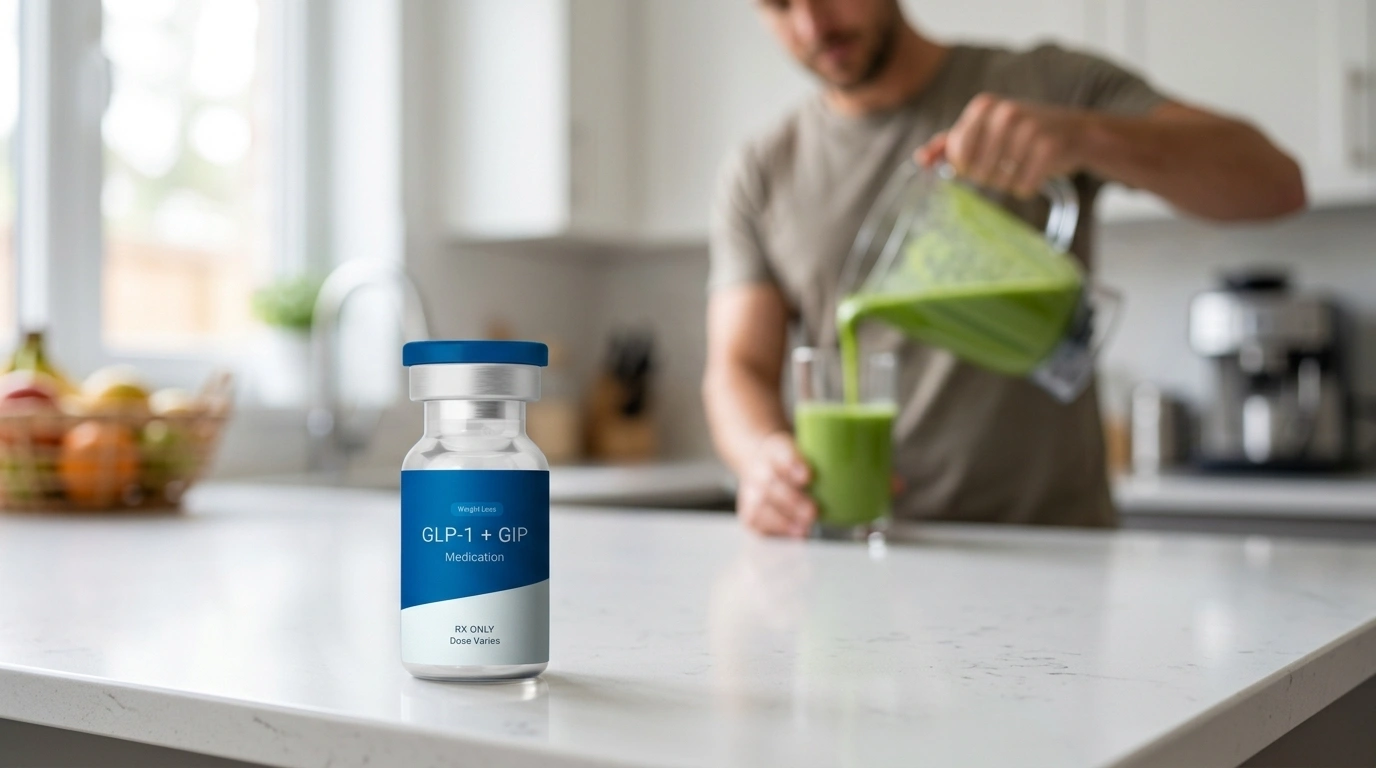
Mounjaro is a medication known as a dual receptor agonist. It works by mimicking two natural hormones in the body: glucagon-like peptide-1 (GLP-1) and glucose-dependent insulinotropic polypeptide (GIP). A receptor agonist is a substance that binds to a cell’s receptor and triggers a specific response, essentially mimicking the body’s natural signals to achieve a health outcome.
GLP-1 is a hormone produced in the gut that regulates blood sugar and appetite. It signals the brain to feel full and slows down gastric emptying, which is the speed at which food leaves the stomach. GIP is another hormone that helps regulate insulin and, more importantly for those with lipedema, may play a direct role in how fat cells store and use energy. While many popular medications only target the GLP-1 receptor, the inclusion of GIP in tirzepatide is thought to provide a more comprehensive metabolic signal. You can also read this clinical review of tirzepatide and lipedema for additional context.
Quick Answer: Mounjaro is not FDA-approved to treat lipedema, but research suggests it may help manage secondary symptoms like systemic inflammation and pain. While it may not specifically eliminate lipedema-specific fat, it can support overall weight management and reduce the mechanical load on affected limbs.
If you are considering whether a prescription program may be appropriate for your health history, you can complete a free eligibility assessment.
Does Mounjaro Help Lipedema Fat Directly?
The most critical question for many is whether these medications can actually “melt away” lipedema-specific fat. Current medical consensus suggests that lipedema fat is pathologically different from “normal” white adipose tissue. It is often characterized by fibrosis—a type of internal scarring or hardening of the tissue—and a unique inflammatory profile.
Research indicates that while GLP-1 and GIP medications are highly effective at reducing visceral fat and standard subcutaneous fat, their effect on diseased lipedema fat is still being studied. Preliminary evidence and patient reports suggest that while the volume of the limbs might not decrease as rapidly as other areas of the body, the “quality” of the tissue may change. Many report that the fat becomes softer and the painful nodules feel less prominent. This distinction is also discussed in this overview of how GLP-1 medications may help with lipedema.
- Visceral Fat Reduction: The medication is highly effective at reducing the deep fat that impacts metabolic health.
- Mechanical Relief: By losing non-lipedema fat, the overall weight on the joints and lymphatic system is reduced.
- Tissue Texture: Some patients report that their lipedema tissue feels less “tight” or “congested” after starting treatment.
Key Takeaway: Mounjaro is primarily designed for blood sugar control and general weight management; it should be viewed as a tool to improve the metabolic environment rather than a direct cure for lipedema fat.
The Role of Inflammation in Lipedema Management
Inflammation is a cornerstone of the lipedema experience. This is not just a cosmetic issue; the inflammation within the fatty tissue is what typically causes the characteristic pain, heaviness, and easy bruising. When the body is in a state of chronic low-grade inflammation, it can also lead to fluid retention, further increasing the volume and discomfort of the limbs.
Tirzepatide has demonstrated the ability to lower systemic inflammatory markers, such as C-reactive protein (CRP). By reducing the inflammatory signals in the body, the medication may help “turn down the volume” on the pain signals generated in the lipedema-affected areas. This anti-inflammatory effect is often reported by patients even before significant weight loss occurs. For more information about when medication may fit into a broader care plan, review when to consider medication for lipedema.
Potential Benefits: Pain, Swelling, and Mobility
For someone living with Stage 2 or Stage 3 lipedema, every pound lost can translate to improved mobility. The mechanical burden of carrying excess weight in the legs can lead to secondary issues like gait changes and joint pain, particularly in the knees and hips.
- Pain Reduction: Reduced inflammation may lead to a decrease in the hypersensitivity of the skin and a lessening of the “aching” feeling in the legs.
- Reduced Swelling: By improving metabolic health and potentially reducing tissue pressure, some individuals see a decrease in fluid accumulation.
- Enhanced Mobility: As the overall weight burden decreases, it may become easier to engage in low-impact movement like walking or swimming, which can support lymphatic health.
- Improved Metabolic Health: Many people with lipedema also struggle with insulin resistance, which Mounjaro is specifically designed to address.
Note: If you have been diagnosed with lipedema, it is essential to work with a licensed healthcare provider who can monitor your progress and ensure the medication is appropriate for your specific stage and health history.
Important Considerations: Muscle Mass and the Lymphatic Pump
While the weight loss associated with GIP and GLP-1 medications can be beneficial, there is a specific risk that those with lipedema must manage: the loss of lean muscle mass, often called sarcopenia. In the legs, the muscles act as a pump for the lymphatic system. If you lose significant muscle while on a weight loss program, your body’s ability to move lymphatic fluid may decrease, potentially worsening swelling in the long run.
To mitigate this risk, individuals using these medications should prioritize two things:
- High Protein Intake: Ensuring you consume enough protein helps preserve muscle tissue during the weight loss process.
- Resistance Training: Engaging in muscle-strengthening exercises, even at a low intensity, is vital to keep the “lymphatic pump” functioning effectively.
This article on exercise protocols that may support people with lipedema provides additional movement-related information to discuss with a qualified professional.
Managing Side Effects on a GLP-1 Treatment Path
Like all medications, tirzepatide can cause side effects, particularly during the initial weeks of treatment or when the dose is increased. Most of these are gastrointestinal in nature. Because many people with lipedema also report sensitive digestive systems or conditions like Irritable Bowel Syndrome (IBS), managing these effects carefully is paramount.
Common side effects include:
- Nausea or stomach upset
- Changes in bowel habits (constipation or diarrhea)
- Reduced appetite or “food noise”
- Fatigue, especially during the first few days after an injection
To manage these, many providers recommend starting at the lowest possible dose and increasing gradually. This approach helps the body adjust and may minimize the impact on your daily life. Staying hydrated and eating smaller, more frequent meals can also help. You can review this guide to common GLP-1 side effects and management before discussing treatment with a licensed provider.
The Importance of a Personalised Approach
Lipedema is a complex, multi-system disorder. It is rarely solved by one single intervention. Instead, success usually comes from a multimodal approach that combines various strategies. Our platform, TrimRx, helps connect you with licensed providers who can evaluate your health history to determine if a GLP-1 or GLP-1 + GIP medication is right for you. We focus on a personalized journey because we know that every body—especially one dealing with lipedema—responds differently.
A comprehensive program might include the use of prescription medication alongside conservative measures. This ensures that while you are addressing the metabolic and inflammatory drivers of the condition, you are also supporting your body’s physical structure and lymphatic health. If you would like to discuss whether a personalized program may fit your needs, you can start the assessment process.
Lifestyle Support: Nutrition and Movement
Medication is a powerful tool, but it works best when supported by lifestyle choices that respect the unique needs of lipedema tissue. While there is no “perfect” lipedema diet, many experts suggest an anti-inflammatory approach.
- Anti-Inflammatory Nutrition: Focus on whole foods, healthy fats like omega-3s, and plenty of colorful vegetables. Some individuals find success with the Mediterranean diet or a lower-carbohydrate approach to manage insulin levels.
- Low-Impact Movement: Activities like water aerobics or swimming are ideal because the water provides natural compression while you move.
- Hydration: Drinking enough water is crucial for supporting normal body functions.
- Compression Therapy: Even while on medication, continuing to wear medical-grade compression garments can help manage swelling and support the tissue.
Comparing Treatment Options: Injectables vs. Surgery
It is important to have realistic expectations regarding what medication can achieve compared to surgical options.
| Feature | Mounjaro (Tirzepatide) | Lipedema Surgery (Liposuction) |
|---|---|---|
| Primary Goal | Metabolic health and systemic weight loss. | Direct removal of diseased fat tissue. |
| Effect on Pain | May reduce pain through changes in metabolic health and inflammation. | May reduce pain by removing pressure-inducing fat. |
| Indication | May be considered based on individual health factors. | Specifically considered for lipedema fat removal. |
| FDA Approval | Approval depends on the specific medication and indication. | Surgical procedure rather than a drug. |
| Sustainability | May require ongoing planning for maintenance. | Permanently removes targeted cells, though symptoms may still require ongoing care. |
For many, these are not “either/or” options. Some providers recommend using medications to achieve a healthier baseline weight and reduce systemic inflammation before undergoing specialized lipedema surgery. This can make the surgery safer and the recovery more manageable.
Clinical Research and Future Outlook
While we have substantial data on how tirzepatide works for general obesity and Type 2 diabetes, large-scale randomized controlled trials specifically for lipedema are still in their early stages. However, small case series and retrospective studies have shown promising results. For example, a 2024 retrospective study of women with lipedema treated with tirzepatide found improvements in symptom scores, including reports of less pain and better mobility.
As awareness of lipedema grows within the medical community, more research is being directed toward how GIP and GLP-1 receptor agonists might modify the disease. For now, the evidence remains largely anecdotal or based on small groups, but the biological plausibility—that reducing inflammation and improving insulin sensitivity helps lipedema—is still being studied.
Key Takeaway: The future of lipedema treatment may include metabolic medications as part of a holistic care plan, but they must be used carefully to avoid muscle loss.
Conclusion
Lipedema is a challenging condition that requires patience, empathy, and a science-based approach. While Mounjaro was not created specifically for lipedema, its ability to address inflammation, insulin resistance, and overall weight management makes it a potential option for some people struggling with the condition’s secondary symptoms. At TrimRx, we believe that you deserve a weight management program that honors your unique health journey and provides the professional guidance necessary to navigate these new medical options safely.
- Mounjaro may help reduce systemic inflammation associated with lipedema pain.
- Weight loss from medication may reduce mechanical pressure on the lymphatic system.
- Preserving muscle mass through protein and exercise is important while using these drugs.
- A personalized telehealth program can provide medical supervision during treatment.
“The goal is not just a lower number on the scale, but a body that feels lighter, moves easier, and experiences less pain every day.”
The first step in any successful weight loss journey is understanding your options. If you are ready to see if a personalized, medically supervised program is the right fit for your needs, you can take the free assessment quiz.
FAQ
Is Mounjaro specifically approved by the FDA for lipedema?
No, Mounjaro is FDA-approved for the treatment of Type 2 diabetes, while its sister drug Zepbound® is approved for chronic weight management. Using Mounjaro for lipedema is considered an off-label use, which is why it is essential to consult with a licensed healthcare provider to discuss your specific medical needs and eligibility. You can review whether a personalized program may be a fit.
Will Mounjaro get rid of the “lumpy” fat on my legs?
While Mounjaro can lead to overall weight loss, lipedema fat is notoriously resistant to traditional weight loss methods. Some patients report that the tissue becomes softer and less painful, but the medication may not completely eliminate the characteristic nodules or the “column-like” appearance of the legs without additional therapies like compression or surgery.
Can I take Mounjaro if I have a normal BMI but struggle with lipedema pain?
Most current guidelines for GLP-1 and GIP medications consider BMI and other health factors when evaluating eligibility. If your BMI is in the normal range, a licensed provider would typically look at other management strategies first, though they will always evaluate your health on an individual basis during a consultation. This lipedema medication decision guide explains why individual circumstances matter.
What happens to my lipedema symptoms if I stop taking the medication?
Research in general weight management shows that weight regain can occur once GLP-1 medications are discontinued. For those with lipedema, stopping the medication may also lead to changes in metabolic health and associated symptoms, making long-term maintenance planning an important part of your treatment program.
TrimRX does not practice medicine or prescribe medications. Compounded medications are not FDA-approved and are not evaluated by the FDA for safety or efficacy. Results vary by individual and are not guaranteed.
Disclaimer: This content is for informational purposes only and does not constitute medical advice. It is not intended to diagnose, treat, cure, or prevent any disease or condition. Individual results may vary. Always consult a qualified healthcare professional before starting any weight loss program or medication.

Transforming Lives, One Step at a Time
Keep reading

When You and Your Spouse Are Both on Mounjaro
It is increasingly common for both people in a couple to be on the same medication. Sometimes one partner starts and the other follows…

Black Friday Shopping on Mounjaro
For a lot of families, Black Friday is a tradition: lining up before dawn, racing through stores with a list, and shopping until the…

Mounjaro Alternatives: What Else to Consider
If Mounjaro isn’t the right fit, the closest alternatives are other GLP-1 medications, chiefly semaglutide (Ozempic for diabetes, Wegovy for weight), along with a…


