Can Mounjaro Help With Fatty Liver
Introduction
Finding out you have fatty liver disease often feels like receiving a silent warning. You might not feel any different, but your lab results tell a story of metabolic stress that could lead to serious long-term health concerns. For many, the frustration lies in being told to “just lose weight” without being given the tools to make that possible. At TrimRx, we believe that understanding the science behind your health is the first step toward effective change. This post explores whether Mounjaro®, a dual-agonist medication, can help manage fatty liver and what the latest clinical research says about its impact on liver health. Research suggests that the metabolic benefits of this medication may go far beyond just numbers on a scale, and you can take the free assessment quiz if you want to see whether a personalized program makes sense for you.
What Is Fatty Liver Disease?
Fatty liver disease is a condition where excess fat builds up inside liver cells. While it is normal for the liver to contain some fat, it becomes a medical concern when fat makes up more than 5% to 10% of the organ’s total weight. For a long time, the medical community called this non-alcoholic fatty liver disease (NAFLD). However, experts recently updated the name to metabolic dysfunction-associated steatotic liver disease (MASLD). This new name better reflects how the condition is tied to overall metabolic health, including weight, blood sugar, and cholesterol levels.
The condition typically moves through several stages:
- Simple Steatosis: This is the early stage where fat accumulates but hasn’t caused significant inflammation or damage.
- MASH (Metabolic Dysfunction-Associated Steatohepatitis): Formerly known as NASH, this is a more aggressive form where the fat causes the liver to become inflamed and damaged.
- Fibrosis: Ongoing inflammation leads to the formation of scar tissue in the liver and nearby blood vessels.
- Cirrhosis: This is the most advanced stage, where extensive scarring replaces healthy liver tissue, potentially leading to liver failure.
Because fatty liver is often “silent,” many individuals do not realize they have it until a routine blood test shows elevated liver enzymes or an ultrasound reveals fat deposits.
How Mounjaro Works on Metabolic Health
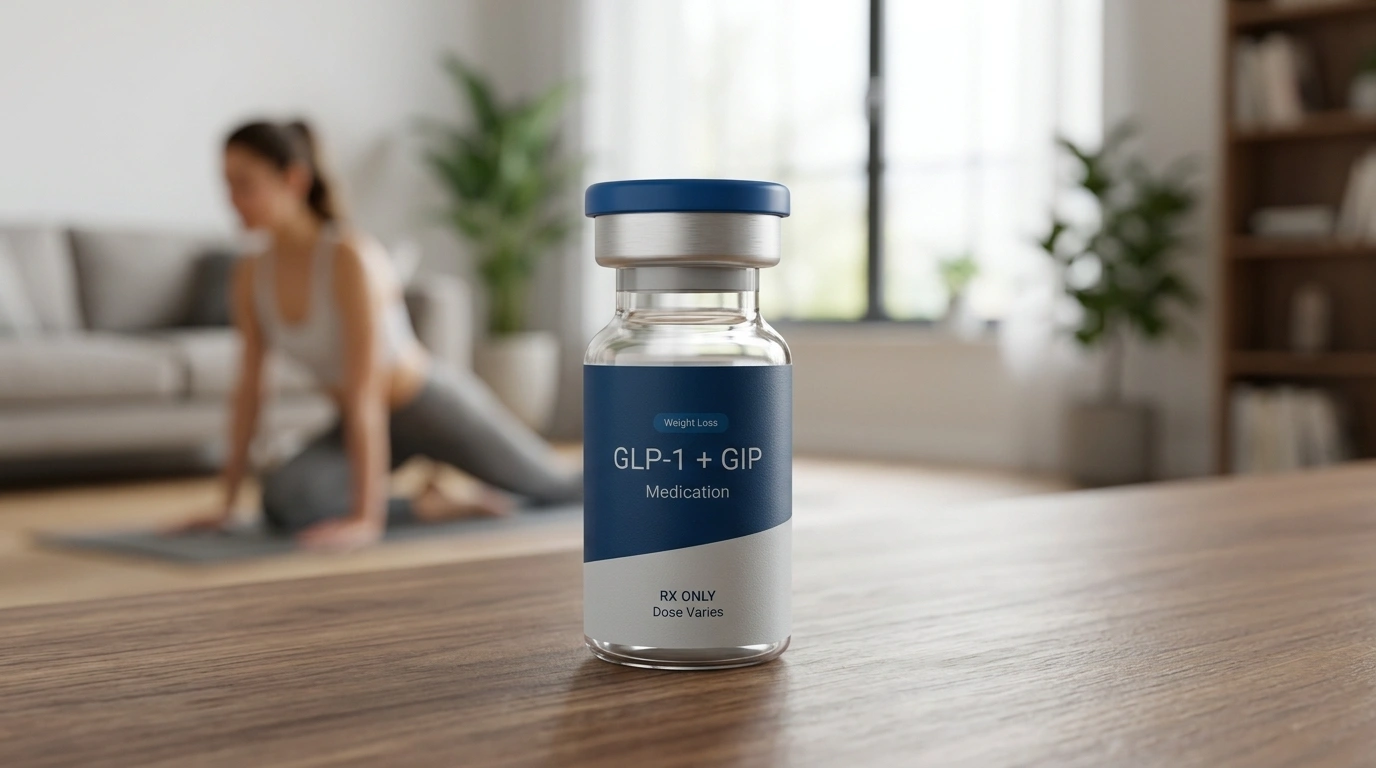
Mounjaro is the brand name for tirzepatide, a medication that belongs to a class of drugs known as dual agonists. Unlike older medications that only target one hormone pathway, tirzepatide mimics two naturally occurring hormones in the body: glucagon-like peptide-1 (GLP-1) and glucose-dependent insulinotropic polypeptide (GIP). If you want a deeper explanation of the hormone side of this process, what GLP-1 does in metabolism and weight management is a helpful companion read.
GLP-1 is a hormone released by the gut after eating. It tells the brain you are full, slows down how quickly your stomach empties, and helps the pancreas release the right amount of insulin. GIP is another hormone that helps regulate energy balance and how the body stores fat. By activating both receptors, tirzepatide provides a more potent effect on blood sugar and weight management than targeting GLP-1 alone.
Key Takeaway: Mounjaro is a dual-receptor agonist that mimics the GLP-1 and GIP hormones, working to regulate appetite, improve insulin response, and change how the body processes and stores fat.
Can Mounjaro Help With Fatty Liver?
The short answer is that clinical evidence is very promising. While Mounjaro® is currently FDA-approved for the treatment of type 2 diabetes and chronic weight management (under the brand name Zepbound®), researchers have been closely studying its effects on the liver. Because fatty liver is primarily driven by metabolic dysfunction and excess weight, any medication that successfully addresses those two factors is likely to have a positive impact on the liver. For a closer look at the medication itself, see how tirzepatide works.
Research suggests that tirzepatide helps the liver through several interconnected pathways:
- Reduction of Visceral Fat: The medication helps the body shed “deep” fat, including the fat that surrounds the internal organs and infiltrates the liver itself.
- Improved Insulin Sensitivity: When the body becomes more sensitive to insulin, it stops sending as many free fatty acids to the liver, which reduces the “fuel” for fatty liver disease.
- Direct Anti-inflammatory Effects: Some studies suggest that GLP-1 and GIP receptors in the body may help dampen the inflammatory response that leads from simple fat buildup to more dangerous liver scarring.
The SYNERGY-NASH Clinical Trial Results
The most significant evidence regarding Mounjaro and fatty liver comes from the SYNERGY-NASH phase 2 clinical trial. This study specifically looked at how tirzepatide affected patients with MASH (the inflammatory version of fatty liver) and moderate to severe liver scarring (fibrosis).
The results, published in mid-2024, showed a stark difference between patients taking the medication and those taking a placebo. At the highest dose (15 mg), roughly 62% of participants saw a complete resolution of their MASH after one year of treatment. This means the active inflammation and liver cell damage had stopped. In contrast, only about 10% of the placebo group saw similar results. For more context on why that kind of outcome matters, how GLP-1 actually works for weight loss is a useful place to start.
| Outcome Measure | Placebo | Tirzepatide (5mg) | Tirzepatide (10mg) | Tirzepatide (15mg) |
|---|---|---|---|---|
| MASH Resolution | ~10% | ~44% | ~56% | ~62% |
| Liver Fat Reduction | Minimal | ~30% | ~47% | ~40% (avg) |
| Fibrosis Improvement | ~30% | ~55% | ~51% | ~51% |
Note: Data based on findings from the SYNERGY-NASH trial at 52 weeks.
Quick Answer: Yes, clinical trials have shown that tirzepatide (the active ingredient in Mounjaro) can significantly reduce liver fat and help resolve the inflammation associated with fatty liver disease in a majority of patients.
Can Mounjaro Reverse Liver Scarring?
One of the most critical questions for patients is whether the damage already done to the liver can be undone. Liver scarring, or fibrosis, was previously thought to be permanent. However, we now know that if the underlying cause of the damage—such as excess fat and inflammation—is removed, the liver has a remarkable ability to heal itself.
The SYNERGY-NASH trial found that about half of the participants taking tirzepatide saw an improvement in their fibrosis by at least one stage. While “reversal” is a complex medical term, these results suggest that by stopping the active disease (MASH), the medication creates an environment where the liver can begin to clear out old scar tissue.
It is important to note that the study focused on stages F2 and F3 (moderate to severe scarring). It did not focus on stage F4 (cirrhosis), which is the most advanced form of scarring. If you have been diagnosed with cirrhosis, it is essential to consult with a hepatologist (liver specialist) to determine if these treatments are safe or appropriate for your specific stage of disease.
How Weight Loss Impacts Liver Health
Weight loss remains the “gold standard” for treating metabolic fatty liver disease. However, the amount of weight loss required to see results is specific. Doctors generally look for three major milestones:
- 5% Weight Loss: Often enough to begin reducing the amount of fat stored in the liver.
- 7% Weight Loss: Frequently associated with a reduction in liver inflammation.
- 10% or More Weight Loss: The threshold usually required to see an improvement in liver scarring (fibrosis) and full resolution of MASH.
Because participants on tirzepatide often lose between 15% and 22% of their total body weight, they frequently exceed the 10% threshold needed for significant liver recovery. This explains why the medication is so effective for liver health—it tackles the root cause by facilitating substantial, sustainable weight loss.
What to Expect: Timelines for Liver Improvement
If you are starting a personalized weight loss program that includes a GLP-1 or dual-agonist medication, you might wonder how quickly your liver will respond. Liver health markers generally improve in a specific sequence. If you want a better sense of why hydration can matter during that transition, Does Water Increase Weight Loss? The Science of Hydration and Metabolism is a helpful read.
The First Few Months
During the first 3 to 6 months, many patients see a significant drop in their liver enzymes, specifically ALT (alanine aminotransferase) and AST (aspartate aminotransferase). When these numbers go down, it usually indicates that there is less stress and damage occurring in the liver cells. You may also see improvements in your fasting blood sugar and triglyceride levels.
The Six-Month Mark
By the six-month mark, imaging tests like an ultrasound or a FibroScan may show a visible reduction in the amount of fat stored in the liver. Most patients will have reached a therapeutic dose of their medication by this time and will be experiencing consistent weight loss.
One Year and Beyond
The resolution of inflammation (MASH) and the potential improvement of scar tissue (fibrosis) are slower processes. The clinical trials showed the most dramatic results at the one-year mark (52 weeks). Patience is key, as the liver needs time to regenerate healthy tissue and break down years of accumulated damage.
Potential Side Effects and Liver Safety
While Mounjaro is generally considered safe for the liver, all medications have potential side effects. The most common issues are gastrointestinal, such as nausea, diarrhea, vomiting, or constipation. These usually occur when you first start the medication or when your dose is increased. If you want practical strategies for handling those symptoms, Nausea and GLP-1 Medications: Solutions That Work is a useful companion resource.
A Note on Liver Enzymes: In very rare cases, some individuals may experience a temporary spike in liver enzymes when starting a new medication. While the long-term trend for patients on tirzepatide is a decrease in liver enzymes, your healthcare provider will likely monitor your blood work periodically to ensure your liver is responding well to the treatment. If lower appetite or nausea makes it harder to keep up with nutrition, GLP-1 Daily Support may help support your routine during treatment.
Important: If you experience severe abdominal pain, yellowing of the skin or eyes (jaundice), or dark-colored urine, contact your healthcare provider immediately. These can be signs of gallbladder or liver issues that require medical attention.
Supporting Your Liver Through Lifestyle
While medications like Mounjaro® can be incredibly powerful, they are most effective when used as part of a comprehensive lifestyle change. The liver is the body’s primary processing plant, and what you put into your body matters.
Focus on Fiber and Protein
High-fiber foods help regulate blood sugar, which reduces the demand on the liver. Protein is essential for maintaining muscle mass during weight loss. When you lose weight too quickly without enough protein, your body may break down muscle, which can actually slow your metabolic rate. If you want extra metabolic support while you build those habits, the Weight Loss Boost supplement can be a useful addition.
Avoid Refined Sugars
Fructose, a type of sugar found in corn syrup and many processed foods, is particularly hard on the liver. Unlike glucose, which can be used by any cell in the body, fructose must be processed entirely by the liver. Too much fructose can be directly converted into liver fat through a process called de novo lipogenesis.
Limit Alcohol
If you have fatty liver disease, alcohol is an added stressor. Alcohol and metabolic dysfunction can work together to accelerate liver damage. Even small amounts of alcohol can hinder the progress you are making with your weight loss program.
How to Get Started With a Personalized Program
Accessing modern weight loss treatments doesn’t have to involve long waits or impersonal clinic visits. At TrimRx, we specialize in a telehealth-first approach that prioritizes your unique health profile. We connect you with licensed providers who understand the complexities of metabolic health and fatty liver disease.
The TrimRx Process:
- Assessment: You start by taking our free online assessment quiz. This helps us understand your medical history, your BMI, and your specific goals.
- Consultation: A licensed healthcare provider reviews your information to determine if a GLP-1 or dual-agonist medication is safe and appropriate for you.
- Personalized Plan: If eligible, you receive a customized treatment plan. This may include compounded medications shipped directly from FDA-registered, inspected compounding pharmacies.
- Ongoing Support: You have 24/7 access to our team of specialists to help you manage side effects and track your progress.
Our goal is to make the journey to better health transparent and accessible. If you want to see whether you’re a fit for a personalized program, take the free assessment quiz.
The Future of Liver Health
The landscape of liver health is changing rapidly. For years, there were no approved medications specifically for fatty liver disease. Today, the success of dual agonists like tirzepatide is opening new doors for millions of people. While we wait for these medications to receive formal FDA approval specifically for the treatment of MASH, their current availability for weight management and diabetes provides a powerful option for those struggling with metabolic health.
Key Takeaway: Sustainable weight loss is the most effective way to treat fatty liver. Using a dual-agonist medication under medical supervision can help you reach the 10% weight loss threshold required to potentially resolve liver inflammation and scarring.
Conclusion
The data is clear: Mounjaro® and its active ingredient, tirzepatide, have shown significant potential in helping to resolve fatty liver disease and even improve liver scarring. By addressing the underlying metabolic triggers—excess weight and insulin resistance—this medication helps “unload” the liver and allows it to begin the healing process. However, medication is only one piece of the puzzle. A truly successful journey requires a personalized approach that includes medical guidance, nutritional support, and long-term lifestyle adjustments.
At TrimRx, we are committed to being your partner in this journey. We combine clinical expertise with the convenience of telehealth to help you take control of your metabolic health. Whether you are looking to lose weight to support your liver or simply want to feel better in your daily life, we are here to provide the science-backed support you deserve. If you’re ready to take the next step, take the free assessment quiz.
- Step 1: Reflect on your health goals and any symptoms you’ve been experiencing.
- Step 2: Take our free health assessment quiz to see if you qualify for a personalized program.
- Step 3: Consult with a provider to discuss how a GLP-1 or dual-agonist medication might fit into your liver health strategy.
FAQ
Is Mounjaro FDA-approved specifically for fatty liver disease?
No, Mounjaro is currently FDA-approved for the treatment of type 2 diabetes, while its sister brand Zepbound is approved for chronic weight management. While it is not yet specifically approved for MASH (fatty liver), many doctors prescribe these medications “off-label” or for weight management, knowing they have significant benefits for liver health. If you want to see whether a personalized program is a fit for your goals, take the free assessment quiz.
How much weight do I need to lose to improve my fatty liver?
Clinical guidelines suggest that losing 5% of your body weight can reduce liver fat, while 7% can reduce inflammation. To see a potential reversal of liver scarring (fibrosis) or a full resolution of MASH, a weight loss of 10% or more is typically required. For a deeper look at the broader biology behind that threshold, How GLP-1 Actually Works for Weight Loss: The 2026 Breakdown explains the mechanism in more detail.
Can I take Mounjaro if I already have liver scarring?
In clinical trials, patients with moderate to severe scarring (stages F2 and F3) showed significant improvement while taking tirzepatide. However, if you have advanced cirrhosis (stage F4), you must consult with a liver specialist, as the medication’s safety in that specific population is still being studied.
Does the liver fat come back if I stop taking the medication?
Fatty liver disease is a chronic metabolic condition. If a person stops the medication and returns to previous eating and activity habits, the weight—and the liver fat—will likely return. Maintaining improvements requires long-term lifestyle changes and, in many cases, ongoing medical support. If you want to think through the long-term treatment question, Can You Take Tirzepatide Forever? Navigating Your Long-Term Weight Management Journey is a good place to continue.
Disclaimer: This content is for informational purposes only and does not constitute medical advice. It is not intended to diagnose, treat, cure, or prevent any disease or condition. Individual results may vary. Always consult a qualified healthcare professional before starting any weight loss program or medication.

Transforming Lives, One Step at a Time
Keep reading

Mounjaro Alternatives: What Else to Consider
If Mounjaro isn’t the right fit, the closest alternatives are other GLP-1 medications, chiefly semaglutide (Ozempic for diabetes, Wegovy for weight), along with a…

Mounjaro vs Zepbound: Same Drug, Two Brands
Like their semaglutide counterparts, Mounjaro and Zepbound are the same medication (tirzepatide) sold under two names for two purposes: Mounjaro is approved for type…

Retatrutide vs Mounjaro: Triple Agonist vs Dual Agonist
The core difference between retatrutide and Mounjaro comes down to how many hormone targets each hits: retatrutide activates three receptors, while Mounjaro (tirzepatide) activates…


