Does Mounjaro Help the Liver?
Introduction
Hearing that you have elevated liver enzymes or “fatty liver” during a routine checkup can feel overwhelming and confusing. Many people who struggle with their weight also face challenges with metabolic liver health, leading to questions about how modern treatments might help. You may be wondering if the same medications used for weight management can also protect your liver from long-term damage. At TrimRx, we focus on helping you understand the science behind these treatments so you can make informed decisions about your health. This article explores recent clinical evidence regarding the effects of GLP-1 and GIP medications on liver fat and inflammation. While these medications are primarily used for type 2 diabetes and weight management, research suggests they may provide significant benefits for metabolic liver function. You can also review Mounjaro fatty liver treatment evidence before deciding whether to complete a free assessment quiz.
Understanding GLP-1 and GIP in Liver Health
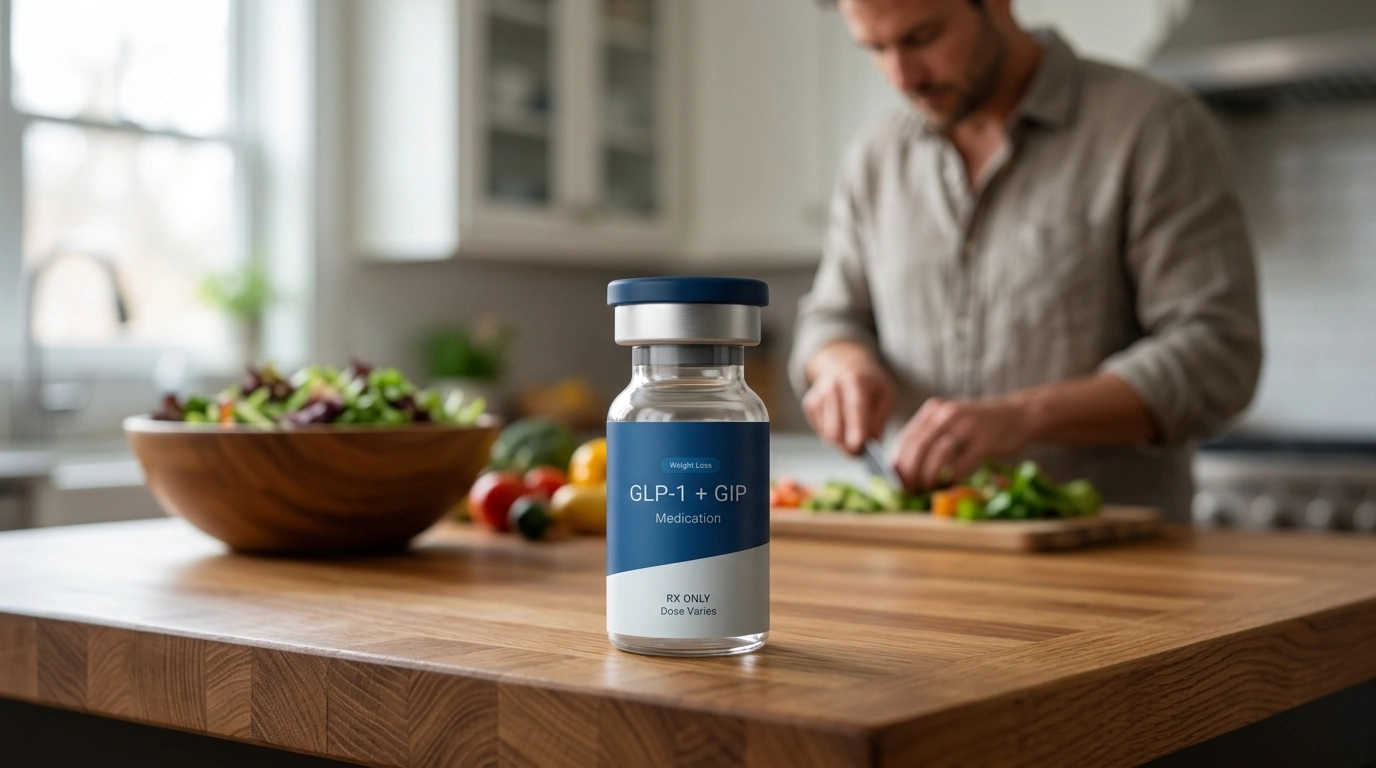
To understand how Mounjaro® may affect the liver, it is helpful to look at its active ingredient, tirzepatide. This medication belongs to a class of drugs known as dual receptor agonists. It mimics two natural hormones in the body: glucagon-like peptide-1 (GLP-1) and glucose-dependent insulinotropic polypeptide (GIP). Both of these hormones play vital roles in how your body processes sugar and stores fat.
GLP-1 is a hormone that tells your brain you are full and helps your pancreas release the right amount of insulin. GIP is another hormone that helps regulate blood sugar and may improve how your body breaks down fat cells. When these two pathways work together, they do more than just reduce hunger. They create a metabolic environment that helps the body process energy more efficiently, which is a critical factor in liver health. For more detail, read about how tirzepatide works.
Quick Answer: Clinical studies, such as the SYNERGY-NASH trial, have shown that tirzepatide can significantly reduce liver fat and resolve inflammation in many participants. While it is not specifically FDA-approved to treat liver disease, the weight loss and metabolic improvements it supports often lead to better liver health markers.
The Spectrum of Metabolic Liver Disease
The liver is the primary metabolic engine of the body. When metabolic health is compromised, fat can begin to accumulate within liver cells. This condition was historically called non-alcoholic fatty liver disease (NAFLD), but the medical community recently updated the terminology to better reflect the underlying causes.
Today, the condition is referred to as metabolic dysfunction-associated steatotic liver disease (MASLD). This name highlights that the fat buildup is directly linked to metabolic issues like obesity, high blood sugar, and insulin resistance. If the fat buildup leads to inflammation and cell damage, the condition progresses to metabolic dysfunction-associated steatohepatitis (MASH). This GLP-1 and fatty liver overview explains how these conditions fit into the broader treatment landscape.
MASH is a more serious stage where the liver becomes inflamed. Over time, this inflammation can cause scarring, known as fibrosis. If the scarring becomes severe, it can lead to cirrhosis, which is permanent damage to the liver tissue. Because MASLD and MASH are driven by metabolic dysfunction, researchers are looking closely at how medications that improve metabolism might stop or even reverse this process.
What Research Says About Mounjaro and the Liver
The most compelling evidence for how tirzepatide affects the liver comes from the SYNERGY-NASH clinical trial. This study focused specifically on individuals with biopsy-confirmed MASH and moderate to severe liver scarring. The results, published in 2024, showed that a significant number of participants experienced a resolution of liver inflammation.
In the study, 62% of participants taking the highest dose of tirzepatide achieved MASH resolution without their scarring getting worse. This is a significant finding because, until recently, there were very few medical options for directly addressing liver inflammation. Participants also saw a dramatic reduction in liver fat, with some seeing decreases of over 50% as measured by MRI scans. See the related discussion of tirzepatide and fatty liver research.
While these results are promising, it is important to note that Mounjaro is not currently FDA-approved specifically for the treatment of MASH or MASLD. It is approved for type 2 diabetes, while its sister medication, Zepbound®, is approved for chronic weight management. However, many healthcare providers look at liver health as a primary goal when managing a patient’s metabolic profile.
Key Takeaway: Clinical research indicates that tirzepatide helps resolve liver inflammation (MASH) in over half of studied patients, largely by improving insulin sensitivity and promoting significant weight loss.
How Weight Loss Benefits Liver Function
Weight loss is considered the most effective way to improve metabolic liver health. Clinical guidelines from major liver associations suggest that losing even 5% of your total body weight can begin to reduce the amount of fat stored in the liver. However, reaching a 10% weight loss threshold is often necessary to resolve inflammation and begin improving liver scarring.
Medications like tirzepatide support weight loss that often exceeds these clinical thresholds. Many individuals lose between 15% and 22% of their body weight while on the medication and following a personalized health plan. This level of weight reduction removes the physical “pressure” of excess fat on the liver cells, allowing the organ to heal.
Beyond just the numbers on the scale, these medications improve insulin sensitivity. When your body responds better to insulin, the liver does not feel the “need” to create and store as much fat. This shift in how the body handles energy is what makes GLP-1 and GIP medications so effective for liver health. You can review tirzepatide liver health and safety information for additional context.
Actions for Supporting Your Liver
- Focus on Mediterranean-style eating: Prioritize lean proteins, healthy fats like olive oil, and plenty of fibrous vegetables.
- Prioritize consistent movement: Aim for 150 minutes of moderate activity per week to help the liver process stored fats.
- Monitor your markers: Work with a licensed provider to track your liver enzymes (ALT and AST) through regular blood work.
- Limit processed sugars: High fructose corn syrup and added sugars are particularly taxing on the liver’s metabolic pathways.
Safety and Monitoring During Treatment
While the benefits for the liver are significant, these medications must be used under the guidance of a licensed healthcare professional. There are rare cases where individuals may experience drug-induced liver injury or elevated enzymes that require a pause in treatment.
Additionally, rapid weight loss can sometimes put temporary stress on the gallbladder. People taking these medications should be aware of symptoms like severe abdominal pain or yellowing of the skin and eyes, which should be reported to a provider immediately. Those with advanced liver disease, such as decompensated cirrhosis, may not be eligible for these medications, as the safety profile for end-stage liver failure has not been fully established. Review these tirzepatide lab considerations when preparing for monitoring.
At TrimRx, our platform connects you with licensed providers who review your medical history and liver health markers during the assessment process. This ensures that any program you start is appropriate for your specific health profile. We emphasize a personalized approach because every liver journey is different. You can start the assessment process to provide information for conditional provider review.
Note: If you have a history of gallbladder issues or severe liver disease, you must discuss these conditions with a licensed provider before starting any GLP-1 or GIP medication.
The Role of Personalized Support
Managing liver health is not just about a weekly injection. It requires a comprehensive approach that includes nutrition, hydration, and lifestyle changes. Because MASLD is a metabolic condition, it responds best to a plan that addresses the whole person rather than just one symptom.
Our mission is to provide more than just access to medication; we provide a framework for sustainable health. By combining medical supervision from licensed providers with high-quality medications from FDA-registered compounding pharmacies, we help you address the root causes of metabolic dysfunction. This personalized support is designed to help you not only lose weight but also improve the long-term health of your liver and other vital organs.
Bottom line: While weight loss is the primary driver of liver health, the dual action of tirzepatide on GIP and GLP-1 receptors provides a powerful metabolic advantage for those with fatty liver concerns.
Conclusion
The evidence regarding how Mounjaro and tirzepatide affect the liver is increasingly positive. By addressing insulin resistance and supporting significant weight loss, these medications can help reduce liver fat and resolve the inflammation associated with MASH. While they are not a “cure” for liver disease, they serve as a powerful tool in a broader metabolic health strategy. At TrimRx, we believe that science-backed treatments and empathetic care are the keys to lasting wellness. Sustainable liver health is possible when you have the right tools and a plan tailored to your body’s needs.
- Weight loss of 10% or more is a clinical milestone for liver healing.
- Dual-acting medications support liver health by improving how the body processes fat and sugar.
- Regular monitoring of liver enzymes is essential for safety during any weight loss journey.
“A healthy liver is the foundation of a healthy metabolism. Addressing fat accumulation through science-based weight management is one of the most proactive steps you can take for your long-term wellness.”
If you are ready to take the next step toward improving your metabolic and liver health, the best place to start is with a professional evaluation. You can complete a free eligibility assessment to see if a personalized program is right for you.
FAQ
Can Mounjaro reverse liver scarring?
Clinical trials have shown that about half of participants saw an improvement in liver scarring (fibrosis) by at least one stage after a year of treatment. While complete reversal of advanced scarring is difficult and takes a long time, reducing inflammation can prevent further damage. Always consult with a licensed provider to discuss the specific stage of your liver health.
Do I need liver tests before starting the program?
Yes, licensed providers typically require a review of recent blood work, including liver function tests, to ensure the medication is safe for you. These tests check enzymes like ALT and AST, which indicate if the liver is under stress or inflamed. Monitoring these levels throughout your journey helps track your progress and ensures your safety. This liver enzyme testing guide offers related information.
Is Mounjaro FDA-approved for fatty liver?
No, Mounjaro is currently FDA-approved only for the treatment of type 2 diabetes. Its active ingredient, tirzepatide, is also approved under the brand name Zepbound for chronic weight management. Using it for liver conditions like MASLD or MASH is considered “off-label” and should only be done under the supervision of a healthcare professional.
Can I drink alcohol while taking medication for my liver?
If you have been diagnosed with fatty liver disease or are taking medications to improve liver health, it is generally recommended to limit or avoid alcohol. Alcohol is processed by the liver and can increase fat accumulation and inflammation, potentially working against the benefits of your treatment. Your licensed provider can give you specific guidance based on your liver’s current condition.
TrimRX does not practice medicine or prescribe medications. Compounded medications are not FDA-approved and are not evaluated by the FDA for safety or efficacy. Results vary by individual and are not guaranteed.
Disclaimer: This content is for informational purposes only and does not constitute medical advice. It is not intended to diagnose, treat, cure, or prevent any disease or condition. Individual results may vary. Always consult a qualified healthcare professional before starting any weight loss program or medication.

Transforming Lives, One Step at a Time
Keep reading

When You and Your Spouse Are Both on Mounjaro
It is increasingly common for both people in a couple to be on the same medication. Sometimes one partner starts and the other follows…

Black Friday Shopping on Mounjaro
For a lot of families, Black Friday is a tradition: lining up before dawn, racing through stores with a list, and shopping until the…

Mounjaro Alternatives: What Else to Consider
If Mounjaro isn’t the right fit, the closest alternatives are other GLP-1 medications, chiefly semaglutide (Ozempic for diabetes, Wegovy for weight), along with a…


