Cold Weather and GLP-1 Medications: Storage and Injection Tips
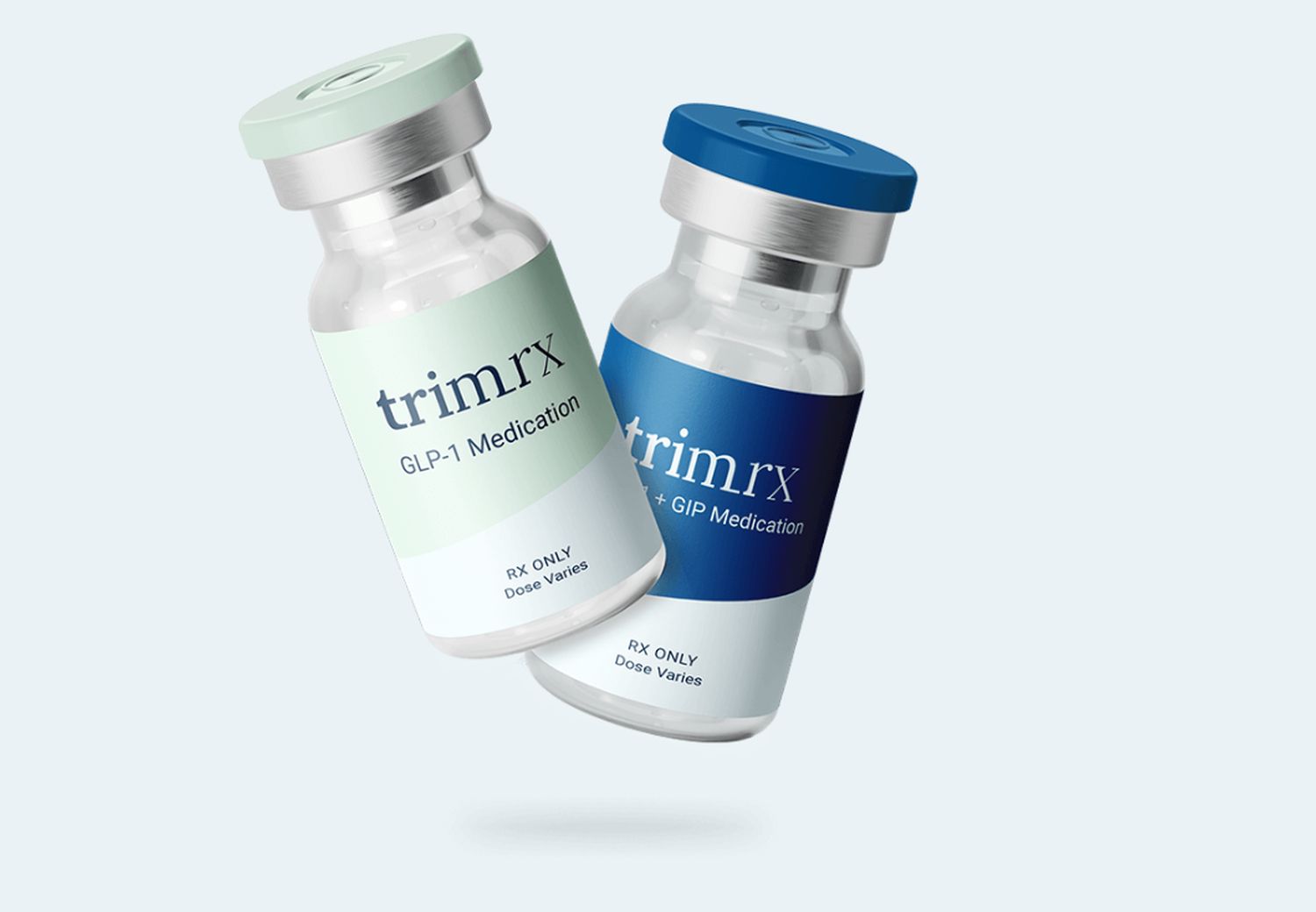
Winter creates a specific set of challenges for GLP-1 patients that don’t get talked about enough. While most people know these medications need refrigeration, fewer realize that cold weather introduces the opposite problem: temperatures that drop below freezing can damage your medication just as effectively as heat. If you live somewhere with genuine winters, or you’re traveling through cold climates, this is worth understanding before it costs you a vial.
The Temperature Range That Matters
Semaglutide and tirzepatide, whether brand-name or compounded, share similar storage requirements. Unopened medication should be refrigerated between 36°F and 46°F (2°C to 8°C). Once in use, storage instructions vary by formulation, so check the guidance that came with your specific medication, but room temperature storage for a defined period is typically acceptable for pens and some vials.
The freezing point is where things go wrong. At 32°F (0°C) and below, the peptide structure of GLP-1 medications can degrade. Frozen semaglutide or tirzepatide should not be used even after thawing, because the freezing process can alter the molecular integrity of the medication in ways that aren’t visible to the naked eye. A vial that looks normal after thawing may no longer be fully effective or safe to inject.
This is a hard line. Unlike food that can sometimes be safely thawed, injectable peptide medications that have frozen are considered compromised and should be discarded.
Where Freezing Actually Happens
Most patients think of their refrigerator as the risk, but accidental freezing is more likely to happen in situations you might not immediately anticipate.
Cars in winter. Leaving your medication in a car overnight, or even for a few hours on a very cold day, is one of the most common ways GLP-1 medications get accidentally frozen. A car parked outside in Chicago in January can easily reach temperatures well below freezing within an hour of the engine turning off. Your medication should never be left in a vehicle overnight in cold weather, and even short periods in extreme cold are a risk.
Near refrigerator vents or walls. The back wall of many refrigerators runs colder than the interior temperature suggests, and the area near the freezer compartment can dip below 32°F. Storing your medication on the back wall or directly beneath a freezer vent is a common cause of accidental freezing at home. The middle shelf toward the front of the refrigerator is the safest location.
Outdoor bags and coat pockets during winter activities. If you’re hiking, skiing, or spending extended time outdoors in freezing temperatures, medication left in an outer jacket pocket or bag can freeze surprisingly quickly. This matters particularly for patients who inject on a consistent day that might fall during a winter trip. The upcoming article in this series on camping and hiking with GLP-1 medications covers outdoor storage in more detail.
Mail delivery and shipping. If you receive your medication by mail, as most TrimRx patients do, winter shipping introduces cold exposure risk. Reputable telehealth pharmacies use insulated packaging designed to protect medications during transit, but extreme cold snaps can overwhelm standard packaging. Check your medication when it arrives. If the vial or pen feels excessively cold, or if you notice any cloudiness, particles, or discoloration, contact your pharmacy before injecting.
How to Tell If Your Medication Has Been Frozen
Visual inspection is your first line of assessment. Semaglutide and tirzepatide in their proper state should be clear and colorless to slightly yellow, free of particles or cloudiness. After freezing and thawing, you may notice:
Cloudiness or haziness that wasn’t there before. Visible particles or clumping. A change in color. Crystals or a frosted appearance on the inside of the vial.
Any of these is a signal to discard the medication and contact your pharmacy. If you’re unsure, err on the side of caution. Injecting compromised medication is not worth the risk, and your pharmacy can advise on replacement.
If the medication looks completely normal after suspected cold exposure but you’re uncertain whether it froze, contact your provider or pharmacy. They can help you assess the situation based on how long it was exposed and at what temperature.
Keeping Your Medication Safe During Winter Transport
The principles here are the opposite of summer travel: instead of keeping your medication cool, you’re keeping it from getting too cold.
Use an insulated case in both directions. The same insulated medication cases that protect against heat also buffer against extreme cold. In winter, the goal is thermal stability, which an insulated case provides whether the ambient temperature is too hot or too cold.
Keep medication close to your body during outdoor time. Body heat is your best defense against freezing during outdoor activities. An inner jacket pocket or a small pouch worn under a layer keeps medication at a safe temperature even in very cold conditions. This is the same principle that cold-weather campers use for batteries and electronics.
Don’t pre-load syringes in cold environments. If you use a vial and syringe rather than a pen, avoid drawing up your dose while outdoors in cold weather. The medication can cool rapidly once out of the vial, and injection of cold medication is both uncomfortable and potentially problematic. Draw your dose indoors at room temperature whenever possible.
Warm medication to room temperature before injecting. This applies year-round but matters more in winter when medication is more likely to be cold. Injecting cold semaglutide or tirzepatide increases injection site discomfort. Let your vial or pen sit at room temperature for 15 to 30 minutes before injecting. Do not use heat sources like microwaves or hot water to speed this up, as uneven heating can damage the medication.
Managing Injections During Winter Activities
Winter outdoor activities create logistical challenges around injection timing that are worth planning for in advance.
Consider this scenario: a patient who injects every Saturday has a ski trip planned over a weekend. Their injection day falls on day two of the trip, when they’ll be on the mountain all day. Without a plan, they may find themselves trying to inject in a ski lodge bathroom with cold hands and a medication vial that’s been in an outer pocket for four hours.
Planning ahead solves this. Options include injecting the morning before heading out while still at the lodge or hotel, carrying medication in an inner layer pocket to keep it at body temperature, or adjusting the injection day by a day or two with provider awareness if the logistics are genuinely unmanageable.
The article on how to rotate injection sites for semaglutide and tirzepatide is worth reviewing if you’re managing injections in less-than-ideal conditions, since proper site selection matters more when you’re injecting quickly or in unfamiliar settings.
What to Do If You Suspect Your Medication Was Damaged
If you believe your medication may have frozen, the steps are straightforward:
Do not inject it until you’ve assessed it visually. If there are any visible changes, discard it. Contact your pharmacy or TrimRx provider to report the situation and request guidance on replacement. Keep the vial if possible, as your pharmacy may ask about it.
Most telehealth platforms, including TrimRx, have processes for handling damaged medication, particularly when the damage occurred during shipping. Document the situation with photos if possible and reach out promptly.
For patients on compounded semaglutide or compounded tirzepatide, your pharmacy label includes contact information and your prescribing provider can be reached through the TrimRx platform.
A Note on Injection Site Comfort in Cold Weather
Cold weather affects more than just storage. Injection itself can be more uncomfortable in winter, particularly if your skin is cold or your hands are stiff. A few practical tips help here.
Warm the injection site briefly with your hand before injecting. Make sure the medication itself is at room temperature. Inject slowly and steadily, which reduces discomfort regardless of temperature. Rotating injection sites, as covered in the GLP-1 injection sites guide, also helps minimize cumulative tissue irritation that can feel worse when skin is dry and less elastic in winter.
If you haven’t started treatment yet and want to explore your options, take the TrimRx intake quiz to find out whether you’re a candidate for compounded semaglutide or tirzepatide with home delivery.
This information is for educational purposes and is not medical advice. Consult with a healthcare provider before starting any medication. Individual results may vary.

Transforming Lives, One Step at a Time
Keep reading
Construction Work in Summer on a GLP-1
Summer on a job site means early starts, heavy physical work, direct sun or hot interiors, and lunch from a cooler or the back…

Colonoscopy Prep on a GLP-1
If you are on a GLP-1 and have a colonoscopy, upper endoscopy, or any procedure with sedation coming up, the single most important step…

Clergy and Community Meals on a GLP-1
For pastors, priests, rabbis, imams, chaplains, and other community leaders, food is part of the work. Potlucks, fellowship dinners, holiday meals, funeral receptions, and…


