How to Help Diarrhea on Mounjaro: A Guide to Gut Comfort
Introduction
Starting a weight management journey often brings a mix of excitement and anticipation. You are taking a proactive step toward better metabolic health, but new medications can sometimes introduce unexpected physical hurdles. If you have recently started a program or increased your dose, you might be wondering how to help diarrhea on Mounjaro. Frequent or loose stools are among the most common digestive concerns for those taking tirzepatide, the active ingredient in Mounjaro®.
At TrimRx, we believe that managing weight should not mean sacrificing your daily comfort. Understanding why these changes occur in your digestive tract is the first step toward finding relief. While your body works to adjust to new hormonal signals, there are several evidence-based strategies you can use to soothe your system. If you are considering prescription support, you can see whether prescription support is right for you. This guide covers why these symptoms happen, which foods to prioritize, and how to manage your hydration effectively. Our goal is to help you navigate these temporary side effects so you can stay focused on your long-term wellness goals.
Why Does Mounjaro Cause Diarrhea?
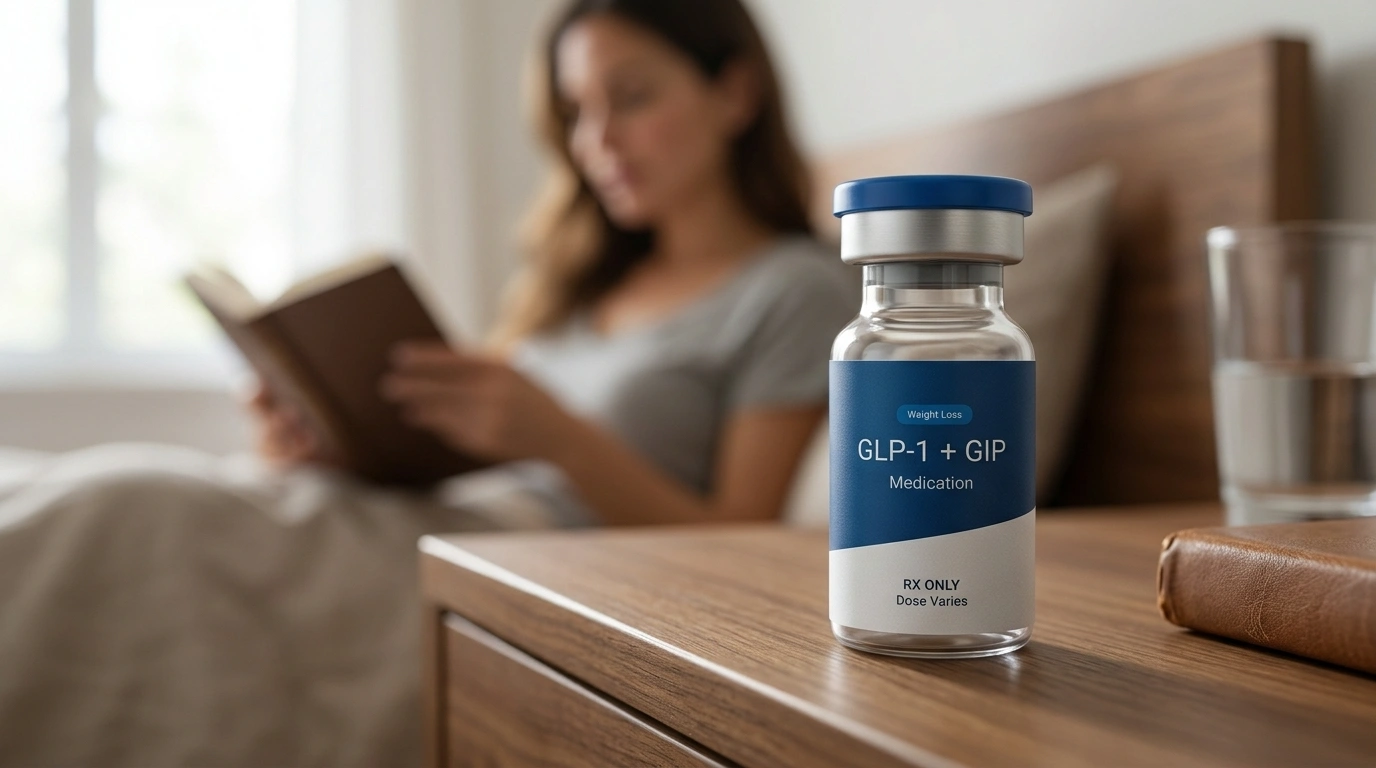
To understand how to help diarrhea on Mounjaro, it is helpful to look at how the medication interacts with your body. Mounjaro is a dual agonist, meaning it mimics two different hormones: glucagon-like peptide-1 (GLP-1) and glucose-dependent insulinotropic polypeptide (GIP). These hormones are naturally produced in your gut and play a massive role in how you process food and signal fullness to your brain. For a deeper look at the mechanism, our guide to why Mounjaro causes diarrhea and how to manage it offers a more detailed breakdown.
The Role of Gastric Emptying
One of the primary functions of these hormones is to slow down gastric emptying. This means food stays in your stomach for a longer period, which helps you feel full and satisfied with smaller portions. However, this change in speed can sometimes disrupt the rhythm of your entire digestive tract. When the transit time of food and liquid changes, your intestines may not absorb water as efficiently as they usually do. This often results in loose or watery stools.
Altered Hormone Signaling
The hormonal signals that tell your body to release insulin or suppress appetite also send messages to your colon. These signals can influence how much fluid is secreted into the intestines. In some individuals, the gut reacts to these new signals by moving waste through the system more quickly than normal. This “faster movement” in the lower intestines, combined with the “slower movement” in the stomach, creates a temporary imbalance that leads to digestive upset.
Gut Microbiome Shifts
Every person has a unique ecosystem of bacteria in their gut known as the microbiome. Research suggests that GLP-1 medications may briefly alter the balance of these bacteria as your body adapts to a new metabolic state. These shifts can contribute to gas, bloating, and diarrhea until the microbiome stabilizes again.
Key Takeaway: Diarrhea occurs because the medication changes how quickly food moves through your system and how your intestines handle fluid. This is typically a sign that the medication is active and your body is learning to respond to new hormonal signals.
Is Diarrhea a Common Side Effect?
If you are struggling with loose stools, you are certainly not alone. Clinical trials for Mounjaro® consistently show that gastrointestinal issues are the most frequently reported side effects. Statistics suggest that between 12% and 23% of participants experience diarrhea, depending on the specific dosage they are prescribed.
Most patients report that these symptoms are mild to moderate in intensity. They are most likely to appear during two specific phases of your journey:
- The Initiation Phase: When you first start the medication, your body is introduced to these hormone mimics for the first time.
- The Titration Phase: Every time your healthcare provider increases your dose, your system must undergo a new period of adjustment.
For a broader look at how this class of medications can affect digestion, our GLP-1 side effects guide is a helpful companion piece.
Quick Answer: Yes, diarrhea is a very common side effect of Mounjaro. It usually appears during the first few weeks of treatment or after a dose increase and typically improves as your body adapts to the medication.
Dietary Strategies for Relief
When you are looking for how to help diarrhea on Mounjaro, your plate is your most powerful tool. The foods you choose can either soothe your digestive lining or irritate it further. While you are experiencing symptoms, a “low-residue” or bland diet is often the best approach. For more practical tips, our how to stop diarrhea from GLP-1 medications guide covers the same symptoms from a class-wide perspective.
The BRAT Diet and Beyond
The BRAT diet—Bananas, Rice, Applesauce, and Toast—has long been a standard for managing upset stomachs. These foods are low in fiber and easy for the body to break down, which helps “bind” the stool and reduce the frequency of bathroom trips.
- Bananas: Provide potassium, an essential electrolyte lost during diarrhea.
- White Rice: Low-fiber starch that is gentle on the stomach.
- Applesauce: Contains pectin, which can help firm up stools.
- Plain Toast: Provides simple carbohydrates without irritating fats or fibers.
Choosing the Right Proteins
While your gut is sensitive, focus on lean, easily digestible proteins. Avoid fried or heavily seasoned meats, as fats and spices are known triggers for diarrhea.
- Boiled or baked chicken breast (skinless)
- White fish like cod or tilapia
- Soft-boiled or poached eggs
- Plain tofu
Managing Fiber Intake
Fiber is generally a cornerstone of health, but when you have active diarrhea, too much fiber can be counterproductive. High-fiber foods like raw vegetables, beans, and whole grains can speed up transit time even more. It is often helpful to temporarily reduce your fiber intake until your stools normalize. Once you feel better, you can gradually reintroduce fiber-rich foods like oats or peeled fruits to maintain long-term gut health.
Foods and Drinks to Avoid
Knowing what not to eat is just as important as knowing what to eat. Certain substances can act as natural laxatives or irritants, making your symptoms much worse.
High-Fat and Greasy Foods
Fatty foods take a long time to digest. Because Mounjaro® already slows down your stomach, adding a heavy, greasy meal can lead to significant discomfort, nausea, and urgent diarrhea. Skip the fast food, heavy creams, and butter until your system feels stable.
Artificial Sweeteners
Many “sugar-free” products like gum, candy, and protein shakes contain sugar alcohols. Look for ingredients ending in “-ol,” such as sorbitol, mannitol, and xylitol. These are poorly absorbed in the intestines and can draw water into the colon, acting as a potent trigger for loose stools.
Dairy Products
Even if you are not usually lactose intolerant, a bout of diarrhea can make your gut temporarily sensitive to dairy. Milk, cheese, and ice cream may be difficult to process while your digestive lining is irritated.
Caffeine and Alcohol
Both caffeine and alcohol can stimulate the muscles in your digestive tract, causing them to contract more frequently. They also contribute to dehydration, which is a major risk when you are already losing fluids through diarrhea.
The Importance of Hydration and Electrolytes
One of the biggest risks of persistent diarrhea is dehydration. When your stools are watery, your body is losing more than just liquid; it is also losing essential minerals called electrolytes, such as sodium, potassium, and magnesium.
Signs of Dehydration
It is important to monitor your body for signs that your fluid levels are too low. These may include:
- Dark-colored urine
- Extreme thirst or a very dry mouth
- Dizziness or lightheadedness, especially when standing up
- Feeling unusually tired or fatigued
- Headaches
How to Hydrate Effectively
Sipping is better than gulping. Drinking a large amount of water all at once can sometimes trigger a “gastrocolic reflex,” which tells your colon to empty. Instead, keep a water bottle nearby and take small, frequent sips throughout the day.
If your diarrhea is frequent, water alone may not be enough. Consider adding an electrolyte powder to your water or drinking clear broths. This helps replace the salts your body needs to function properly. At TrimRx, we often suggest looking for low-sugar electrolyte options to avoid the irritation that high sugar intake can cause.
Key Takeaway: Hydration is the most critical part of managing diarrhea. Focus on small, frequent sips of water and electrolyte-rich liquids to prevent dehydration and support your recovery.
Lifestyle Habits to Support Digestion
Beyond what you eat, how you eat and live can impact your gut comfort. Simple changes to your daily routine can help minimize the stress on your digestive system.
Eat Smaller, More Frequent Meals
Instead of three large meals, try eating five or six small snacks or “mini-meals” throughout the day. This prevents your stomach from becoming overly full, which can reduce the pressure on your intestines and help your body process nutrients more efficiently.
Slow Down and Chew Well
Digestion begins in the mouth. By chewing your food thoroughly, you make the job easier for your stomach and intestines. Eating slowly also helps you recognize the “fullness” signal from the medication before you overeat, which can prevent the nausea and diarrhea that often follow a large meal.
Stress Management
There is a powerful connection between your brain and your gut. Stress can speed up intestinal contractions, making diarrhea more likely. Incorporating gentle stress-relief practices—like deep breathing exercises, a short walk, or meditation—can help calm your nervous system and your gut.
Managing the “Sulphur Burp” Connection
Some people taking Mounjaro® notice a strange side effect often called “sulphur burps,” which smell like rotten eggs. This often happens alongside diarrhea. These burps occur when food stays in the stomach so long that it begins to ferment, releasing hydrogen sulphide gas.
If you experience these together, it is a sign that your digestion has slowed significantly. To help:
- Avoid high-sulphur foods like onions, garlic, and broccoli temporarily.
- Try ginger or peppermint tea to help move gas through the system.
- Ensure you are not eating too close to bedtime.
Over-the-Counter Solutions
Sometimes, lifestyle and diet changes aren’t enough to manage the urgency. In these cases, you might consider over-the-counter (OTC) options. However, you should always consult with a licensed healthcare provider before starting any new medication, even if it is available without a prescription.
Anti-Diarrheal Medications
Medications like loperamide (often sold under the brand name Imodium®) can help slow down the movement of the intestines. This allows more water to be absorbed, leading to firmer stools. While effective, these should be used sparingly, as you do not want to swing too far in the opposite direction and cause constipation.
Probiotics and Digestive Support
Some patients find relief by incorporating probiotics into their routine. These beneficial bacteria can help restore balance to the gut microbiome. Additionally, targeted supplements like our GLP-1 Daily Support supplement are designed to provide the nutrients your body needs while navigating the unique changes brought on by weight loss medications.
Note: If you are experiencing a fever or see blood in your stool, do not take anti-diarrheal medications and contact your doctor immediately.
When to Seek Medical Guidance
While diarrhea on Mounjaro® is usually a temporary side effect that resolves as you adjust, there are times when it requires professional medical attention. At TrimRx, our platform connects you with providers who can help adjust your plan if side effects become unmanageable. For a closer look at the broader tirzepatide experience, our tirzepatide side effects guide can help frame what’s typical and what isn’t.
Contact a healthcare professional if you experience any of the following:
- Persistent Diarrhea: Symptoms that last longer than 7 days without improvement.
- Severe Dehydration: Dizziness that does not go away, fainting, or inability to keep any fluids down.
- Severe Pain: Intense stomach cramping or abdominal pain that feels different from typical gas.
- Fever: A temperature over 101.3°F (38.5°C).
- Stool Changes: If you notice blood in your stool or if your stools are black and tar-like.
In many cases, a provider might recommend staying at your current dose for a longer period before increasing it again, or they may suggest a slight dosage adjustment to give your body more time to adapt.
How TrimRx Supports Your Journey
We believe that medical weight loss should be a personalized experience, not a one-size-fits-all solution. Our platform is designed to provide you with more than just access to medication; we provide a system of support.
When you join a program through us, you gain access to a dedicated team and medical professionals who understand the nuances of GLP-1 and GIP medications. Whether it is adjusting your dosage through our telehealth platform or suggesting specific nutrient support like our Weight Loss Boost supplement, we are here to ensure your path to health is as comfortable as possible. Our mission is to combine clinical expertise with empathy, helping you achieve sustainable results through a plan tailored to your unique health profile.
Summary of Action Steps
If you are currently struggling with loose stools while on your medication, follow these steps to find relief:
- Step 1: Simplify your diet. Switch to the BRAT diet and lean proteins for 24–48 hours.
- Step 2: Prioritize hydration. Sip water and electrolyte drinks constantly throughout the day.
- Step 3: Identify triggers. Eliminate fatty foods, dairy, and artificial sweeteners until you feel better.
- Step 4: Change your eating habits. Move to smaller, more frequent meals and chew your food thoroughly.
- Step 5: Monitor and communicate. Keep track of your symptoms and reach out to your provider if they persist or worsen.
If you want personalized guidance before making changes to your treatment plan, complete a free eligibility assessment.
Bottom line: Diarrhea is a manageable side effect. By making temporary adjustments to your diet and hydration, you can support your body’s transition and continue your progress toward your health goals.
FAQ
How long does diarrhea usually last on Mounjaro?
For most individuals, diarrhea is temporary and lasts from a few days to a few weeks. It most commonly occurs when you first start the medication or when your dose is increased, and it typically subsides as your digestive system adapts to the new hormone levels.
Can I take Imodium while taking Mounjaro?
Many people find relief using over-the-counter anti-diarrheal medications like loperamide (Imodium®), but it is essential to speak with your healthcare provider first. They can ensure that the medication is appropriate for your specific situation and won’t interfere with your treatment plan.
Why does my diarrhea get worse after a dose increase?
A dose increase introduces a higher concentration of the medication’s active ingredients, which can reset the adjustment period for your gut. Your body essentially has to relearn how to balance fluid absorption and gut motility at this new, higher level of hormonal activity.
Should I stop taking Mounjaro if I have diarrhea?
You should never stop or change the dose of a prescribed medication without consulting your healthcare provider. If your symptoms are severe, reach out to your provider through the platform to discuss a potential dose adjustment or a slower titration schedule to help your body adapt more comfortably. If you want to see how a supported prescription journey works, find out if a personalized program fits your needs.
Disclaimer: This content is for informational purposes only and does not constitute medical advice. It is not intended to diagnose, treat, cure, or prevent any disease or condition. Individual results may vary. Always consult a qualified healthcare professional before starting any weight loss program or medication.

Transforming Lives, One Step at a Time
Keep reading

Mounjaro Alternatives: What Else to Consider
If Mounjaro isn’t the right fit, the closest alternatives are other GLP-1 medications, chiefly semaglutide (Ozempic for diabetes, Wegovy for weight), along with a…

Mounjaro vs Zepbound: Same Drug, Two Brands
Like their semaglutide counterparts, Mounjaro and Zepbound are the same medication (tirzepatide) sold under two names for two purposes: Mounjaro is approved for type…

Retatrutide vs Mounjaro: Triple Agonist vs Dual Agonist
The core difference between retatrutide and Mounjaro comes down to how many hormone targets each hits: retatrutide activates three receptors, while Mounjaro (tirzepatide) activates…


